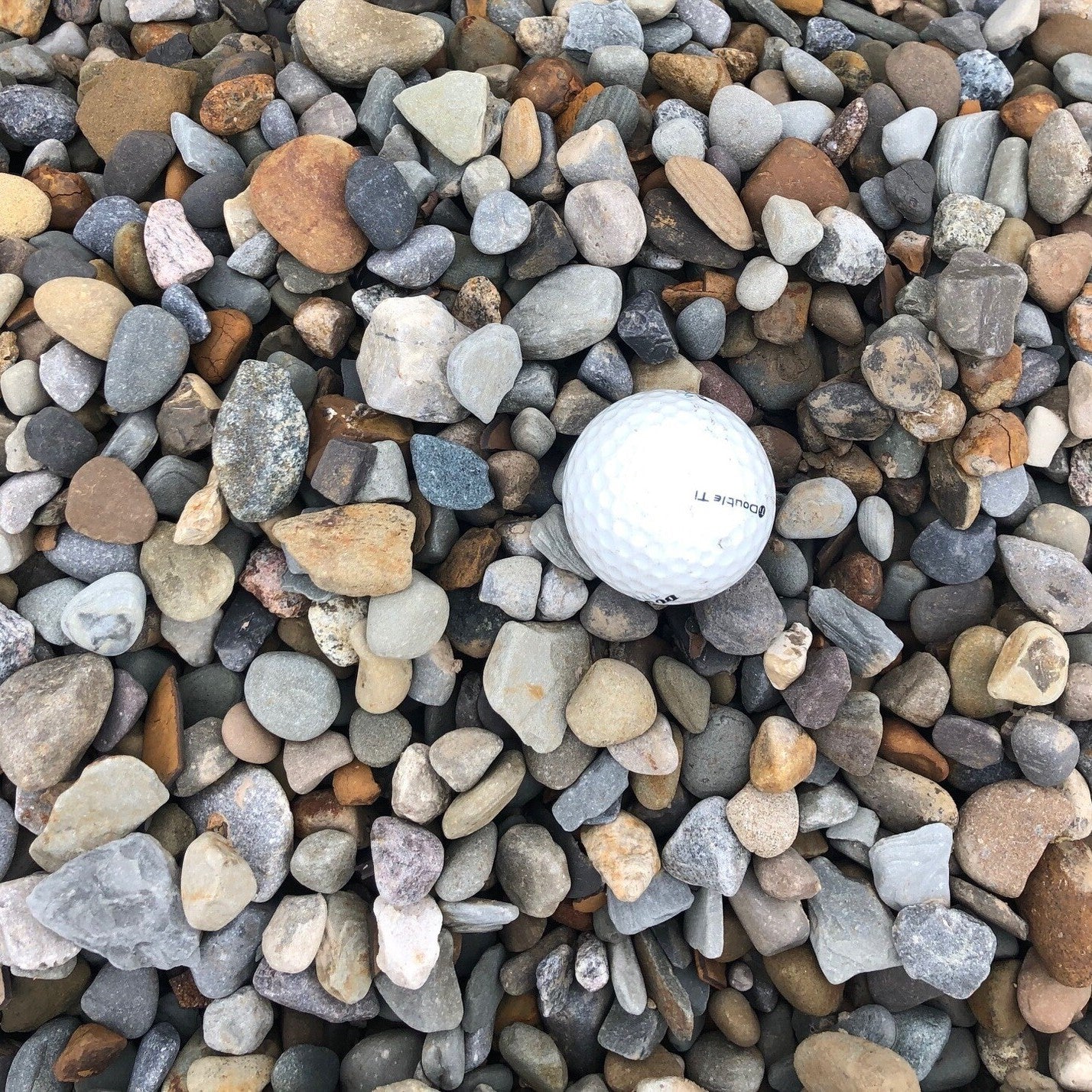
Number 57 crushed stone, angular limestone graded to about three quarters of an inch. The standard driveway, base and drainage gravel, it locks together under traffic and drains fast.
My experience with Mulch Mound was great and super easy. I ordered two yards of screened topsoil and was able to get it delivered within 2 days. They came in my requested time frame (afternoon) and dropped it off where I asked on my driveway. The topsoil was exactly what was a...
Tell us what you're looking for
Thanks! We received your request.
Something went wrong. Please try again.
How Much Material Do I Need?
Most decorative stone applications in Southaven work best at two to three inches of depth, which is enough to suppress weeds, cover the soil, and stay in place during heavy rain. Drainage applications like swales and French drains typically need four to six inches of depth to function properly.
Use our free gravel calculator
What is a Yard?
A yard is approximately 27 cubic feet. As a general guideline, one yard of material can cover an area of about 100-160 square feet at a 2-3 inch depth.
We can't take orders for this right now. Tell us what you need and we'll get back to you.
What do you need?
Thanks! We received your request.
Something went wrong. Please try again.
Hand-picked local yards
4,000+ regional deliveries
Dedicated support
Why order through Mulch Mound
The best local , without the guesswork.
We hand-pick and partner with the best yards in your region, keep only the ones our buyers rate well, and back each load with our guarantee.
Mulch Mound Guarantee
If your isn't the quantity or quality you ordered, we'll make it right.
About this stone
Number 57 crushed stone, angular limestone graded to about three quarters of an inch. The standard driveway, base and drainage gravel, it locks together under traffic and drains fast.
My experience with Mulch Mound was great and super easy. I ordered two yards of screened topsoil and was able to get it delivered within 2 days. They came in my requested time frame (afternoon) and dropped it off where I asked on my driveway. The topsoil was exactly what was a...
How Much Material Do I Need?
Most decorative stone applications in Southaven work best at two to three inches of depth, which is enough to suppress weeds, cover the soil, and stay in place during heavy rain. Drainage applications like swales and French drains typically need four to six inches of depth to function properly.
Use our free gravel calculator
What is a Yard?
A yard is approximately 27 cubic feet. As a general guideline, one yard of material can cover an area of about 100-160 square feet at a 2-3 inch depth.
My experience with Mulch Mound was great and super easy. I ordered two yards of screened topsoil and was able to get it delivered within 2 days. Th...
Read full review
My experience with Mulch Mound was great and super easy. I ordered two yards of screened topsoil and was able to get it delivered within 2 days. They came in my requested time frame (afternoon) and dropped it off where I asked on my driveway. The topsoil was exactly what was advertised, clean with no rocks or other debris. The price was reasonable. I plan to use them again in a couple weeks to order compost for my garden beds.
Measure the length and width of your stone coverage area in feet, decide on your depth in inches, and use the formula length times width times depth divided by 324 to find cubic yards. Stone is much heavier than mulch per cubic yard, so double check your numbers before ordering because overages are harder to move and store than extra mulch. A thin two inch layer covers roughly 160 square feet per cubic yard for most medium sized stone.
Complete Your Outdoor Stone Project
Many Southaven homeowners pair a stone delivery with bulk mulch for a finished landscape look, using stone along borders and high traffic areas while mulching planting beds. Visit our mulch page to bundle your order and cover both needs in a single delivery.
Southaven gets enough rainfall that dry creek beds are not just decorative features. They are functional. A well designed dry creek bed using four to six inch river rock through a low area of your yard gives storm water a defined path to follow instead of sheeting across your lawn and eroding the silt loam beneath. Curved, natural looking creek beds also add significant visual interest to flat suburban lots and they require almost no maintenance once installed.
Mulch Mound Pro Tip
Before placing any bulk stone order for a Southaven project, think about your long term maintenance plan. Stone is permanent in a way that mulch is not. Once you spread two or three cubic yards of decorative gravel through a bed, removing it later to replant or redesign is a substantial project. Use stone in areas where your design is settled and long term, and reserve mulched beds for areas where you expect to add, move, or change plants over the coming years.
Mulch Mound Pro Tip
When installing stone around downspout outlets in Southaven, size up your stone selection based on how much water volume your roof sheds. A small quarter inch pea gravel splash pad will scatter and wash away after the first significant storm. A twelve by twelve inch pad of three to five inch river rock anchored with landscape fabric underneath handles even the heaviest Southaven rain events without shifting. Properly sized stone at downspout outlets also protects the surrounding silt loam from the gouging and erosion that concentrated roof runoff causes.
The Unique Landscape of Southaven
Landscape stone in Southaven serves a different purpose than it does in drier climates. With 54 inches of rain falling every year, stone is one of the most effective tools for managing runoff, preventing erosion along slopes, and keeping high traffic areas from turning into muddy paths every time a storm rolls through. The silt loam soil in most Southaven yards erodes relatively easily under moving water, so lining drainage channels, garden borders, and pathway edges with stone protects those areas from washing out season after season. River rock and creek stone also create permeable surfaces in places where traditional mulch would float away or where foot traffic would crush organic material into a compacted mess. Decorative stone adds visual permanence to Southaven landscapes that hold up through the intense summer heat without fading, shifting, or requiring the seasonal reapplication that mulch demands.
Frequently Asked Questions
Click a question to see the answer
Answer
What size river rock works best for a drainage swale in my Southaven backyard?
For a standard drainage swale carrying runoff from a typical Southaven yard, a one and a half to three inch river rock is the most practical choice. Smaller pea gravel shifts and washes downstream during heavy rain events, which Southaven sees regularly from spring through early fall. The larger size stays in place under moving water, allows good flow through the channel, and still looks clean and intentional as a landscape feature. For swales carrying concentrated roof runoff from a downspout, going up to a three to five inch stone gives even better stability.
Answer
Will landscape stone get unbearably hot during Southaven summers and damage plants nearby?
Dark colored stone in full sun does absorb significant heat during Southaven's July and August days when temperatures regularly sit above 90 degrees. Placed directly against plant stems or used as a thick mulch substitute in a tightly planted bed, that radiated heat can stress roots and scorch foliage. Lighter colored stones like white marble chips or tan river rock reflect more heat than they absorb. Leaving a few inches of buffer between stone beds and plant crowns and pairing stone with deep rooted, heat tolerant plants reduces any heat related issues significantly.
Answer
How much stone do I need to cover the area under my deck where grass never grows anyway?
Under deck areas in Southaven are excellent candidates for stone because those spaces stay too shaded and dry for grass but too damp and muddy to leave bare. Measure your under deck square footage and plan for a two inch depth of a medium gravel or small river rock. Lay a weed barrier fabric first to keep the stone from working down into the silt loam soil over time, which happens faster in this soil type than most homeowners expect. A two inch application over 200 square feet requires roughly one and a quarter cubic yards of stone.
Answer
Can I use crushed stone instead of mulch around my trees and shrubs?
You can, but there are real trade offs worth knowing in Southaven's climate. Stone does not break down and feed the soil the way organic mulch does, so silt loam beds that rely on stone for coverage will become increasingly nutrient depleted over time without supplemental fertilization. Stone also holds and radiates heat differently than mulch, which can be hard on shallow rooted shrubs through the hottest weeks of the year. Stone works very well around drought tolerant ornamentals, river birches, ornamental grasses, and along foundation plantings where you want a low maintenance solution that never needs replacing.
Answer
What kind of stone should I use for a stepping stone path through my Southaven garden?
Flagstone, large stepping stones, and thick irregular limestone pieces all work well for garden paths in Southaven. The key consideration is surface texture. Polished or smooth stone becomes slippery when wet, and with 54 inches of rain a year, your path will be wet frequently. Choose a textured or rough cut stone surface that grips even when damp. Setting stepping stones with a slight gap between them also lets rainwater drain rather than sheet across the surface, which makes the path safer after storms.
Answer
Does landscape stone help or hurt with the drainage problems common in Southaven neighborhoods?
Stone helps drainage when it is used correctly in the right spots. A gravel filled French drain, a stone lined swale, or a dry creek bed that directs water away from your foundation are all examples of stone improving drainage function. Stone hurts drainage when it is used as a thick impermeable blanket over a large area without any slope or outlet for water to exit. In Southaven where rainfall events can be intense, always make sure any large stone installation has a clear path for water to flow out rather than pooling under or around the stone.
Answer
How do I keep weeds from growing up through my gravel or stone areas over time?
The best defense in Southaven is a combination of quality landscape fabric installed before the stone and keeping stone depth at a minimum of two to three inches. Weeds growing through established stone areas in this climate are almost always rooting in the layer of decomposed organic matter that collects on top of the stone over time, not pushing up from below. Blowing or raking debris off stone surfaces a couple times a year removes that accumulated organic layer before it becomes a seed bed. Pre emergent herbicide applied in early March, just before weed season kicks off, is also very effective at keeping gravel areas clean through the growing season.