


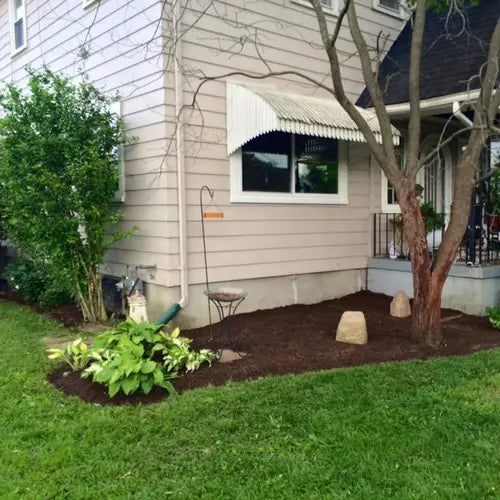

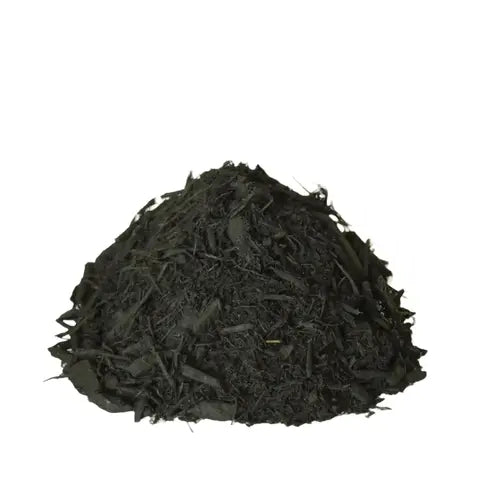
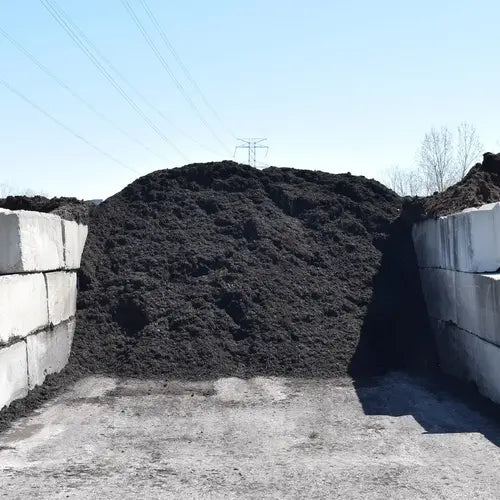
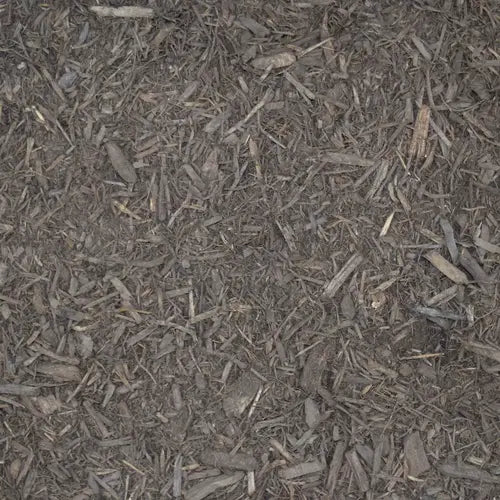
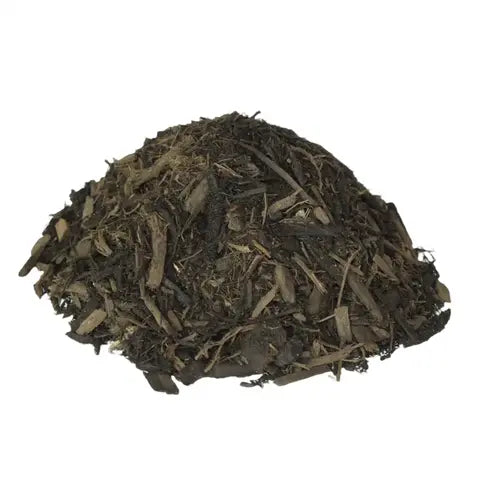
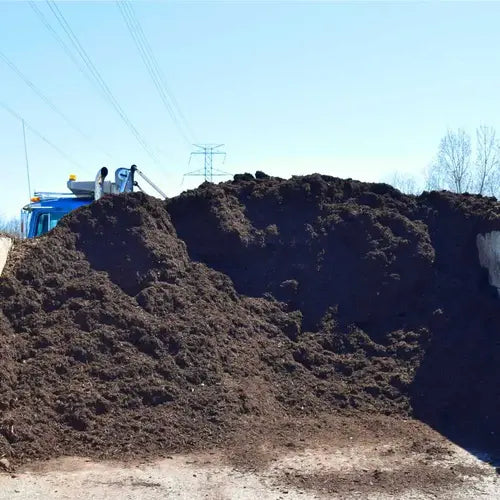
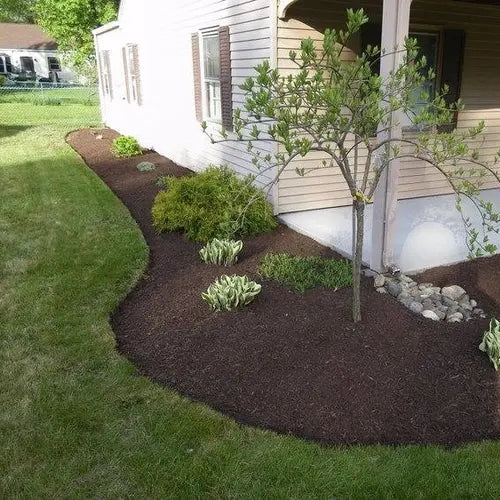


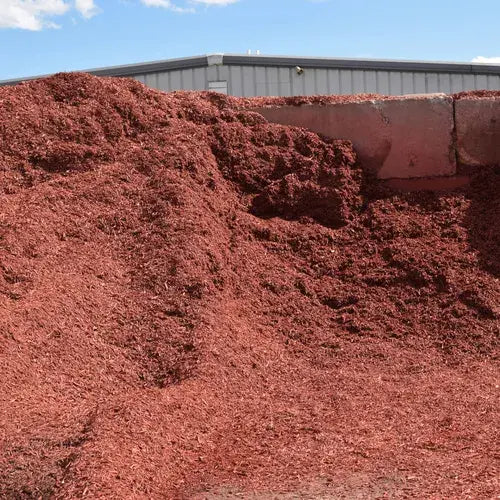

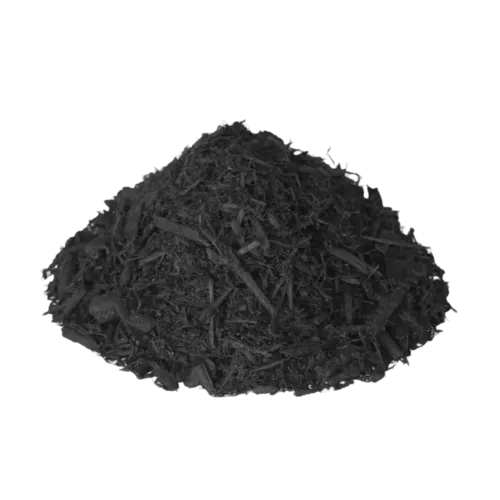

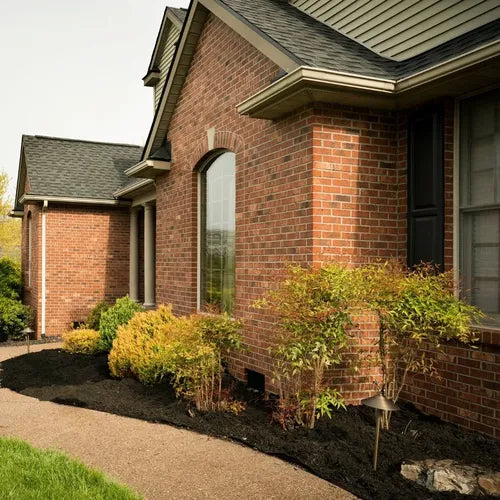


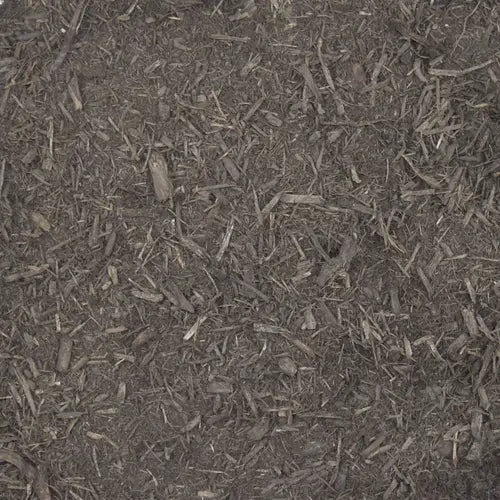
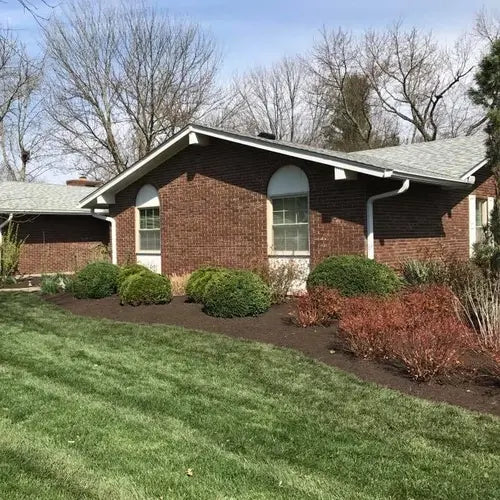

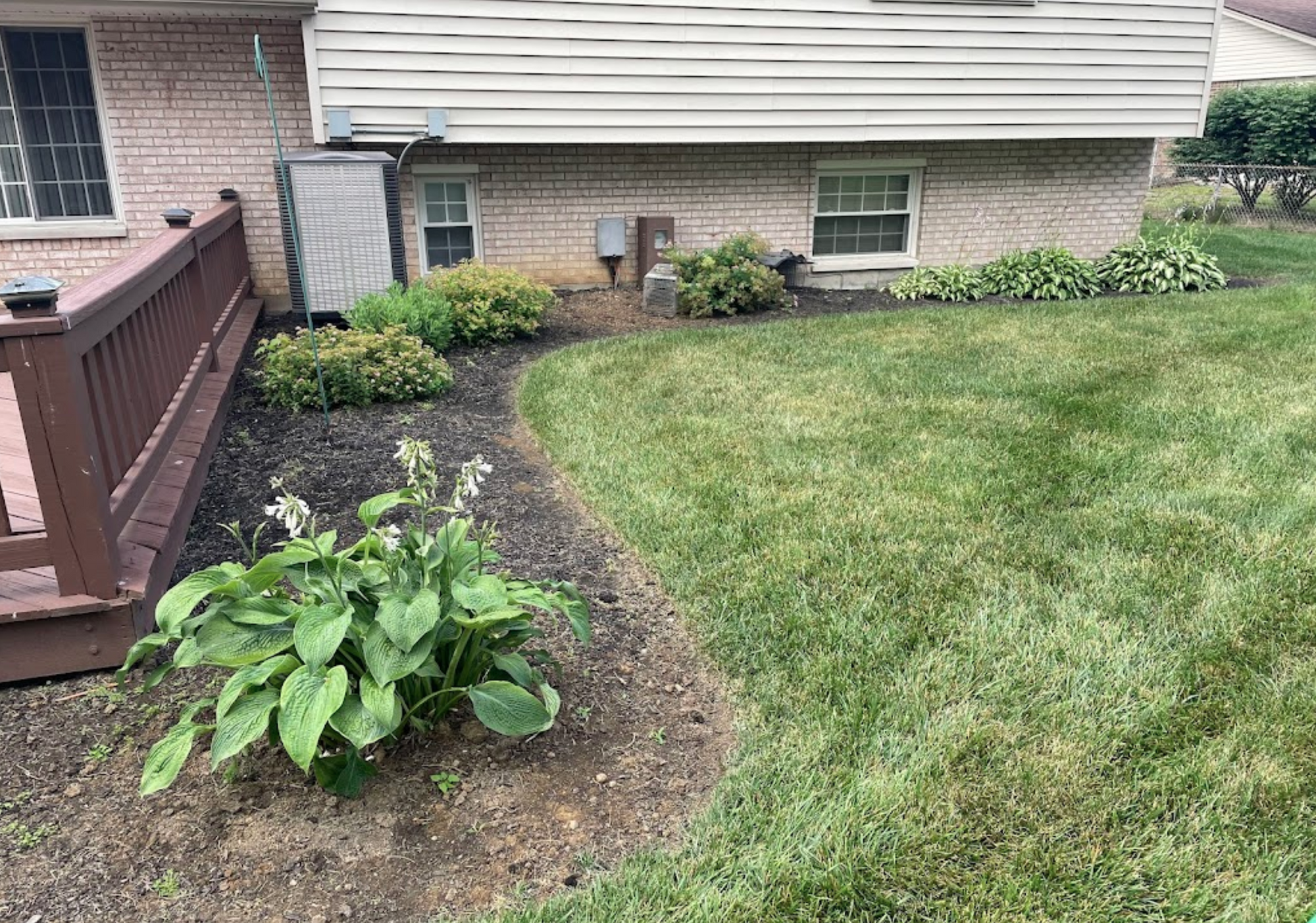
Our delivery was delayed but the new brown color mulch is a nice upgrade to our landscaping.
About this mulch
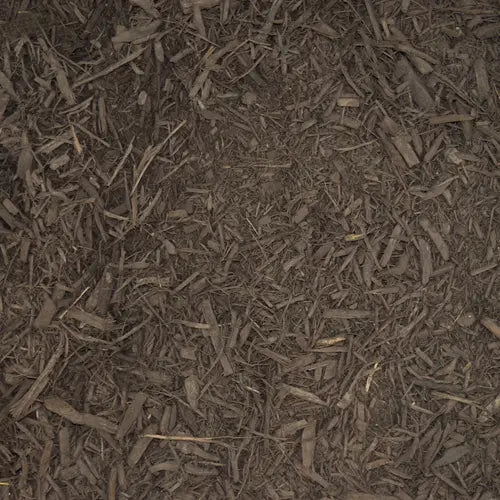
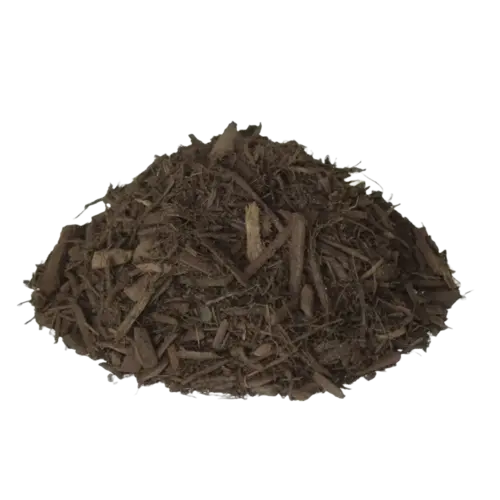
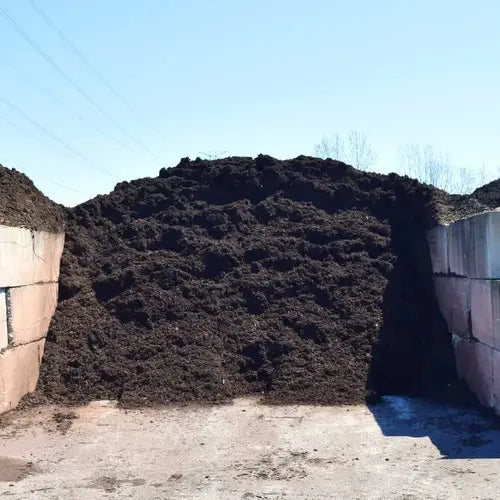
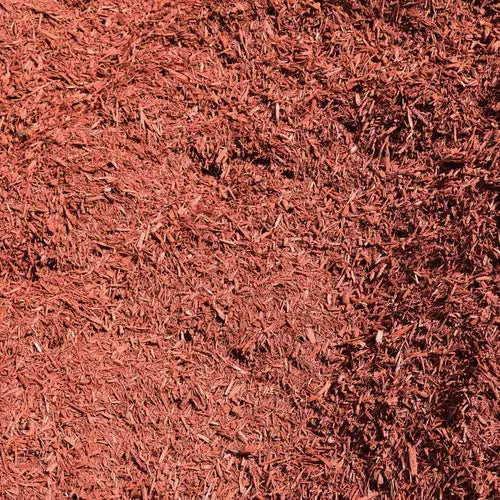
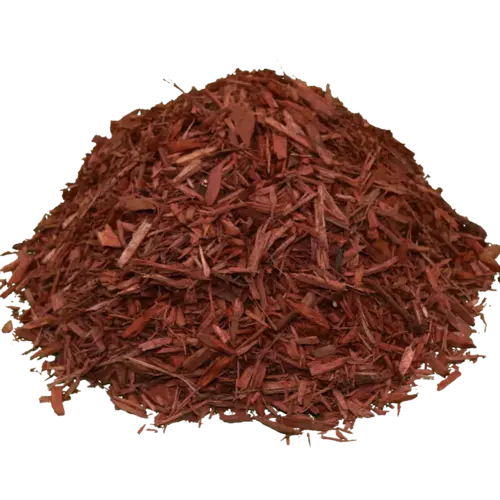
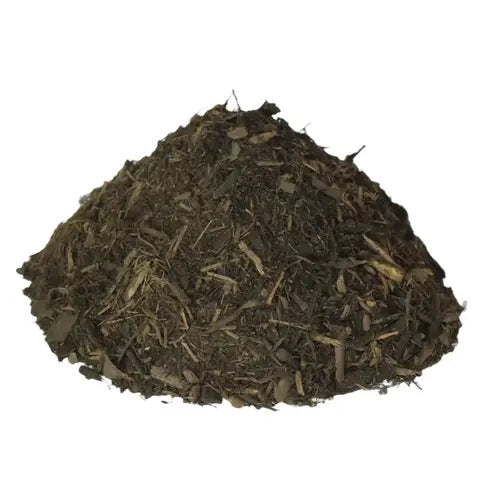
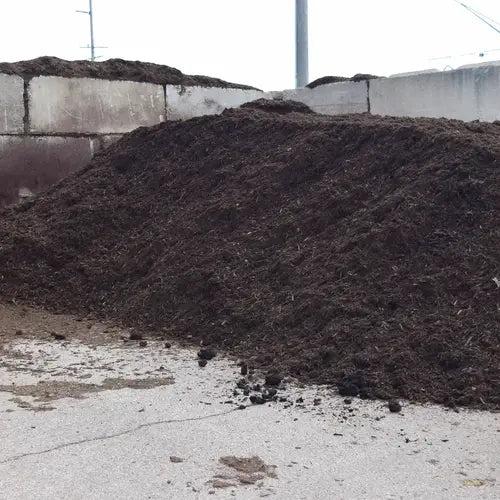
Double-shredded mulch dyed a rich, even brown that holds its color through the season.
Our delivery was delayed but the new brown color mulch is a nice upgrade to our landscaping.
Tell us what you're looking for
Thanks! We received your request.
Something went wrong. Please try again.
How Much Material Do I Need?
How Much Material Do I Need?
Plan on 3 inches for shrub and foundation beds and 2 inches around perennials and shallow rooted plants like azaleas. One cubic yard covers about 108 square feet at 3 inches deep.
Use our free mulch calculator
What is a yard?
What is a yard?
FAQs
FAQs
Southfield Mulch Delivery
Southfield Mulch Delivery
Regular price
$50.00
per
Yard
Regular price
Sale price
$50.00
Unit price
per
Shipping calculated at checkout.
Minimum of 3 Yard
Couldn't load pickup availability
Not currently available
We can't take orders for this right now. Tell us what you need and we'll get back to you.
Hand-picked local yards
4,000+ regional deliveries
Dedicated support
Why order through Mulch Mound
The best local , without the guesswork.
We hand-pick and partner with the best yards in your region, keep only the ones our buyers rate well, and back each load with our guarantee.
Mulch Mound Guarantee
If your isn't the quantity or quality you ordered, we'll make it right.
About this mulch
Double-shredded mulch dyed a rich, even brown that holds its color through the season.
Our delivery was delayed but the new brown color mulch is a nice upgrade to our landscaping.
How Much Material Do I Need?
How Much Material Do I Need?
Plan on 3 inches for shrub and foundation beds and 2 inches around perennials and shallow rooted plants like azaleas. One cubic yard covers about 108 square feet at 3 inches deep.
Use our free mulch calculator
What is a yard?
What is a yard?
FAQs
FAQs
Tell us what you're looking for
Thanks! We received your request.
Something went wrong. Please try again.

How It Works
Getting started is easy — just follow these simple steps
1
Choose your Mulch
Make sure you adjust the quantity to your home's needs. You can use our calculator to estimate how much you'll need.
2
Select your delivery date
Select a delivery date you'd like for the product to be dropped off at your home
3
Sit back and wait
Sit back, wait, and let us work our magic to make sure the highest quality product is delivered to your driveway.

Mulch Mound made it so easy! So happy with the pricing, turn around time, delivery and product. I submitted my online order on a Thursday. The mu...
Read full review
Mulch Mound made it so easy! So happy with the pricing, turn around time, delivery and product. I submitted my online order on a Thursday. The mulch was delivered to the designated location by a local landscape company at 8:30 a.m. the following Saturday morning. We had the job completed by that afternoon. We chose the natural brown mulch, and the plant beds are beautiful.

Good quality, great price, fast delivery. All online - no submitting forms and waiting for days for quotes.
Getting mulch should be this easy fr...
Read full review
Good quality, great price, fast delivery. All online - no submitting forms and waiting for days for quotes.
Getting mulch should be this easy from everyone. Only Mulch Mound is ACTUALLY this simple.
Calculate mulch for your Southfield project
For Southfield's type of soil, we recommend 2-3 inches for best weed suppression and moisture retention
Try Our CalculatorMeasure each bed separately rather than guessing at the whole yard, since Southfield lots often have a long narrow strip along the drive plus an irregular curved foundation bed. For curves, treat the shape as a rectangle at its widest points and you will be close enough. Add about 10 percent so you are not short by one wheelbarrow at the end.
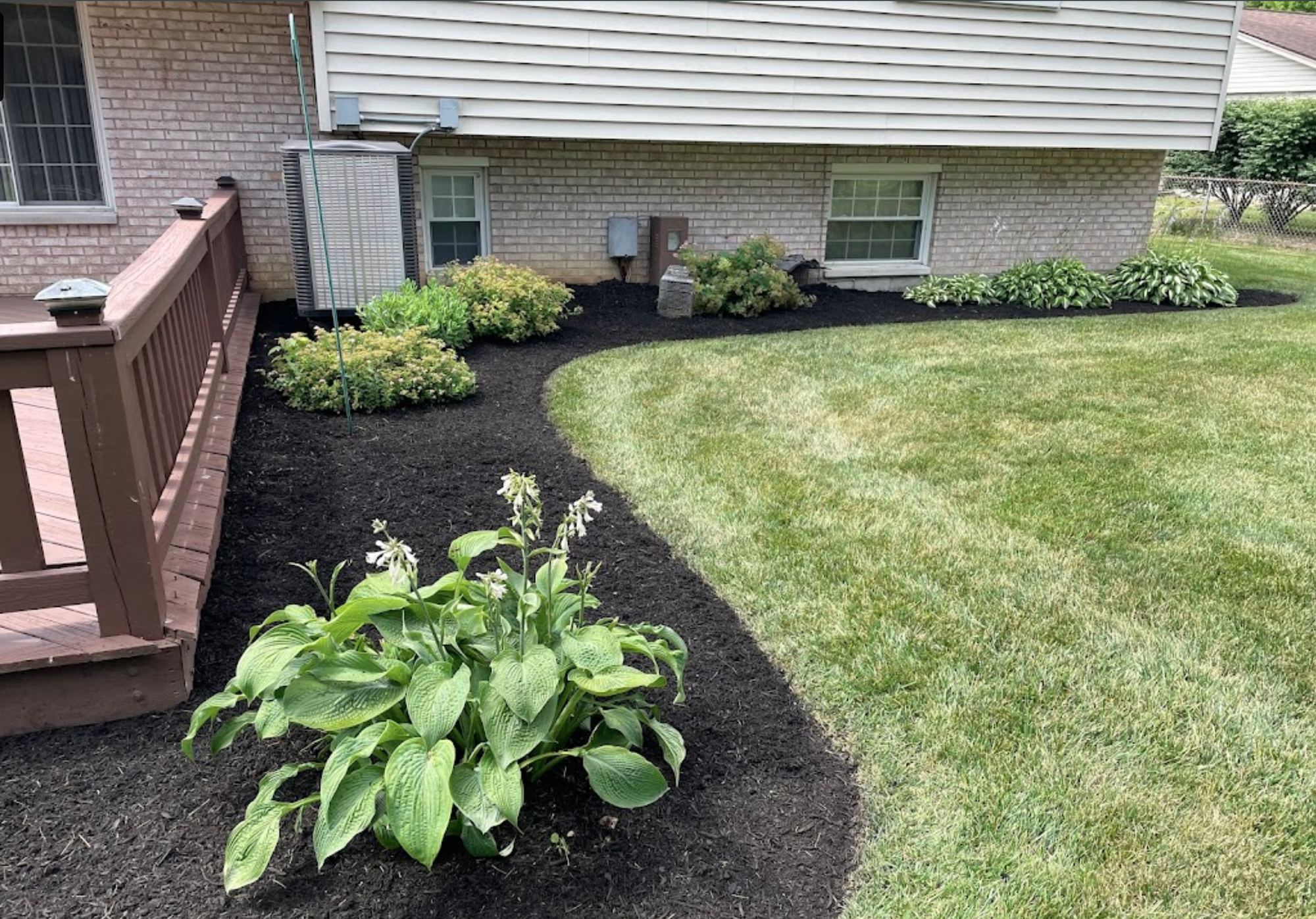

Best Mulch Choice for Southfield Lawns
Most yards in the Southfield area sit on type of soil. Southfield's clay loam is nutrient rich but dense, so it compacts under foot traffic and drains slowly, which leaves plant roots sitting in cold water every April. Beds built directly into untouched clay often stunt shrubs within two or three seasons.
Hardwood Mulch
Shredded hardwood is the best answer for Southfield clay because it decomposes steadily into fine organic matter that earthworms drag down into the profile, loosening structure and creating drainage channels. Over three or four seasons of annual top dressing, the top few inches of clay loam become noticeably crumblier and easier to plant into.
Complete Your Outdoor Mulch Project
Pair your mulch with a few yards of compost or garden soil worked into the clay before you spread, and add edging stone or a shovel cut trench to keep mulch off the sidewalk during Southfield's heavy spring runoff.
Mulch Mound Pro Tip
Cut a clean spade edge around every bed before the mulch arrives. Southfield's clay loam holds a sharp trench shape far better than sandy soil does, so a single 4 inch deep V cut in May will still be crisp in September. That trench also catches mulch that would otherwise wash onto the sidewalk during our intense spring thunderstorms, which saves you a lot of sweeping.
Mulch Mound Pro Tip
Water the bed thoroughly before you spread, not after. Dry Southfield clay repels water and sheds it sideways, so if you mulch over baked soil in July the first rain runs right off the top and the root zone stays parched. Soak the soil the evening before, spread mulch the next morning, then water lightly again to settle the pieces together into a mat.
Mulch Mound Pro Tip
Keep mulch pulled back 3 inches from tree trunks and shrub stems. Volcano mulching is everywhere in Southfield subdivisions, and with our humid summers and 33 inches of rain it keeps bark constantly damp, invites rot, and encourages girdling roots on the maples and lindens planted along so many streets here. A flat donut shape out to the drip line is what you want.
The Unique Landscape of Southfield
Southfield sits on heavy clay loam left behind by glacial lake sediments, and that soil holds water in spring then bakes hard by August. Mulch is the buffer layer that keeps those extremes from reaching plant roots along Evergreen, Lahser, and the neighborhoods off Twelve Mile. With only about 33 inches of rain a year, most of it arriving in spring storms rather than steady summer showers, a 3 inch mulch layer is often the difference between a bed that coasts through July and one that wilts every other day. Mulch also shades the clay surface so it does not crust and shed water away from your shrubs. In Zone 6a, where winter can swing from 50 degrees to single digits in a week, mulch steadies soil temperature and stops the freeze and thaw heaving that pushes perennials right out of the ground.