About this landscape rock

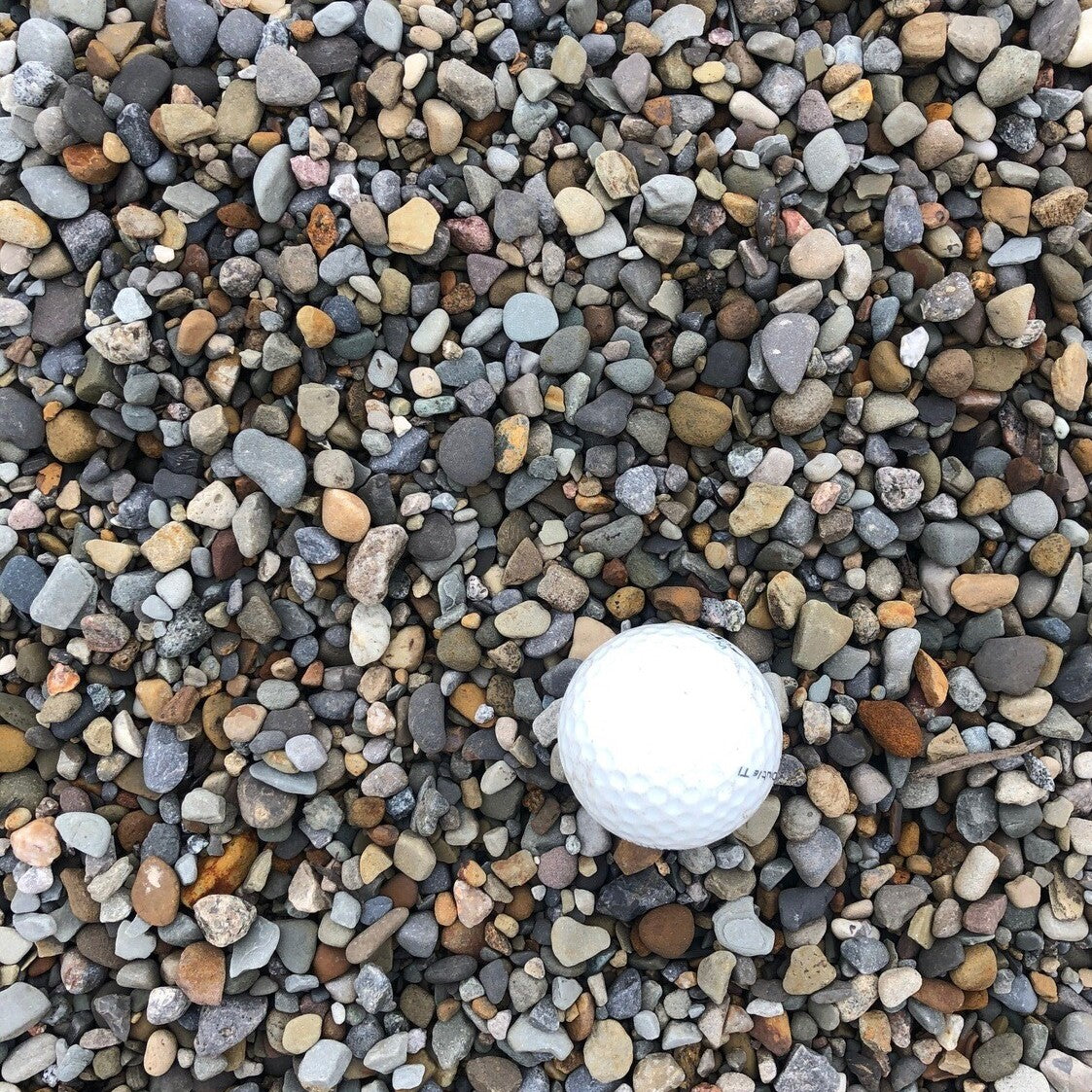
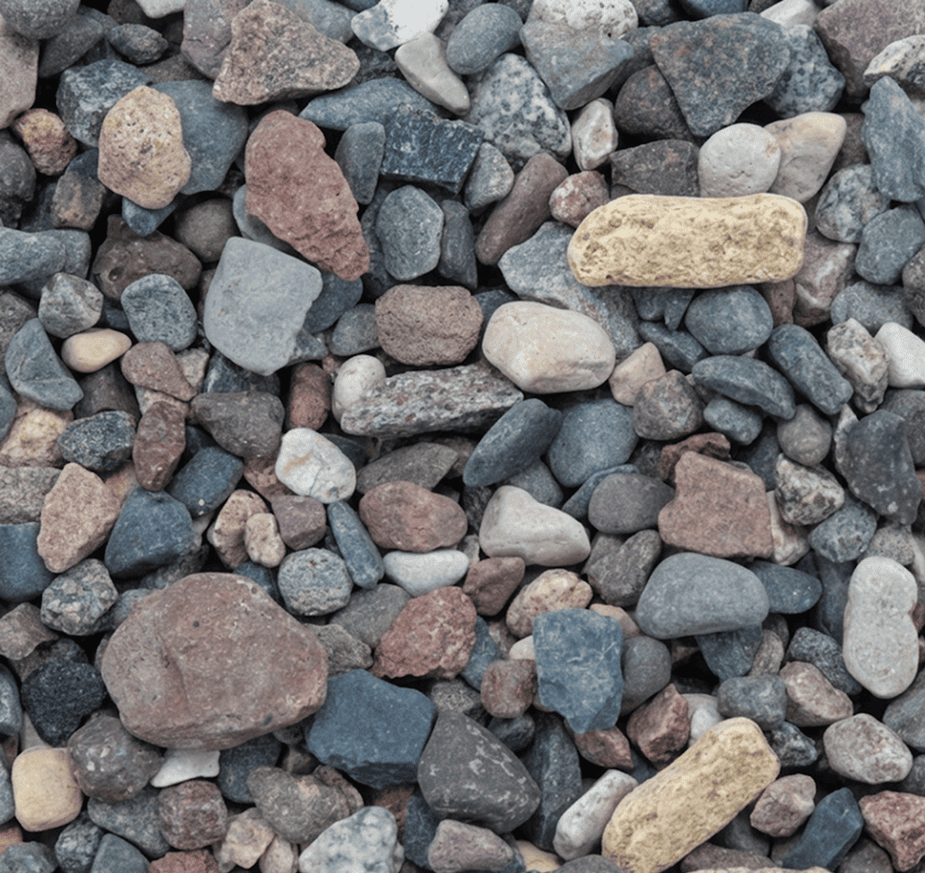
Smooth tumbled river rock, heavy enough to stay put in drainage runs and handsome enough for beds and borders.

Placing an order online was so easy. Delivery was on time. When the driver realized we had a newly poured driveway they erred on the side of caution and opted not ti drive in it. The company even sent me a message explaining that call. Would recommend!

One cubic yard of landscape rock covers about 162 square feet at a 2 inch depth, or a bit less if you go to 3 inches for better coverage over fabric. Measure your bed length by width, decide on depth based on how much weed and erosion protection you want, then divide the square footage by 162 to land on cubic yards. Most single-bed St. George projects run somewhere between 2 and 6 yards depending on size.

A yard is approximately 27 cubic feet. As a general guideline, one yard of material can cover an area of about 100-160 square feet at a 2-3 inch depth.

St. George Landscape Rock Delivery

St. George Landscape Rock Delivery

4.7
137 reviews
Regular price $132.00 per Yard
Regular price Sale price $132.00
Sale Sold out
Shipping calculated at checkout.
Type
Size
Minimum of 3 Yard
Hand-picked local yards
4,000+ regional deliveries
Dedicated support
Why order through Mulch Mound

The best local landscape rock, without the guesswork.

We hand-pick and partner with the best yards in your region, keep only the ones our buyers rate well, and back each load with our guarantee.

Mulch Mound Guarantee

If your landscape rock isn't the quantity or quality you ordered, we'll make it right.

About this landscape rock

Smooth tumbled river rock, heavy enough to stay put in drainage runs and handsome enough for beds and borders.

Placing an order online was so easy. Delivery was on time. When the driver realized we had a newly poured driveway they erred on the side of caution and opted not ti drive in it. The company even sent me a message explaining that call. Would recommend!

One cubic yard of landscape rock covers about 162 square feet at a 2 inch depth, or a bit less if you go to 3 inches for better coverage over fabric. Measure your bed length by width, decide on depth based on how much weed and erosion protection you want, then divide the square footage by 162 to land on cubic yards. Most single-bed St. George projects run somewhere between 2 and 6 yards depending on size.

A yard is approximately 27 cubic feet. As a general guideline, one yard of material can cover an area of about 100-160 square feet at a 2-3 inch depth.

View full details

How It Works

Getting started is easy — just follow these simple steps

1

Choose your quantity

Adjust the quantity to match your project. One cubic yard covers about 100 to 160 square feet at a 2 to 3 inch depth.

2

Select your delivery date

Select a delivery date you'd like for the product to be dropped off at your home

3

Sit back and wait

Sit back, wait, and let us work our magic to make sure the highest quality product is delivered to your driveway.

From The Mouths of St. George Folks

4.7
out of 5 based on 137 reviews
Google Reviews

Complete Your Outdoor Project

Landscape fabric goes down first to keep the rock from disappearing into sandy loam over time, and steel or aluminum edging keeps it from migrating onto walkways or driveways. Some St. George homeowners mix in a few boulders or a mulch accent bed for planted areas that still need organic matter, since rock and mulch can share a yard without sharing a bed.

Map of the landscape rock delivery area around St. George, Utah

Service area

Areas we deliver landscape rock in St. George, Utah

Mulch Mound Pro Tip

In St. George's sandy loam, skip skimping on fabric prep. Lay landscaping fabric with overlapped seams and pin it every couple feet, because loose seams let sand migrate up between the rocks over a few monsoon seasons, and then you are pulling rock to fix it. A properly pinned fabric layer is what actually makes this a decade-plus install instead of a five-year one.

Mulch Mound Pro Tip

The biggest mistake here is putting rock right up against stucco or foundation without a gap, because reflected heat off rock in our summers can bake siding and even stress nearby plant roots. Leave a few inches of clearance and consider a slightly larger stone size right along foundations, it drains better and holds up against reflected heat and occasional flash runoff.

Mulch Mound Pro Tip

Order a little more than your calculated yardage, an extra half yard or so, and keep it in a bucket or bin. Rock does not compost or break down, so a small reserve pile lets you patch spots after utility digs or downspout repairs years later without ordering a whole new delivery for a small fix.

Decorative Stone in St. George

Sandy loam drains fast here, which is exactly why so many St. George homeowners give up on turf and go with rock beds instead. With summer heat pushing soil temps way up and rainfall scarce outside the monsoon bursts, decorative rock over fabric holds its place without washing out or breaking down. It does not feed the sandy loam underneath, so keep it away from anything that wants organic matter, but for foundation borders and low-maintenance front yards it just sits there and works for years. Around Snow Canyon, plenty of homes lean into this look on purpose, matching the rock to the red and tan tones of the landscape.

What Landscape Rock Is

Landscape rock is stone chosen for how it looks as much as what it does. River rock is smooth and rounded, decomposed granite is fine and packs firm underfoot. Both are sold by the cubic yard for beds, borders, paths, and dry creek beds.

River Rock vs Decomposed Granite

River rock stays loose and rolls, so it suits beds, borders, and drainage runs where it can sit in place. Decomposed granite compacts into a firm surface, so it suits paths, patios, and anywhere you will walk or roll a wheelbarrow.

Depth and Coverage

Spread river rock 2 to 3 inches deep over landscape fabric so it stays put and weeds stay down. Lay decomposed granite 3 to 4 inches deep, wet it, and compact it in lifts for a surface that sheds water instead of rutting.

Frequently Asked Questions

Click a question to see the answer

Answer

Will landscape rock actually hold up in St. George heat and sun?

Yes, decorative rock does not fade, break down, or need replacing from heat and UV like mulch does. It is a strong fit for our 8b summers and low rainfall, since it will not wash out. The main issue is heat reflection near stucco or siding, so leave a small gap along foundations.

Answer

How many cubic yards do I need for a typical front yard bed?

One cubic yard covers about 162 square feet at a 2 inch depth. For a standard 300 to 400 square foot front bed, that usually lands between 2 and 2.5 yards at 2 inches, or closer to 3 yards if you want a deeper 3 inch layer for better fabric coverage and weed suppression.

Answer

When is the best time to install rock in St. George?

Cooler months work best for comfort, roughly November through March given our frost dates, since spreading rock in July heat is rough on both people and fabric adhesive. That said, this is not a seasonal material, so you can install anytime the ground is workable, it is a one time job either way.

Answer

Can your truck access a standard St. George driveway or do I need a special drop spot?

Most standard driveways and curb areas work fine for delivery. Let us know your access point at checkout, and clear a space roughly the size of a small car for the pile. If your property has narrow HOA streets or tight turns, mention it so we can plan the drop accordingly.

Answer

Should I choose rock or mulch for my beds in this climate?

It depends on the bed. Rock is the better call for foundation lines, downspout areas, and low-maintenance front yards since it lasts years without refreshing. Mulch still wins around plants and shrubs that benefit from organic matter breaking into the sandy loam, so many yards here end up using both in different zones.

More delivery around St. George, Utah

All St. George, Utah landscape supply
