First time going with this company for mulch and it was an efficient process from start to finish. Website was easy—I told them exactly where I wanted the mulch put on my driveway, and it was delivered perfectly when I got home from work the next day. Best deal around when I c...
Tell us what you're looking for
Thanks! We received your request.
Something went wrong. Please try again.
How Much Firewood Do I Need?
Most St. Louis households burning a few nights a week get through a half cord to a full cord across the winter, while daily wood heat users should plan on a full cord or slightly more to cover the region's long frost window.
What is a Cord?
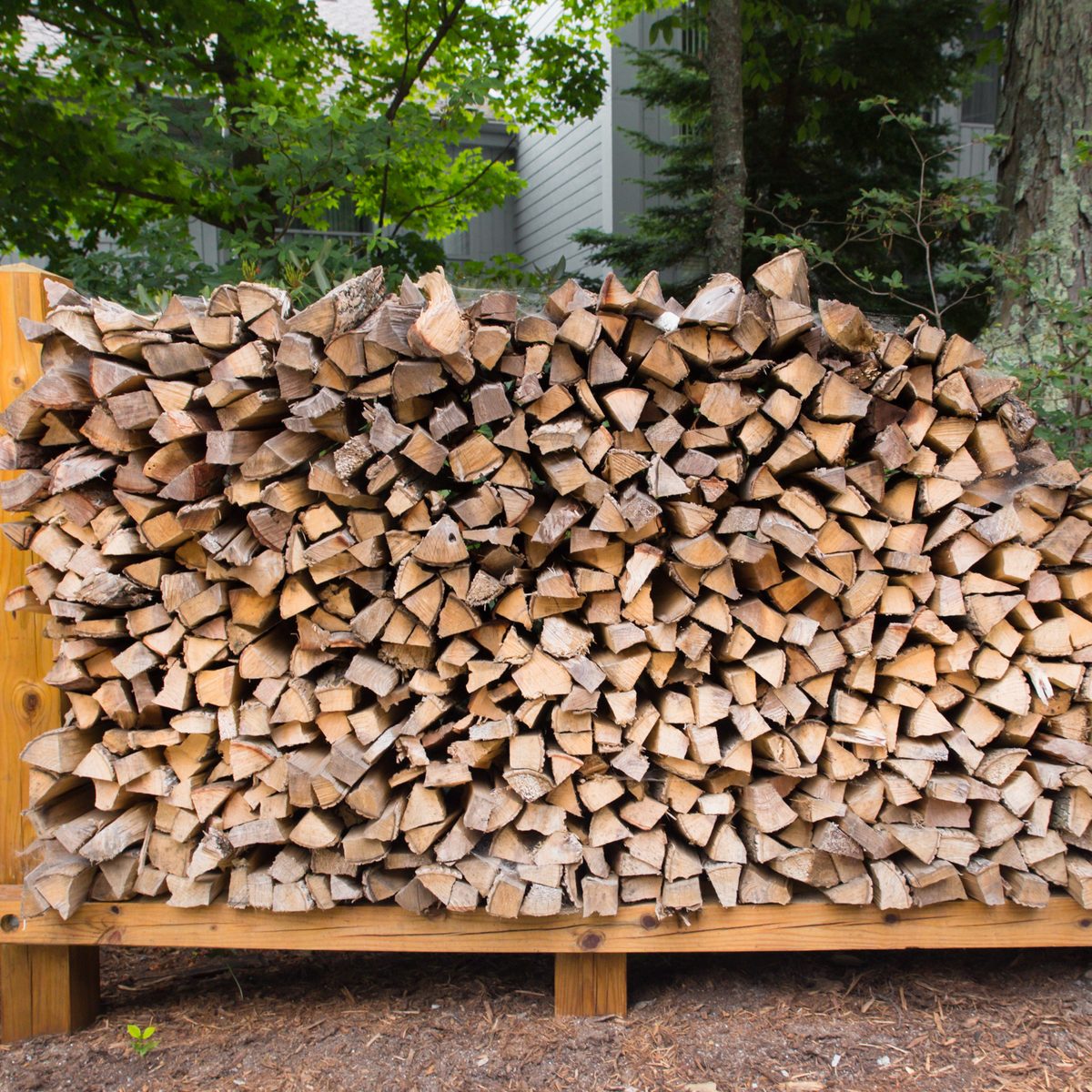
A full cord is a stacked pile of split firewood measuring 4 feet high by 4 feet deep by 8 feet long, about 128 cubic feet. Smaller sizes are the same stack at a quarter, half, or three quarters of that volume.
First time going with this company for mulch and it was an efficient process from start to finish. Website was easy—I told them exactly where I wanted the mulch put on my driveway, and it was delivered perfectly when I got home from work the next day. Best deal around when I c...
How Much Firewood Do I Need?
Most St. Louis households burning a few nights a week get through a half cord to a full cord across the winter, while daily wood heat users should plan on a full cord or slightly more to cover the region's long frost window.
What is a Cord?
A full cord is a stacked pile of split firewood measuring 4 feet high by 4 feet deep by 8 feet long, about 128 cubic feet. Smaller sizes are the same stack at a quarter, half, or three quarters of that volume.
First time going with this company for mulch and it was an efficient process from start to finish. Website was easy—I told them exactly where I wan...
Read full review
First time going with this company for mulch and it was an efficient process from start to finish. Website was easy—I told them exactly where I wanted the mulch put on my driveway, and it was delivered perfectly when I got home from work the next day. Best deal around when I compared it to competitors and I will definitely be becoming back.
Wonderful experience! They put the mulch exactly where we wanted. This mulch spread very easily and didn’t have the usual “mulch smell.” We will de...
Read full review
Wonderful experience! They put the mulch exactly where we wanted. This mulch spread very easily and didn’t have the usual “mulch smell.” We will definitely use again!
If you are already prepping your yard for winter, pair your firewood order with mulch or soil from our St. Louis regional page to protect garden beds through our clay heavy soil's freeze thaw cycles.
Stack your wood off the ground on a rack or pallets so air can move underneath, and keep it uncovered on the sides but covered on top, since St. Louis's humid summers and wet spring weather can cause covered, sealed piles to trap moisture and encourage mold. A spot with morning sun and afternoon airflow helps keep wood dry between deliveries and burns.
Mulch Mound Pro Tip
Oak and hickory take longer to catch than softer woods, so start fires with smaller kindling pieces and let the coal bed build before adding larger splits. Once established, these dense local hardwoods hold heat for hours, which is useful on the coldest St. Louis nights when you want a fire that lasts well past midnight without constant tending.
Mulch Mound Pro Tip
Order your firewood before the first hard frost, typically late October in St. Louis, rather than waiting until temperatures drop. Early season demand is lower, delivery windows are more flexible, and your wood has time to finish settling in your storage area before you actually need it burning steadily through the coldest months.
Wood Heat in St. Louis
St. Louis winters run from late October frost through mid April, which adds up to nearly six months where a wood stove or fireplace can see regular use. Our seasoned hardwood is dried down to a low moisture content before it ever reaches your driveway, which matters here because Missouri's humid summers can keep green wood damp and hard to light well into winter if it is not seasoned properly ahead of time. Local species like oak, hickory, and hard maple are common in our mix, all known for dense, long burning coals that suit a Midwest heating season. Buying wood that has already been through a proper seasoning cycle means less smoke, less creosote buildup, and a fire that actually throws heat instead of boiling off moisture. Because our supply comes from within the region, it is cut and split with St. Louis conditions in mind rather than shipped in from a drastically different climate.
Local Hardwood Species
Expect dense regional hardwoods like oak, hickory, maple, and ash. These species burn longer and hotter than softwoods, which is what you want when a cold snap settles in and the stove runs all day.
Seasoning and Moisture
Firewood needs 6 to 12 months of drying before it burns well. Properly seasoned wood lights faster, throws more heat, and keeps creosote out of your chimney, which matters most in the coldest weeks of the year.
Buy Local, Burn Local
Firewood that travels long distances spreads invasive pests like the emerald ash borer. Our wood is cut and seasoned close to where it is delivered, which protects local trees and means fresher wood for you.
Frequently Asked Questions
Click a question to see the answer
Answer
How much firewood do I actually need to get through a St. Louis winter?
For homeowners who burn a few nights a week from November through March, a half cord to a full cord is typical, while daily burners or those heating a larger portion of their home should plan closer to a full cord or more given our nearly six month cold stretch between the October and April frost dates.
Answer
What does seasoned firewood actually mean, and why does it matter here?
Seasoned means the wood has been dried for months after splitting until its internal moisture is low enough to burn cleanly, which is important in our region because Missouri's humid summers can slow natural drying and leave unseasoned wood smoky, hard to light, and prone to creosote buildup in chimneys.
Answer
What kind of wood will I actually get?
Our mix is sourced locally and typically includes oak, hickory, and hard maple, all common hardwoods around the St. Louis area known for dense burns and long lasting coals rather than fast, low heat fires.
Answer
Is this wood really cut near St. Louis, and does that matter?
Yes, we source locally rather than trucking wood in from other regions, which helps prevent the spread of pests like the emerald ash borer that have already impacted trees across the St. Louis area, since moving firewood long distances is one of the main ways these infestations travel.
Answer
How does delivery actually work?
We deliver your order loose to the driveway location you choose, and stacking is not included, so plan on having space cleared and a bit of time set aside to move it into your woodpile or storage rack.
Answer
What is the difference between a cord, a half cord, and a rick?
A full cord is a stack measuring 4 feet high by 4 feet deep by 8 feet long, totaling 128 cubic feet, while what many St. Louis area folks call a rick or face cord usually lines up close to our third cord or half cord sizing since it is typically only one log length deep instead of the full 4 foot depth of a true cord.
Answer
Are there any local rules about burning wood I should know about?
The St. Louis region occasionally issues air quality alerts during winter inversions, so it is worth checking local advisories on high pollution days and holding off on burning until conditions clear, both for air quality and to keep your fire drawing efficiently.
