




Good quality top soil and was delivered exactly where I wanted it. Nice Job!
About this soil
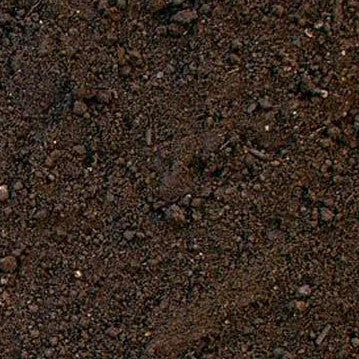
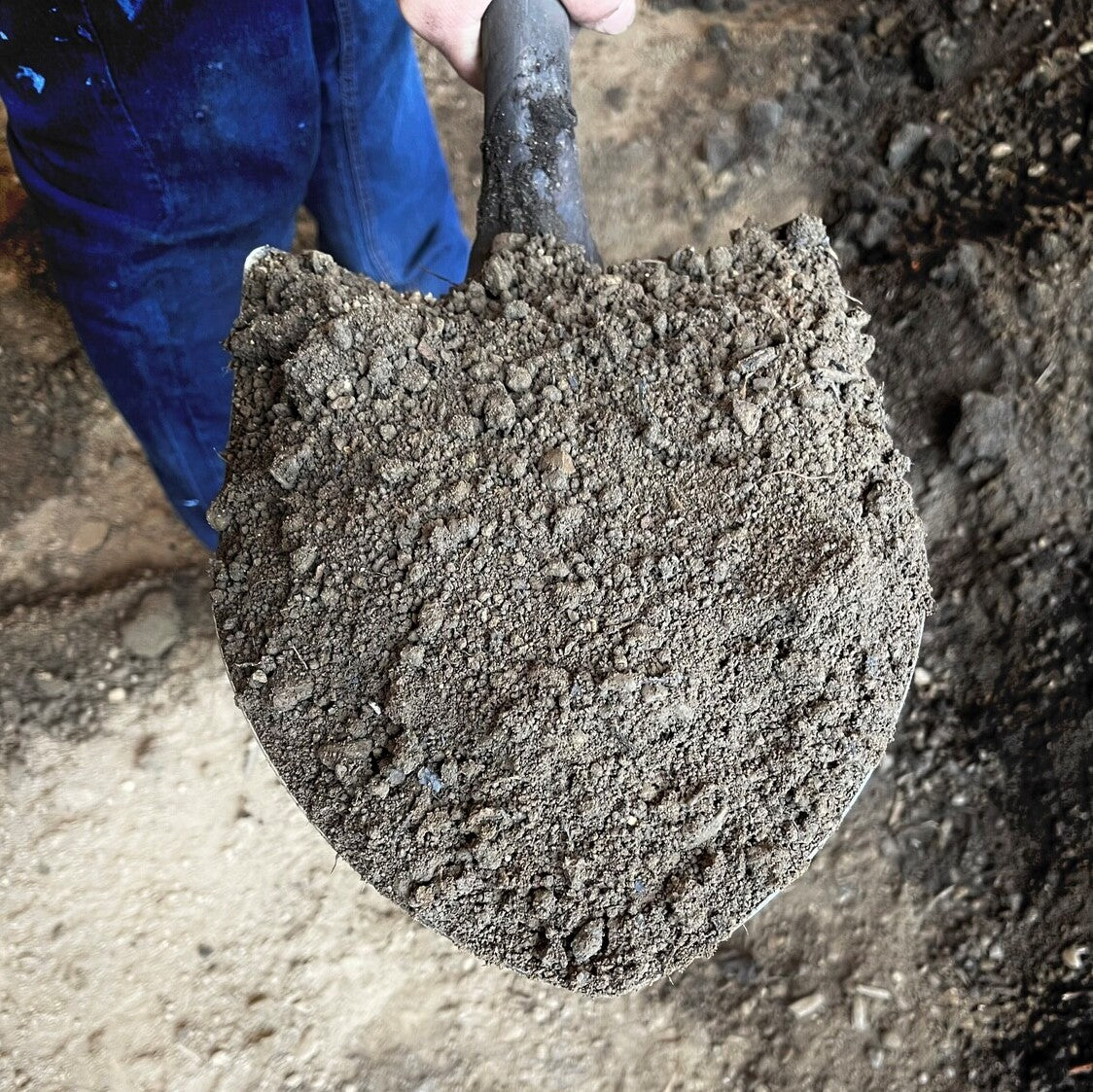
Screened topsoil with a fine, even texture. Ideal for new lawns, sod prep, and raised garden beds.
Good quality top soil and was delivered exactly where I wanted it. Nice Job!
Tell us what you're looking for
Thanks! We received your request.
Something went wrong. Please try again.
How Much Material Do I Need?
How Much Material Do I Need?
Plan on twelve inches of mix for raised vegetable beds and four to six inches of topsoil tilled into existing sand for in ground planting beds. For lawn leveling, keep any single application under one inch so you do not smother existing grass.
Use our free soil calculator
What is a Yard?
What is a Yard?
FAQs
FAQs
St. Petersburg Soil Delivery
St. Petersburg Soil Delivery
Regular price
$64.00
per
Yard
Regular price
Sale price
$64.00
Unit price
per
Shipping calculated at checkout.
Minimum of 3 Yard
Couldn't load pickup availability
Not currently available
We can't take orders for this right now. Tell us what you need and we'll get back to you.
Hand-picked local yards
4,000+ regional deliveries
Dedicated support
Why order through Mulch Mound
The best local , without the guesswork.
We hand-pick and partner with the best yards in your region, keep only the ones our buyers rate well, and back each load with our guarantee.
Mulch Mound Guarantee
If your isn't the quantity or quality you ordered, we'll make it right.
About this soil
Screened topsoil with a fine, even texture. Ideal for new lawns, sod prep, and raised garden beds.
Good quality top soil and was delivered exactly where I wanted it. Nice Job!
How Much Material Do I Need?
How Much Material Do I Need?
Plan on twelve inches of mix for raised vegetable beds and four to six inches of topsoil tilled into existing sand for in ground planting beds. For lawn leveling, keep any single application under one inch so you do not smother existing grass.
Use our free soil calculator
What is a Yard?
What is a Yard?
FAQs
FAQs
Tell us what you're looking for
Thanks! We received your request.
Something went wrong. Please try again.
How It Works
Getting started is easy — just follow these simple steps
1
Choose your soil
Make sure you adjust the quantity to your home's needs. You can use our calculator to estimate how much you'll need.
2
Select your delivery date
Select a delivery date you'd like for the product to be dropped off at your home
3
Sit back and wait
Sit back, wait, and let us work our magic to make sure the highest quality product is delivered to your driveway.

Online ordering was really simple and I liked the transparent pricing.

Easy to order, great service, and great product. We enjoy the final look of a very neglected beds we inherited!
Need Help Calculating How Much Soil You Need?
Use our NEW Trace from Satellite tool to get an estimate for your project based on an aerial view of your property
Try Our CalculatorFor raised beds, measure interior length, width, and the fill depth you want in inches, then convert to cubic yards in the calculator. For leveling low spots, which are common on the flat, low lying lots around St. Petersburg, estimate average depth rather than the deepest point. Add about ten percent to your total to account for settling after the first heavy rains.
Complete Your Outdoor Soil Project
Finish new soil with three inches of mulch to hold moisture in place, and consider compost to blend into the sand below for lasting structure. Edging and a starter fertilizer help the whole bed establish faster.
Service area
Areas we deliver soil in St. Petersburg, Florida
Mulch Mound Pro Tip
Blend, do not just layer. Dumping four inches of rich soil directly on top of St. Petersburg sand creates a sharp texture boundary, and water tends to perch in the good layer and then rush through the sand below. Turn the new soil into the top three or four inches of native sand with a fork or tiller. That transition zone lets roots move down instead of circling in the imported layer.
Mulch Mound Pro Tip
Respect the water table. Much of St. Petersburg sits barely above sea level, and in the wet season groundwater can be only a couple of feet down in some neighborhoods. If your yard puddles for hours after a storm, build up rather than dig down. Raising planting areas six to twelve inches with imported soil keeps roots out of saturated ground and prevents the root rot that ruins so many local shrub plantings.
Mulch Mound Pro Tip
Feed the soil on a schedule, not just at planting. Sandy soil combined with 51 inches of rain means nutrients leach out constantly, so a single spring application will be long gone by August. Top dress beds with half an inch of compost two or three times a year and use slow release fertilizer instead of quick feeding products. Over time organic matter builds up and the sand actually starts holding onto what you add.
The Unique Landscape of St. Petersburg
Native St. Petersburg ground is fine marine sand, often with shell fragments mixed in, and it holds almost no water or nutrients on its own. Bringing in quality topsoil or garden mix is usually the difference between a raised bed that produces and one that dries out by noon. Because the peninsula sits at just 36 feet of elevation and much of it far lower, soil work here is also about grade, keeping water moving away from slabs during our summer downpours. Local sand tends toward alkaline because of all that shell content, so blending in compost rich soil helps buffer pH for acid loving plants like gardenias and blueberries. With no frost date to work around, you can build beds and plant in any month, which makes soil delivery a year round project in this city.