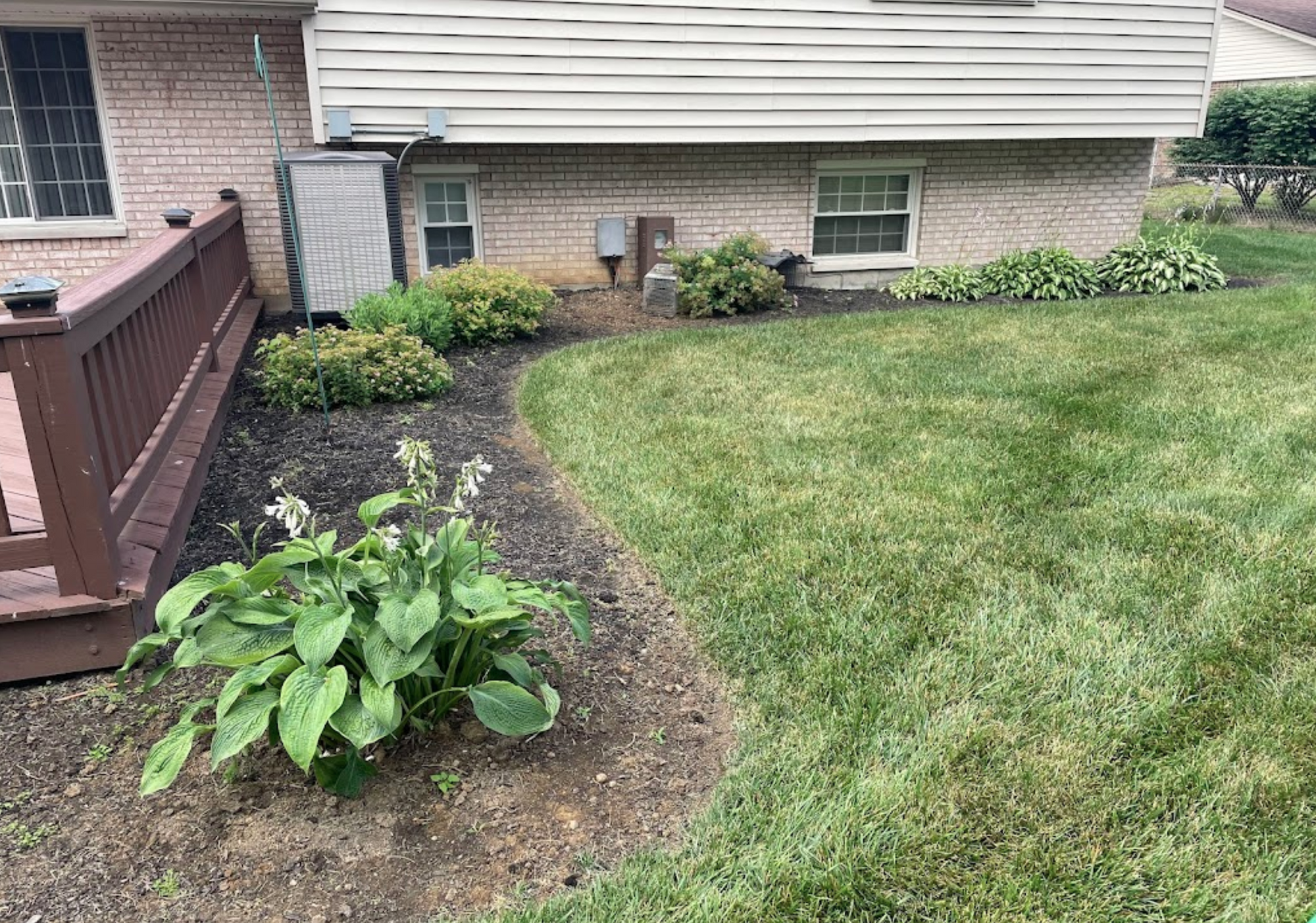
The Unique Landscape of Sterling Heights
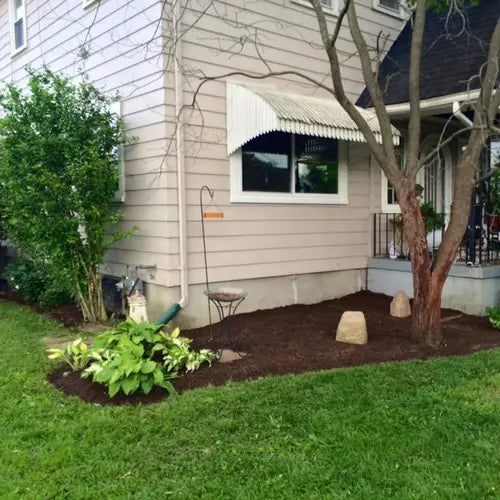
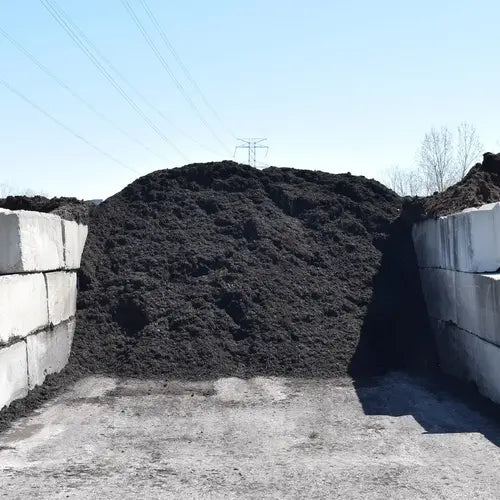
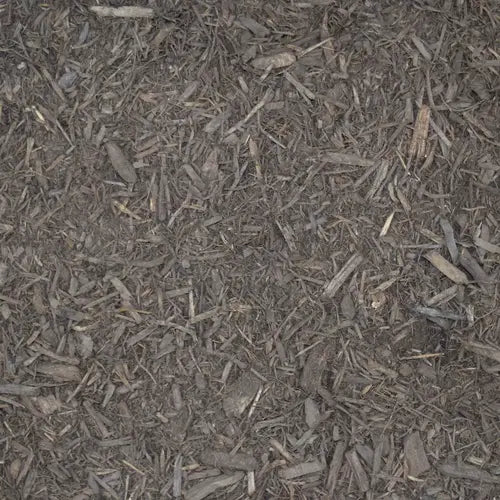
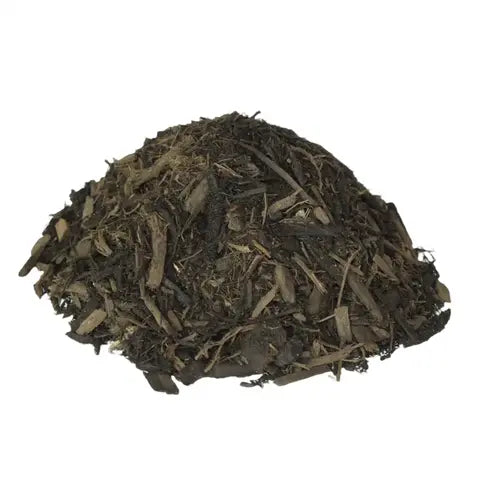
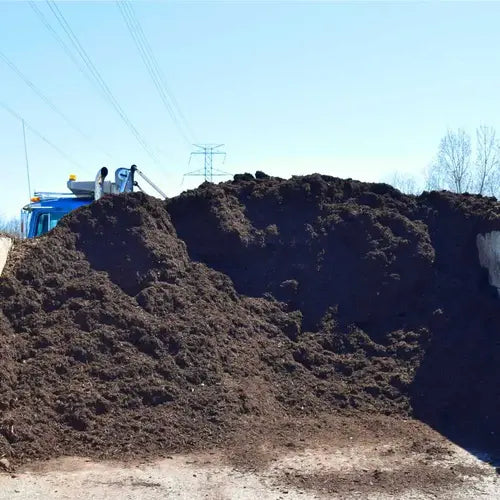
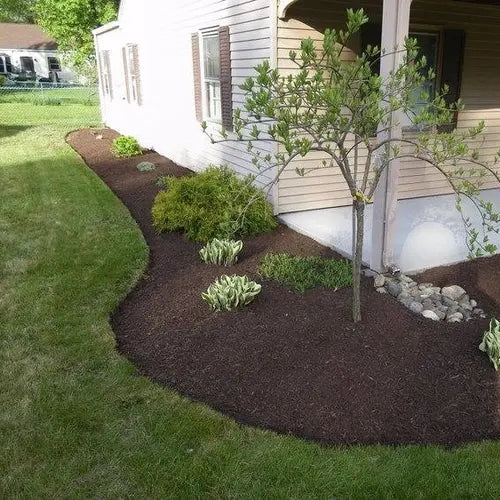
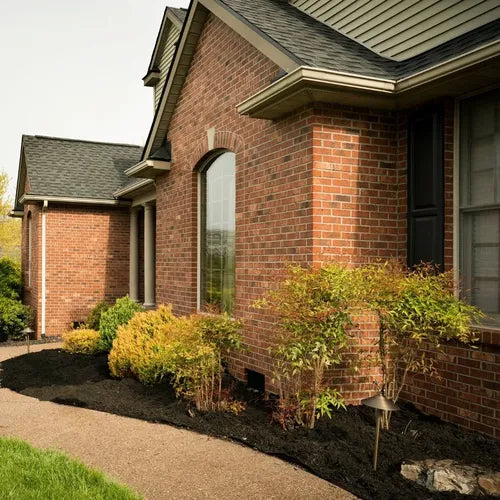
Sterling Heights sits on heavy clay loam left behind by glacial lake deposits, and that soil bakes into a crust every August and stays soggy every April. Mulch is the buffer that keeps those swings from reaching plant roots, holding moisture through the dry stretch between June and late August when the city only sees a few inches of rain. With roughly 34 inches of annual precipitation and a Zone 6b winter, beds along Van Dyke, Dodge Park, and the Clinton River corridor face freeze and thaw cycles that heave shallow-rooted perennials right out of the ground. A steady mulch layer moderates soil temperature so that heaving slows down between the October 10 first frost and the May 3 last frost. It also keeps clay from splashing onto siding and hardscape during the heavy spring rains that Macomb County gets in April and May. For most Sterling Heights yards, mulch is the single cheapest fix for the two biggest local problems, compacted clay and inconsistent moisture.