About this soil

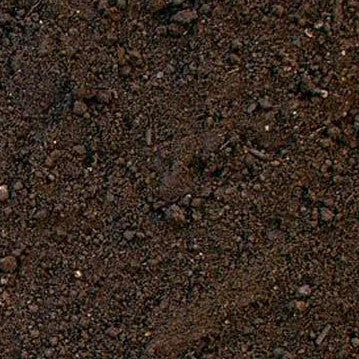
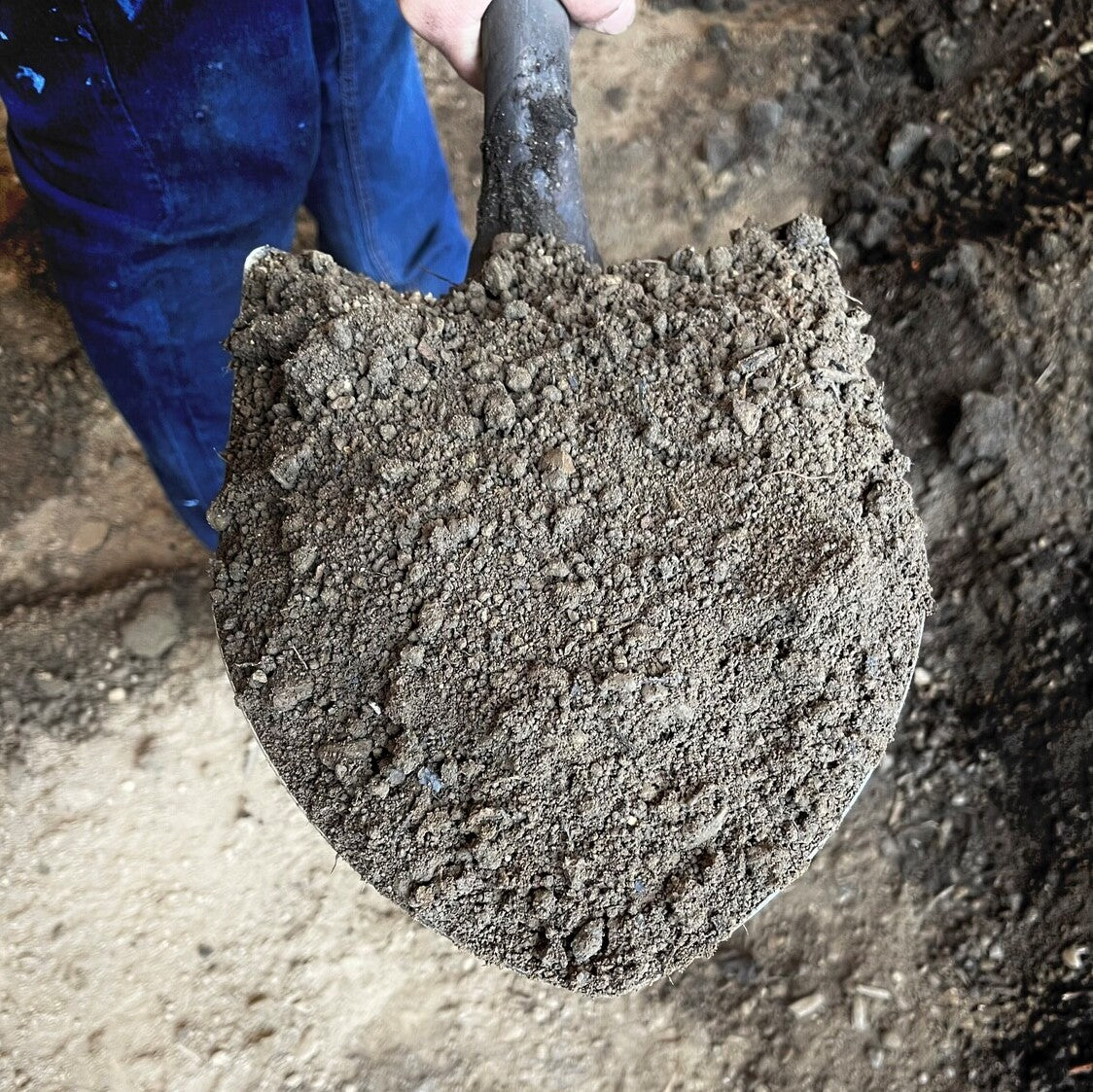
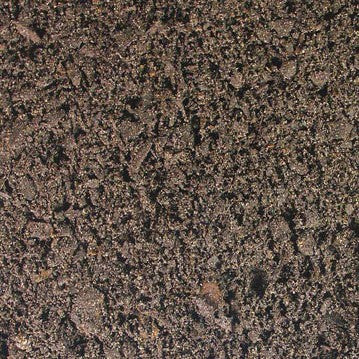
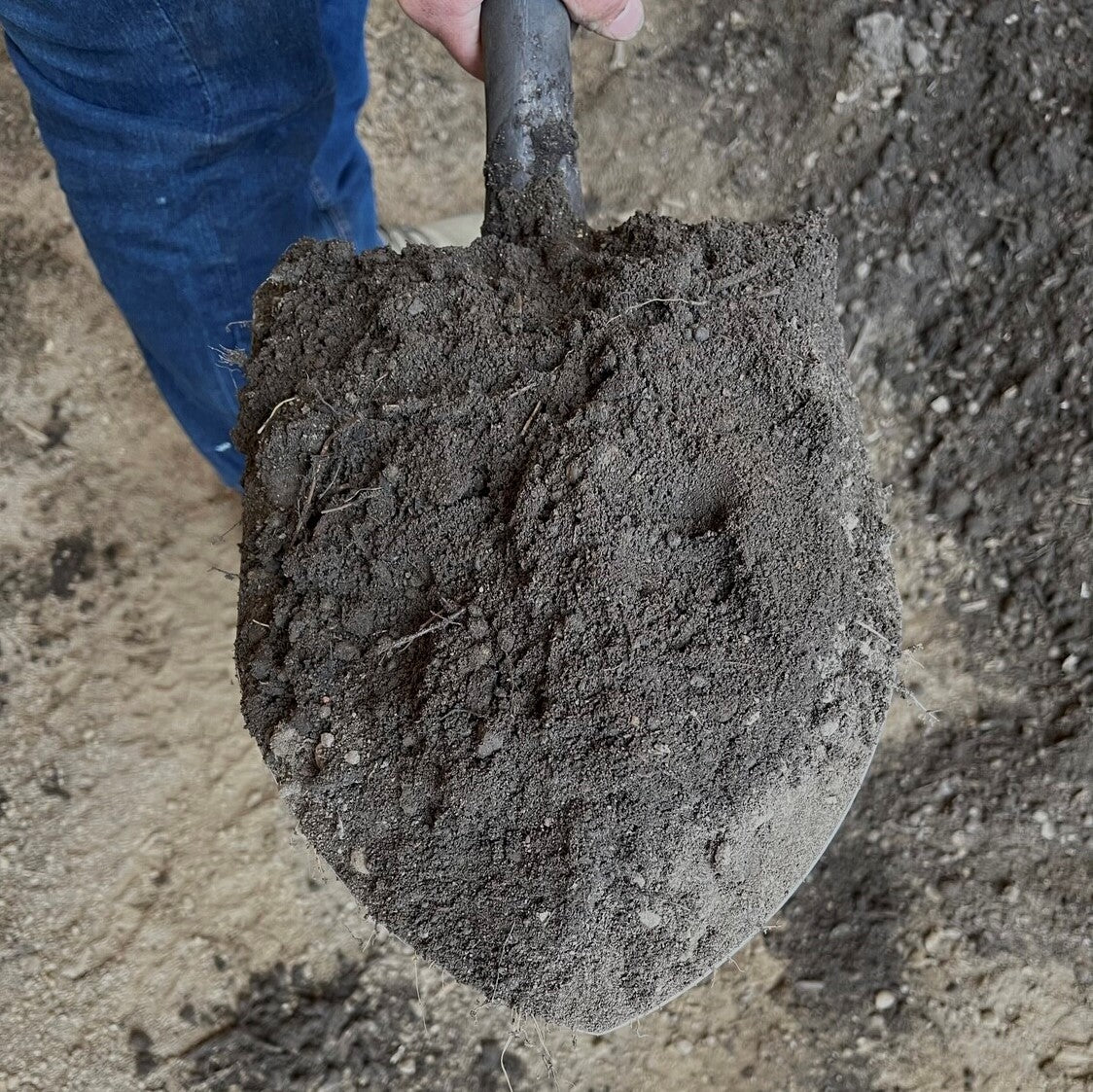
Screened topsoil with a fine, even texture. Ideal for new lawns, sod prep, and raised garden beds.

Ordered the planting mix with an early Saturday delivery. Super easy ordering experience. Dirt was delivered on time and delivery driver was kind enough to let us know I would take up more room than we though so we could pull cars out of the garage. Will be ordering again

Plan four to six inches of quality soil for new planting beds over Sterling Heights clay, eight to twelve inches for raised vegetable beds, and no more than half an inch when top dressing an existing lawn. Order five to ten percent extra to account for settling.
Use our free soil calculator

A yard is approximately 27 cubic feet. As a general guideline, one yard of material can cover an area of about 100-160 square feet at a 2-3 inch depth.

Sterling Heights Soil Delivery

Sterling Heights Soil Delivery

4.7
137 reviews
Regular price $55.00 per Yard
Regular price Sale price $55.00
Sale Sold out
Shipping calculated at checkout.
Type
Style
Hand-picked local yards
4,000+ regional deliveries
Dedicated support
Why order through Mulch Mound

The best local , without the guesswork.

We hand-pick and partner with the best yards in your region, keep only the ones our buyers rate well, and back each load with our guarantee.

Mulch Mound Guarantee

If your isn't the quantity or quality you ordered, we'll make it right.

About this soil

Screened topsoil with a fine, even texture. Ideal for new lawns, sod prep, and raised garden beds.

Ordered the planting mix with an early Saturday delivery. Super easy ordering experience. Dirt was delivered on time and delivery driver was kind enough to let us know I would take up more room than we though so we could pull cars out of the garage. Will be ordering again

Plan four to six inches of quality soil for new planting beds over Sterling Heights clay, eight to twelve inches for raised vegetable beds, and no more than half an inch when top dressing an existing lawn. Order five to ten percent extra to account for settling.
Use our free soil calculator

A yard is approximately 27 cubic feet. As a general guideline, one yard of material can cover an area of about 100-160 square feet at a 2-3 inch depth.

View full details

How It Works

Getting started is easy — just follow these simple steps

1

Choose your soil

Make sure you adjust the quantity to your home's needs. You can use our calculator to estimate how much you'll need.

2

Select your delivery date

Select a delivery date you'd like for the product to be dropped off at your home

3

Sit back and wait

Sit back, wait, and let us work our magic to make sure the highest quality product is delivered to your driveway.

What Sterling Heights Customers Like About Our Soil

4.7
out of 5 based on 137 reviews
Google Reviews

Need Help Calculating How Much Soil You Need?

Use our NEW Trace from Satellite tool to get an estimate for your project based on an aerial view of your property

Try Our Calculator
📍

Measure the area in feet and decide on your fill depth before running the numbers, since soil projects are driven by depth more than footprint. For irregular beds, break the shape into rectangles and add the pieces together. One cubic yard covers about 100 square feet at three inches deep or 50 square feet at six inches.

Complete Your Outdoor Soil Project

Add compost to blend into the clay before you spread, and finish the job with hardwood mulch to hold moisture in the new soil through the dry August stretch. Grass seed or sod pairs naturally with any lawn repair or regrade.

Frequently Asked Questions

Click a question to see the answer

Answer

Why is the soil in my Sterling Heights yard so hard to dig?

You are hitting clay loam, the dominant soil across Macomb County. It has fine particles that pack tightly, especially after construction equipment has driven over it. Once it dries in July and August it sets up like concrete. Adding three to four inches of compost blended topsoil and working it in is the practical fix for beds and gardens.

Answer

How much topsoil do I need to level low spots in my lawn?

Keep top dressing to half an inch or less over existing turf so the grass can grow through. For deeper settling near a Sterling Heights foundation or over an old stump, fill in two inch lifts and let each one settle with a rain before adding more. Trying to fill four inches at once just smothers the lawn.

Answer

When is the best time to bring in soil for a new garden bed here?

Mid to late May after the May 3 average last frost is prime time, once the clay has dried enough to work without smearing. Early September is a strong second window, since soil placed then settles ahead of the October 10 first frost and is ready to plant the following spring.

Answer

Should I use straight topsoil or a compost blend for my vegetable garden?

For vegetables in Sterling Heights, a blend beats straight topsoil. Screened topsoil alone still carries clay characteristics and will crust over after our heavy May rains. Mixing in compost at roughly one part compost to three parts topsoil keeps the bed loose, feeds the plants, and improves drainage through the wet spring stretch.

Answer

Can I just add soil on top of my clay instead of tilling it in?

Layering works for raised beds but not for in ground planting. If you set loose soil directly on unbroken Sterling Heights clay you create an interface that water perches on, and the bed stays waterlogged after every storm. Break up the top four to six inches of clay and blend the new soil into it so roots and water move through.

Answer

Will new topsoil help my drainage problem near the house?

It helps if you use it to build grade. Many Sterling Heights homes have settled backfill that now slopes toward the foundation. Adding soil to reestablish a fall of six inches over the first ten feet moves water away. Adding soil without fixing the slope just gives the water a new place to sit.

Answer

How many yards of soil fit in a pickup truck?

Not many. A cubic yard of moist topsoil weighs roughly 2000 to 2400 pounds, so a half ton pickup is at its limit with a single yard. Most Sterling Heights projects need three to ten yards, which is why bulk delivery to the driveway costs less and saves your suspension.

Mulch Mound Pro Tip

Never work Sterling Heights clay loam when it is wet. Grab a handful and squeeze it. If it forms a slick ribbon that holds together, walk away and wait two or three dry days. Tilling or shoveling wet clay destroys its structure and creates hard clods that can take a full season to break down. Dry crumbly clay that falls apart in your hand is ready to amend.

Mulch Mound Pro Tip

Build raised beds instead of fighting the clay. In Sterling Heights, a bed framed eight to twelve inches above grade and filled with blended topsoil sidesteps the drainage problem entirely and warms up two weeks earlier in spring. That extra warmth matters when your season runs from a May 3 last frost to October 10. Loosen the clay underneath first so roots can eventually push down.

Mulch Mound Pro Tip

Do not skip the compost. Screened topsoil delivered anywhere in Macomb County still carries local clay traits, and mixing in compost at about one quarter by volume is what turns it into something plants thrive in. Compost adds pore space, feeds soil biology, and buffers the moisture swings between our rainy Aprils and dry Augusts. It is the cheapest performance upgrade you can make to any soil order.

The Unique Landscape of Sterling Heights

The native ground under Sterling Heights is clay loam, dense enough that a shovel bounces off it in August and sticky enough to hold water in a bootprint through April. New construction across the city compounds the problem, since grading equipment strips the topsoil and leaves builders spreading a thin skim of soil over compacted subgrade. Bringing in quality screened topsoil and compost is how homeowners here actually get roots deeper than a few inches. With about 34 inches of rain a year and a Zone 6b season running from the May 3 last frost to the October 10 first frost, plants need soil that can hold moisture without turning to soup. Blended topsoil also fixes the settling and low spots that show up along foundations and around downspouts after a couple of Michigan winters. Good soil is the one investment that makes every other landscape purchase work harder.