




Ordered Dirt. Received Dirt. Would Buy Again.
About this soil
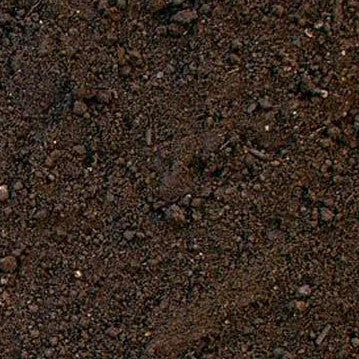
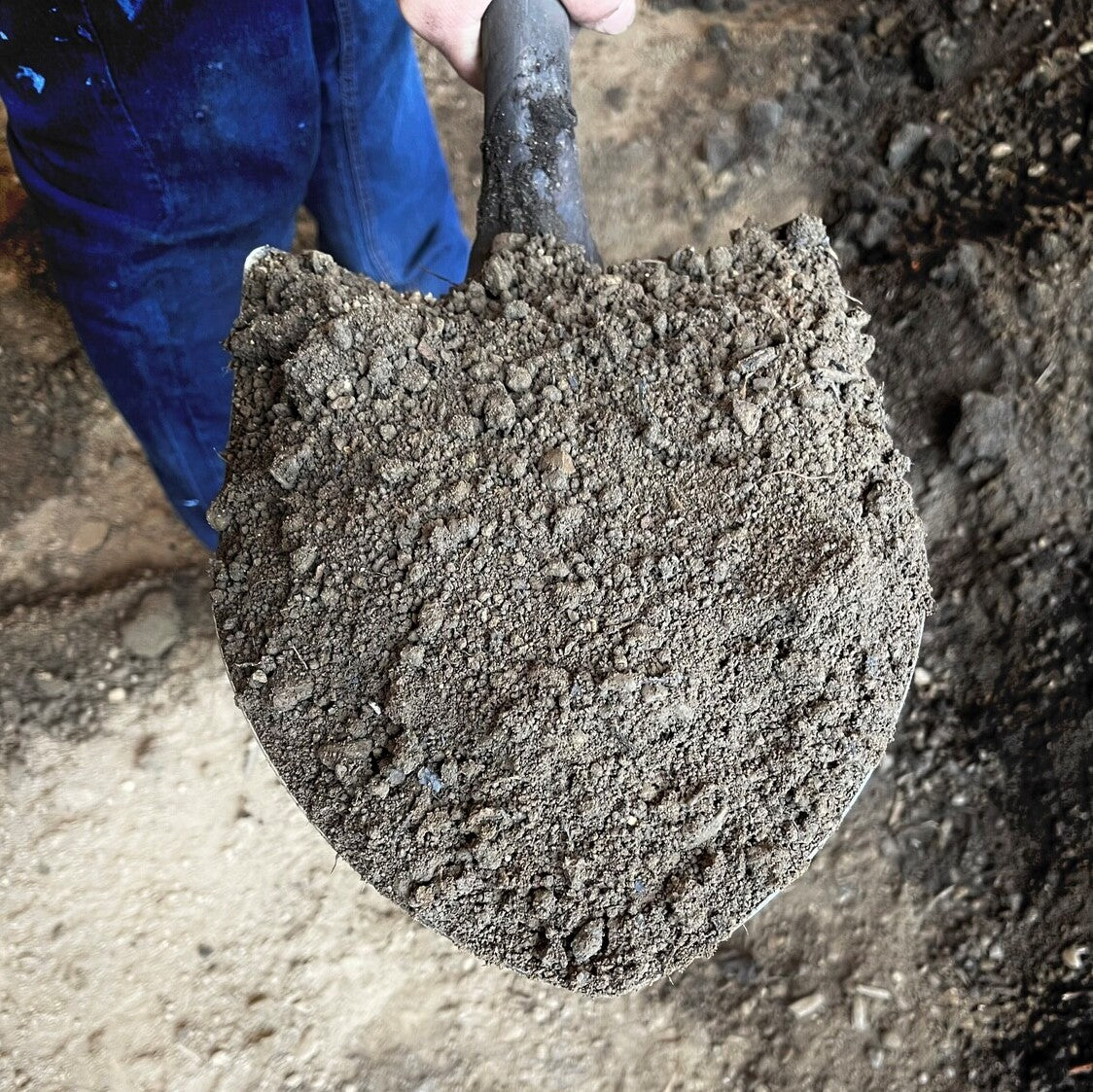
Screened topsoil with a fine, even texture. Ideal for new lawns, sod prep, and raised garden beds.
Ordered Dirt. Received Dirt. Would Buy Again.
Tell us what you're looking for
Thanks! We received your request.
Something went wrong. Please try again.
How Much Material Do I Need?
How Much Material Do I Need?
Most Stillwater planting bed projects call for two to four inches of added soil worked into the existing clay loam, while new raised beds or heavily compacted areas may need six or more inches to create a functional root zone. For lawn leveling, a thin application of one inch or less is standard and enough to smooth minor grade variations without smothering existing turf.
Use our free soil calculator
What is a Yard?
What is a Yard?
FAQs
FAQs
Stillwater Soil Delivery
Stillwater Soil Delivery
Regular price
$64.00
per
Yard
Regular price
Sale price
$64.00
Unit price
per
Shipping calculated at checkout.
Minimum of 3 Yard
Couldn't load pickup availability
Not currently available
We can't take orders for this right now. Tell us what you need and we'll get back to you.
Hand-picked local yards
4,000+ regional deliveries
Dedicated support
Why order through Mulch Mound
The best local , without the guesswork.
We hand-pick and partner with the best yards in your region, keep only the ones our buyers rate well, and back each load with our guarantee.
Mulch Mound Guarantee
If your isn't the quantity or quality you ordered, we'll make it right.
About this soil
Screened topsoil with a fine, even texture. Ideal for new lawns, sod prep, and raised garden beds.
Ordered Dirt. Received Dirt. Would Buy Again.
How Much Material Do I Need?
How Much Material Do I Need?
Most Stillwater planting bed projects call for two to four inches of added soil worked into the existing clay loam, while new raised beds or heavily compacted areas may need six or more inches to create a functional root zone. For lawn leveling, a thin application of one inch or less is standard and enough to smooth minor grade variations without smothering existing turf.
Use our free soil calculator
What is a Yard?
What is a Yard?
FAQs
FAQs
Tell us what you're looking for
Thanks! We received your request.
Something went wrong. Please try again.

How It Works
Getting started is easy — just follow these simple steps
1
Choose your soil
Make sure you adjust the quantity to your home's needs. You can use our calculator to estimate how much you'll need.
2
Select your delivery date
Select a delivery date you'd like for the product to be dropped off at your home
3
Sit back and wait
Sit back, wait, and let us work our magic to make sure the highest quality product is delivered to your driveway.


Placing an order online was so easy. Delivery was on time. When the driver realized we had a newly poured driveway they erred on the side of cautio...
Read full review
Placing an order online was so easy. Delivery was on time. When the driver realized we had a newly poured driveway they erred on the side of caution and opted not ti drive in it. The company even sent me a message explaining that call. Would recommend!
Need Help Calculating How Much Soil You Need?
Use our NEW Trace from Satellite tool to get an estimate for your project based on an aerial view of your property
Try Our CalculatorFor soil projects, measure the length and width of your area in feet and decide on your target depth, which is typically two to four inches for bed top-dressing or six inches for new bed construction. Multiply those three numbers together to get cubic feet, then divide by 27 to find cubic yards. Stillwater projects that involve filling raised beds or grading around foundations often need more material than homeowners first estimate, so rounding up by half a cubic yard is rarely a mistake.
Complete Your Outdoor Soil Project
A soil delivery pairs naturally with a mulch order to protect your newly improved beds from Stillwater's summer heat and prevent surface crusting on freshly placed topsoil. Consider adding a stone or gravel product if your project includes pathways or border edging to frame the beds you are building.
Mulch Mound Pro Tip
Stillwater clay loam has a tendency to form a hard layer about six to eight inches below the surface called a claypan, and this layer stops roots and water cold. When you bring in bulk topsoil for a new bed, do not stop at surface spreading. Rent a tiller and break through that claypan layer before adding your imported soil, then till the new soil into the top several inches of native clay. This creates a gradual transition that roots can navigate rather than a sharp barrier they bounce off.
Mulch Mound Pro Tip
Timing soil deliveries to arrive during a dry weather window is especially smart in Stillwater, where spring rain can show up fast and make freshly delivered soil difficult to spread and grade. Check the weekly forecast before ordering and aim for a stretch with at least three to four dry days after delivery. Working wet clay loam into new topsoil creates a sticky, cloddy mess that is hard to smooth and can actually compact both materials together rather than blending them properly.
Mulch Mound Pro Tip
If you are building garden beds near Stillwater's older residential neighborhoods where soil has been compacted by decades of foot traffic and mowing, do not just add topsoil on top and call it done. Aerate or loosen the existing soil first with a fork or aerator, then add your bulk topsoil and work it in. This step is especially important in Stillwater neighborhoods where mature tree roots and compacted clay have been competing for years, leaving beds that drain poorly even after new soil is added.
The Unique Landscape of Stillwater
Stillwater's native clay loam soil is both a strength and a challenge for local gardeners and landscapers. On the positive side, clay loam holds nutrients and moisture better than sandy soils, which means plants are not starved between rain events. The problem is that Stillwater clay compacts under foot traffic and heavy rain, forming a dense layer that blocks root penetration and causes standing water in low spots. With Payne County receiving around 35 inches of rain per year concentrated in spring and early summer, poorly structured soil turns yards and garden beds into muddy messes for weeks at a time. Adding quality topsoil or a blended garden soil helps homeowners create planting environments that drain properly, support healthy roots, and make the most of Stillwater's long growing season between the last frost in mid-April and the first frost in late October. Whether you are building a raised bed, leveling a lawn, or starting a new landscape from scratch, imported soil is often the fastest path to results in Stillwater.