We needed mulch for our HOA common areas. Local providers were all holding high prices even for 40 yards of mulch. Mulch mound was easy to wowith & has great price for natural mulch + delivery schedule options. They called before delivery to ensure Delivery was exactly wher...
Tell us what you're looking for
Thanks! We received your request.
Something went wrong. Please try again.
How Much Material Do I Need?
For most Texarkana landscape beds, apply mulch at a depth of 3 inches to adequately suppress weeds and slow evaporation through the hot summer months. Tree rings and newly planted areas benefit from a slightly deeper 4-inch layer to give roots extra insulation.
Use our free mulch calculator
What is a yard?
A yard is approximately 27 cubic feet. As a general guideline, one yard of material can cover an area of about 100-160 square feet at a 2-3 inch depth.
We needed mulch for our HOA common areas. Local providers were all holding high prices even for 40 yards of mulch. Mulch mound was easy to wowith & has great price for natural mulch + delivery schedule options. They called before delivery to ensure Delivery was exactly wher...
How Much Material Do I Need?
For most Texarkana landscape beds, apply mulch at a depth of 3 inches to adequately suppress weeds and slow evaporation through the hot summer months. Tree rings and newly planted areas benefit from a slightly deeper 4-inch layer to give roots extra insulation.
Use our free mulch calculator
What is a yard?
A yard is approximately 27 cubic feet. As a general guideline, one yard of material can cover an area of about 100-160 square feet at a 2-3 inch depth.
We needed mulch for our HOA common areas. Local providers were all holding high prices even for 40 yards of mulch. Mulch mound was easy to wowith...
Read full review
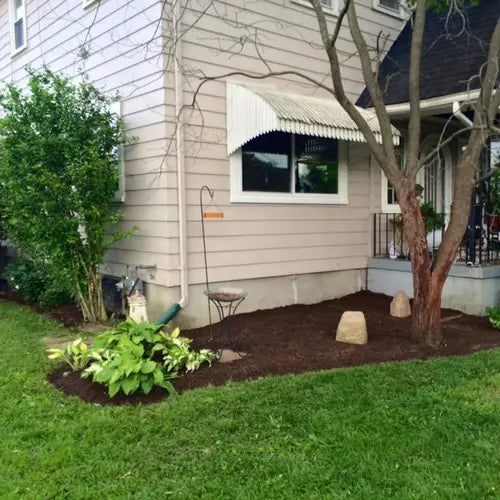
We needed mulch for our HOA common areas. Local providers were all holding high prices even for 40 yards of mulch. Mulch mound was easy to wowith & has great price for natural mulch + delivery schedule options. They called before delivery to ensure Delivery was exactly where we wanted it.
Delivery was on time and great quality Mulch. Got it done in a reasonable time and yard looks great. Couldn’t be happier!!! Thank you and will us...
Read full review
Delivery was on time and great quality Mulch. Got it done in a reasonable time and yard looks great. Couldn’t be happier!!! Thank you and will use again!!
Mulch Mound delivered a yard of pea gravel to us. Delivery was on time, driver was friendly and hit a bullseye on the “tarp target”. We used the ...
Read full review
Mulch Mound delivered a yard of pea gravel to us. Delivery was on time, driver was friendly and hit a bullseye on the “tarp target”. We used the pea gravel (which was diameter as specified) to fill several muskrat holes around our pond. I would definitely recommend Mulch Mound to a friend!
Measure the length and width of each bed in feet, then multiply those numbers together to get square footage. Add up all your individual bed areas before plugging the total into the calculator along with your desired depth, typically 3 inches for Texarkana beds where sandy loam soil dries quickly. Rounding up by half a cubic yard gives you a small buffer for uneven spots and avoids a second delivery.
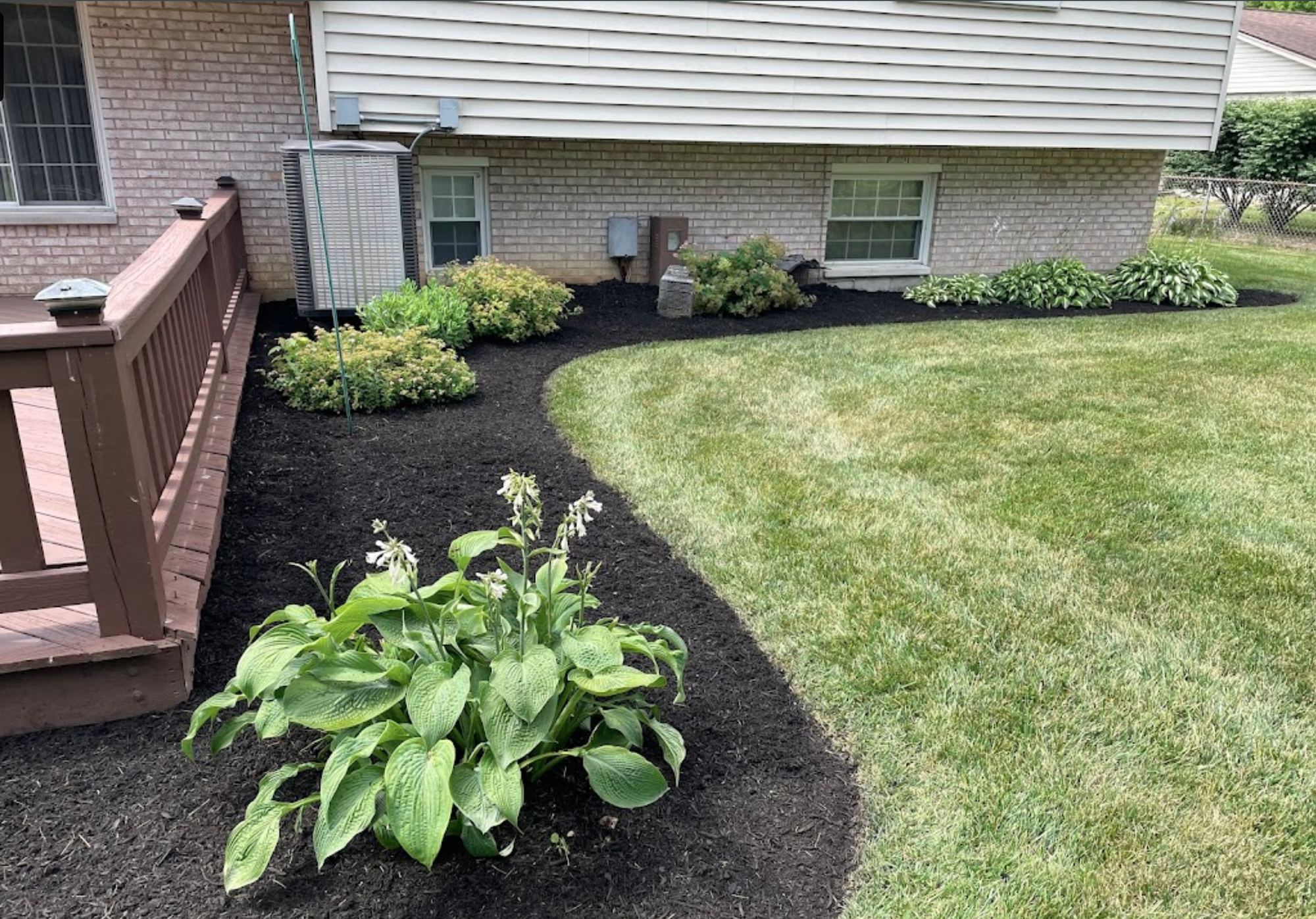
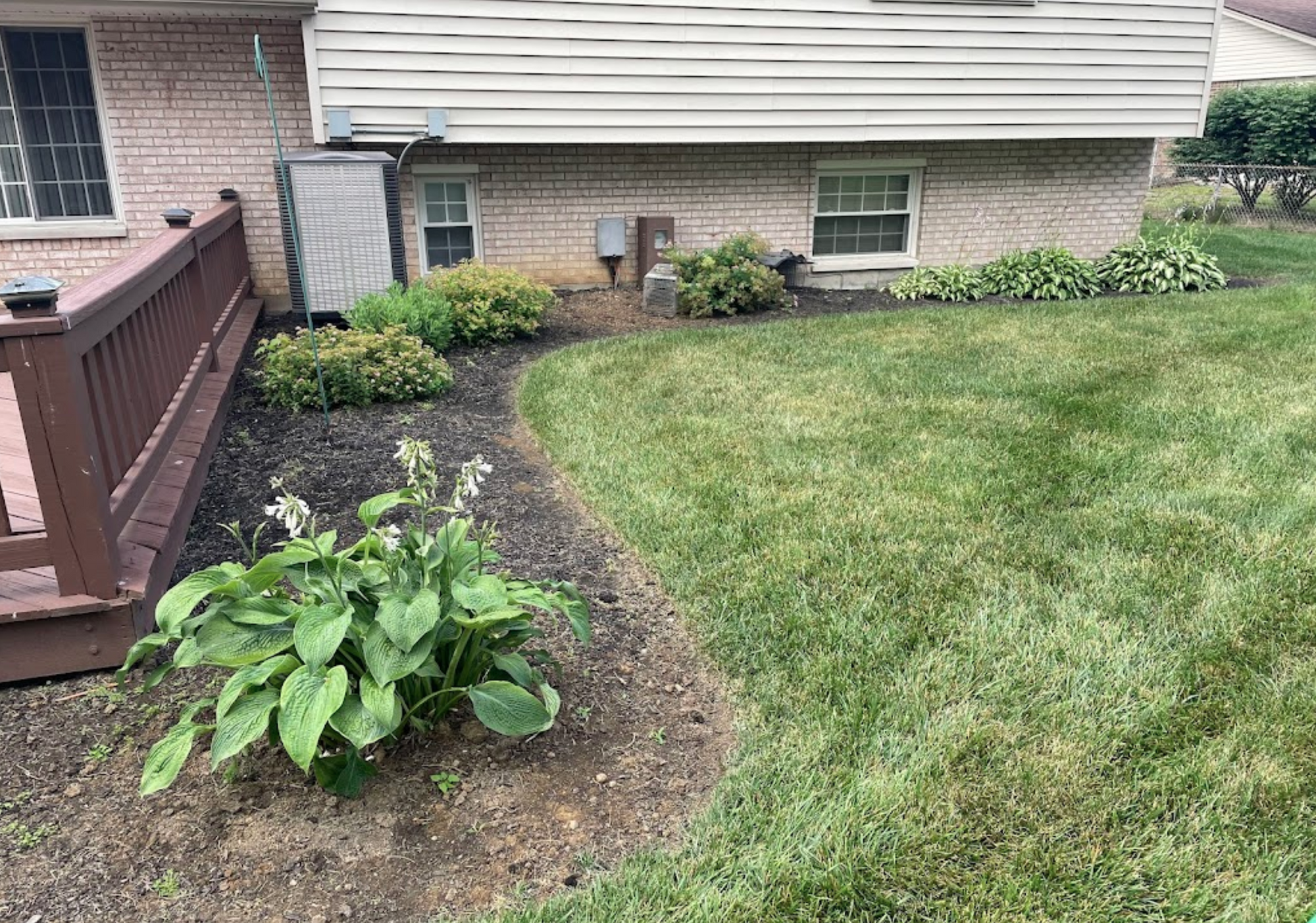
Mulch vs. No Mulch: The Difference
Texarkana's combination of zone 8b heat, high humidity, and nearly 4 feet of annual rainfall creates conditions where organic mulch breaks down noticeably faster than it would in cooler climates to the north. That decomposition is not all bad news because it feeds soil microbes and slowly improves the structure of sandy loam soil over time, but it does mean homeowners need to plan on annual top-offs to maintain effective depth. Choosing the right mulch type up front helps you balance longevity against soil-building benefits based on what your specific beds need most.
Before
After
Best Mulch Choice for Texarkana Lawns
Most yards in the Texarkana area sit on type of soil. Texarkana's sandy loam soil has excellent drainage but holds onto nutrients and moisture poorly on its own, which means plants in unprotected beds can show stress quickly during dry summer weeks. Organic mulches that break down gradually release carbon and organic matter into that sandy loam, slowly improving its water-holding capacity season after season.
Hardwood Mulch
Hardwood mulch is one of the most practical choices for Texarkana sandy loam because as it decomposes it contributes humus that binds sandy particles together and increases the soil's ability to retain both moisture and nutrients. Over two to three seasons of consistent hardwood mulch application, many Texarkana gardeners notice noticeably healthier root systems and reduced watering needs as their sandy loam gradually improves in texture and fertility.
Complete Your Outdoor Mulch Project
Pairing a fresh mulch installation with a quality garden soil amendment underneath creates a layered system that works especially well in Texarkana's fast-draining sandy loam. Consider adding a border of decorative stone edging to keep mulch contained and give your beds a clean, finished look.
Before spreading new mulch in spring, pull back any remaining old material and check for compaction just below the surface. Texarkana's summer heat and rainfall cycles can pack the bottom layer of mulch into a crust that actually repels water rather than absorbing it. Lightly raking or aerating that base layer before adding fresh mulch on top ensures moisture continues to move freely down into the root zone where your plants need it most.
Mulch Mound Pro Tip
Time your mulch delivery to arrive within a few days of your last spring frost, which in Texarkana typically falls around March 31. Applying mulch while soil temperatures are still rising traps that warmth and gives heat-loving summer annuals and perennials a head start. Waiting too long into April and May means mulching already-hot soil, which is still beneficial but misses the window where mulch does its best work regulating temperature swings.
Mulch Mound Pro Tip
Color-treated mulches hold their appearance much longer under Texarkana's intense summer sun than natural mulches do. If curb appeal is a priority, a dyed hardwood mulch in brown or black can stay visually fresh for a full season without a mid-summer touchup. Just confirm the colorant is water-based and non-toxic before applying near vegetable gardens or areas where children and pets spend time.
Frequently Asked Questions
Click a question to see the answer
Answer
How often should I replace mulch in Texarkana given our hot summers?
In Texarkana's zone 8b climate, hardwood mulch typically breaks down within 12 to 18 months because the heat and humidity accelerate decomposition. Plan to top off your beds every spring, around late March or early April after the last frost, with an inch or two of fresh material to maintain the full recommended depth.
Answer
My soil is sandy loam and everything dries out fast. Will mulch actually help?
Yes, this is actually where mulch makes the biggest difference in Texarkana. Sandy loam drains well, which is great for root health, but it also means moisture escapes quickly during dry stretches. A 3-inch layer of hardwood mulch can cut surface evaporation by 25 to 50 percent, giving your plants access to water longer between rain events or irrigation cycles.
Answer
Is there a mulch type that works best for the pine trees and azaleas common in our area?
Pine straw or pine bark mulch is an excellent match for azaleas and other acid-loving plants that thrive in the Ark-La-Tex region. These materials slowly acidify the soil as they break down, which complements Texarkana's naturally moderate soil pH and keeps azaleas, gardenias, and camellias performing their best.
Answer
We get some pretty hard summer rainstorms. Will mulch wash out of my sloped beds?
With Texarkana averaging 48 inches of rain per year and frequent summer downpours, slope wash is a real concern. Shredded hardwood mulch interlocks as it settles and resists displacement much better than nugget-style mulches. For beds with a noticeable grade, stick with shredded hardwood and apply it at a full 3 to 4 inches to anchor it effectively.
Answer
When is the best time to mulch in Texarkana?
The two best windows are early April, right after the last frost date of March 31 when soil is warming up, and late October before the first frost around November 14. Spring mulching conserves soil moisture heading into summer and suppresses weeds during peak growing season. Fall mulching insulates root systems through Texarkana's occasional cold snaps and gives beds a clean look going into winter.
Answer
How much mulch do I actually need for an average Texarkana front yard bed?
A typical front foundation bed in Texarkana might run 200 to 300 square feet. At a 3-inch application depth, that translates to roughly 2 to 3 cubic yards of mulch. Our online calculator makes it easy to plug in your dimensions and get an accurate number so you order just what you need without running short or overpaying.
Answer
Can I mulch right up against my house foundation with all the moisture we get here?
It is best to keep mulch 2 to 3 inches away from your foundation and any wood siding. Texarkana's rainfall and humidity create conditions where mulch pressed directly against a structure can trap moisture against wood or brick and invite termite activity. Pull the mulch back slightly near the foundation and slope it gently away for good drainage.
The Unique Landscape of Texarkana
Texarkana sits in growing zone 8b, which means long, hot summers and mild winters that keep landscape beds active for most of the year. With nearly 48 inches of annual rainfall and sandy loam soil that drains quickly, plant beds here lose moisture fast and need help retaining what rain does fall. A good layer of mulch slows that evaporation, keeping roots cooler during the brutal July and August heat that regularly pushes past 95 degrees. Texarkana's last frost typically falls around March 31, giving gardeners an early window to refresh mulch before spring planting kicks into full gear. Because the growing season stretches from early April all the way to mid-November, mulch is doing protective work across a longer window than in colder climates. Investing in quality bulk mulch means fewer watering days, healthier soil biology, and beds that look polished from spring blooms through fall color.