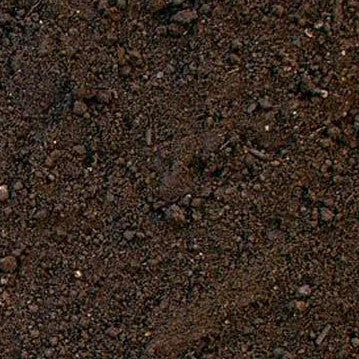
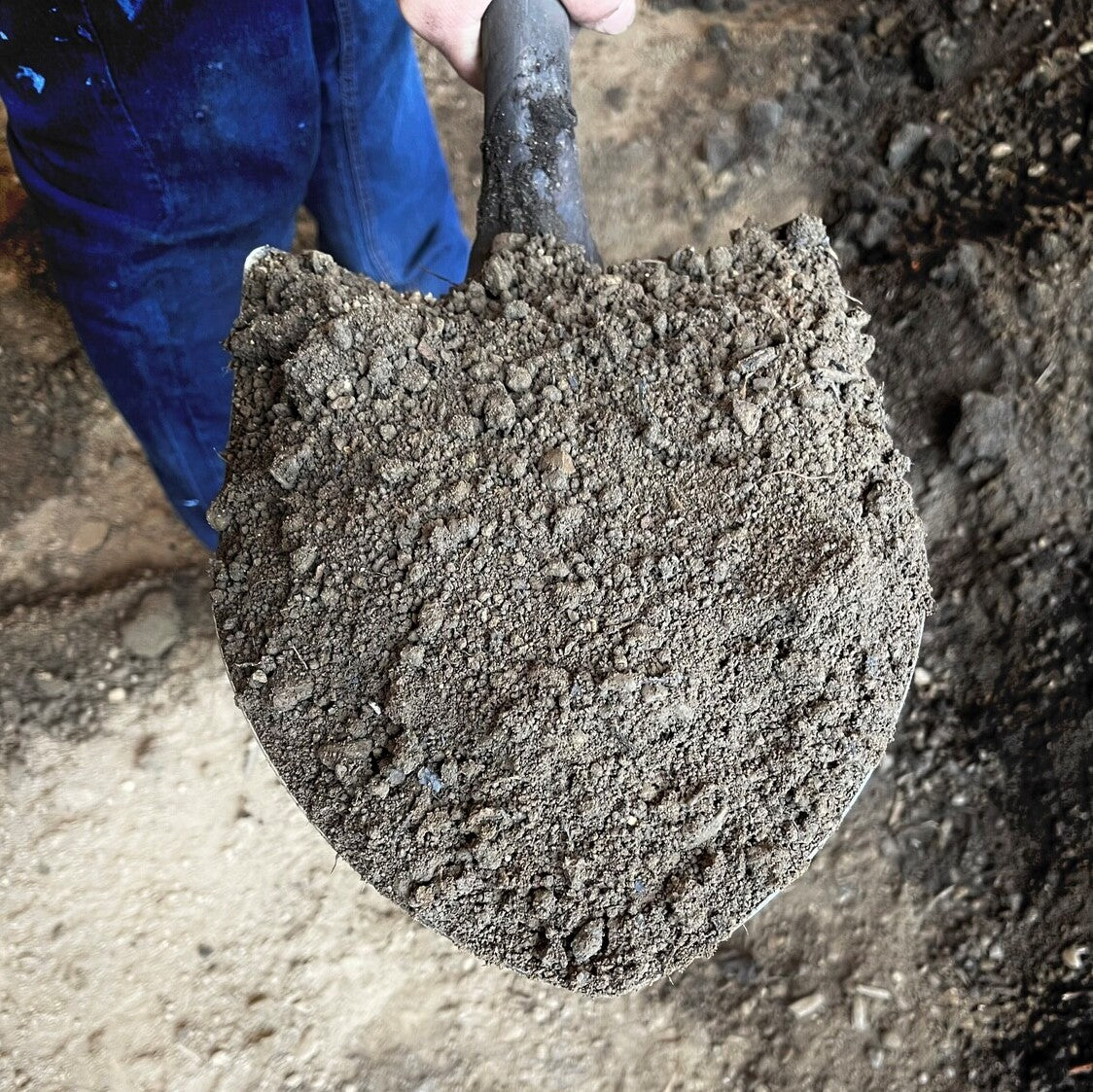
We ordered 3 yards of the garden soil, delivered mext day. We used in raised beds 6x3x2. It was more than needed for both but the soil looked good! I added some perlite to add some drainage since this is a little dense.
Tell us what you're looking for
Thanks! We received your request.
Something went wrong. Please try again.
How Much Material Do I Need?
For new garden beds in Traverse City's sandy soil conditions, plan on a minimum of 6 inches of quality imported soil to get meaningful results in the first growing season. Lawn leveling or topdressing projects typically require 1 to 2 inches depending on the severity of the low spots.
Use our free soil calculator
What is a Yard?
A yard is approximately 27 cubic feet. As a general guideline, one yard of material can cover an area of about 100-160 square feet at a 2-3 inch depth.
We ordered 3 yards of the garden soil, delivered mext day. We used in raised beds 6x3x2. It was more than needed for both but the soil looked good! I added some perlite to add some drainage since this is a little dense.
How Much Material Do I Need?
For new garden beds in Traverse City's sandy soil conditions, plan on a minimum of 6 inches of quality imported soil to get meaningful results in the first growing season. Lawn leveling or topdressing projects typically require 1 to 2 inches depending on the severity of the low spots.
Use our free soil calculator
What is a Yard?
A yard is approximately 27 cubic feet. As a general guideline, one yard of material can cover an area of about 100-160 square feet at a 2-3 inch depth.
We ordered 3 yards of the garden soil, delivered mext day. We used in raised beds 6x3x2. It was more than needed for both but the soil looked good!...
Read full review
We ordered 3 yards of the garden soil, delivered mext day. We used in raised beds 6x3x2. It was more than needed for both but the soil looked good! I added some perlite to add some drainage since this is a little dense.
For a new garden bed, measure the length, width, and desired depth in feet and multiply all three together, then divide by 27 to convert cubic feet to cubic yards. A 10 by 20 foot bed filled 6 inches deep needs about 3.7 cubic yards of soil. In Traverse City where properties often have multiple project areas, it is worth measuring each zone separately and ordering for everything at once to save on delivery.
Complete Your Outdoor Soil Project
After your soil is in place, finishing your beds with a layer of hardwood mulch will lock in moisture and protect your investment through summer dry spells and winter freeze-thaw cycles. Our mulch options pair perfectly with any soil order.
Frequently Asked Questions
Click a question to see the answer
Answer
My yard is almost pure sand. How much imported soil do I actually need to see a real difference?
For a lawn situation, incorporating 3 to 4 inches of quality topsoil mixed into the top 6 inches of your existing sand can produce noticeable improvements in grass performance within one full growing season. For garden beds, a 6-inch layer of amended garden soil on top of your native sand, tilled together, gives most vegetables and perennials enough root zone to thrive. Going thinner than that in sandy Traverse City soil tends to produce disappointing results.
Answer
Can I use bulk soil to level out my lawn? Parts of it have settled and become uneven over the years.
Yes, screened topsoil is great for lawn leveling and it is a very common use in Traverse City where frost heaving and erosion from winter snowmelt can create low spots over time. Apply no more than half an inch to an inch at a time over existing grass so you do not smother it. For deeper depressions, fill with topsoil, let it settle for a week, then seed and lightly topdress.
Answer
I want to start a vegetable garden this year. What kind of soil should I order?
A garden mix or compost-blended topsoil is your best bet for a new vegetable garden in Traverse City. Our growing season runs from late May to early October, which is tight enough that your plants need nutrient-rich, well-draining soil to hit the ground running. Look for a mix that contains organic compost to give your tomatoes, squash, and greens the fertility they need without relying entirely on synthetic fertilizers.
Answer
Does it make sense to add bulk soil before seeding a new lawn in fall?
Fall seeding is actually one of the best approaches in Traverse City because soil temperatures stay warm enough for germination through September even as air temps cool off. Laying topsoil before seeding gives grass seed a better medium to root into than our native sand alone. Aim to seed before October 1st so new grass has time to establish before your first frost, which typically arrives around October 15th.
Answer
How is your topsoil different from just buying bags of soil from a hardware store?
Bulk topsoil delivered by the cubic yard is far more economical for any project larger than a few square feet and it tends to be less processed than bagged products. Bagged soils often contain a lot of peat or filler that can actually repel water when it dries out, which is the last thing you want in already fast-draining sandy ground. Our bulk soils are sourced locally and screened for quality, making them a practical choice for the scale of projects most Traverse City homeowners actually face.
Answer
We have a lot of deer pressure in our neighborhood. Will better soil actually help my plants survive deer browsing?
Stronger soil leads to stronger plants, and while no soil is deer-proof, well-fed plants with robust root systems recover from deer browsing significantly better than stressed plants growing in nutrient-poor sand. A plant that has access to good soil can push out new growth more quickly after being nibbled. Pair quality soil with deer-resistant plant selections and you will have a much better outcome in areas of Traverse City where deer are a constant issue.
Answer
I am building a new raised garden bed. Should I fill it entirely with bulk soil or mix it with something?
For a raised bed, blending bulk garden soil with compost at roughly a 60 to 40 ratio gives you excellent structure and fertility. If your raised bed is deeper than 12 inches, you can fill the bottom half with screened topsoil and reserve your richer garden mix for the top 12 inches where most root activity happens. This approach keeps costs reasonable while still giving your plants the productive root zone they need throughout Traverse City's growing season.
Mulch Mound Pro Tip
Traverse City gardeners often order soil in spring as soon as the ground thaws, but placing your delivery a week or two after soils have dried out from snowmelt means you will not be working in muddy conditions. Our sandy soil dries faster than clay-heavy regions, so mid-May is usually a great window to get soil delivered, worked in, and ready for planting just after the May 22nd last frost date.
Mulch Mound Pro Tip
If you are improving an existing planting area rather than building a new bed, renting a tiller to incorporate your imported soil into the top 8 inches of native sand will produce far better results than simply layering it on top. Soil stratification, where layers of different textures sit on top of each other without mixing, can actually cause drainage problems. Blending gives plant roots a continuous path through consistent, workable soil.
Mulch Mound Pro Tip
When ordering soil for a lawn project near the bay side of Traverse City, keep in mind that low-lying areas near water can hold more moisture than you expect, especially in spring. In those zones, a soil with slightly more sand content than a pure garden mix will prevent soggy conditions that stress turfgrass roots. Match your soil choice to the drainage behavior of your specific site rather than ordering the same product everywhere on your property.
The Unique Landscape of Traverse City
Traverse City's native sandy soil is excellent for drainage but it holds almost no nutrients and dries out fast during the warm dry stretches that hit northwest Michigan in July and August. If you have ever planted a garden and watched it struggle despite regular watering, the soil is almost always the underlying cause. Importing quality topsoil or compost-rich garden soil fills the gaps that sandy glacial deposits simply cannot provide on their own. Growing Zone 6a means our season is short, running from roughly late May to mid-October, so your plants need soil that supports rapid establishment from day one. Whether you are raising new garden beds, seeding a lawn, or grading a new landscape area, the soil you bring in sets the ceiling for everything that grows above it.