I highly recommend Mulch Mound. The quality of the mulch is very good. The ordering system on their website makes it very easy. The delivery driver did a great job placing the mulch on the driveway. To finish off, the pricing was very reasonable as well.
Tell us what you're looking for
Thanks! We received your request.
Something went wrong. Please try again.
How Much Material Do I Need?
Plan for 3 inches of mulch depth across all planting beds in Villanova to offset the moisture loss and compaction that comes with the region's high annual rainfall. One cubic yard covers approximately 108 square feet at that depth.
Use our free mulch calculator
What is a yard?
A yard is approximately 27 cubic feet. As a general guideline, one yard of material can cover an area of about 100-160 square feet at a 2-3 inch depth.
I highly recommend Mulch Mound. The quality of the mulch is very good. The ordering system on their website makes it very easy. The delivery driver did a great job placing the mulch on the driveway. To finish off, the pricing was very reasonable as well.
How Much Material Do I Need?
Plan for 3 inches of mulch depth across all planting beds in Villanova to offset the moisture loss and compaction that comes with the region's high annual rainfall. One cubic yard covers approximately 108 square feet at that depth.
Use our free mulch calculator
What is a yard?
A yard is approximately 27 cubic feet. As a general guideline, one yard of material can cover an area of about 100-160 square feet at a 2-3 inch depth.
I highly recommend Mulch Mound. The quality of the mulch is very good. The ordering system on their website makes it very easy. The delivery driver...
Read full review
I highly recommend Mulch Mound. The quality of the mulch is very good. The ordering system on their website makes it very easy. The delivery driver did a great job placing the mulch on the driveway. To finish off, the pricing was very reasonable as well.
They offered a quick turnaround and delivered high quality mulch at a reasonable price. They also dropped it off exactly where I told them to put i...
Read full review
They offered a quick turnaround and delivered high quality mulch at a reasonable price. They also dropped it off exactly where I told them to put it. Good service!
Walk the perimeter of each planting bed and measure length and width in feet, then multiply those numbers together to get your square footage. Add up all your bed totals and plug that number into our calculator with your desired depth, typically 3 inches for Villanova's rain-heavy climate. It is better to round up slightly so you have enough material to maintain an even layer after settling.
Mulch vs. No Mulch: The Difference
Villanova's combination of 49 inches of annual rainfall and a long Zone 7a growing season creates conditions where organic mulch decomposes noticeably faster than in cooler or drier parts of Pennsylvania. That breakdown is not necessarily a problem since it feeds the soil, but it does mean annual replenishment is not optional if you want consistent weed suppression and moisture retention. Understanding how your local climate affects mulch longevity helps you plan smarter and order the right quantity each season.
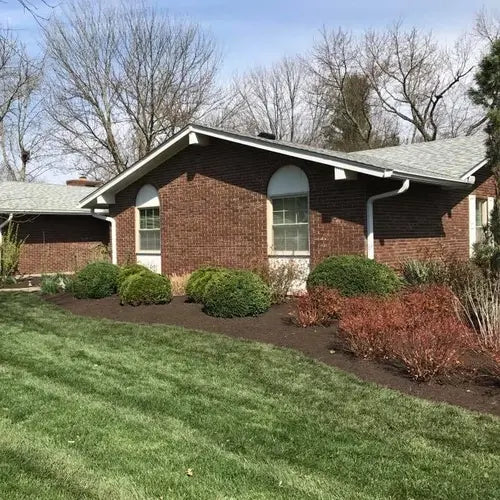
Before
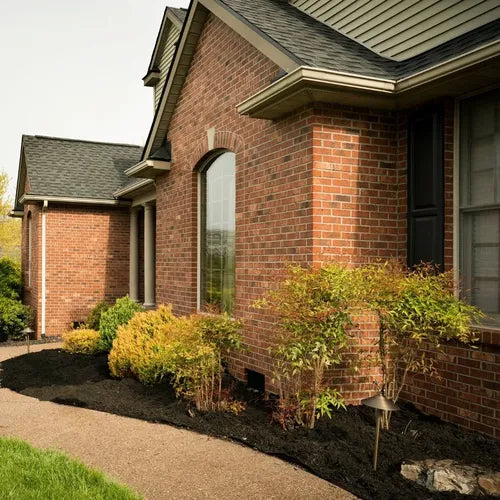
After
Best Mulch Choice for Villanova Lawns
Most yards in the Villanova area sit on type of soil. Villanova's silt loam soil has a tendency to form a surface crust after heavy rain events, which limits oxygen exchange and slows water infiltration into the root zone. Covering it with an organic mulch layer helps break the impact of raindrops and keeps that surface layer loose and biologically active.
Hardwood Mulch
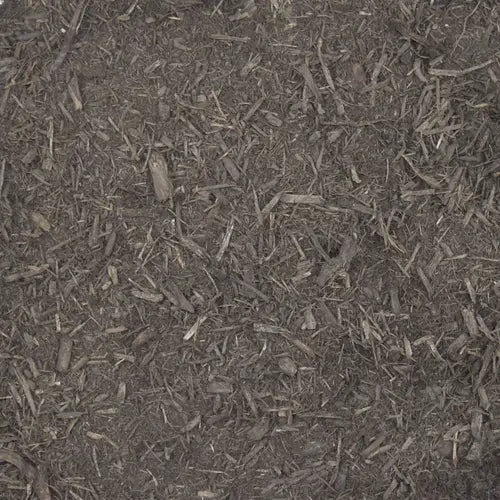
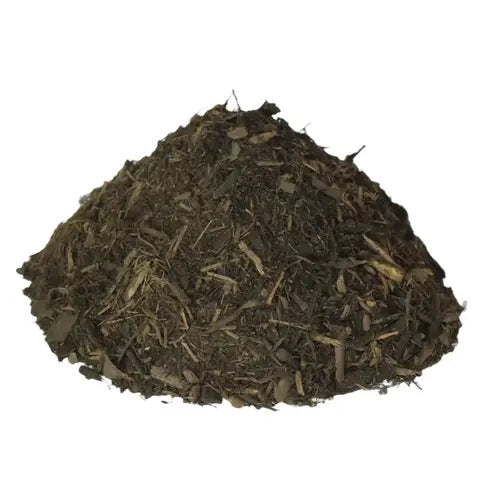
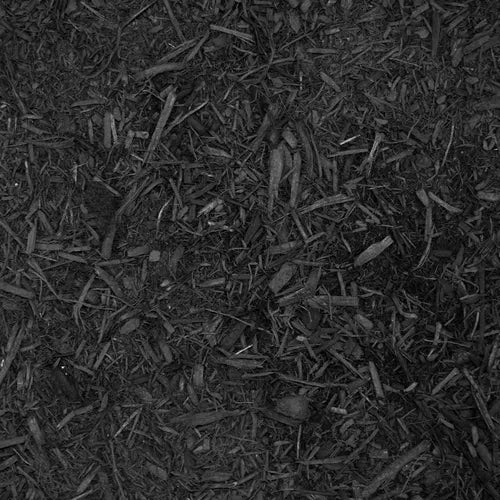
Shredded hardwood mulch is particularly well matched to Villanova's silt loam because as it decomposes it adds fibrous organic matter that physically opens up the soil structure. This improves both drainage during wet periods and water retention during dry stretches, addressing the two main seasonal challenges silt loam gardeners face in this part of Chester County.
Complete Your Outdoor Mulch Project
If you are refreshing your beds this season, consider pairing your mulch order with a bulk topsoil delivery to amend low spots or build up raised planting areas before you spread. A well-graded soil base makes your mulch layer more effective and your beds easier to maintain long term.
In Villanova, the window between the last frost on March 28 and the first major spring rains is the ideal time to apply fresh mulch. Pull back any matted material left from winter, loosen the soil surface lightly with a hand rake, and then apply your new layer. This sequence lets the soil warm properly and gives your perennials and spring bulbs room to push through without being smothered by compacted old mulch.
Mulch Mound Pro Tip
Because Villanova's silt loam drains more slowly than sandy soils, keep mulch pulled back about 2 inches from plant stems and tree trunks. Piling mulch directly against woody stems in a high-moisture environment creates the perfect conditions for fungal issues and crown rot, both of which are common complaints from local gardeners after particularly wet springs. A clean gap around the base of each plant costs nothing and prevents a lot of frustration.
Mulch Mound Pro Tip
Zone 7a winters in Villanova can include late cold snaps well after the calendar says spring has arrived, sometimes stretching close to the March 28 last frost date. Using mulch as a root insulator in late fall and then pulling it back slightly in early March allows the soil to warm naturally with the season. This gradual temperature transition reduces the freeze-thaw heaving that can push shallow-rooted perennials right out of the ground.
Frequently Asked Questions
Click a question to see the answer
Answer
How often do I need to reapply mulch in Villanova given all the rain we get?
With close to 49 inches of rainfall per year, organic mulch in Villanova breaks down roughly 30 to 40 percent faster than in drier Mid-Atlantic regions. Most homeowners find that a fresh 2 to 3 inch top-dress every spring, just after the last frost around March 28, keeps beds looking clean and functioning properly through the full growing season.
Answer
Will mulch help with the compaction issues I have in my yard near the main line trail path?
Absolutely. Villanova's silt loam soil is particularly prone to compaction from foot traffic and heavy rain impact. A 3-inch layer of shredded hardwood mulch cushions the soil surface, absorbs rainfall energy, and slows the pore-closing process that leads to compaction over time.
Answer
What is the best mulch to use around my rhododendrons and azaleas on the shady side of the house?
Shredded hardwood bark is a strong choice for acid-loving plants like rhododendrons and azaleas, which thrive in Villanova's naturally slightly acidic silt loam. As it breaks down, it contributes organic matter that supports the acidic pH these shrubs prefer, and its dense texture holds moisture between rain events without staying waterlogged.
Answer
My neighbor uses black dyed mulch. Does the dye cause any problems for plants in our area?
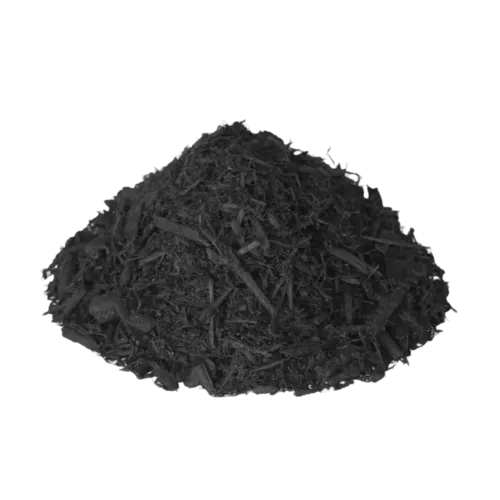
Quality black dyed mulch uses carbon-based colorants that are generally considered safe for plants and soil organisms. In Villanova's wet climate, the dye can bleed slightly onto hardscape edges during heavy rain, so it is worth edging your beds cleanly before spreading to protect your walkways and curbing.
Answer
How deep should I apply mulch if I want to cut down on weeds coming up through my silt loam beds?
A 3-inch layer is the sweet spot for weed suppression in Villanova gardens. Silt loam holds moisture and nutrients very effectively, which means weed seeds that do reach the soil surface will germinate quickly, so keeping a consistent depth all season long is more effective than applying a thicker layer just once.
Answer
Is it okay to mulch in November after the first frost hits around November 5?
Yes, mulching after the first frost in early November is actually a smart practice in Villanova. Applying a fresh layer at that point insulates root zones from hard freezes through the winter without trapping warmth that could encourage late-season plant activity, which can make roots more vulnerable to cold snaps.
Answer
How much mulch should I order for a typical Villanova property with a quarter acre of landscaped beds?
Quarter-acre properties in Villanova with moderate landscaping typically have between 800 and 1,400 square feet of actual planting bed space. At a 3-inch application depth, you would need roughly 7 to 13 cubic yards. Ordering closer to the higher end is wise since Zone 7a's long growing season means your beds will be in use all the way through October.
The Unique Landscape of Villanova
Villanova sits in USDA Zone 7a with a growing season that stretches from late March through early November, giving your plant beds a long window of exposure to both heat and moisture. The region receives nearly 49 inches of rain annually, which means organic mulch breaks down faster here than in drier climates, requiring more frequent replenishment to stay effective. The native silt loam soil beneath most Villanova properties holds moisture well but can compact easily under foot traffic and heavy rainfall, making a protective mulch layer especially important for root health. Properly applied mulch acts as a buffer between your soil and the temperature swings that come with Zone 7a winters, where temperatures can dip into the single digits before rebounding in early spring. With a last frost typically landing around March 28, mulch helps warm the soil gradually so perennial roots and bulbs are not shocked by premature thawing and refreezing cycles.