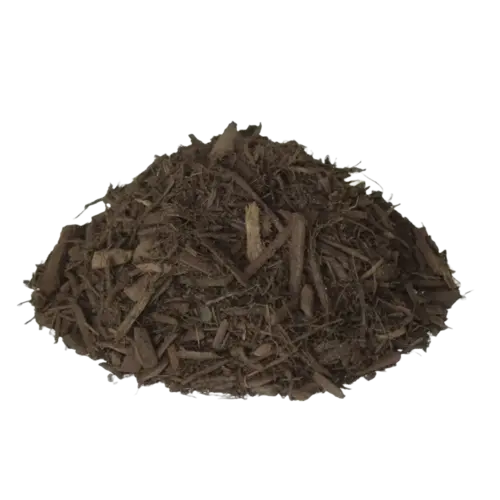
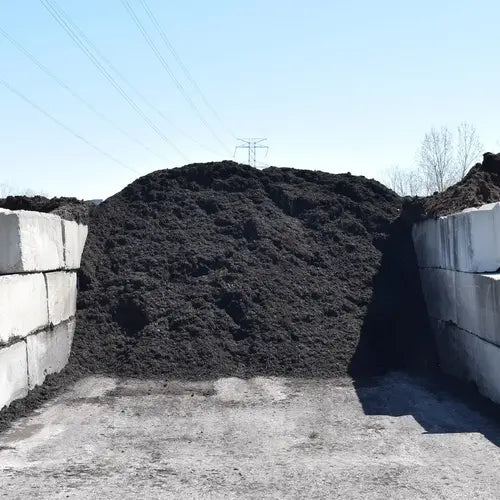
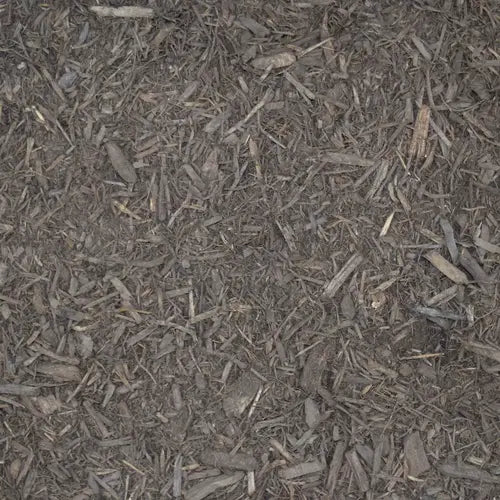
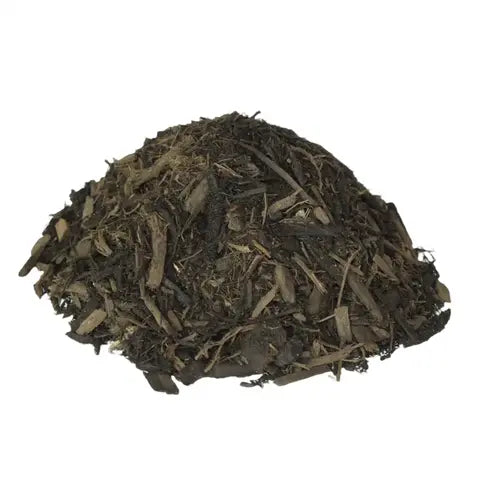
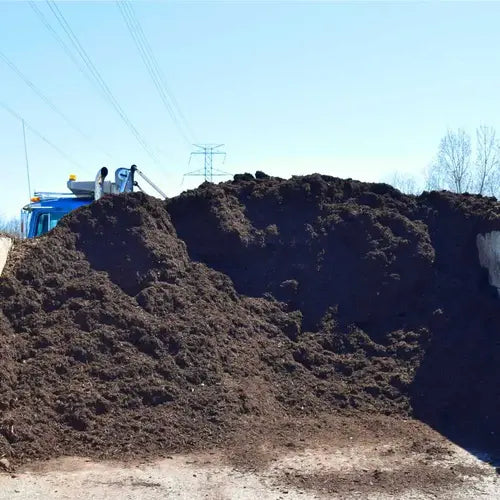
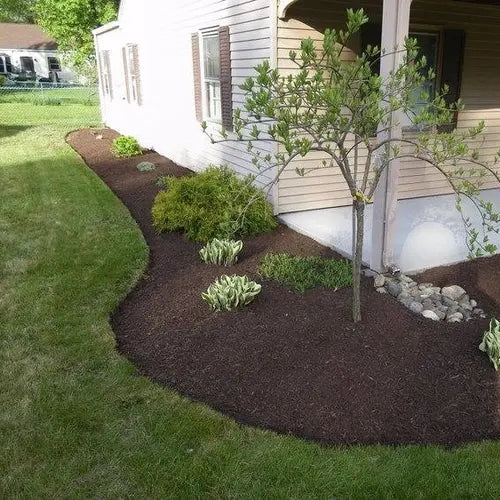
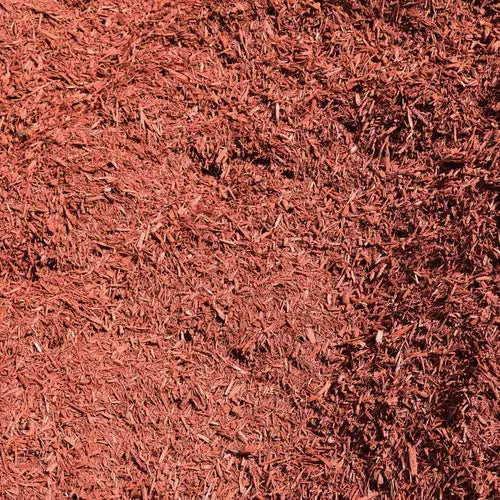
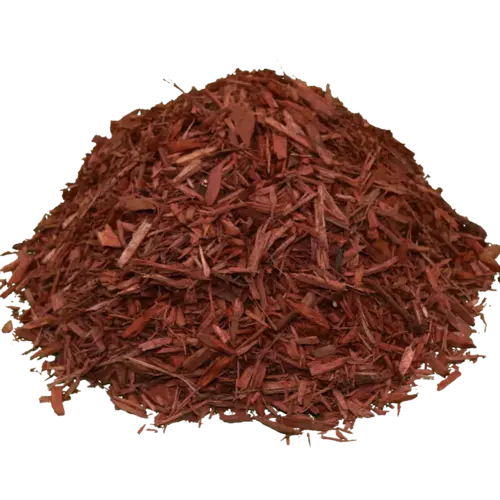
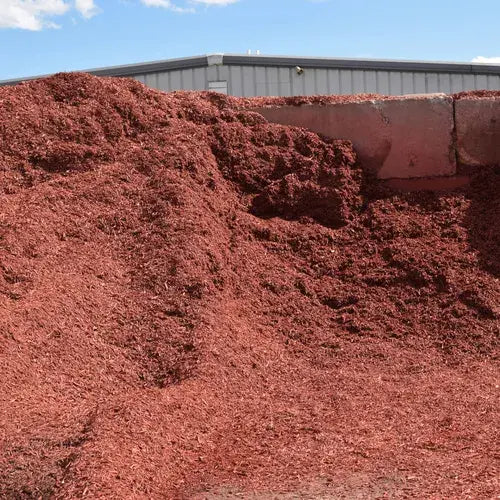
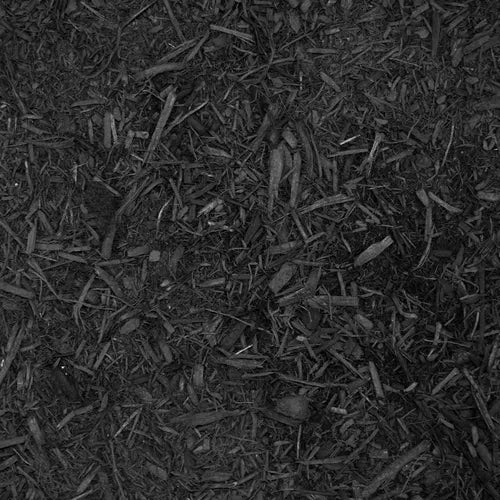
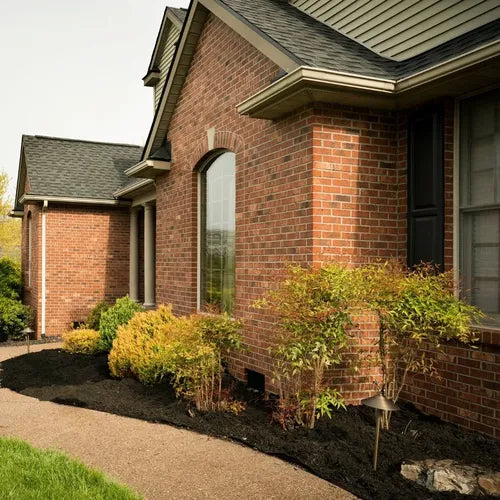
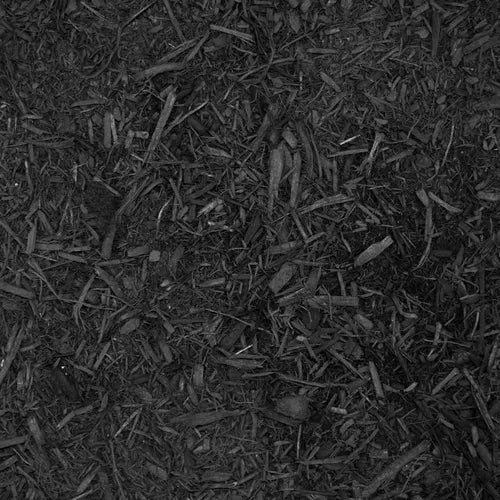
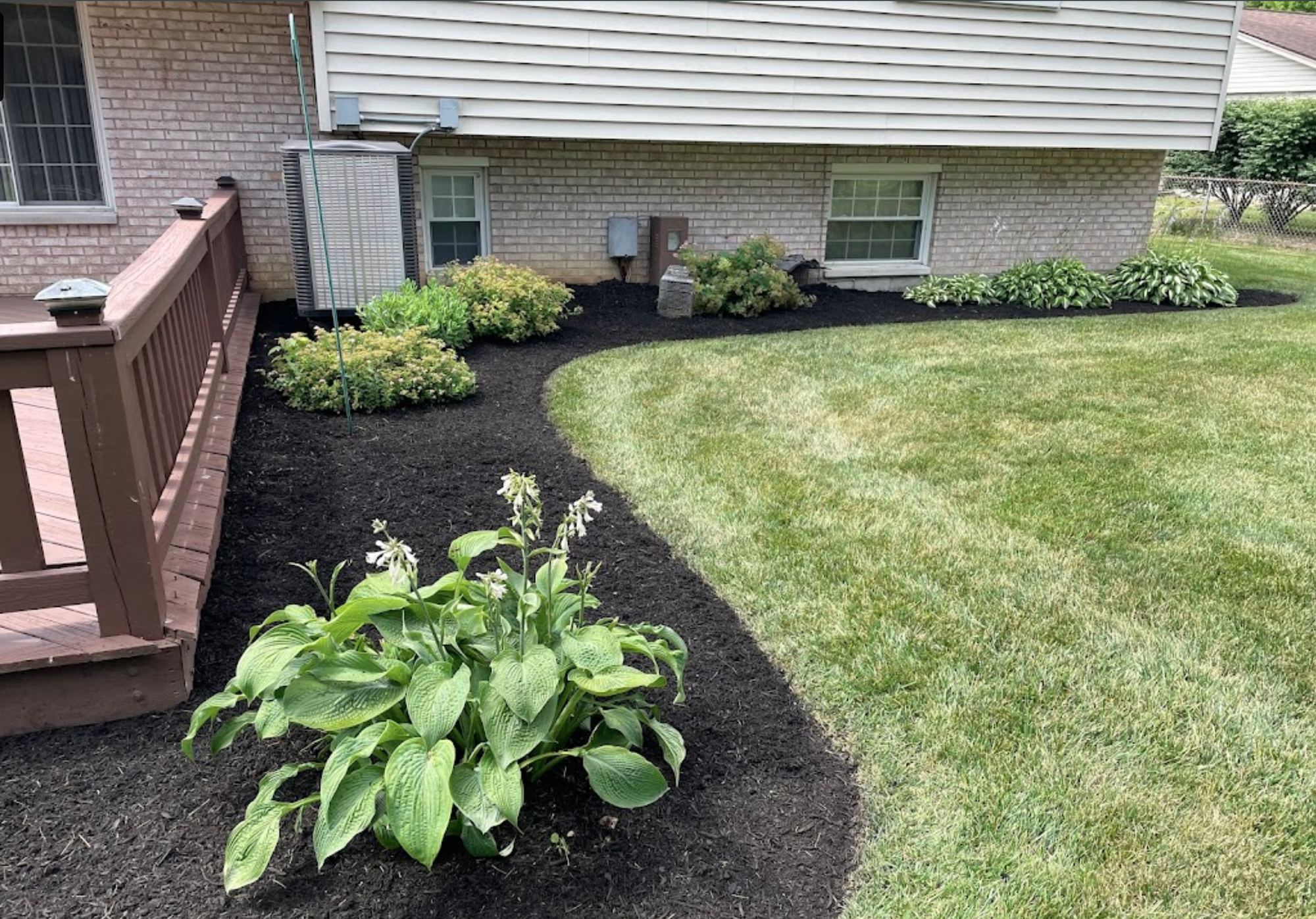
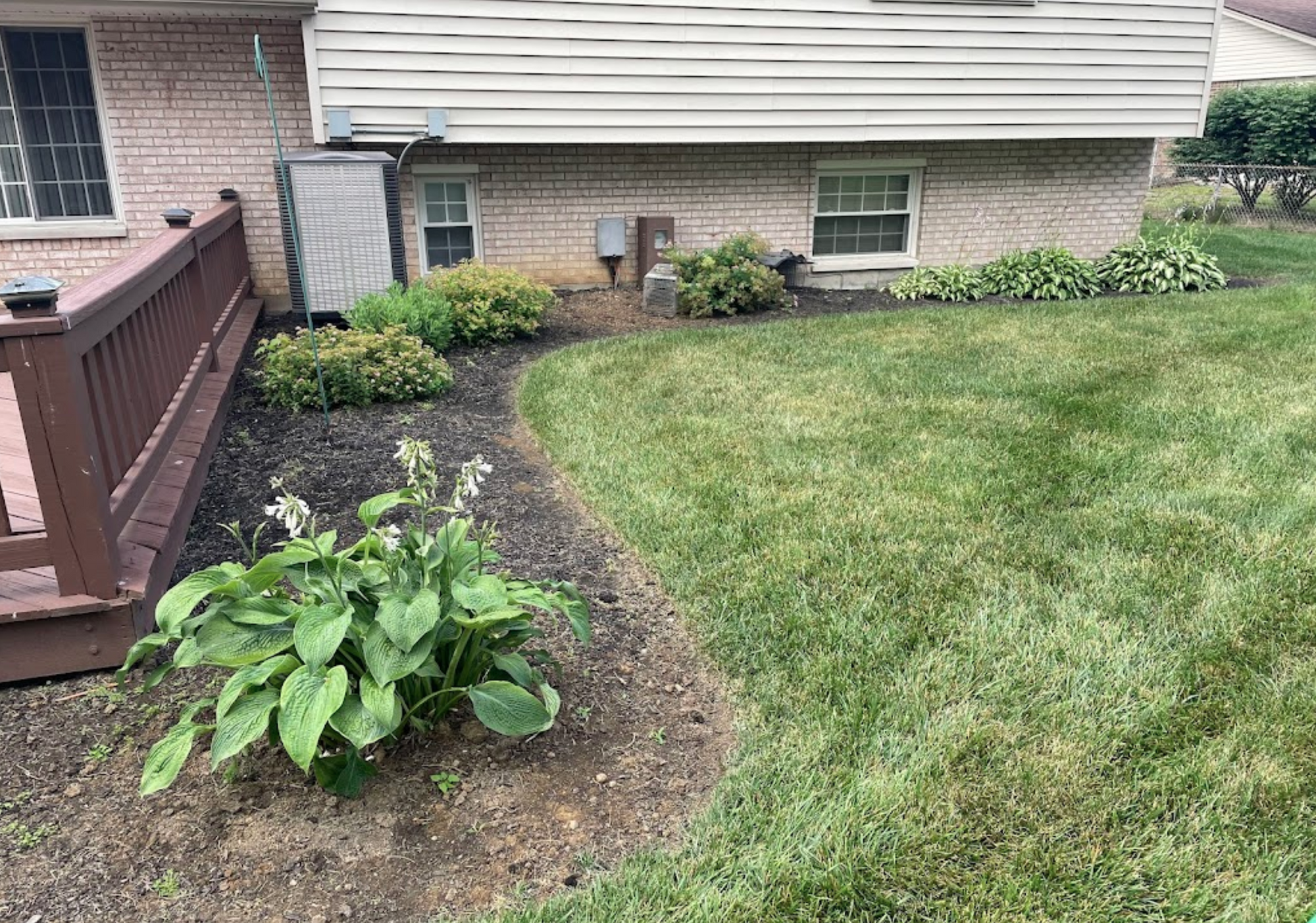
Warm brown double shredded mulch with lasting color that looks freshly applied for weeks. Spreads smooth, stays put, and gives beds a natural, polished appearance.
Great experience using Mulch Mound! Ordering was super quick and easy. I placed my order Tues evening and my order was delivered on Thurs morning!
Quality of product was great. And delivery driver dropped all product perfectly on a trap I had laid out. Not a grain was s...
Tell us what you're looking for
Thanks! We received your request.
Something went wrong. Please try again.
How Much Material Do I Need?
In Washington, DC, a 3-inch mulch layer is the standard recommendation for most planting beds, providing enough insulation and weed suppression for the region's long growing season. DC's silt loam soil benefits from the added organic material as the mulch decomposes, so erring on the slightly thicker side is worthwhile.
Use our free mulch calculator
What is a yard?
A yard is approximately 27 cubic feet. As a general guideline, one yard of material can cover an area of about 100-160 square feet at a 2-3 inch depth.
We hand-pick and partner with the best yards in your region, keep only the ones our buyers rate well, and back each load with our guarantee.
Mulch Mound Guarantee
If your mulch isn't the quantity or quality you ordered, we'll make it right.
About this mulch
Warm brown double shredded mulch with lasting color that looks freshly applied for weeks. Spreads smooth, stays put, and gives beds a natural, polished appearance.
Great experience using Mulch Mound! Ordering was super quick and easy. I placed my order Tues evening and my order was delivered on Thurs morning!
Quality of product was great. And delivery driver dropped all product perfectly on a trap I had laid out. Not a grain was s...
How Much Material Do I Need?
In Washington, DC, a 3-inch mulch layer is the standard recommendation for most planting beds, providing enough insulation and weed suppression for the region's long growing season. DC's silt loam soil benefits from the added organic material as the mulch decomposes, so erring on the slightly thicker side is worthwhile.
Use our free mulch calculator
What is a yard?
A yard is approximately 27 cubic feet. As a general guideline, one yard of material can cover an area of about 100-160 square feet at a 2-3 inch depth.
I've found my go to mulch supplier! The online ordering process was easy and quick. I had an issue with the delivery date that was quickly solved b...
Read full review
I've found my go to mulch supplier! The online ordering process was easy and quick. I had an issue with the delivery date that was quickly solved by a phone call resulting in an early morning, next day delivery. Driver dropped the load exactly where I wanted it. I recommend Mulch Mound for your bulk mulch needs.
It was my second time shopping here. This time, we purchased the brown mulch. I'm very happy with the quality of the product - it didn't smell like...
Read full review
It was my second time shopping here. This time, we purchased the brown mulch. I'm very happy with the quality of the product - it didn't smell like big box stores' mulch in the bags, and was able to arrange the drop-off time. Thank you!
To estimate mulch for your Washington, DC project, start by measuring the length and width of each bed in feet and multiply to get square footage. DC's silt loam soil benefits from a full 3-inch depth, so divide your total square footage by 108 to find cubic yards. It is always smart to order a small buffer since DC's irregular row house lot shapes often reveal extra coverage needs once you start spreading.
Mulch vs. No Mulch: The Difference
Washington DC's combination of hot humid summers and nearly year-round rainfall means organic mulch breaks down at a steady pace, returning nutrients to the silt loam soil below. Natural hardwood mulch tends to decompose within 12 to 18 months in DC's conditions, while dyed mulch uses colorfast pigments to maintain its appearance through multiple rain seasons. The right choice depends on whether your priority is long-term soil improvement or year-round curb appeal in a city where front yards are highly visible.
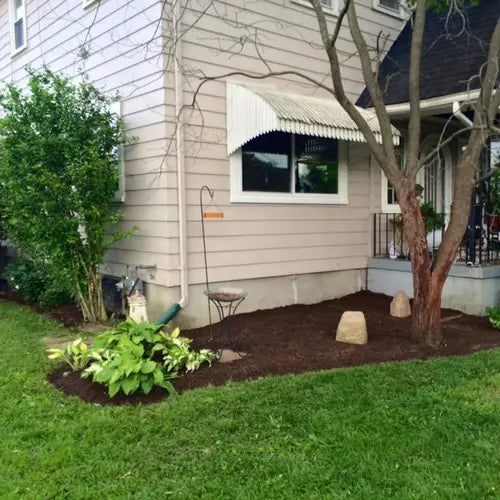
Before
After
Best Mulch Choice for Washington Lawns
Most yards in the Washington area sit on Silt Loam type of soil. Washington DC's silt loam soil has a naturally fine texture that compacts under repeated rainfall and foot traffic, leaving plant beds prone to surface crusting and poor aeration. Without a protective mulch layer, the exposed soil surface hardens between rain events, making it difficult for water to penetrate and reach plant roots.
Hardwood Mulch
Hardwood mulch is especially well-suited to DC's silt loam soil because as it decomposes, it adds organic material that loosens and enriches the naturally fine-textured soil. Over one to two seasons, decomposing hardwood mulch builds the kind of crumbly, well-aerated topsoil layer that silt loam soils in Washington need to support deep, healthy root systems.
Mulch Types We Deliver in Washington
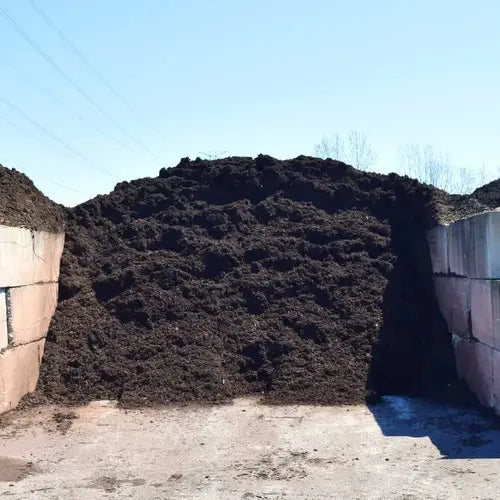
Getting bulk mulch delivery in Washington is one of the easiest ways to freshen up your landscape before the growing season takes off. We deliver by the cubic yard, so you get exactly the volume you need without overbuying or making multiple store runs. The warm, humid summers here make mulching especially worthwhile for keeping soil moisture stable and beds looking sharp.
Dyed Black Mulch
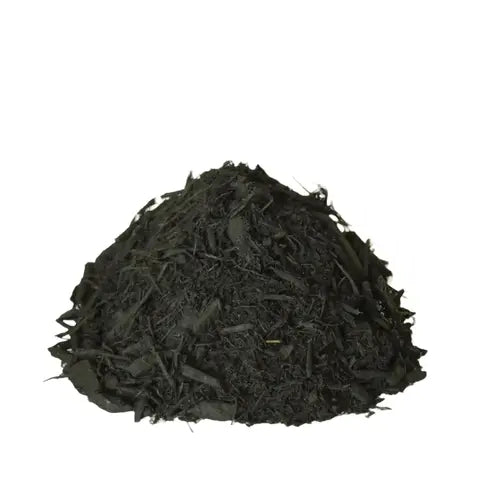
Bold double shredded black mulch that gives landscape beds a sharp, finished look against brick and greenery. The rich color holds through rain and summer heat, keeping beds looking fresh for weeks. A top choice for homeowners who want strong curb appeal and a clean, modern finish.
Dyed Brown Mulch
Warm double shredded brown mulch with lasting color that looks freshly applied for weeks at a time. It spreads smoothly and stays put on sloped beds, which are common in Washington's varied residential terrain. A natural, polished finish that suits front yards and formal garden borders equally well.
Natural Brown Mulch
Undyed double shredded mulch with a warm, earthy tone straight from the wood itself. No added colorants means it breaks down naturally and adds organic matter to clay-rich local soil over time. A clean, honest look that works well in cottage gardens and around established trees.
Dyed Red Mulch
Vibrant double shredded red mulch that pops against green foliage and holds its bold color through seasons of rain and heat. A standout option for front beds where visual impact matters, and a striking contrast against the brick and stone facades that define so many homes in the area.
Complete Your Outdoor Mulch Project
If your DC beds need a grade correction or soil refresh before mulching, our bulk topsoil and garden soil blends pair naturally with a mulch top-dressing. For borders, edging strips, or pathway accents between your mulched beds, our stone and gravel products offer low-maintenance definition that holds up through DC's wet winters.
Washington DC's silt loam soil is prone to surface crusting after heavy rains, which blocks air and water from reaching roots. Before laying mulch, loosen the top inch or two of soil with a cultivator, especially in beds that have been compacted by foot traffic or winter cold. This simple step lets your mulch work with the soil rather than just sitting on top of a sealed surface and doing half the job it should.
Mulch Mound Pro Tip
DC's urban heat island effect pushes summer temperatures several degrees higher than surrounding suburbs, and dark mulch colors can absorb additional heat near paved surfaces. In south-facing beds along brick or concrete walls, consider a lighter-colored natural hardwood mulch to reflect some of that heat and keep root zones cooler during the peak of July and August when temperatures in DC regularly climb above 90 degrees.
Mulch Mound Pro Tip
With 43 inches of annual rainfall hitting DC throughout the year, mulch is your best tool for controlling erosion in sloped beds and around tree roots. Apply a 3-inch layer before the heavy spring rain season gets underway in March and April, and you will significantly reduce the amount of soil washing out of beds and onto sidewalks and streets. Reapply a thin refresh in fall before winter rains arrive to maintain that protective layer through the wet season.
Frequently Asked Questions
Click a question to see the answer
Answer
How much mulch do I need for my DC row house garden beds?
For most Washington, DC garden beds, a 3-inch depth is ideal. DC's silt loam soil is prone to compaction and crusting when exposed, so a consistent 3-inch layer gives you meaningful protection. Measure the square footage of your beds and divide by 108 to get cubic yards needed at that depth.
Answer
Will mulch help with the drainage issues I have in my DC yard?
Washington's silt loam soil drains better than heavy clay but still tends to compact and slow drainage over time, especially in low spots. A thick organic mulch layer protects the soil surface from rain impact, which is one of the main causes of compaction in DC. As the mulch decomposes, it also adds organic matter that gradually improves drainage and soil structure beneath it.
Answer
When is the best time to mulch in Washington, DC?
The best time to apply mulch in DC is in mid to late April, after the last frost around March 29 has passed and soil has begun to warm. Applying too early can trap cold in the soil and slow plant establishment. A second light refresh in early November, just before the first frost around October 26, helps protect root zones through winter.
Answer
Does all the rain DC gets cause mulch to break down faster?
With 43 inches of annual rainfall spread fairly evenly through the year, DC's moisture levels do accelerate the decomposition of organic mulches compared to drier climates. Natural hardwood mulch typically needs topping off every 12 to 18 months in DC. This decomposition is actually a benefit over time, since the breaking-down mulch feeds your silt loam soil with organic matter it naturally lacks.
Answer
Should I use dyed mulch or natural hardwood mulch in my DC garden beds?
Both are good options depending on your priorities. Natural hardwood mulch breaks down into organic matter that improves DC's silt loam soil over time. Dyed mulch retains its color longer through DC's rainy seasons and summer sun, making it a popular choice for front-yard curb appeal. If your beds are working beds where soil improvement matters, natural hardwood is the better long-term investment.
Answer
How do I keep mulch from washing into the street during DC rainstorms?
DC's 43 inches of annual rainfall includes some intense summer storms that can move lightweight mulch. Installing a clean edging border around your beds creates a physical barrier that holds mulch in place. Choosing a heavier mulch product like shredded hardwood rather than fine bark also resists washing better during heavy rain events.
Answer
Is mulch safe around the tree boxes common in DC neighborhoods?
Yes, mulch is one of the best things you can do for DC's urban street trees, which struggle in compacted, nutrient-poor sidewalk soil. Apply mulch in a wide ring around the base of the tree but keep it a few inches away from the trunk itself to prevent rot. A 3 to 4 inch layer in tree boxes helps DC's urban trees retain moisture through the hot, dry stretches that often hit in July and August.
The Unique Landscape of Washington
Washington DC's silt loam soil compacts easily under foot traffic and summer rain, making mulch an essential layer for protecting plant bed structure. The city receives around 43 inches of rainfall annually, spread across all seasons, which means bare soil in planting beds is constantly at risk of erosion and nutrient runoff. Summers in DC are hot and humid, pushing soil temperatures high enough to stress shallow roots, and a proper mulch layer keeps the root zone measurably cooler through July and August. With a last frost around March 29 and a first frost around October 26, the growing window is long but the shoulder seasons require careful soil temperature management. Mulch acts as insulation on both ends of the season, protecting roots from late cold snaps in spring and extending warmth into fall.
More delivery around Washington, District of Columbia