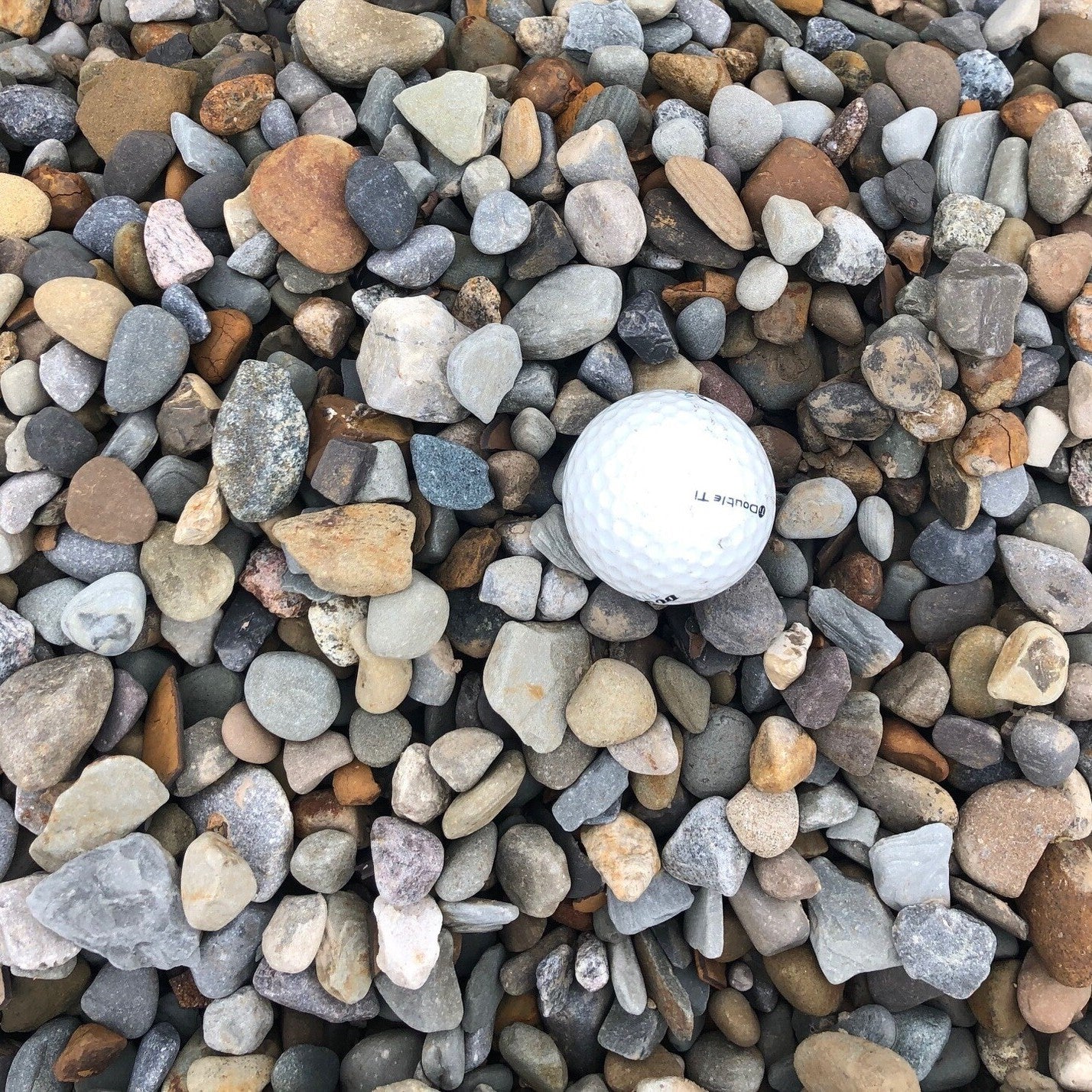
Number 57 crushed stone, angular limestone graded to about three quarters of an inch. The standard driveway, base and drainage gravel, it locks together under traffic and drains fast.
My experience with Mulch Mound was great and super easy. I ordered two yards of screened topsoil and was able to get it delivered within 2 days. They came in my requested time frame (afternoon) and dropped it off where I asked on my driveway. The topsoil was exactly what was a...
Tell us what you're looking for
Thanks! We received your request.
Something went wrong. Please try again.
How Much Material Do I Need?
For most Washington, DC landscaping applications, a 2 to 3 inch layer of stone or gravel provides adequate coverage for weed suppression, drainage, and visual definition. Areas with known erosion issues or heavy foot traffic, both common in DC's high-use urban lots, benefit from the full 3-inch depth to maintain stability through the city's heavy rain events.
Use our free gravel calculator
What is a yard?
A yard is approximately 27 cubic feet. As a general guideline, one yard of material can cover an area of about 100-160 square feet at a 2-3 inch depth.
We can't take orders for this right now. Tell us what you need and we'll get back to you.
What do you need?
Thanks! We received your request.
Something went wrong. Please try again.
Hand-picked local yards
4,000+ regional deliveries
Dedicated support
Why order through Mulch Mound
The best local stone, without the guesswork.
We hand-pick and partner with the best yards in your region, keep only the ones our buyers rate well, and back each load with our guarantee.
Mulch Mound Guarantee
If your stone isn't the quantity or quality you ordered, we'll make it right.
About this stone
Number 57 crushed stone, angular limestone graded to about three quarters of an inch. The standard driveway, base and drainage gravel, it locks together under traffic and drains fast.
My experience with Mulch Mound was great and super easy. I ordered two yards of screened topsoil and was able to get it delivered within 2 days. They came in my requested time frame (afternoon) and dropped it off where I asked on my driveway. The topsoil was exactly what was a...
How Much Material Do I Need?
For most Washington, DC landscaping applications, a 2 to 3 inch layer of stone or gravel provides adequate coverage for weed suppression, drainage, and visual definition. Areas with known erosion issues or heavy foot traffic, both common in DC's high-use urban lots, benefit from the full 3-inch depth to maintain stability through the city's heavy rain events.
Use our free gravel calculator
What is a yard?
A yard is approximately 27 cubic feet. As a general guideline, one yard of material can cover an area of about 100-160 square feet at a 2-3 inch depth.
My experience with Mulch Mound was great and super easy. I ordered two yards of screened topsoil and was able to get it delivered within 2 days. Th...
Read full review
My experience with Mulch Mound was great and super easy. I ordered two yards of screened topsoil and was able to get it delivered within 2 days. They came in my requested time frame (afternoon) and dropped it off where I asked on my driveway. The topsoil was exactly what was advertised, clean with no rocks or other debris. The price was reasonable. I plan to use them again in a couple weeks to order compost for my garden beds.
Estimating stone for a Washington, DC project follows the same basic math as other bulk materials, measure your area in square feet and divide by 162 for a 2-inch layer or 108 for a 3-inch layer to get cubic yards. Keep in mind that DC's irregular lot shapes, alley gardens, and narrow side yards often have more surface area than they first appear, so walk the entire area before finalizing your estimate. A small overage is always useful since stone can be used to touch up adjacent paths or fill in low spots that appear after the main installation settles.
Stone Types We Deliver in Washington
Mulch Mound delivers bulk stone by the cubic yard straight to homes and properties in the area, removing the hassle of hauling heavy material yourself. Homeowners searching for bulk gravel by the yard in Washington will find our curated selection covers the most popular sizes for local landscape and drainage projects. The region's clay-heavy soil and humid summers make choosing the right stone an important step in any outdoor improvement.
Pea Gravel
Pea gravel is one of the most popular choices for Washington yards, where clay soil can cause drainage challenges. Its smooth, rounded edges and warm earth tones suit the classic brick and rowhouse aesthetic common to this part of District of Columbia, and it performs well lining walkways, patios, and garden beds.
1-2" River Stone
These smooth, rounded river stones measure roughly one to two inches across and bring a clean, polished look to decorative ground cover and dry creek beds. In a city where summer storms are common, they channel runoff effectively and add a natural, finished appearance to front and backyard landscapes.
Complete Your Outdoor Stone Project
For beds where stone provides the surface layer, a quality base of fresh topsoil or garden soil beneath creates better drainage and a stable foundation that prevents stone from sinking into DC's silt loam over time. Adding mulched planting islands within a stone garden creates the layered, naturalistic look that suits many of DC's historic neighborhood aesthetic traditions.
Washington DC's mature tree canopy is one of its greatest assets, but surface roots are a real challenge for stone pathway installations in the city's older neighborhoods. Before spreading gravel or setting stepping stones, check the area carefully for roots that could shift your installation over a single growing season. In tree-heavy DC yards, flexible pathway designs using loose gravel rather than rigid pavers accommodate root movement far better and save you from resetting displaced stones every spring.
Mulch Mound Pro Tip
DC's row house lots often have narrow side yards between buildings that collect water from both roof drains and surface runoff after every storm. A gravel channel along these side corridors, laid over landscape fabric and sloped toward the street or a rear garden drain, turns a chronic wet-weather headache into a clean, functional drainage feature. The gravel surface also keeps the side yard usable and dry underfoot instead of turning into a muddy strip every time it rains.
Mulch Mound Pro Tip
In Washington DC, stone used as a mulch alternative around ornamental trees and shrubs holds up equally well through a July heat wave or a February ice storm, which is a real advantage in a city that sees both extremes. Because stone does not break down like wood mulch, it will not contribute organic matter to your silt loam soil over time. Pair stone-mulched areas with an annual compost application worked lightly into the soil around plant drip lines to keep soil fertility healthy through DC's long zone 7b growing season.
The Unique Landscape of Washington
Stone and gravel are among the most practical landscaping materials available for Washington, DC homeowners dealing with the unique challenges of urban lots, heavy rainfall, and historic property layouts. DC receives 43 inches of rain per year, and without proper drainage surfaces and erosion control, that water can undermine paths, wash away mulch, and pool against foundations. Stone pathways, gravel borders, and decorative rock beds provide solutions that are both functional and visually striking in DC's mature, tree-lined neighborhoods. The silt loam soils common throughout DC also benefit from gravel and stone installations, which can redirect surface water and reduce the compaction that heavy rains cause on bare soil. Whether you are creating a low-maintenance front garden, defining a formal path through a rear yard, or stabilizing a sloped alley bed, stone is a durable and weather-resistant choice for DC's year-round conditions.
Frequently Asked Questions
Click a question to see the answer
Answer
What size gravel works best for a backyard pathway in DC?
For walkable pathways in Washington, DC backyards, pea gravel or 3/8 inch crushed stone works well because it compacts underfoot while still allowing good drainage. DC's frequent rain means pathways need to drain quickly, and smaller gravel achieves that without the sharp edges that make walking uncomfortable. Edging the pathway with a steel or plastic border keeps the gravel contained through the heavy rains DC gets in spring and early summer.
Answer
Can I use stone to help fix the drainage problems in my DC yard?
Stone is one of the most effective drainage solutions available for DC yards, where silt loam soil and urban compaction cause water to pool after every rainstorm. A French drain filled with washed gravel can redirect water away from foundations and low spots, and a gravel dry creek bed can channel runoff while adding a natural design element. For simple surface drainage, a 2 to 3 inch layer of crushed stone over landscape fabric in problem areas keeps water moving instead of sitting.
Answer
How much stone do I need to cover a garden bed or pathway in DC?
For a decorative stone or gravel layer in a Washington, DC garden bed or pathway, a 2 to 3 inch depth is standard. Measure the length and width of your area in feet, multiply to get square footage, and divide by 162 for a 2-inch depth or 108 for a 3-inch depth to get cubic yards. DC's silt loam soil can shift and settle over time, so a 3-inch layer gives you a buffer against minor movement.
Answer
Will decorative stone hold up through DC's wet winters and hot summers?
Stone is one of the most durable landscaping materials you can choose for Washington, DC's climate range, which swings from summer heat and humidity to freezing winter temperatures. Unlike organic mulch, stone does not decompose, compact into sludge, or wash away easily in DC's 43 inches of annual rainfall. It does require occasional raking and may need a small top-off every few years to replace what gets displaced from beds and pathways.
Answer
What is the best stone to use around the foundation of a DC row house?
For foundation borders on DC row houses, a clean crushed stone or river rock in the 1 to 2 inch size range is a strong choice. These stones drain water quickly away from the foundation, which is critical given DC's high annual rainfall and the basement or below-grade living spaces common in city row homes. Avoid fine pea gravel right against the foundation, as it can migrate into window wells and basement stairwells during heavy rains.
Answer
Can I use stone instead of mulch in a low-maintenance DC front yard?
Yes, decorative stone is a popular low-maintenance alternative to mulch for DC front yards, especially in areas where tree shade and foot traffic make keeping mulch in place difficult. Stone does not need annual replenishment the way organic mulch does, and it holds its appearance through DC's hot summers and rainy springs without fading or decomposing. Pairing stone with drought-tolerant or native perennials well-suited to zone 7b creates a front yard that looks sharp year-round with minimal upkeep.
Answer
How do I keep weeds from growing through my gravel or stone areas in DC?
The most effective weed control under stone in Washington, DC is a quality landscape fabric installed before you spread the material. DC's warm zone 7b summers and consistent moisture create ideal conditions for weeds to take hold in any unprotected soil, including gaps in stone and gravel surfaces. Choose a woven, commercial-grade fabric rather than thin plastic sheeting, since DC's rain and temperature swings break down cheap materials quickly and let weeds push through within a season or two.
Answer
Is there a stone yard near Washington?
Asking a stone yard for a few yards of crushed stone is the usual route, but we bring that same crushed stone straight to your Washington lot, so no trip to a quarry is needed. With about 43 inches of rain a year, a crushed stone base drains well and keeps paths and beds from turning soft.
More delivery around Washington, District of Columbia