




I needed 3 yards of top soil and that's what I got! Right on time and right where I asked it to be placed (Order# 2041).
About this soil
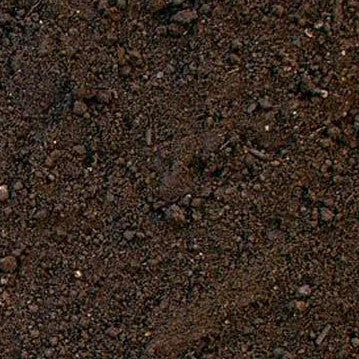
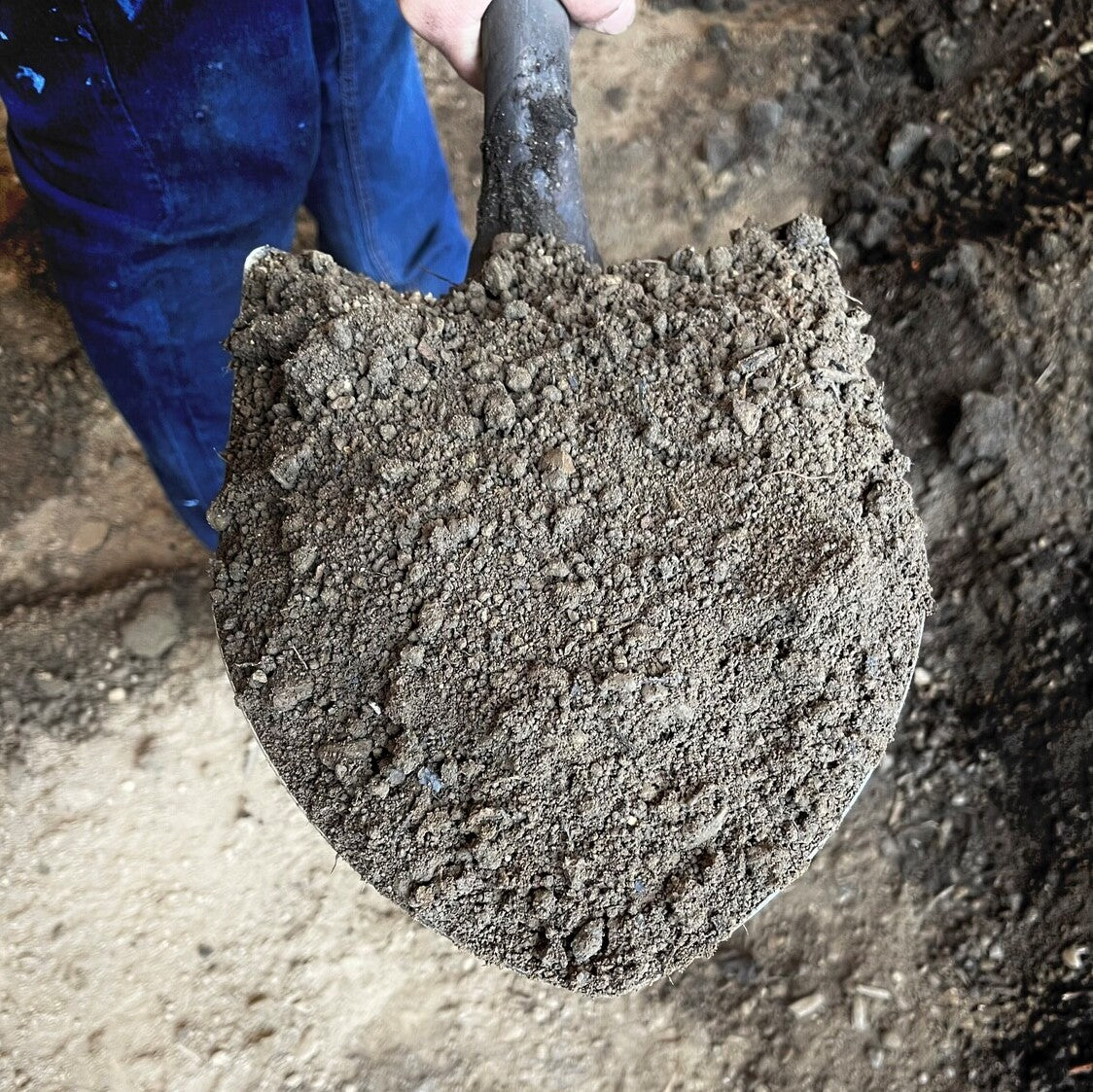
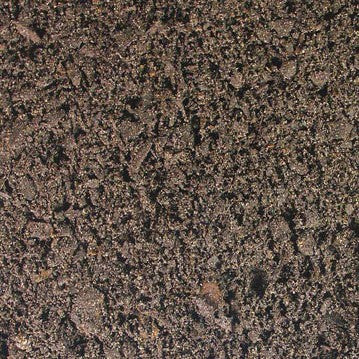
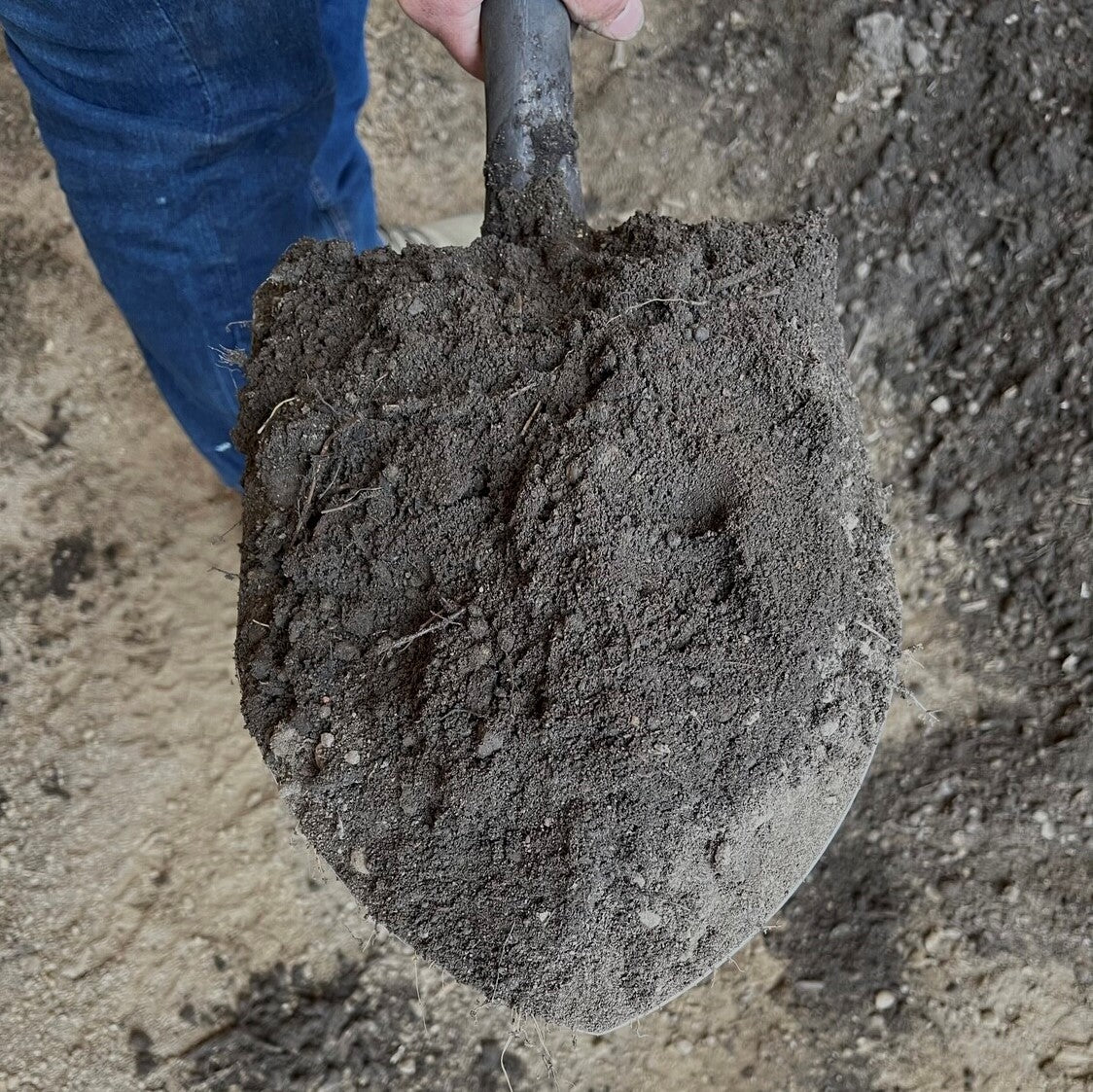
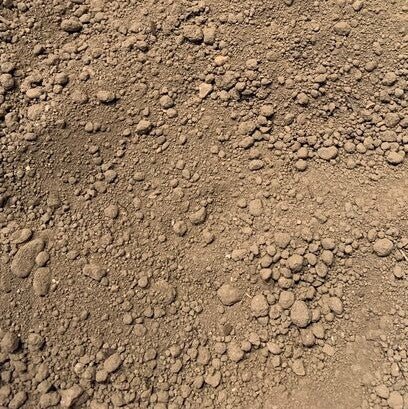
Quality topsoil for lawns, gardens, and landscape projects. Nutrient rich and ready to support strong root development and healthy plant establishment.
I needed 3 yards of top soil and that's what I got! Right on time and right where I asked it to be placed (Order# 2041).
Tell us what you're looking for
Thanks! We received your request.
Something went wrong. Please try again.
How Much Material Do I Need?
How Much Material Do I Need?
For new garden beds in Washington, DC, a 4 to 6 inch layer of bulk soil over the existing silt loam provides a strong growing foundation for most vegetables, perennials, and shrubs. For lawn leveling, a 1 to 2 inch topdress is usually sufficient to smooth out frost heave and seasonal settling without smothering existing grass.
Use our free soil calculator
What is a yard?
What is a yard?
FAQs
FAQs
Washington Soil Delivery
Washington Soil Delivery
Regular price
$64.00
per
yard
Regular price
Sale price
$64.00
Unit price
per
Shipping calculated at checkout.
Minimum of 3 yard
Couldn't load pickup availability
Hand-picked local yards
4,000+ regional deliveries
Dedicated support
Why order through Mulch Mound
The best local soil, without the guesswork.
We hand-pick and partner with the best yards in your region, keep only the ones our buyers rate well, and back each load with our guarantee.
Mulch Mound Guarantee
If your soil isn't the quantity or quality you ordered, we'll make it right.
About this soil
Quality topsoil for lawns, gardens, and landscape projects. Nutrient rich and ready to support strong root development and healthy plant establishment.
I needed 3 yards of top soil and that's what I got! Right on time and right where I asked it to be placed (Order# 2041).
How Much Material Do I Need?
How Much Material Do I Need?
For new garden beds in Washington, DC, a 4 to 6 inch layer of bulk soil over the existing silt loam provides a strong growing foundation for most vegetables, perennials, and shrubs. For lawn leveling, a 1 to 2 inch topdress is usually sufficient to smooth out frost heave and seasonal settling without smothering existing grass.
Use our free soil calculator
What is a yard?
What is a yard?
FAQs
FAQs
Tell us what you're looking for
Thanks! We received your request.
Something went wrong. Please try again.
How It Works
Getting started is easy — just follow these simple steps
1
Choose your soil
Make sure you adjust the quantity to your home's needs. You can use our calculator to estimate how much you'll need.
2
Select your delivery date
Select a delivery date you'd like for the product to be dropped off at your home
3
Sit back and wait
Sit back, wait, and let us work our magic to make sure the highest quality product is delivered to your driveway.

So smooth. Placed the order online, it showed up. Easy!

Process was super easy and was delivered right when it said it was going too
Need Help Calculating How Much Soil You Need?
Use our NEW Trace from Satellite tool to get an estimate for your project based on an aerial view of your property
Try Our CalculatorFor soil projects in Washington, DC, measure your project area carefully since DC lots are often irregular in shape due to the city's historic development patterns. Multiply your area's length by width in feet, then divide by 27 and multiply by your desired depth in feet to get cubic yards. For most DC garden beds and lawn leveling projects, ordering slightly more than your calculation suggests is wise since silt loam subsoil is often lower than it appears once you start working it.
Soil Types We Deliver in Washington
Washington's dense clay soil makes imported bulk material a practical choice for anyone growing healthy lawns, raised beds, or garden borders. Whether you are searching for bulk topsoil by the yard in Washington or need a nutrient-rich amendment to revive compacted ground, Mulch Mound delivers quality soil straight to your property. We sell by the cubic yard so you order exactly what your project needs.
Screened Top Soil
Screened Top Soil is the most requested bulk soil in Washington, used for patching lawns, building garden beds, and filling low spots around compact urban yards. The screened variety removes stones and clumps for a clean, workable finish that gives roots room to spread and young plants a strong start.
Gardening Blend
Gardening Blend combines topsoil with organic amendments to create a ready-to-plant mix suited for raised beds, flower borders, and new planting areas. It drains reliably, which helps in Washington's clay-prone ground, and the balanced nutrient profile makes it an easy choice for both new and experienced gardeners.
Leaf Compost
Leaf Compost improves structure in Washington's dense, compacted clay soils, making it a smart amendment for tired garden beds. Mixed into existing soil or spread as a top dressing, it boosts water retention and feeds the beneficial microorganisms that keep soil loose, active, and productive through the humid summers and cool winters.
Complete Your Outdoor Soil Project
After grading and filling with fresh soil, a quality mulch top-dressing protects your new planting surface from DC's heavy spring rains and summer heat. For pathways, drainage channels, or hardscape borders around your soil work, our stone and gravel options provide durable, low-maintenance edges that hold up through DC's wet winters.


Service area
Areas we deliver soil in Washington, District of Columbia
- Ashton-Sandy Spring, Maryland
- Belle Haven, Virginia
- Bladensburg, Maryland
- Braddock, Virginia
- Brandywine, Maryland
- Brock Hall, Maryland
- Bryans Road, Maryland
- Camp Springs, Maryland
- Chesapeake Beach, Maryland
- Cheverly, Maryland
- Clinton, Maryland
- Coral Hills, Maryland
- Crosspointe, Virginia
- Darnestown, Maryland
- District Heights, Maryland
- Dulles Town Center, Virginia
- Fair Lakes, Virginia
- Fairwood, Maryland
- Floris, Virginia
- Forest Glen, Maryland
- Forestville, Maryland
- Four Corners, Maryland
- Friendly, Maryland
- Friendship Heights Village, Maryland
- Fulton, Maryland
- Glassmanor, Maryland
- Glenarden, Maryland
- Greenbriar, Virginia
- Hillandale, Maryland
- Hillcrest Heights, Maryland
- Hutchison, Virginia
- Kettering, Maryland
- La Plata, Maryland
- Lake Arbor, Maryland
- Landover, Maryland
- Lansdowne, Maryland
- Largo, Maryland
- Laurel Hill, Virginia
- Layhill, Maryland
- Leisure World, Maryland
- Long Branch, Virginia
- Mantua, Virginia
- Marlboro Village, Maryland
- Marlow Heights, Maryland
- Marlton, Maryland
- Mayo, Maryland
- Mitchellville, Maryland
- Mount Rainier, Maryland
- National Harbor, Maryland
- North Springfield, Virginia
- Oxon Hill, Maryland
- Potomac Mills, Virginia
- Riverdale Park, Maryland
- Rosaryville, Maryland
- Savage, Maryland
- Scaggsville, Maryland
- Seven Corners, Virginia
- Shady Side, Maryland
- Silver Hill, Maryland
- South Kensington, Maryland
- Springdale, Maryland
- Suitland, Maryland
- Summerfield, Maryland
- Temple Hills, Maryland
- Walker Mill, Maryland
- Westphalia, Maryland
- Woodburn, Virginia
Mulch Mound Pro Tip
Washington DC's urban lots often have a layer of builder's fill or disturbed subsoil just a few inches below the surface, left over from decades of renovation and construction activity. Before spreading bulk topsoil, probe a few spots with a shovel to see what you are working with underneath. Knowing whether you are topping compacted fill or actual silt loam helps you decide how much new soil you need and whether aeration or rototilling should come first.
Mulch Mound Pro Tip
DC's 43 inches of annual rainfall means that grading matters as much as soil quality. When spreading bulk topsoil, create a gentle slope away from your home's foundation, especially in the below-grade areas common in DC row house and basement apartment properties. Even a 2 percent grade away from the structure can prevent the water infiltration issues that plague many older DC homes during heavy spring and summer storms.
Mulch Mound Pro Tip
In Washington DC, the long zone 7b growing season gives you two strong planting windows, early spring starting around late March and early fall starting in September. Plan your soil delivery to arrive a week or two before your planting date so you have time to spread, settle, and lightly water the new soil before plants go in. Soil that has been watered once or twice before planting settles into a more even surface that supports roots better from day one.
The Unique Landscape of Washington
Washington DC's native silt loam soil is workable but limited, often lacking the organic content and structure needed for productive garden beds and healthy lawns. Years of urban development, compaction from construction, and heavy foot traffic have left many DC yards with a thin layer of depleted topsoil over dense subsoil. The city's 43 inches of annual rainfall also means poorly structured soil is constantly losing nutrients to runoff before plants can use them. Whether you are building raised beds in a Capitol Hill backyard, leveling a lawn after winter frost heave, or establishing new plantings after a renovation, quality bulk soil is the foundation everything else depends on. DC's zone 7b growing season runs from late March to late October, giving plants a long window to establish, but only if the soil beneath them can support healthy root development.