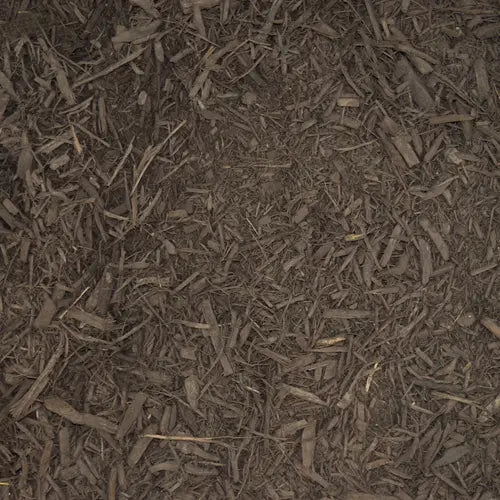
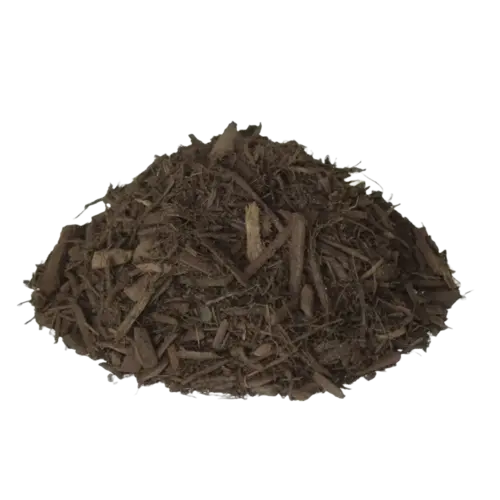
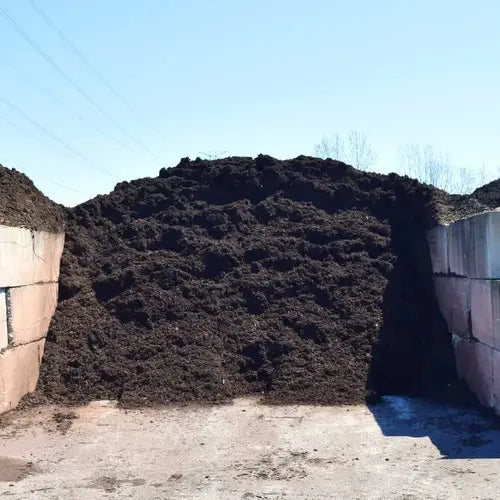
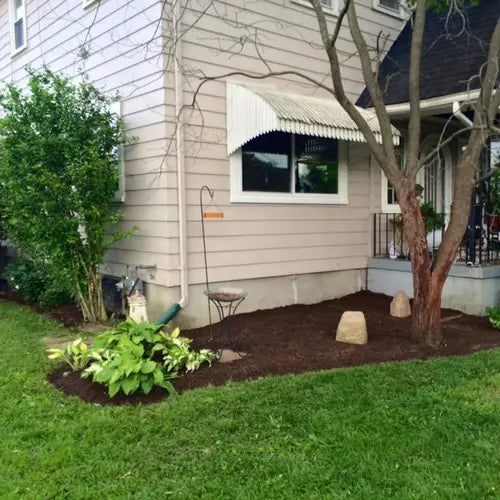
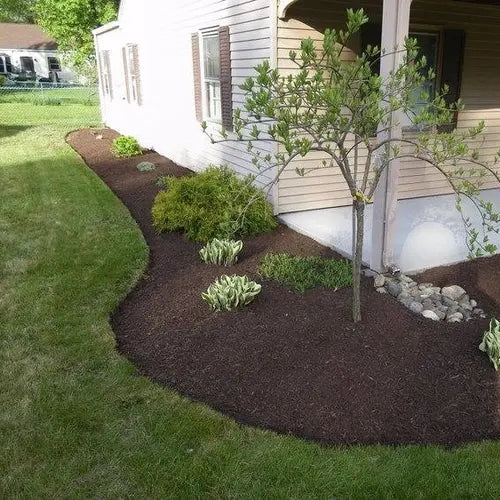
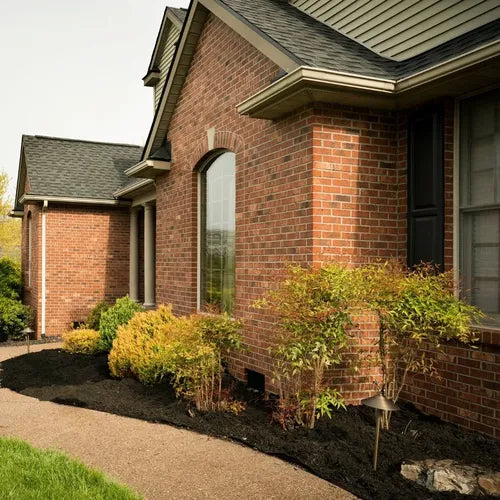
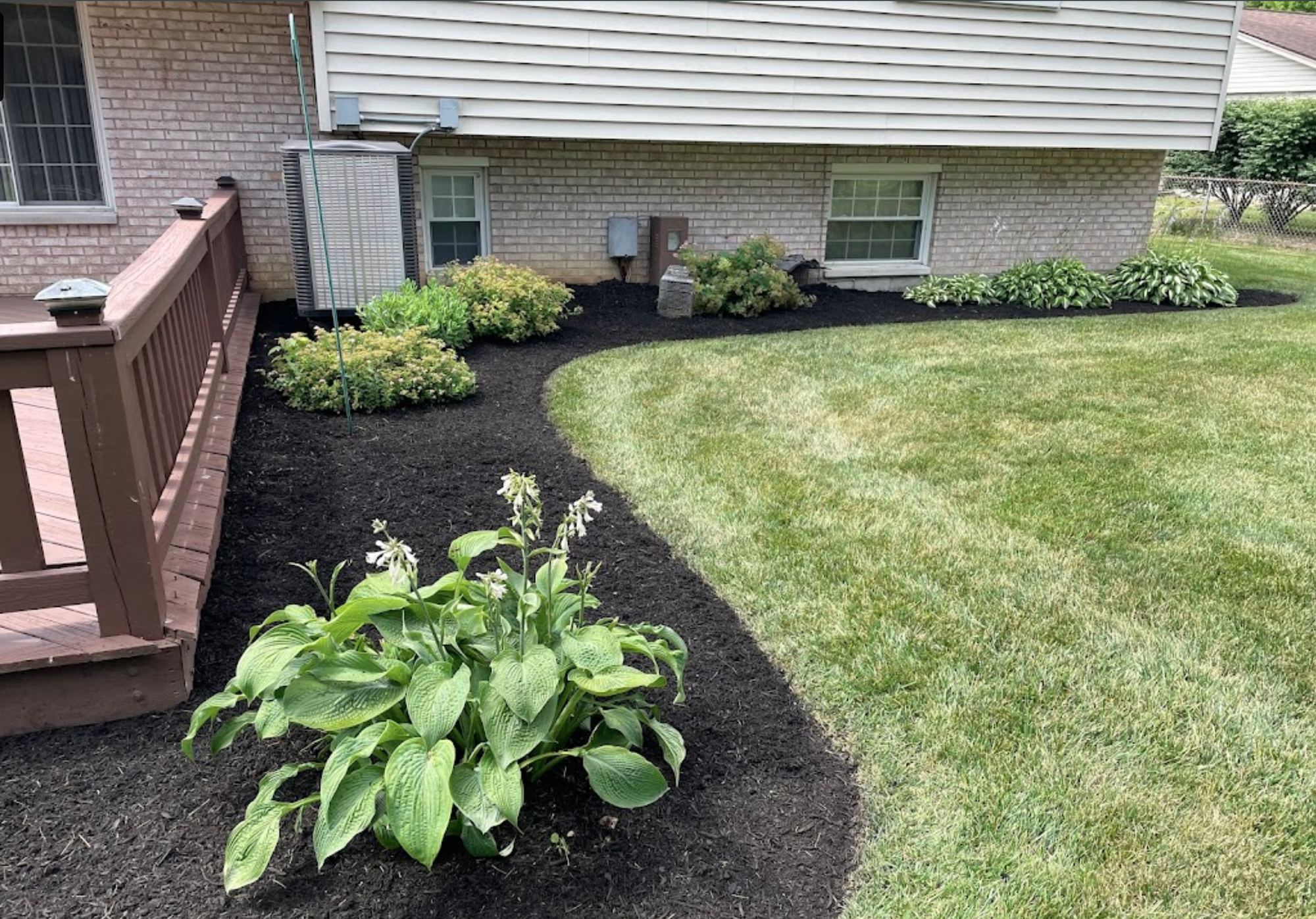
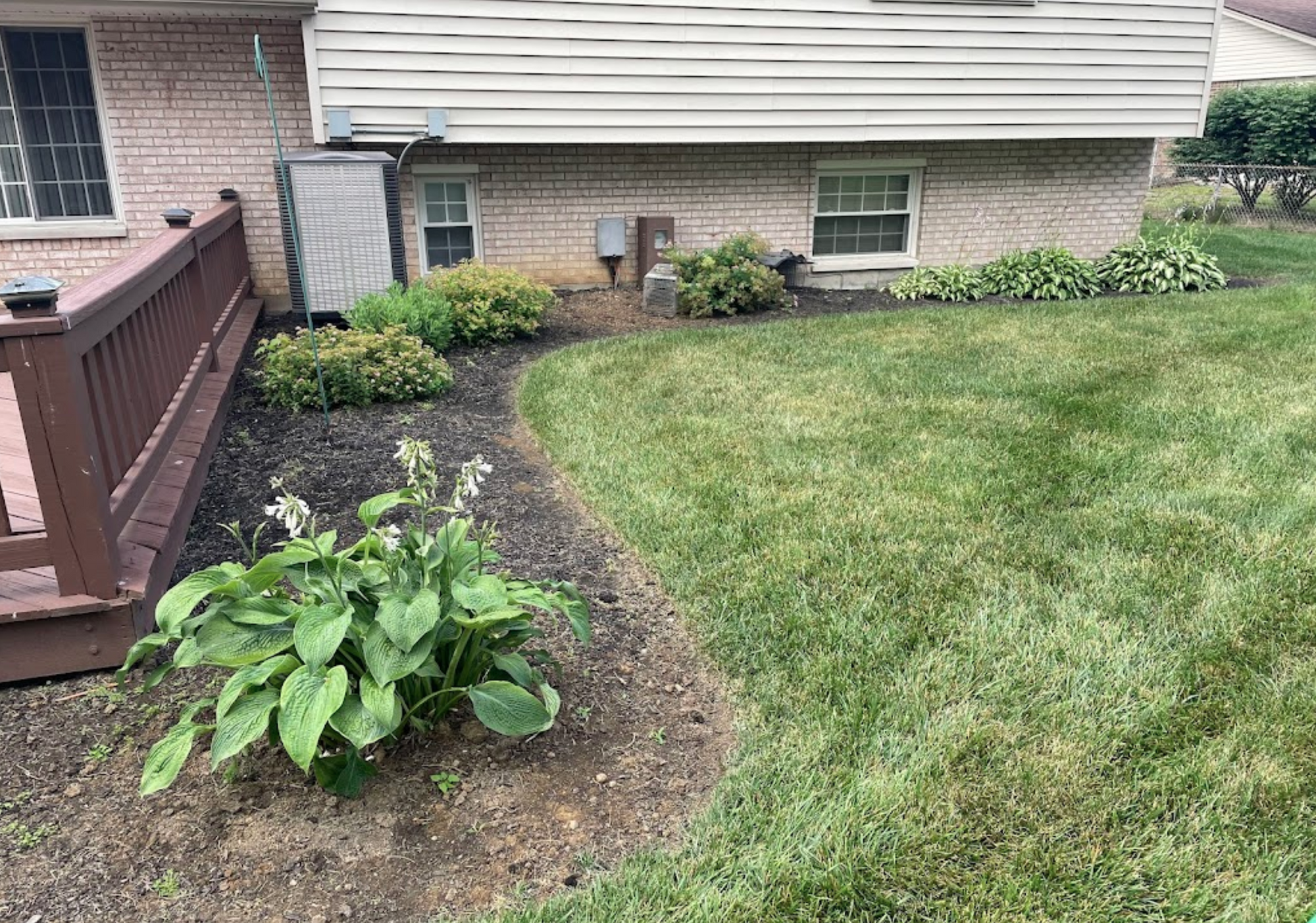
Delivery was on time and great quality Mulch. Got it done in a reasonable time and yard looks great. Couldn’t be happier!!! Thank you and will use again!!
Tell us what you're looking for
Thanks! We received your request.
Something went wrong. Please try again.
How Much Material Do I Need?
Plan on 3 inches for open sunny beds and park strips and 2 inches under established shrubs and trees. One cubic yard covers roughly 160 square feet at 2 inches or 108 square feet at 3 inches.
Use our free mulch calculator
What is a yard?
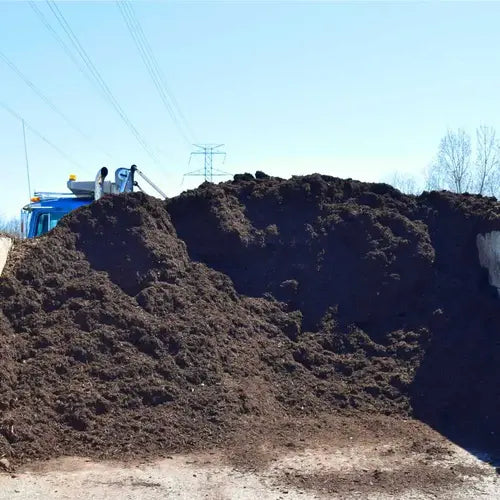
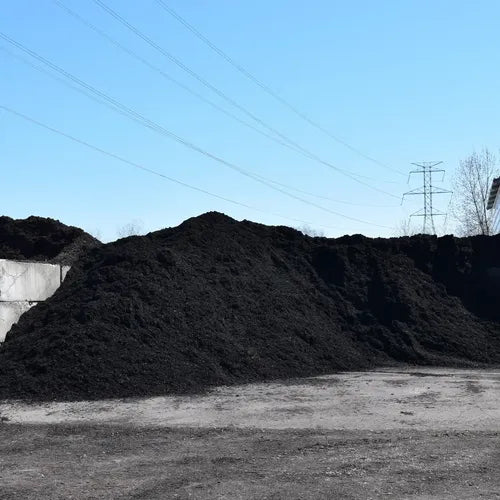
A yard is approximately 27 cubic feet. As a general guideline, one yard of material can cover an area of about 100-160 square feet at a 2-3 inch depth.
Delivery was on time and great quality Mulch. Got it done in a reasonable time and yard looks great. Couldn’t be happier!!! Thank you and will use again!!
How Much Material Do I Need?
Plan on 3 inches for open sunny beds and park strips and 2 inches under established shrubs and trees. One cubic yard covers roughly 160 square feet at 2 inches or 108 square feet at 3 inches.
Use our free mulch calculator
What is a yard?
A yard is approximately 27 cubic feet. As a general guideline, one yard of material can cover an area of about 100-160 square feet at a 2-3 inch depth.
Delivery was on time and great quality Mulch. Got it done in a reasonable time and yard looks great. Couldn’t be happier!!! Thank you and will us...
Read full review
Delivery was on time and great quality Mulch. Got it done in a reasonable time and yard looks great. Couldn’t be happier!!! Thank you and will use again!!
Mulch Mound delivered a yard of pea gravel to us. Delivery was on time, driver was friendly and hit a bullseye on the “tarp target”. We used the ...
Read full review
Mulch Mound delivered a yard of pea gravel to us. Delivery was on time, driver was friendly and hit a bullseye on the “tarp target”. We used the pea gravel (which was diameter as specified) to fill several muskrat holes around our pond. I would definitely recommend Mulch Mound to a friend!
I can’t say enough good things about Mulch Mound! If you read my review below you will see I had a problem with my order. Mulch Mou...
Read full review
UPDATE!
I can’t say enough good things about Mulch Mound! If you read my review below you will see I had a problem with my order. Mulch Mound was quick to respond and solved the issue with my delivery. Will definitely be a customer next year.
First time purchase from Mulch Mound!! First what I liked! Easy to order online and straight forward pricing and delivery. The driver was on time and courteous and delivered my Mulch exactly where I requested! The product is of good quality and comparable to others I have purchased from before. Now what I DID’NT LIKE! I have been mulching the same house and yard for almost 20 years. I always order the same amount and don’t have any issues with covering the same area but this year I fell about a yard short. I was home when the mulch was delivered and when the driver dumped it I noticed that it seemed a bit less than I was used to. I didn’t apply it any thicker than usual and probably a bit thinner than usual because I was worried about running out.
Sketch your beds and break odd shapes into rectangles and circles, then measure each one in feet rather than pacing it off, since curved West Jordan park strips are usually wider than they look. Multiply length by width, total the square footage, and let the calculator convert that to cubic yards at your chosen depth. Order about ten percent extra so you are not making a second trip for the last few square feet.
Mulch vs. No Mulch: The Difference
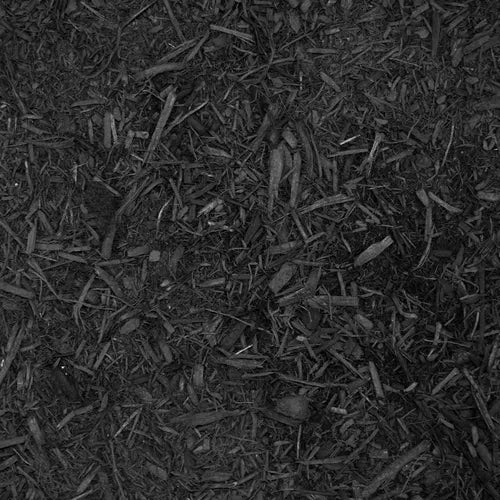
West Jordan's dry air and intense high desert sun at 4,330 feet break mulch down more slowly than in humid climates, but our UV load fades color fast. Natural bark mulches typically go silver gray within one to two seasons and lose about an inch of depth per year as they decompose into the clay. Color enhanced mulches hold their tone through two summers of valley sun, which is why many homeowners here top off annually rather than fully replacing.
Before
After
Best Mulch Choice for West Jordan Lawns
Most yards in the West Jordan area sit on type of soil. West Jordan's alkaline clay holds nutrients tightly and locks up iron, which is why so many local maples, roses, and lawns show yellow leaves with green veins by July. That same clay compacts hard, leaving new plantings sitting in dense soil that drains slowly in spring and sets up like concrete in August.
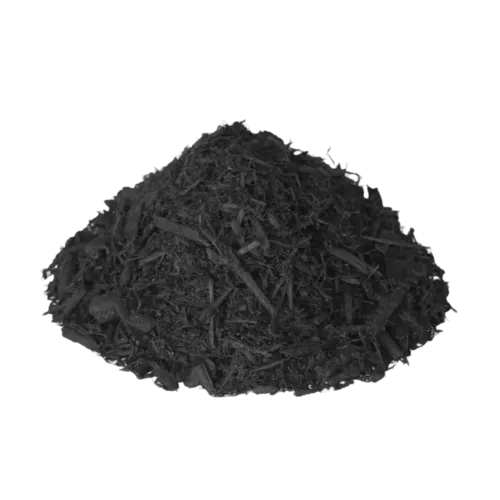
Hardwood Mulch
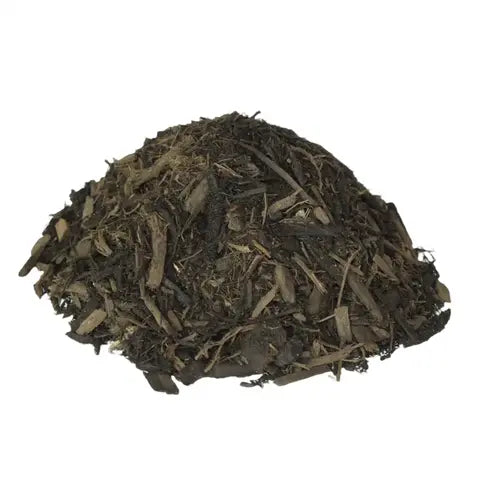
Shredded hardwood mulch is the best fit for West Jordan clay because it decomposes steadily from the bottom, feeding organic matter and mild organic acids into that alkaline top few inches where feeder roots live. Over two or three seasons that organic matter opens up clay structure, improves water infiltration, and boosts earthworm activity that keeps the soil loosening on its own.
Complete Your Outdoor Mulch Project
Pair your mulch with a few yards of compost enriched topsoil to work into the clay before spreading, and add steel or poly edging to keep bark out of the lawn. Decorative cobble at downspout outfalls handles the runoff spots where mulch always washes away.
Mulch Mound Pro Tip
Before the mulch goes down, run your drip lines and check emitters. Once 3 inches of bark covers a bed, finding a cracked quarter inch line means digging through the whole thing. West Jordan drip tubing takes a beating from UV at 4,330 feet and from winter freeze damage, so replace brittle sections in April. Flush the lines, verify each emitter drips, then mulch over the top and enjoy a clean bed all season.
Mulch Mound Pro Tip
Keep mulch off the trunk. Volcano mulching kills more valley trees than drought does, because piled bark holds moisture against the bark and invites rot and voles, and West Jordan voles are relentless in winter. Pull mulch back three to four inches from trunks and shrub crowns so you can see the root flare. Spread the mulch wide instead of deep, ideally out to the drip line where the feeder roots live.
Mulch Mound Pro Tip
Refresh, do not rebuild. Every spring, rake and fluff the existing mulch layer before adding new material. Clay soils here crust the underside of old bark into a water shedding mat, and breaking that up lets irrigation reach the roots again. Then add only enough new mulch to return the bed to 3 inches, usually one yard for every 300 or so square feet. This saves money and prevents the buildup that smothers perennials.
Frequently Asked Questions
Click a question to see the answer
Answer
How deep should mulch be in West Jordan with only 17 inches of rain a year?
Go with a full 3 inches in sun exposed beds and 2 to 2.5 inches under trees and shrubs. In a valley this dry, anything thinner dries out and blows around, and anything much deeper starts holding water against the crowns of plants that are already sitting in slow draining clay. Three inches is the sweet spot for cutting evaporation without suffocating roots.
Answer
Will mulch make my already alkaline soil worse?
No. Bark and wood mulches are close to neutral and decompose slowly, and the small amount of organic acid they release is a mild plus in West Jordan soils that often test between pH 7.6 and 8.2. What mulch will not do is fix alkalinity on its own. If you are growing maples, azaleas, or blueberries here, plan on chelated iron and sulfur amendments alongside your mulch program.
Answer
When is the best time to mulch in West Jordan?
Mid to late April, right around the April 25 last frost, is ideal. Waiting until the soil has warmed keeps you from trapping cold in the ground, and getting it down before Memorial Day means your beds are insulated before the first 95 degree stretch. A lighter fall top off in October also helps buffer the freeze and thaw cycles that heave perennials out of clay beds all winter.
Answer
How many cubic yards do I need for a typical West Jordan front yard bed?
One cubic yard covers about 108 square feet at 3 inches deep. A lot of West Jordan quarter acre lots have 300 to 500 square feet of front bed area, which pencils out to roughly 3 to 5 yards. Measure each bed, add the square footage, then divide by 108 and round up a partial yard for settling.
Answer
Does mulch help with the weeds that take over West Jordan beds in spring?
It helps a lot. Three inches of mulch blocks the light that puncturevine, kochia, and cheatgrass seeds need to germinate, and those are the three that dominate disturbed ground across the southwest valley. Mulch will not stop bindweed, which comes up from deep roots in the clay. For that you need to pull persistently or spot treat before you lay new mulch.
Answer
Will the canyon winds blow my mulch across the yard?
Fine bark nuggets and light shavings will move in the downcanyon gusts that funnel through the valley, especially on exposed west facing lots. Shredded hardwood knits together as it settles and stays put far better. Water the pile down after spreading to help it mat, and keep mulch pulled back a few inches from driveways and sidewalks so wind has less loose edge to grab.
Answer
Can you deliver mulch to a West Jordan home with tight HOA street parking?
Yes. Many newer West Jordan subdivisions have narrow streets and limited turnaround space, so tell us at booking and we will send an appropriately sized truck. Clear the drop area, move vehicles and basketball standards, and let us know if there are low branches or overhead lines above the dump zone. If the driveway is stamped or newly sealed, we will tarp before dumping.
The Unique Landscape of West Jordan
West Jordan sits at 4,330 feet on the old Jordan River bench, where roughly 17 inches of annual precipitation has to stretch across a long, blazing Salt Lake Valley summer. Bare alkaline clay here bakes into a crust by mid July, and that crust sheds sprinkler water sideways instead of letting it soak into the root zone. A 3 inch mulch layer breaks the impact of overhead irrigation, keeps soil temperatures under the 90 degree threshold where root hairs stall, and slows evaporation dramatically during the July and August stretch when the valley can go three weeks without measurable rain. Mulch also buffers the freeze and thaw cycles that hit West Jordan beds between the October 25 first frost and the April 25 last frost, when clay heaves and pushes shallow perennials right out of the ground. Over several seasons, decomposing bark mulch adds the organic matter our native clay is starved for, which slowly improves structure and drainage. For most homeowners here, mulch is the single cheapest way to cut summer watering while keeping beds looking finished.