

About this soil

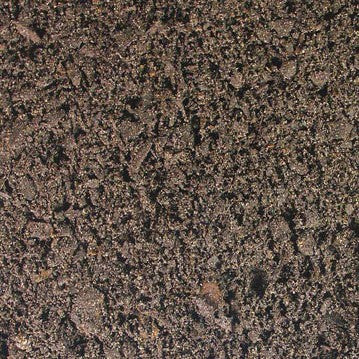
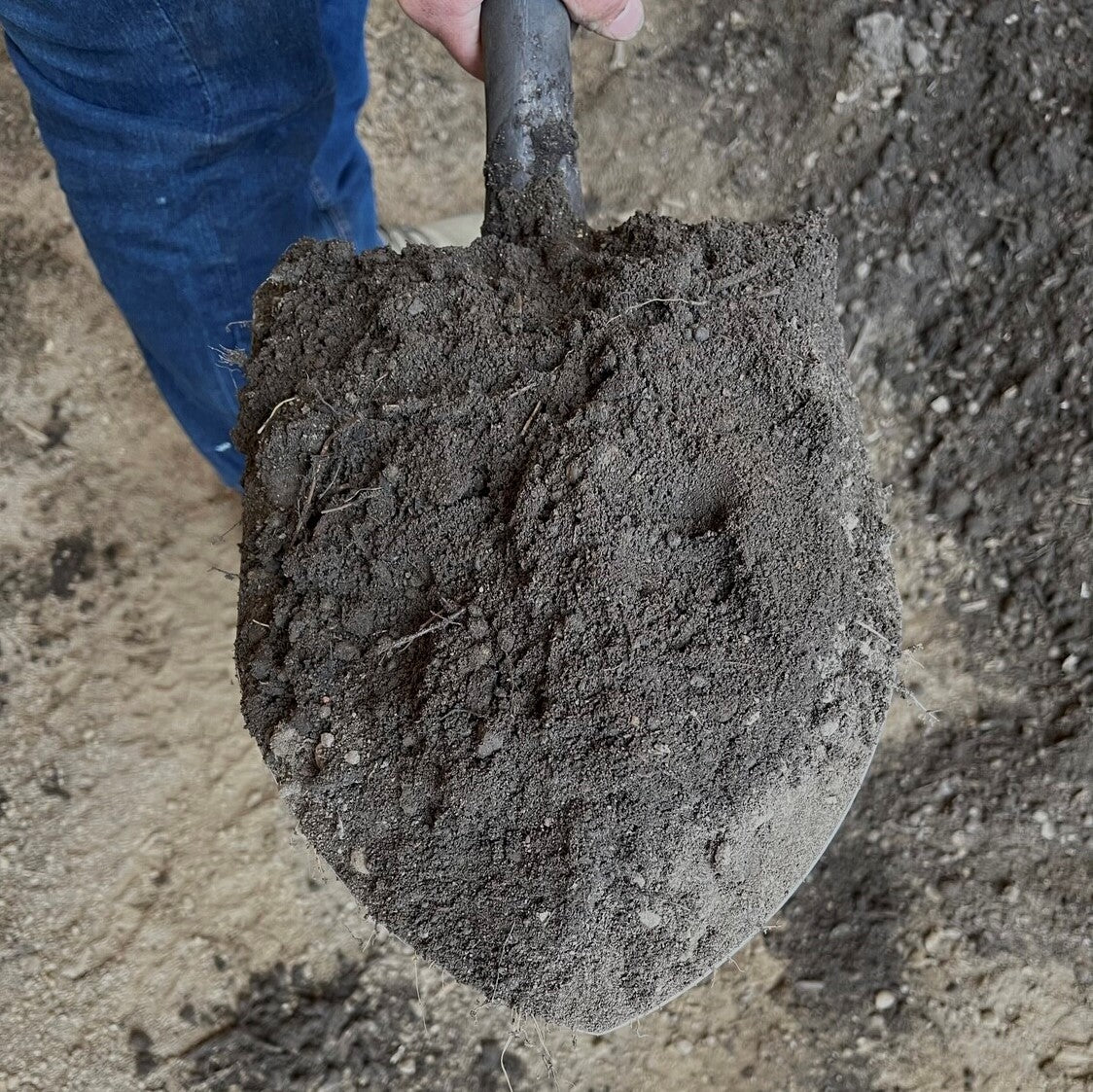
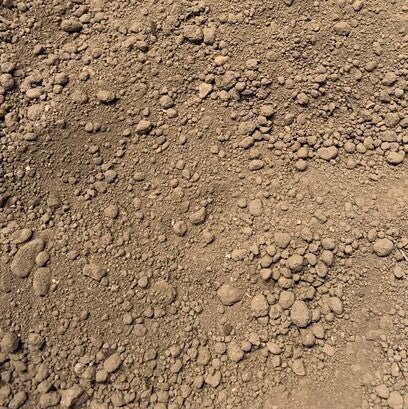
Screened topsoil with a fine, even texture. Ideal for new lawns, sod prep, and raised garden beds.

The website was intuitive and easy to navigate. The material was delivered the date and time it was scheduled, it was dropped off in the area i had specified on top of my tarp with no issues.

I ordered soil, the Gardening Blend that I received had too many plastic and m...

Plan on 2 to 4 inches of topsoil for new lawn areas, 8 to 12 inches of garden mix for raised beds, and about 1 inch of compost for amending existing beds. One cubic yard covers roughly 100 square feet at 3 inches deep.
Use our free soil calculator

A yard is approximately 27 cubic feet. As a general guideline, one yard of material can cover an area of about 100-160 square feet at a 2-3 inch depth.

Wyoming Soil Delivery

Wyoming Soil Delivery

4.7
137 reviews
Regular price $55.00 per Yard
Regular price Sale price $55.00
Sale Sold out
Shipping calculated at checkout.
Type
Style
Hand-picked local yards
4,000+ regional deliveries
Dedicated support
Why order through Mulch Mound

The best local , without the guesswork.

We hand-pick and partner with the best yards in your region, keep only the ones our buyers rate well, and back each load with our guarantee.

Mulch Mound Guarantee

If your isn't the quantity or quality you ordered, we'll make it right.

About this soil

Screened topsoil with a fine, even texture. Ideal for new lawns, sod prep, and raised garden beds.

The website was intuitive and easy to navigate. The material was delivered the date and time it was scheduled, it was dropped off in the area i had specified on top of my tarp with no issues.

I ordered soil, the Gardening Blend that I received had too many plastic and m...

Plan on 2 to 4 inches of topsoil for new lawn areas, 8 to 12 inches of garden mix for raised beds, and about 1 inch of compost for amending existing beds. One cubic yard covers roughly 100 square feet at 3 inches deep.
Use our free soil calculator

A yard is approximately 27 cubic feet. As a general guideline, one yard of material can cover an area of about 100-160 square feet at a 2-3 inch depth.

View full details

How It Works

Getting started is easy — just follow these simple steps

1

Choose your soil

Make sure you adjust the quantity to your home's needs. You can use our calculator to estimate how much you'll need.

2

Select your delivery date

Select a delivery date you'd like for the product to be dropped off at your home

3

Sit back and wait

Sit back, wait, and let us work our magic to make sure the highest quality product is delivered to your driveway.

What Wyoming Customers Like About Our Soil

4.7
out of 5 based on 137 reviews
Google Reviews

Need Help Calculating How Much Soil You Need?

Use our NEW Trace from Satellite tool to get an estimate for your project based on an aerial view of your property

Try Our Calculator
📍

Measure the length and width of each area in feet, then decide how deep you actually need to go, since soil depth needs vary far more than mulch. For filling low spots, probe the deepest point and average it against the shallow edges rather than using the worst spot. Add 15 to 20 percent to your total, because soil compacts noticeably once it is watered in.

Complete Your Outdoor Soil Project

Round out a soil order with grass seed suited to West Michigan sun and shade, a few yards of mulch to cap your amended beds, and straw or erosion blanket if you are seeding a slope. Compost is a smart add on for anyone working with our lean sandy ground.

Map of the soil delivery area around Wyoming, Michigan

Service area

Areas we deliver soil in Wyoming, Michigan

Frequently Asked Questions

Click a question to see the answer

Answer

What kind of soil do I already have in Wyoming, MI?

Almost every property in the city sits on sandy loam over glacial sand and gravel. It drains fast, warms up early in spring, and rarely stays waterlogged, but it is naturally low in organic matter and tends to test slightly acidic to neutral. A basic soil test through the MSU Extension office will tell you exactly where your pH and phosphorus sit.

Answer

How much topsoil do I need to fix bare spots in my lawn?

For overseeding and thin turf, a quarter inch to a half inch of screened topsoil raked in is plenty. For low spots and settling near a driveway or utility trench, plan on filling to grade in 2 to 3 inch lifts so it compacts evenly. One cubic yard spreads about 324 square feet at a quarter inch.

Answer

Should I use topsoil or garden mix for my raised beds?

Garden mix, which combines topsoil with compost, is the better choice for raised beds. Straight screened topsoil from our sandy region is too lean and will slump and dry out fast in a box that gets sun all day. Fill to within an inch or two of the rim and expect to top off a couple of inches each spring as it settles.

Answer

When can I start working soil in the spring here?

Sandy loam dries and warms earlier than clay, so many Wyoming gardeners can work beds by mid April. Squeeze a handful first. If it forms a muddy ball it is still too wet. Wait until after May 7 to set out frost tender vegetables and annuals, even if the soil feels ready weeks earlier.

Answer

Will adding soil on top of tree roots hurt my trees?

Yes, if you go too deep. Piling more than an inch or two of soil over the root zone of an established maple or oak suffocates the fine feeder roots that live in the top few inches. If you need to raise grade near a tree, do it gradually over several seasons or work with an arborist first.

Answer

Does compost really make a difference in sandy soil?

It is the single best improvement you can make here. Compost worked into the top 6 inches acts like a sponge, dramatically increasing how much water and nutrition our sandy loam can hold. Most Wyoming gardens benefit from an inch of compost tilled or forked in each spring for the first three or four years.

Answer

Can I have soil delivered in the fall instead of spring?

Fall is an excellent time in West Michigan. Soil delivered in September or early October gives you time to grade, amend, and dormant seed before the October 12 frost, and winter freeze and thaw cycles help break up and settle the material naturally. Just get it spread before the ground locks up.

Mulch Mound Pro Tip

Do not just dump topsoil on top of compacted builder fill. If your Wyoming lot has hard packed subsoil from construction, break the surface up 3 or 4 inches with a rake, cultivator, or tiller before adding new soil. Otherwise you create a distinct layer boundary where roots stop cold and water perches. Blending the two together gives grass and shrubs a continuous root zone that can actually reach down for moisture.

Mulch Mound Pro Tip

Get a soil test before you buy amendments. Kent County soils vary block to block, and our sandy loam often sits low on potassium and organic matter while showing adequate phosphorus. A ten dollar test through MSU Extension tells you exactly what to add instead of guessing with an all purpose fertilizer. Test in early spring or fall, sample from six spots across the yard, and mix them into one composite sample.

Mulch Mound Pro Tip

Water new soil in stages rather than all at once. Freshly delivered topsoil over sandy ground can channel water straight through, leaving dry pockets underneath. After spreading, run a sprinkler for 15 minutes, wait an hour, then repeat twice more. This lets moisture wick sideways and evenly settle the material, revealing any low spots you need to touch up before you seed or plant.

The Unique Landscape of Wyoming

The sandy loam under most Wyoming, MI properties came from glacial outwash, which means it is easy to dig but chronically low in organic matter and nutrients. Water and fertilizer both move through it quickly, so lawns thin out and vegetable gardens stall by midsummer unless you build the soil up. Adding quality topsoil and compost raises the water holding capacity of the top 6 to 8 inches, which matters when our 37 inches of yearly rain arrives in bursts instead of steady soaks. Many neighborhoods here also have compacted, subsoil heavy fill left behind by builders, where nothing roots well until you bring in real growing medium. With a Zone 6a season running from roughly May 7 to October 12, you get one solid window to establish plants, and good soil is what makes that window count. Whether you are leveling low spots, filling raised beds, or overseeding a tired lawn, the soil you start with sets the ceiling on everything above it.