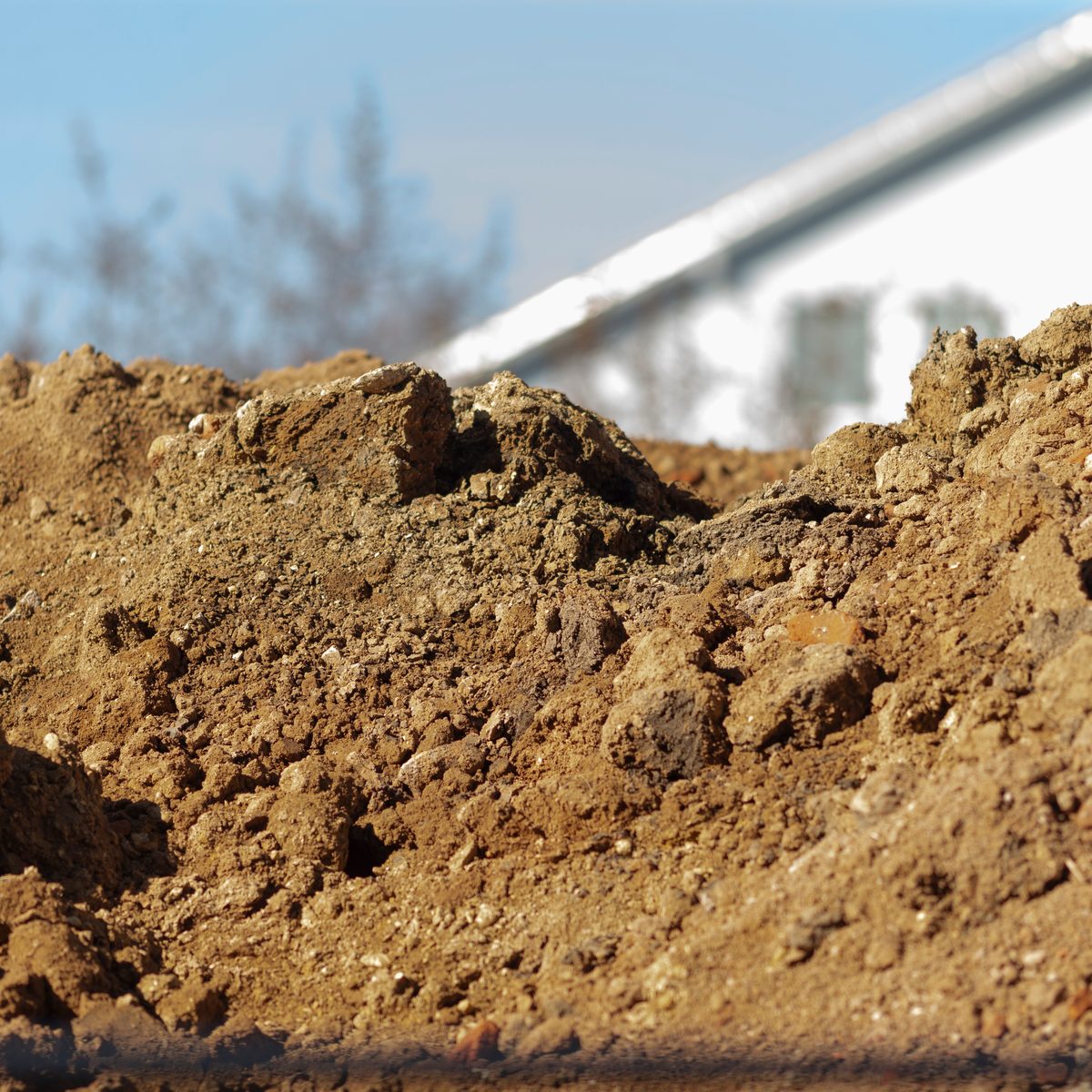
Inorganic subsoil for filling holes, raising low ground, and backfill. Small rocks and bits of stick or root are normal in the mix, this is structural material and not a growing medium. Do not use it to level a lawn surface or fill flower beds, put topsoil over it for anything you want to plant. Place it in lifts and compact as you go.
First time going with this company for mulch and it was an efficient process from start to finish. Website was easy—I told them exactly where I wanted the mulch put on my driveway, and it was delivered perfectly when I got home from work the next day. Best deal around when I c...
Tell us what you're looking for
Thanks! We received your request.
Something went wrong. Please try again.
How Much Fill Dirt Do I Need?
One cubic yard of fill dirt covers about 54 square feet at a 6 inch depth, which is the shallow end of the typical 6 to 12 inch install range. For a backfill or grade raise job, measure the length and width of the low area, decide how many inches you need to bring it up, and order in cubic yards from there. Deeper fills, like around a new foundation or pool wall, will need roughly double the material for the same footprint at 12 inches. Estimate fill dirt with our free topsoil calculator
What is a Yard?
A yard is approximately 27 cubic feet. As a general guideline, one yard of material can cover an area of about 100-160 square feet at a 2-3 inch depth.
What is a yards?
A yard is approximately 27 cubic feet. As a general guideline, one yard of material can cover an area of about 10 feet by 10 feet at a few inches deep.
We can't take orders for this right now. Tell us what you need and we'll get back to you.
What do you need?
Thanks! We received your request.
Something went wrong. Please try again.
Hand-picked local yards
4,000+ regional deliveries
Dedicated support
Why order through Mulch Mound
The best local fill dirt, without the guesswork.
We hand-pick and partner with the best yards in your region, keep only the ones our buyers rate well, and back each load with our guarantee.
Mulch Mound Guarantee
If your fill dirt isn't the quantity or quality you ordered, we'll make it right.
About this fill dirt
Inorganic subsoil for filling holes, raising low ground, and backfill. Small rocks and bits of stick or root are normal in the mix, this is structural material and not a growing medium. Do not use it to level a lawn surface or fill flower beds, put topsoil over it for anything you want to plant. Place it in lifts and compact as you go.
First time going with this company for mulch and it was an efficient process from start to finish. Website was easy—I told them exactly where I wanted the mulch put on my driveway, and it was delivered perfectly when I got home from work the next day. Best deal around when I c...
How Much Fill Dirt Do I Need?
One cubic yard of fill dirt covers about 54 square feet at a 6 inch depth, which is the shallow end of the typical 6 to 12 inch install range. For a backfill or grade raise job, measure the length and width of the low area, decide how many inches you need to bring it up, and order in cubic yards from there. Deeper fills, like around a new foundation or pool wall, will need roughly double the material for the same footprint at 12 inches. Estimate fill dirt with our free topsoil calculator
What is a Yard?
A yard is approximately 27 cubic feet. As a general guideline, one yard of material can cover an area of about 100-160 square feet at a 2-3 inch depth.
What is a yards?
A yard is approximately 27 cubic feet. As a general guideline, one yard of material can cover an area of about 10 feet by 10 feet at a few inches deep.
First time going with this company for mulch and it was an efficient process from start to finish. Website was easy—I told them exactly where I wan...
Read full review
First time going with this company for mulch and it was an efficient process from start to finish. Website was easy—I told them exactly where I wanted the mulch put on my driveway, and it was delivered perfectly when I got home from work the next day. Best deal around when I compared it to competitors and I will definitely be becoming back.
Wonderful experience! They put the mulch exactly where we wanted. This mulch spread very easily and didn’t have the usual “mulch smell.” We will de...
Read full review
Wonderful experience! They put the mulch exactly where we wanted. This mulch spread very easily and didn’t have the usual “mulch smell.” We will definitely use again!
Most fill dirt jobs finish with a cap of topsoil once the grade is set, especially if grass, beds, or a garden are going back on top. If the project involves a paver patio or shed pad, a layer of compactable gravel over the fill gives a more stable base than dirt alone. Either way, the fill does the heavy lifting and the topsoil or gravel is what actually supports what you build or grow.
In Wyoming's sandy loam, fill dirt compacts differently than it would in heavier clay soils elsewhere in Michigan. Place it in lifts of 6 to 8 inches and compact each layer with a plate compactor before adding the next, rather than dumping the full depth at once. Skipping this step is the number one reason people see sunken spots near foundations or pool decks a year or two later. A rented plate compactor for an afternoon is far cheaper than redoing the grading.
Mulch Mound Pro Tip
A common mistake is treating fill dirt as something you can plant into directly. It is subsoil with the topsoil and organic matter screened out, so grass and plants struggle in it. Always cap finished fill with 4 to 6 inches of actual topsoil before seeding or laying sod, especially since Wyoming's growing season only runs from early May to mid October and there is little room for a slow start.
Mulch Mound Pro Tip
If you are backfilling around a new foundation or retaining wall, order slightly more fill dirt than your flat area calculation suggests, since backfill zones rarely have perfectly vertical sides. It is more efficient to combine a fill dirt delivery with a topsoil delivery in the same trip if your project needs both, since you are already coordinating truck access to the site.
Grading and Filling in Wyoming
Wyoming sits on sandy loam that drains fast but also settles unevenly once you start digging foundations, pools, or drainage runs. That combination means fill dirt gets used constantly here for leveling backyards, correcting low areas that pool water after spring melt, and building pad elevation before a patio or shed goes in. With last frost around May 7 and first frost by mid October, most grading and backfill work happens in that window while the ground is workable. Because fill dirt is a structural material and not a growing medium, it has to be compacted properly or you will be fighting settling for years, especially in a sandy loam base that shifts more than clay.
What Fill Dirt Is
Fill dirt is inorganic subsoil sold for volume and grade, not for growing. Small rocks and bits of stick or root are normal in the mix. It compacts predictably, which is exactly what you want under slabs, in trenches, and behind walls.
Fill Dirt vs Topsoil
Fill dirt builds the shape of the ground, topsoil grows things on top of it. Bring the grade up with fill, then cap it with 4 to 6 inches of topsoil anywhere grass or plants are going in.
Compact in Lifts
Place fill in layers of 4 to 6 inches and compact each one before adding the next. Dumping the full depth at once leaves voids that settle later, and settling is the one problem fill is supposed to solve.
Frequently Asked Questions
Click a question to see the answer
Answer
Can I use fill dirt to level my backyard in Wyoming without adding topsoil?
You can use fill dirt alone if the leveled area will be under a patio, shed, or gravel path, since nothing needs to grow there. If you plan to seed grass or plant anything, cap the fill with 4 to 6 inches of topsoil, because fill dirt is subsoil with the organic matter removed and plants will not establish well in it directly.
Answer
How many cubic yards of fill dirt do I need for a 500 square foot low spot?
At a 6 inch fill depth, 500 square feet needs roughly 9 to 10 cubic yards, based on one yard covering about 54 square feet at that depth. If you need a full 12 inches to bring the grade up, plan for closer to 18 to 19 cubic yards, and add a bit more to account for compaction settling.
Answer
When is the best time to bring in fill dirt for a grading project here?
Fill dirt work is driven by your project timeline more than the season, but most Wyoming homeowners handle grading and backfill between last frost around May 7 and first frost around October 12, when the ground is workable and not frozen or waterlogged. Compacting fill in freezing or muddy conditions makes it much harder to get a stable result.
Answer
Where will the fill dirt be placed when it's delivered?
The truck places the load as close to your work area as the driveway or yard access allows, since a fully loaded dump truck needs solid, reasonably level ground and enough clearance to maneuver. Delivery is scheduled at checkout, and you should have your drop zone marked and clear of obstacles before the truck arrives.
Answer
Should I get fill dirt or topsoil for building up my yard before landscaping?
Use fill dirt for the bulk of the grade raise since it is denser, compacts well, and costs less per yard than topsoil, then finish with a topsoil cap where anything needs to grow. Using topsoil alone for major grade changes is unnecessary since its organic content does not compact into a stable structural base the way fill dirt does.