About this landscape rock

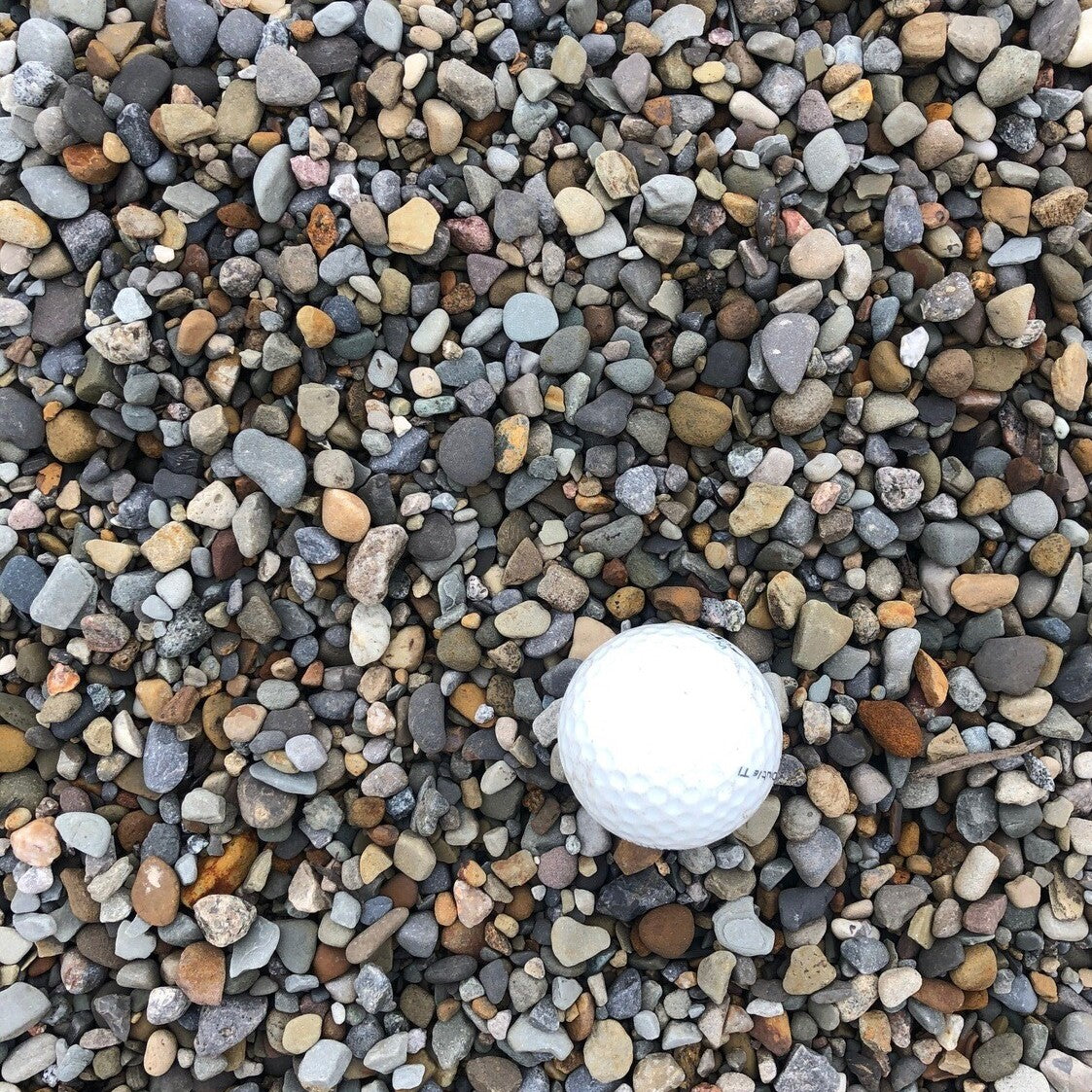
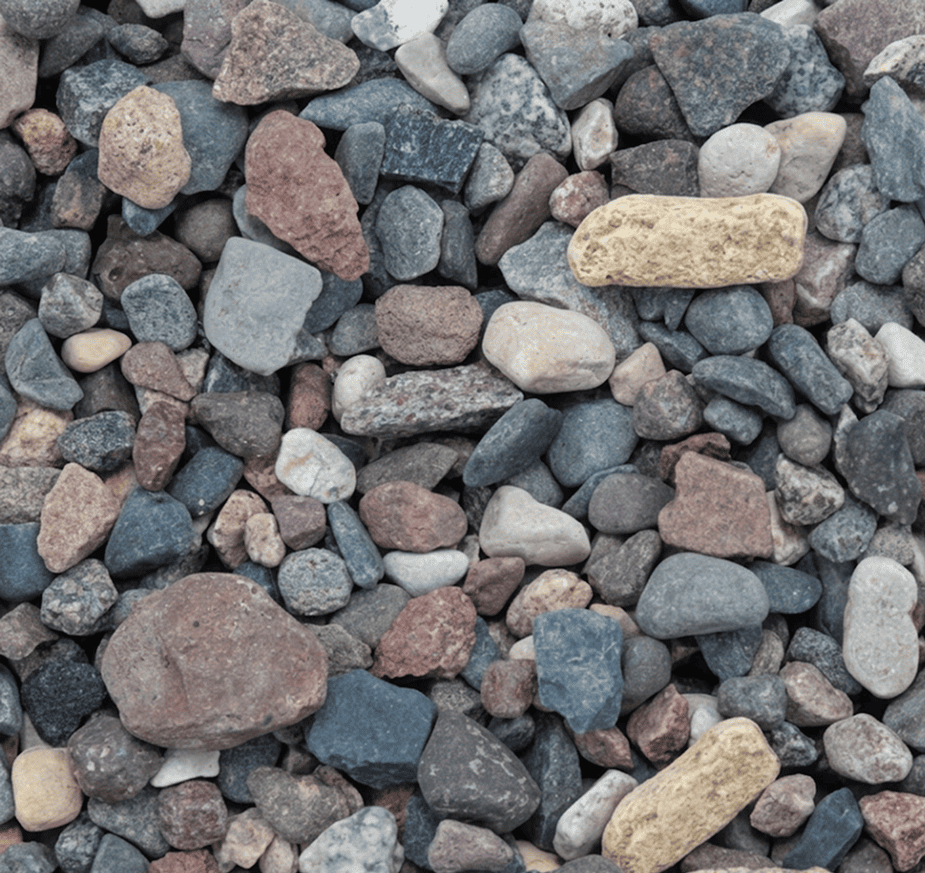
Smooth tumbled river rock, heavy enough to stay put in drainage runs and handsome enough for beds and borders.

One of the easiest customer service experiences I've had in a long time! Mulch Mound made it so simple. After putting it off for a while, I looked at the weather and knew I needed to get to mulching ASAP before the rain came if I didn't want to wait another week. I put my orde...

At a 2 to 3 inch install depth, one cubic yard of landscape rock covers roughly 162 square feet at the shallow end of that range. Measure your bed square footage first, then divide by 162 for a 2 inch depth, or by about 108 if you want closer to 3 inches for better weed suppression. Rock is heavy at 1.35 tons per cubic yard, so it pays to size the order accurately rather than guess high.

A yard is approximately 27 cubic feet. As a general guideline, one yard of material can cover an area of about 100-160 square feet at a 2-3 inch depth.

Airmont Landscape Rock Delivery

Airmont Landscape Rock Delivery

4.7
137 reviews
Regular price $132.00 per Yard
Regular price Sale price $132.00
Sale Sold out
Shipping calculated at checkout.
Type
Size
Minimum of 3 Yard
Hand-picked local yards
4,000+ regional deliveries
Dedicated support
Why order through Mulch Mound

The best local landscape rock, without the guesswork.

We hand-pick and partner with the best yards in your region, keep only the ones our buyers rate well, and back each load with our guarantee.

Mulch Mound Guarantee

If your landscape rock isn't the quantity or quality you ordered, we'll make it right.

About this landscape rock

Smooth tumbled river rock, heavy enough to stay put in drainage runs and handsome enough for beds and borders.

One of the easiest customer service experiences I've had in a long time! Mulch Mound made it so simple. After putting it off for a while, I looked at the weather and knew I needed to get to mulching ASAP before the rain came if I didn't want to wait another week. I put my orde...

At a 2 to 3 inch install depth, one cubic yard of landscape rock covers roughly 162 square feet at the shallow end of that range. Measure your bed square footage first, then divide by 162 for a 2 inch depth, or by about 108 if you want closer to 3 inches for better weed suppression. Rock is heavy at 1.35 tons per cubic yard, so it pays to size the order accurately rather than guess high.

A yard is approximately 27 cubic feet. As a general guideline, one yard of material can cover an area of about 100-160 square feet at a 2-3 inch depth.

View full details

How It Works

Getting started is easy — just follow these simple steps

1

Choose your quantity

Adjust the quantity to match your project. One cubic yard covers about 100 to 160 square feet at a 2 to 3 inch depth.

2

Select your delivery date

Select a delivery date you'd like for the product to be dropped off at your home

3

Sit back and wait

Sit back, wait, and let us work our magic to make sure the highest quality product is delivered to your driveway.

From The Mouths of Airmont Folks

4.7
out of 5 based on 137 reviews
Google Reviews

Complete Your Outdoor Project

Landscaping fabric goes down first if you want the rock to actually stay a decade-long groundcover instead of sinking into that silt loam over time. Edging, whether steel or paver, keeps rock from migrating into the lawn during heavy rain runoff common around here. Some customers pair rock beds with a mulch section elsewhere on the property for planting areas that still need organic matter feeding the soil.

Mulch Mound Pro Tip

In Airmont's silt loam, water moves slowly through the top layer, so grade your bed slightly before laying fabric or the rock will sit in standing water after heavy rain. A quarter inch of fall per foot is usually enough. Skipping this step is the most common reason rock beds near foundations end up looking sunken or discolored within a year or two, especially with the runoff volume this region sees off the Ramapo hills.

Mulch Mound Pro Tip

Rock traps falling leaves instead of breaking them down, which matters here given how many properties sit near tree cover close to Harriman State Park. Plan on blowing or raking leaves off rock beds each fall before the ground freezes, otherwise they mat down and rot into the stone, creating a stain that is hard to reverse without pulling rock and washing it.

Mulch Mound Pro Tip

Because this is a one time install rather than an annual refresh like mulch, spending more time on fabric prep and edging up front saves money over the life of the bed. A well-edged rock bed with proper fabric can outlast two or three mulch refresh cycles, so factor that into how you compare the two materials rather than looking at cost per yard alone.

Decorative Stone in Airmont

Airmont sits at 586 feet with silt loam soil that drains slowly and stays damp longer than sandy ground, which makes bare mulch beds prone to washout on slopes near Harriman State Park. Rock does not compact or break down the way organic mulch does, so it holds its place through the freeze and thaw cycle between your October frost and April thaw. A lot of homeowners here use it against foundations and under downspouts where wood mulch tends to float or rot. It is a good fit for the low-maintenance beds people want once they are done fighting the clay-heavy silt every spring.

What Landscape Rock Is

Landscape rock is stone chosen for how it looks as much as what it does. River rock is smooth and rounded, decomposed granite is fine and packs firm underfoot. Both are sold by the cubic yard for beds, borders, paths, and dry creek beds.

River Rock vs Decomposed Granite

River rock stays loose and rolls, so it suits beds, borders, and drainage runs where it can sit in place. Decomposed granite compacts into a firm surface, so it suits paths, patios, and anywhere you will walk or roll a wheelbarrow.

Depth and Coverage

Spread river rock 2 to 3 inches deep over landscape fabric so it stays put and weeds stay down. Lay decomposed granite 3 to 4 inches deep, wet it, and compact it in lifts for a surface that sheds water instead of rutting.

Frequently Asked Questions

Click a question to see the answer

Answer

How often do I need to redo a landscape rock bed in Airmont?

Landscape rock is a one time install, not an annual refresh like mulch. With fabric underneath and proper edging, a rock bed can hold its look for a decade or more, even through Airmont's freeze and thaw cycles between October and April. You may need to top off low spots occasionally, but full replacement is rare.

Answer

How many cubic yards of rock do I need for a 300 square foot bed?

At a standard 2 inch depth, one cubic yard covers about 162 square feet, so a 300 square foot bed needs a little under 2 cubic yards. If you want a deeper 3 inch layer for better coverage over silt loam soil, plan closer to 2.75 cubic yards to be safe.

Answer

When is the best time to install landscape rock before winter sets in?

Aim to finish before your first frost around October 15 so the fabric and rock settle before the ground freezes. Installing in dry fall weather also makes it easier to grade the silt loam base properly, since this soil gets sticky and hard to work once heavy rain sets in.

Answer

Can the delivery truck reach my backyard or does it have to stay in the driveway?

Delivery trucks place material at the driveway or another accessible spot on your property, they generally cannot drive across lawns or through narrow side gates. If your project is in the backyard, plan on moving the rock by wheelbarrow from the drop point, and clear that path before your scheduled delivery.

Answer

Should I use landscape rock or mulch around my foundation?

Rock holds up better against foundations because it will not rot from moisture the way mulch can over Airmont's slow-draining silt loam. It also will not need refreshing every year. The tradeoff is that rock does not feed the soil, so it is a poor choice around plantings that rely on organic matter breaking down nearby.

More delivery around Airmont, New York

All Airmont, New York landscape supply

