



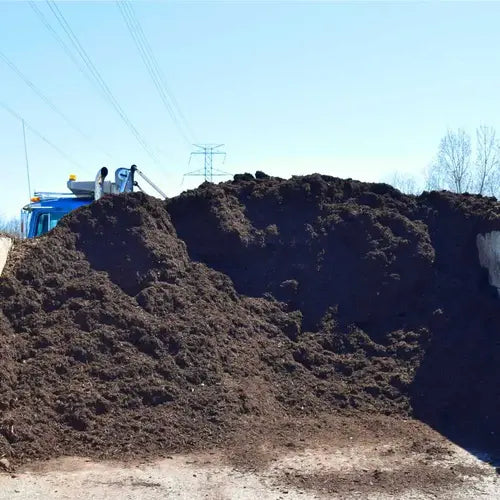
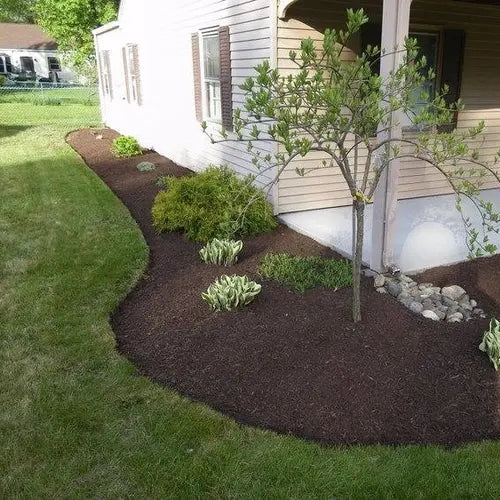

Easy to order, arrived when it was to arrive. Mulch was beautiful! Couldn’t be easier!
About this mulch
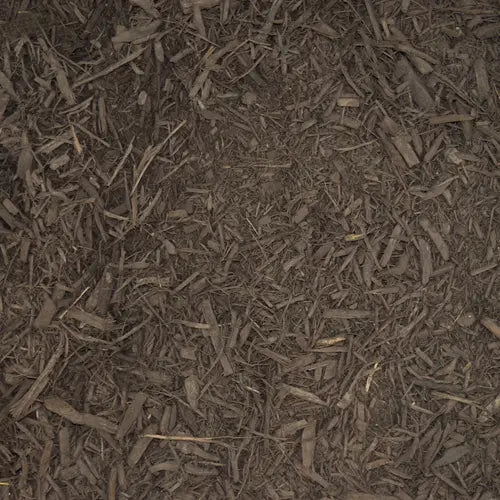
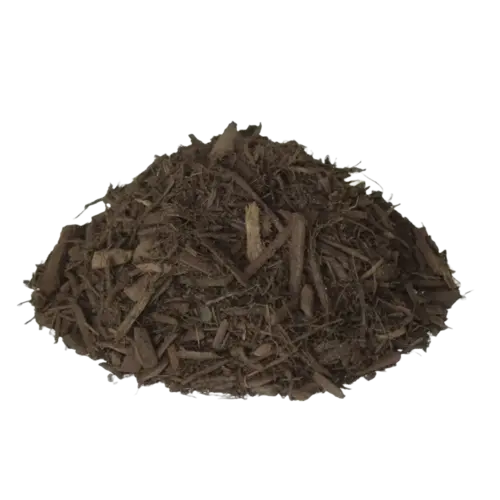
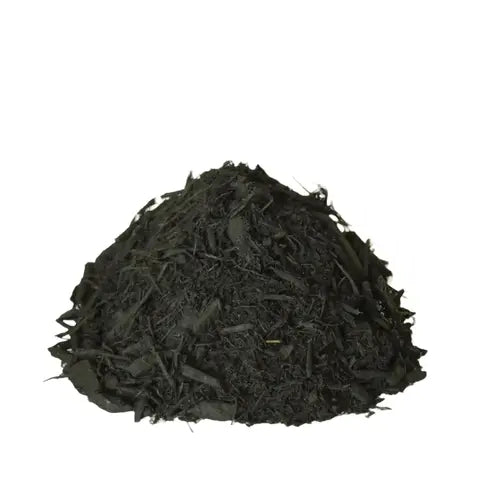
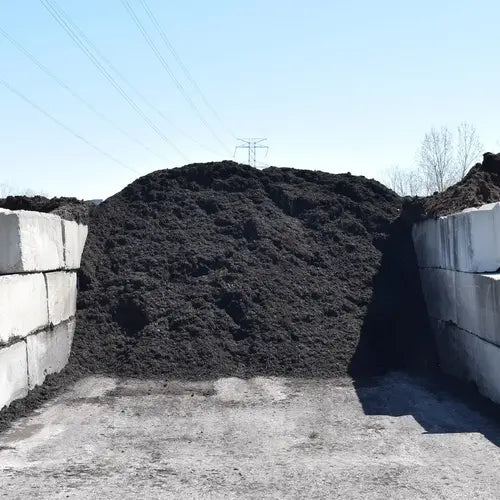
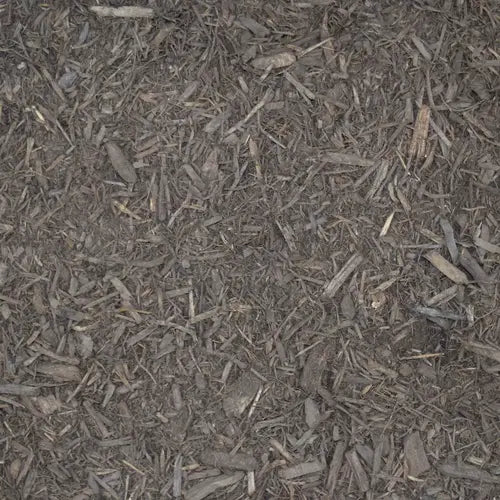
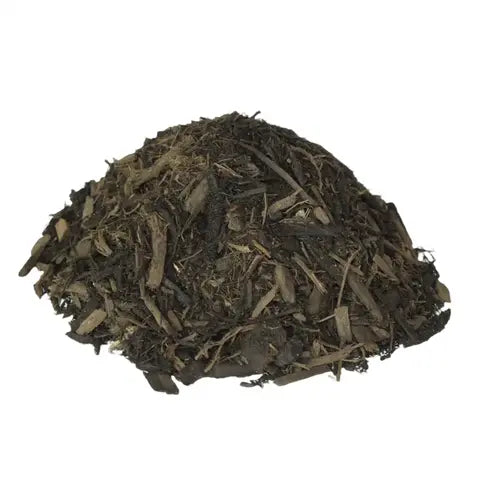
Double-shredded mulch dyed a rich, even brown that holds its color through the season.
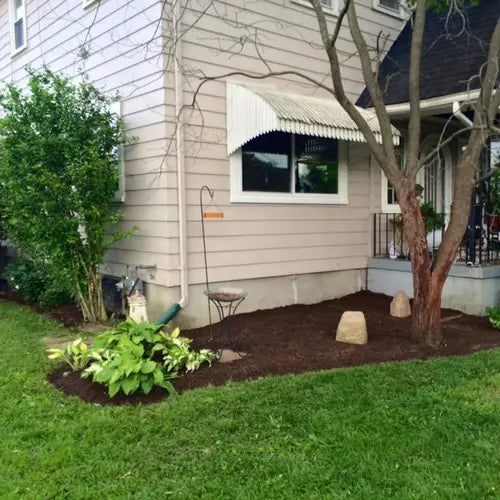
Easy to order, arrived when it was to arrive. Mulch was beautiful! Couldn’t be easier!
Tell us what you're looking for
Thanks! We received your request.
Something went wrong. Please try again.
How Much Material Do I Need?
How Much Material Do I Need?
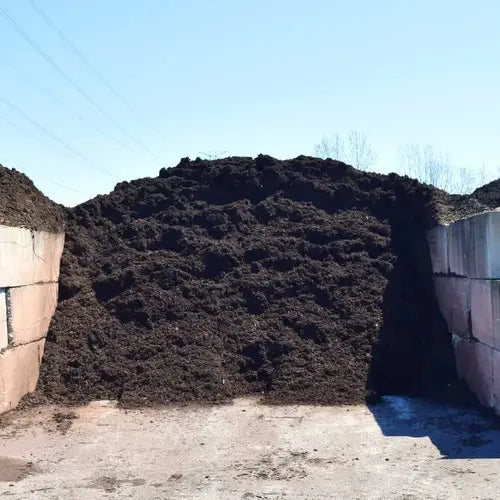
One cubic yard covers about 100 square feet at 3 inches deep, which is the depth most Arroyo Grande beds need to survive the dry season. Round up rather than down, since a little extra is far cheaper than a second delivery fee.
Use our free mulch calculator
What is a yard?
What is a yard?
FAQs
FAQs
Arroyo Grande Mulch Delivery
Arroyo Grande Mulch Delivery
Regular price
$64.00
per
Yard
Regular price
Sale price
$64.00
Unit price
per
Shipping calculated at checkout.
Minimum of 3 Yard
Couldn't load pickup availability
Not currently available
We can't take orders for this right now. Tell us what you need and we'll get back to you.
Hand-picked local yards
4,000+ regional deliveries
Dedicated support
Why order through Mulch Mound
The best local , without the guesswork.
We hand-pick and partner with the best yards in your region, keep only the ones our buyers rate well, and back each load with our guarantee.
Mulch Mound Guarantee
If your isn't the quantity or quality you ordered, we'll make it right.
About this mulch
Double-shredded mulch dyed a rich, even brown that holds its color through the season.
Easy to order, arrived when it was to arrive. Mulch was beautiful! Couldn’t be easier!
How Much Material Do I Need?
How Much Material Do I Need?
One cubic yard covers about 100 square feet at 3 inches deep, which is the depth most Arroyo Grande beds need to survive the dry season. Round up rather than down, since a little extra is far cheaper than a second delivery fee.
Use our free mulch calculator
What is a yard?
What is a yard?
FAQs
FAQs
Tell us what you're looking for
Thanks! We received your request.
Something went wrong. Please try again.

How It Works
Getting started is easy — just follow these simple steps
1
Choose your Mulch
Make sure you adjust the quantity to your home's needs. You can use our calculator to estimate how much you'll need.
2
Select your delivery date
Select a delivery date you'd like for the product to be dropped off at your home
3
Sit back and wait
Sit back, wait, and let us work our magic to make sure the highest quality product is delivered to your driveway.

Great experience! Easy to order, they delivered promptly and were very respectful of the property! Ordered the triple shredded brown mulch and it w...
Read full review
Great experience! Easy to order, they delivered promptly and were very respectful of the property! Ordered the triple shredded brown mulch and it was EXACTLY what I wanted. Very clean product too, no garbage or filler. Already put these guys in my calendar to order from next year! Keep up the good work.

Website was easy to use. Mulch was delivered on time and exactly where specified. It makes our front yard look great just in time for spring!
Calculate mulch for your Arroyo Grande project
For Arroyo Grande's type of soil, we recommend 2-3 inches for best weed suppression and moisture retention
Try Our CalculatorMeasure each bed separately rather than guessing at your whole yard, since curved borders almost always contain more square footage than people expect. Multiply length by width, and for irregular beds break them into rectangles and triangles and add them up. Then choose your depth and let the calculator convert to cubic yards.
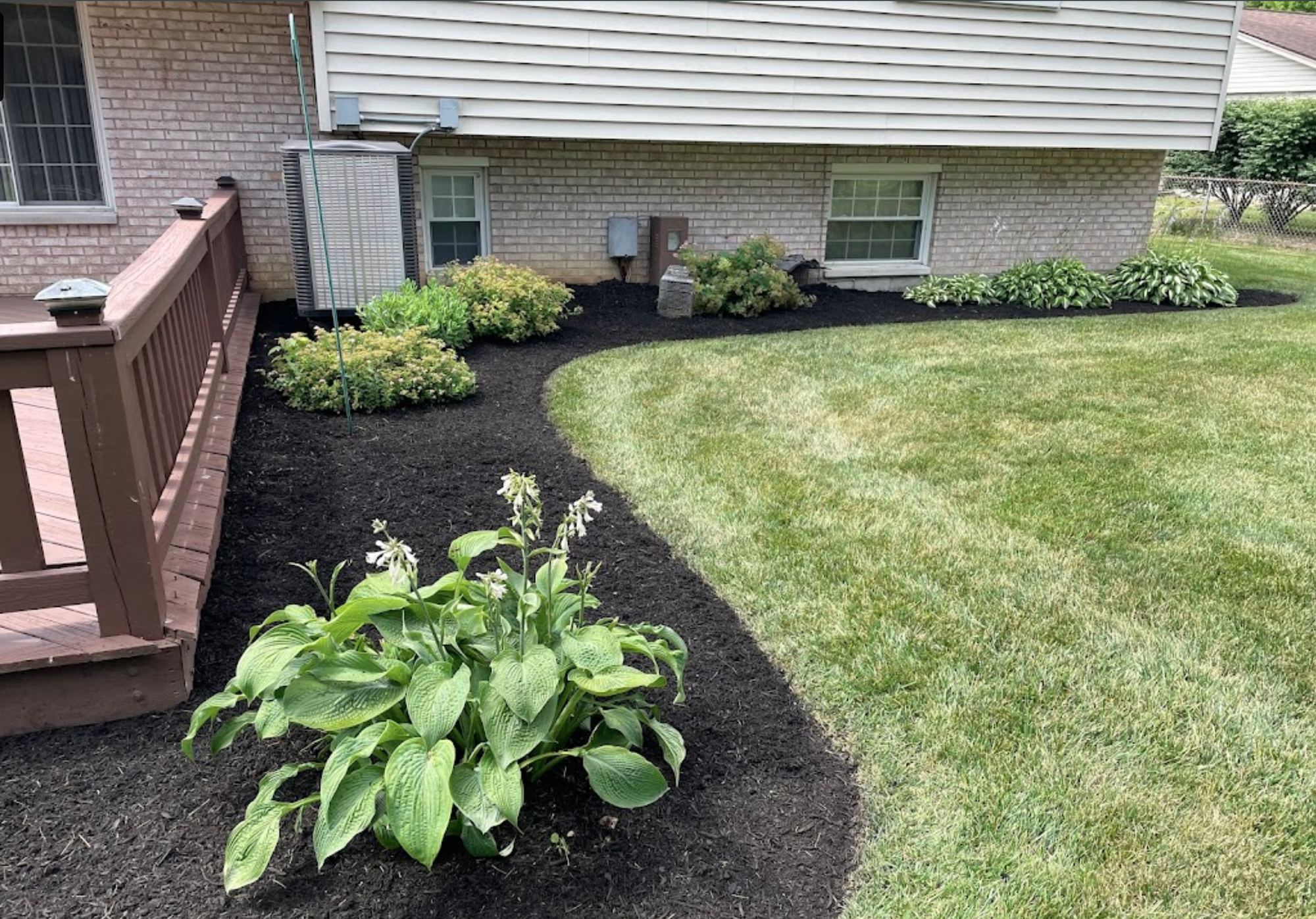
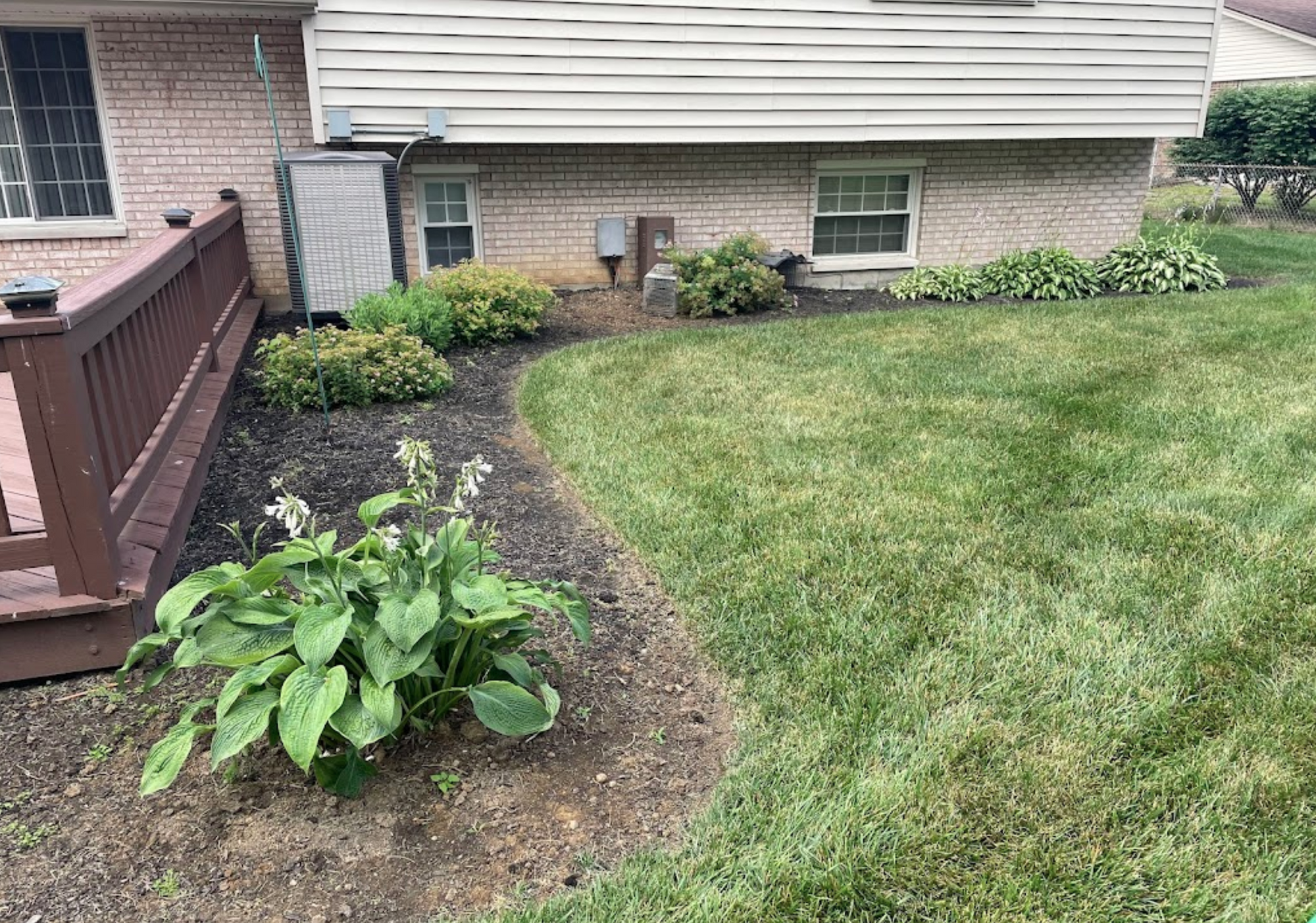

Best Mulch Choice for Arroyo Grande Lawns
Most yards in the Arroyo Grande area sit on type of soil. Sandy loam here drains so fast that water and nutrients slip below the root zone within hours of irrigation, leaving plants thirsty by the next afternoon. Beds with little organic matter also crust over and shed water when they finally do dry out.
Hardwood Mulch
Shredded hardwood mulch breaks down slowly into humus that acts like a sponge in sandy loam, dramatically improving how long each irrigation cycle lasts. Its fibrous texture also knits together, so it stays put on the gentle slopes common throughout Arroyo Grande rather than washing to the bottom.
Complete Your Outdoor Mulch Project
Pair your mulch with a load of compost or garden soil worked in first, so the amendment reaches the root zone before you cap it. Decorative stone along walkways and dripline edges keeps the mulch where you put it.
Service area
Areas we deliver mulch in Arroyo Grande, California
Mulch Mound Pro Tip
Water deeply before you mulch, not after. Our sandy loam takes water in fast but a dry 3 inch mulch layer will wick up the first several gallons of any irrigation cycle and never pass it down to the roots. Run your drip lines or a soaker for an hour, let the soil soak overnight, then spread. Your first post mulch watering should also run long to wet the new layer through.
Mulch Mound Pro Tip
Pull your drip emitters up on top of the mulch rather than burying them. Buried emitters in sandy loam clog with fine particles and you cannot see a failed line until a plant is already stressed. Sitting on the surface, they are easy to inspect each spring and the water still soaks straight through. Check them in March before the dry season really starts.
Mulch Mound Pro Tip
Do not mound mulch against trunks or crowns. Volcano mulching around young oaks, olives, and fruit trees traps coastal moisture right where bark needs to breathe, and it invites rot and rodents. Keep a clean donut of bare soil around every trunk. The same applies to the base of roses and lavender, both of which sulk in Arroyo Grande when their crowns stay wet through a foggy June.
The Unique Landscape of Arroyo Grande
Arroyo Grande sits in Zone 10a just a few miles from the Pacific, and with only about 20 inches of rain a year the moisture that arrives between December and March has to be stretched across a long dry summer. Our sandy loam drains quickly, which is wonderful for avocados and citrus but punishing for shallow rooted shrubs that dry out by mid afternoon once the marine layer burns off. A layer of mulch is the single cheapest way to slow that evaporation and keep root zones cool when inland afternoons push into the 90s while the Village stays foggy. Mulch also feeds the soil food web as it breaks down, adding the organic matter our sandy loam simply does not hold on its own. In a town where summer irrigation is watched closely and water rates are not cheap, mulch pays for itself in saved gallons. It also blocks the winter weed flush that follows the first real rains in November and December.