
About this mulch

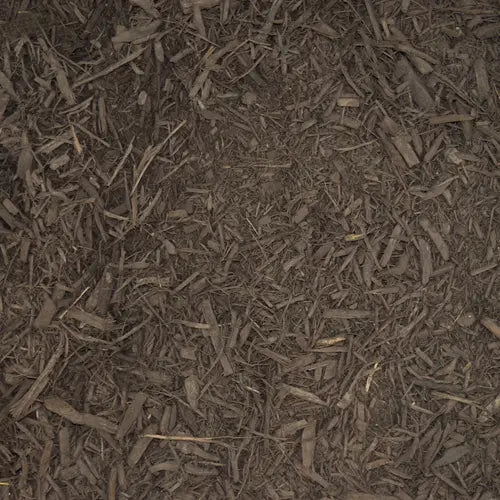
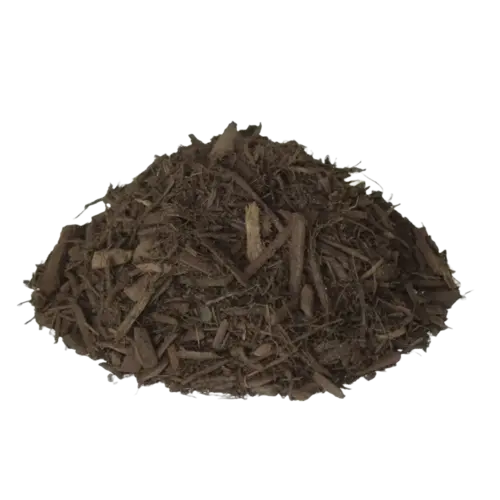
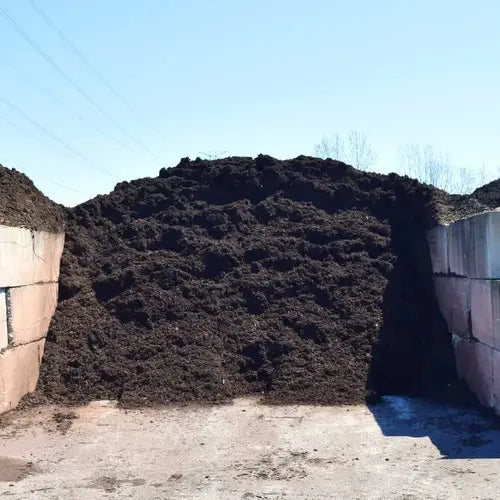
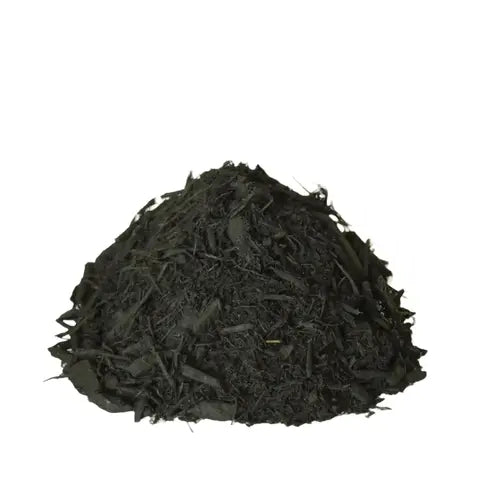
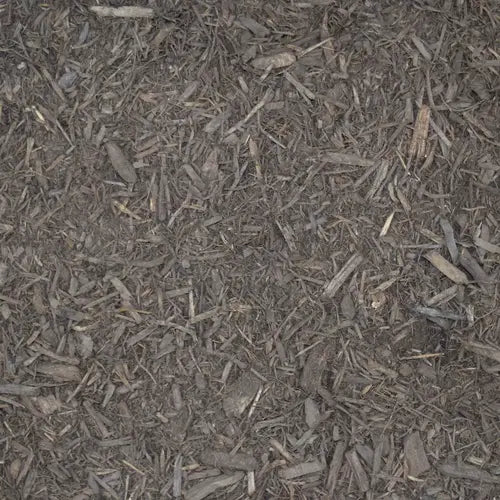
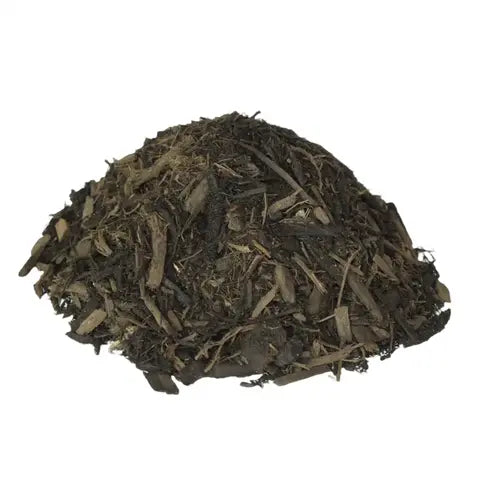
Double-shredded mulch dyed a rich, even brown that holds its color through the season.

UPDATE!

I can’t say enough good things about Mulch Mound! If you read my review below you will see I had a problem with my order. Mulch Mound was quick to respond and solved the issue with my delivery. Will definitely be a customer next year.

First time purchase...

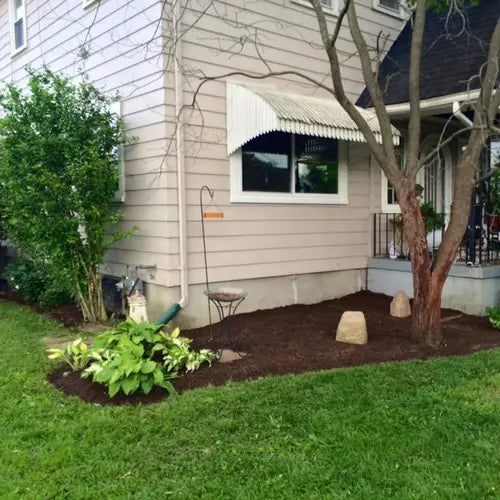
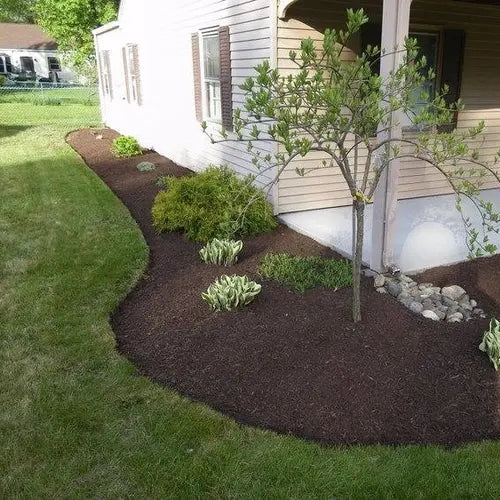
Three inches is the sweet spot for Atwater beds, deep enough to slow evaporation through the dry season without smothering roots. Around shallow rooted annuals and vegetable beds, back it down to about two inches.
Use our free mulch calculator

A yard is approximately 27 cubic feet. As a general guideline, one yard of material can cover an area of about 100-160 square feet at a 2-3 inch depth.

Atwater Mulch Delivery

Atwater Mulch Delivery

4.7
137 reviews
Regular price $64.00 per Yard
Regular price Sale price $64.00
Sale Sold out
Shipping calculated at checkout.
Color
Style
Hand-picked local yards
4,000+ regional deliveries
Dedicated support
Why order through Mulch Mound

The best local , without the guesswork.

We hand-pick and partner with the best yards in your region, keep only the ones our buyers rate well, and back each load with our guarantee.

Mulch Mound Guarantee

If your isn't the quantity or quality you ordered, we'll make it right.

About this mulch

Double-shredded mulch dyed a rich, even brown that holds its color through the season.

UPDATE!

I can’t say enough good things about Mulch Mound! If you read my review below you will see I had a problem with my order. Mulch Mound was quick to respond and solved the issue with my delivery. Will definitely be a customer next year.

First time purchase...

Three inches is the sweet spot for Atwater beds, deep enough to slow evaporation through the dry season without smothering roots. Around shallow rooted annuals and vegetable beds, back it down to about two inches.
Use our free mulch calculator

A yard is approximately 27 cubic feet. As a general guideline, one yard of material can cover an area of about 100-160 square feet at a 2-3 inch depth.

View full details

How It Works

Getting started is easy — just follow these simple steps

1

Choose your Mulch

Make sure you adjust the quantity to your home's needs. You can use our calculator to estimate how much you'll need.

2

Select your delivery date

Select a delivery date you'd like for the product to be dropped off at your home

3

Sit back and wait

Sit back, wait, and let us work our magic to make sure the highest quality product is delivered to your driveway.

What Atwater Customers Are Saying

4.7
out of 5 based on 137 reviews
Google Reviews

Calculate mulch for your Atwater project

For Atwater's type of soil, we recommend 2-3 inches for best weed suppression and moisture retention

Try Our Calculator
📍

Break your yard into simple rectangles and circles rather than trying to measure one odd shape, then add the square footage together. For curved beds along an Atwater driveway, average the widest and narrowest points to get a workable number. One cubic yard covers about 100 square feet at three inches deep.

Mulch vs. No Mulch: The Difference

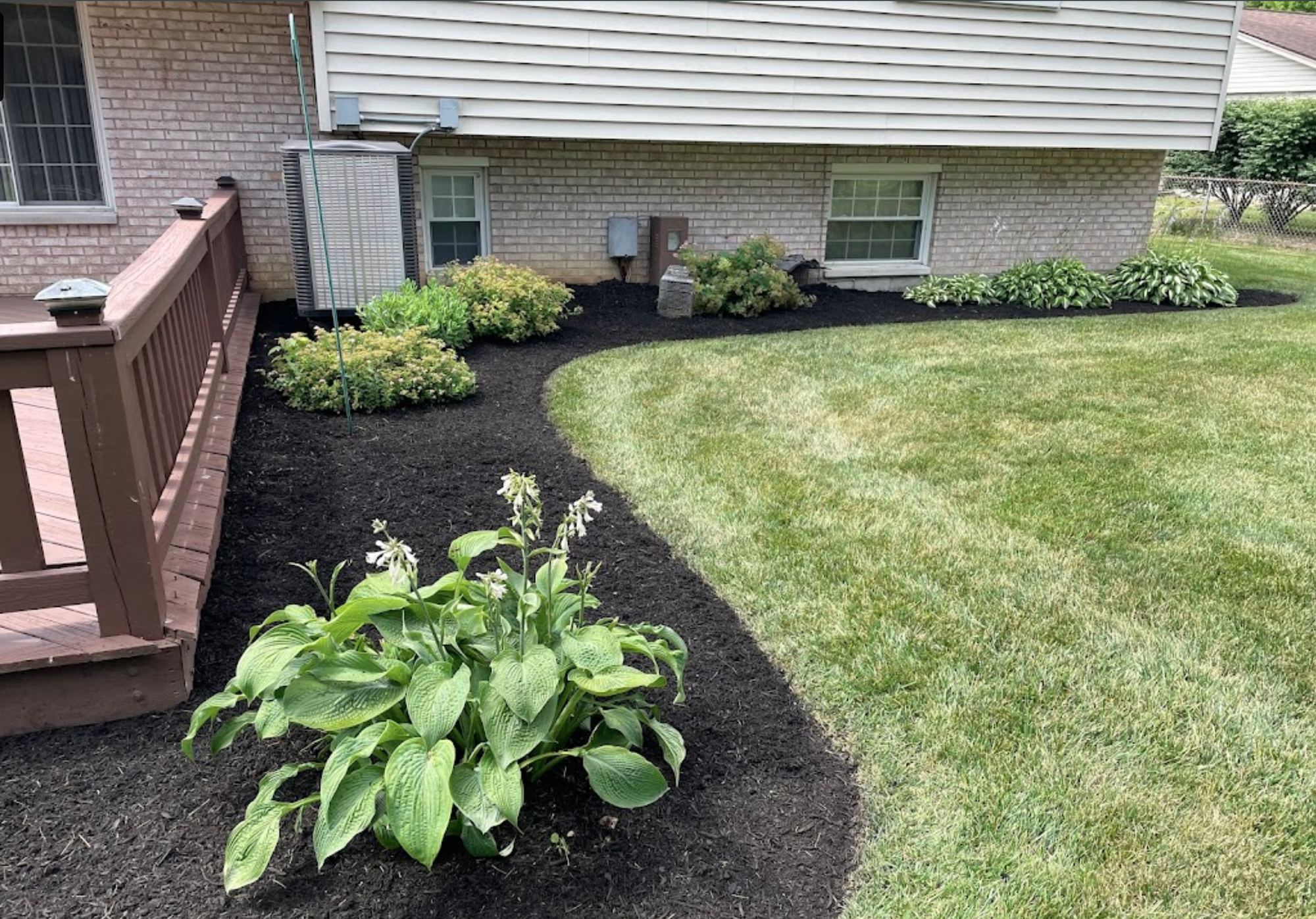
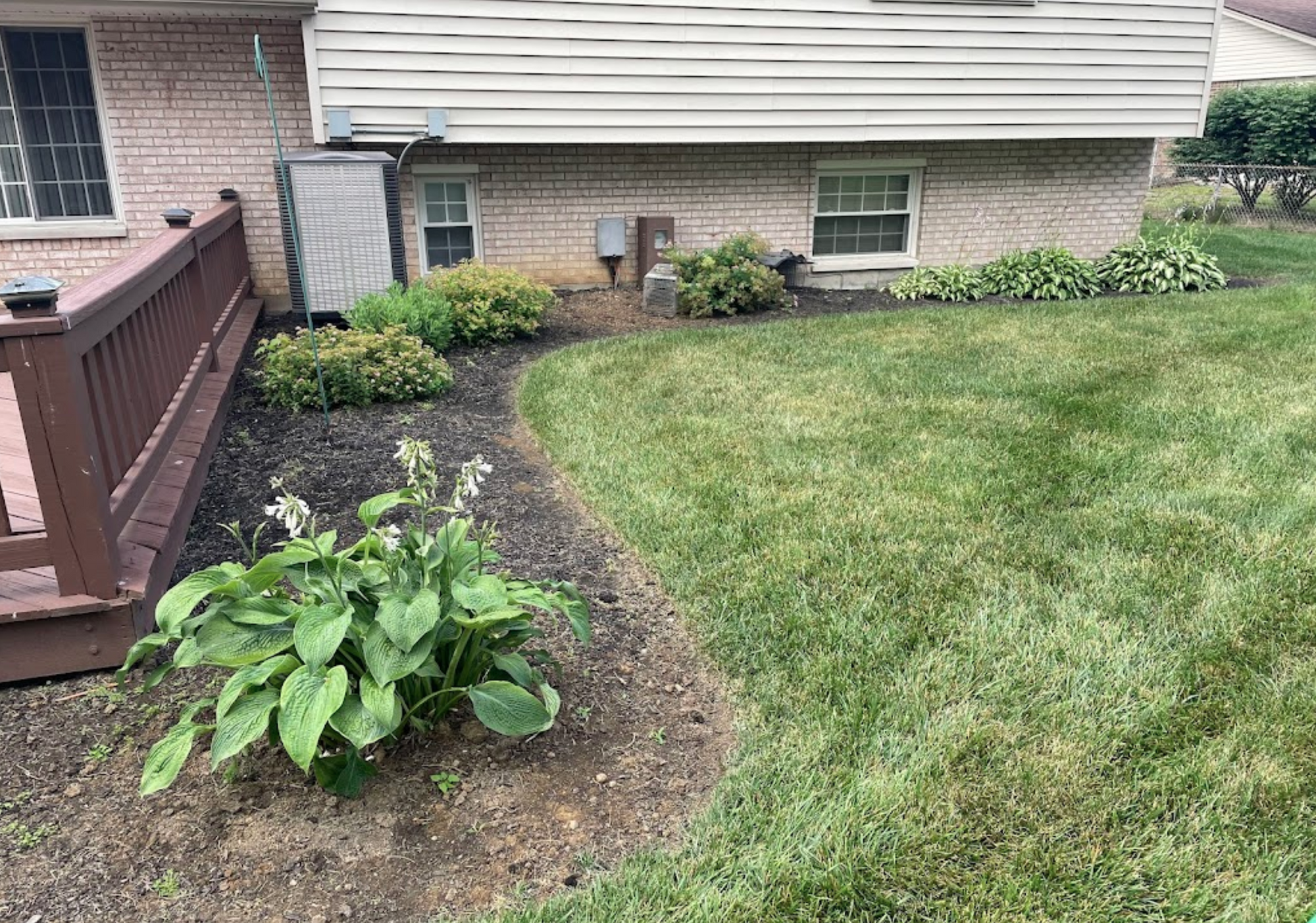
Atwater's long, hot, bone dry summers and mild wet winters create an unusual breakdown pattern for mulch. Organic bark and shredded wood decompose slowly during the rainless stretch from May to October, then decay picks up quickly once winter rains and cool temperatures arrive. Non organic options like rock hold their look indefinitely but do nothing to feed the sandy loam that most Atwater yards sit on.

Before image
After image
Slider handle
Before
After

Complete Your Outdoor Mulch Project

Pair your mulch with a few yards of compost or garden soil worked in first, since Atwater sandy loam benefits from organic matter underneath the mulch layer. Cobble or crushed rock along downspouts and drip lines keeps splash out of the mulch and finishes the look.

Mulch Mound Pro Tip

Water your beds thoroughly the day before mulch arrives. Atwater sandy loam dries out to a powder in summer, and mulching over bone dry ground just locks that dryness in place. Wet the soil down to six or eight inches, let it settle overnight, then spread. The mulch seals in that moisture and your irrigation system starts the season with a full profile instead of chasing a deficit all summer.

Mulch Mound Pro Tip

Watch your drip emitters after mulching. In Atwater yards it is easy to bury half inch drip line under three inches of bark and never notice a clogged or popped emitter until a shrub browns out in July. Lay the tubing on top of the soil, spread mulch over it, then run a cycle and walk the bed looking for damp spots. Flag any emitter that is not wetting the surface.

Mulch Mound Pro Tip

Rake mulch back from the base of citrus trees. Atwater homeowners grow a lot of backyard oranges and lemons, and those trunks rot easily when bark sits against them through winter dampness. Leave a clear six inch ring around the trunk flare, then run mulch out to the drip line where the feeder roots actually are. The tree gets the moisture benefit without the collar rot risk.

Frequently Asked Questions

Click a question to see the answer

Answer

How deep should mulch go in Atwater with only 12 inches of rain a year?

Go three inches deep in shrub beds and around trees. In a low rainfall climate like Atwater, that depth is what actually slows evaporation and cuts irrigation runtime. Two inches looks fine but breaks down and thins out before the summer is over. Keep it pulled back a couple inches from trunks and stems.

Answer

Will mulch help my sprinklers use less water during a Merced County summer?

Yes, noticeably. Bare sandy loam in Atwater can lose a surprising amount of applied water to surface evaporation on a 102 degree day. Three inches of mulch traps that moisture where roots can reach it, and most homeowners here can trim drip and spray run times by roughly a quarter after mulching without stressing plants.

Answer

When is the best time of year to mulch in Atwater?

Late February through March is ideal, right after the last frost around February 25 and while winter moisture is still in the soil. You seal that moisture in before the dry season starts. A second lighter top up in early fall works well too, since Atwater stays warm well past October and beds keep drying out.

Answer

Does mulch attract termites or ants around Atwater homes?

Mulch does not create termites, but any moist material against stucco or wood siding invites problems. Keep mulch six inches away from the foundation and below the weep screed line. Argentine ants are common in Atwater yards and prefer consistently damp spots, so avoid overwatering the mulched zone right against the house.

Answer

How fast does mulch break down here compared to cooler areas?

Faster on top, slower underneath. Atwater heat and sun bleach and degrade the surface layer within a season, while the low humidity and limited rainfall slow the microbial decay happening down at soil level. Plan on topping off about an inch each year rather than a full replacement.

Answer

Can I put mulch over my existing decomposed granite or old bark?

You can layer fresh mulch over old bark as long as the existing material has not matted into a water shedding crust. Rake it loose first. Over decomposed granite we suggest removing the top layer instead, since DG and organic mulch mix into a compacted layer that sheds irrigation water rather than absorbing it.

Answer

How many cubic yards do I need for a typical Atwater front yard bed?

A common Atwater front bed running along the house and out to the walkway is around 200 to 300 square feet. At three inches deep that is roughly 2 to 3 cubic yards. Measure length times width for each bed, add them together, and use our calculator to convert to yards.

The Unique Landscape of Atwater

Atwater sits in the heart of Merced County farm country, where summer highs run past 100 degrees for weeks at a time and the valley gets only about 12 inches of rain a year. That combination pulls moisture out of sandy loam beds faster than most homeowners expect, especially in the flat, wind exposed yards north of Bellevue Road. Mulch is the cheapest insulation you can buy for a Zone 9b landscape, holding irrigation water in the root zone instead of letting it evaporate off bare ground by mid morning. A three inch blanket also keeps soil temperatures from spiking in July and August, which protects the shallow feeder roots of crape myrtles, roses, and young citrus. Because Atwater winters are mild and frost only threatens between late November and late February, mulch works nearly year round here rather than serving as a seasonal cover. Add in weed suppression during the short green up after winter rains, and mulch does more work per dollar than almost any other material we haul.