



I needed 3 yards of top soil and that's what I got! Right on time and right where I asked it to be placed (Order# 2041).
About this soil
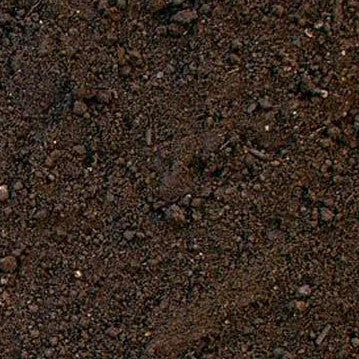
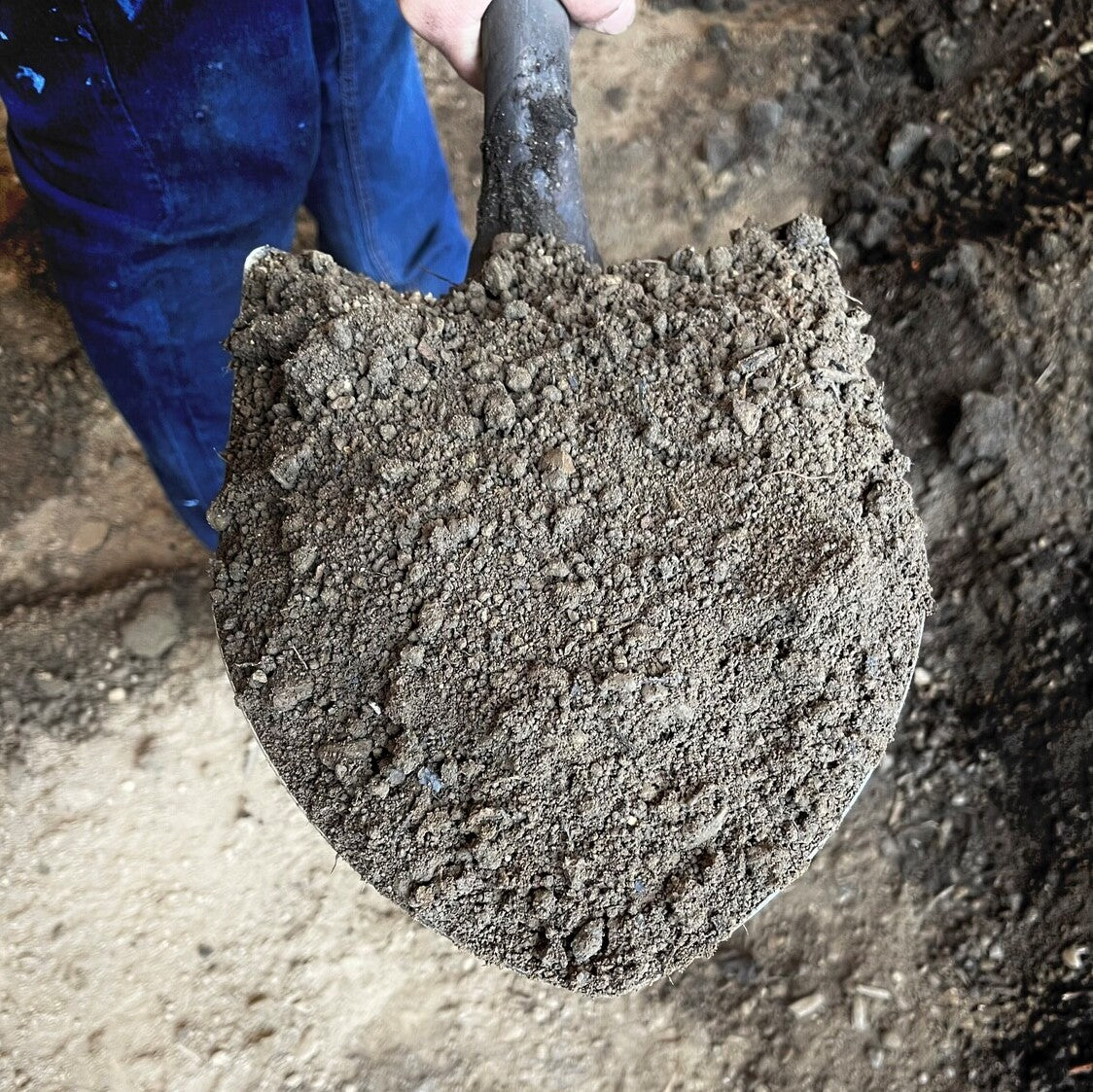
Screened topsoil with a fine, even texture. Ideal for new lawns, sod prep, and raised garden beds.
I needed 3 yards of top soil and that's what I got! Right on time and right where I asked it to be placed (Order# 2041).
Tell us what you're looking for
Thanks! We received your request.
Something went wrong. Please try again.
How Much Material Do I Need?
How Much Material Do I Need?
Plan on six to eight inches of quality soil for new planting beds and a full twelve inches for raised vegetable boxes. For lawn topdressing in Atwater, a quarter to half inch spread evenly is all you need per application.
Use our free soil calculator
What is a Yard?
What is a Yard?
FAQs
FAQs
Atwater Soil Delivery
Atwater Soil Delivery
Regular price
$64.00
per
Yard
Regular price
Sale price
$64.00
Unit price
per
Shipping calculated at checkout.
Minimum of 3 Yard
Couldn't load pickup availability
Hand-picked local yards
4,000+ regional deliveries
Dedicated support
Why order through Mulch Mound
The best local , without the guesswork.
We hand-pick and partner with the best yards in your region, keep only the ones our buyers rate well, and back each load with our guarantee.
Mulch Mound Guarantee
If your isn't the quantity or quality you ordered, we'll make it right.
About this soil
Screened topsoil with a fine, even texture. Ideal for new lawns, sod prep, and raised garden beds.
I needed 3 yards of top soil and that's what I got! Right on time and right where I asked it to be placed (Order# 2041).
How Much Material Do I Need?
How Much Material Do I Need?
Plan on six to eight inches of quality soil for new planting beds and a full twelve inches for raised vegetable boxes. For lawn topdressing in Atwater, a quarter to half inch spread evenly is all you need per application.
Use our free soil calculator
What is a Yard?
What is a Yard?
FAQs
FAQs
Tell us what you're looking for
Thanks! We received your request.
Something went wrong. Please try again.
How It Works
Getting started is easy — just follow these simple steps
1
Choose your soil
Make sure you adjust the quantity to your home's needs. You can use our calculator to estimate how much you'll need.
2
Select your delivery date
Select a delivery date you'd like for the product to be dropped off at your home
3
Sit back and wait
Sit back, wait, and let us work our magic to make sure the highest quality product is delivered to your driveway.

Highest compliments. Great driver.
Website is easy to navigate. Just a seamless process. 5 stars!!

Need Help Calculating How Much Soil You Need?
Use our NEW Trace from Satellite tool to get an estimate for your project based on an aerial view of your property
Try Our CalculatorMeasure the length and width of each bed and decide how deep you need to go, then convert inches to feet before you multiply. For a raised bed, use the interior dimensions rather than the outside frame. Order about ten percent extra, since soil settles more than you expect after the first deep watering.
Complete Your Outdoor Soil Project
Finish new beds with three inches of mulch on top so your fresh soil does not bake and crust in the valley sun. A few yards of compost worked in first, plus drip line and edging, rounds out most Atwater soil projects.
Service area
Areas we deliver soil in Atwater, California
Mulch Mound Pro Tip
Do not just dump new topsoil on top of compacted native ground. Atwater yards often have a compacted layer from construction traffic or years of foot traffic, and a clean boundary between old and new soil acts like a bathtub floor. Loosen the existing surface four to six inches with a fork or tiller first, then blend the bottom couple inches of your new soil into it so roots and water cross freely.
Mulch Mound Pro Tip
Time your soil delivery around the heat. From June through September, Atwater afternoons regularly clear 100 degrees, and an uncovered soil pile turns into a dry crusted mound in two days. Take a morning delivery, keep a tarp handy, and give the pile a light misting if it has to sit. Damp soil spreads and rakes far more easily than a pile that has baked solid.
Mulch Mound Pro Tip
Build organic matter every year instead of chasing it once. Sandy loam in the Merced County valley burns through compost quickly in warm soil temperatures, so a single big amendment fades within two or three seasons. Add a half inch of compost each spring to beds and lawns. That steady input is what turns fast draining Atwater ground into soil that actually holds an irrigation cycle.
The Unique Landscape of Atwater
Most Atwater lots were graded on old valley farm ground, which means the native profile is sandy loam that drains fast and carries very little organic matter. That soil grows almonds and row crops beautifully with heavy irrigation, but it frustrates homeowners trying to establish lawns, raised beds, and ornamental plantings. Water and fertilizer both move straight through, so plants dry out between cycles even when the controller is running plenty. Bringing in quality topsoil, garden blends, or compost rebuilds the water holding capacity the native ground lacks. In a Zone 9b climate with a growing season stretching from late February to late November, better soil pays back all year long. It also levels out the settling and low spots that show up in older Atwater yards where builders spread thin fill over hardpan.