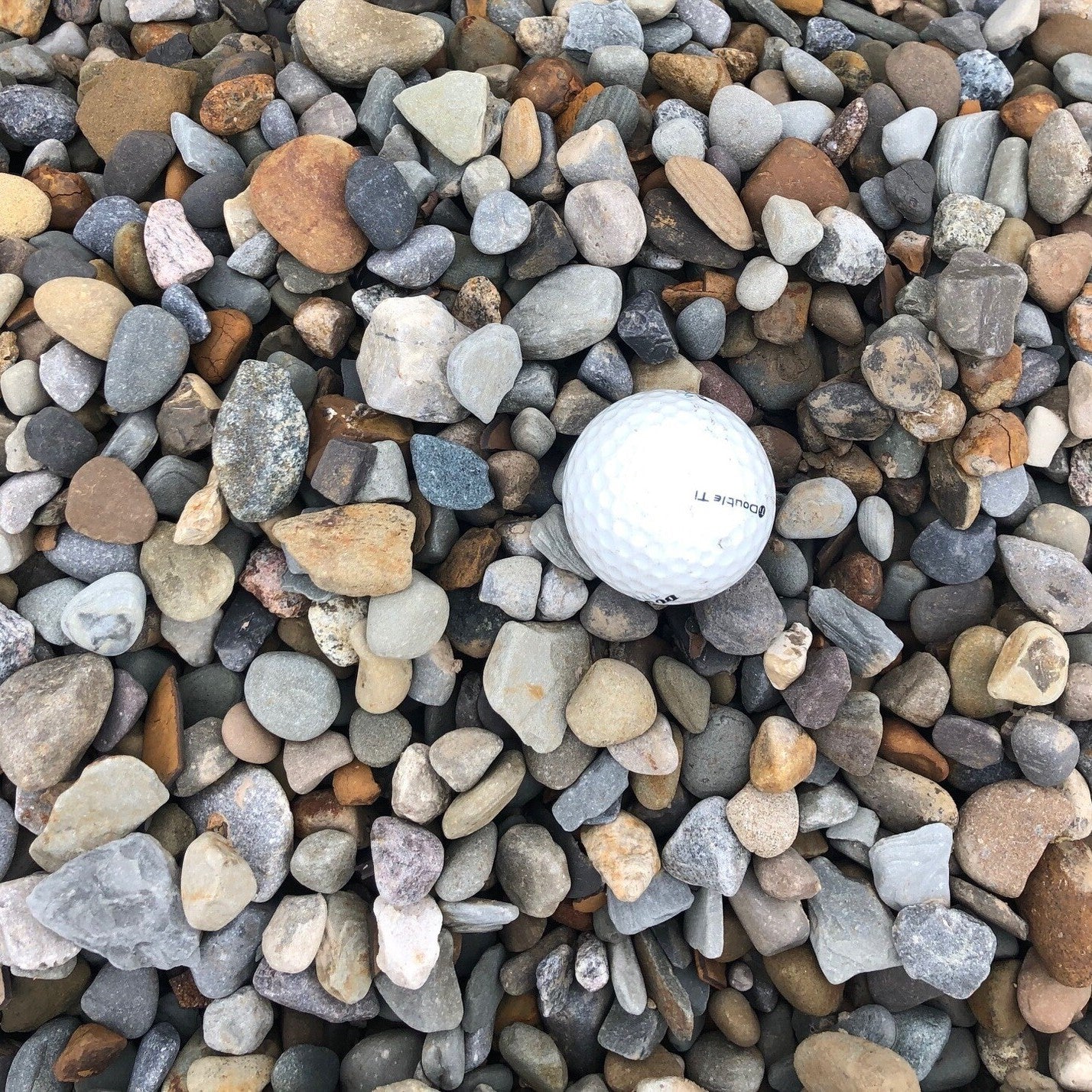
About this stone

#8 washed gravel: small angular crushed stone perfect for drainage, French drains, and concrete bases.

Mulch Mound delivered a yard of pea gravel to us. Delivery was on time, driver was friendly and hit a bullseye on the “tarp target”. We used the pea gravel (which was diameter as specified) to fill several muskrat holes around our pond. I would definitely recommend Mulch Mo...

Two to three inches of decorative stone is enough for ground cover and weed suppression in Atwater yards. For driveways, parking pads, and paver bases, go four inches of crushed rock compacted in lifts.
Use our free stone calculator

A yard is approximately 27 cubic feet. As a general guideline, one yard of material can cover an area of about 100-160 square feet at a 2-3 inch depth.

Atwater Stone Delivery

Atwater Stone Delivery

4.7
137 reviews
Regular price $101.00 per Yard
Regular price Sale price $101.00
Sale Sold out
Shipping calculated at checkout.
Type
Size
Hand-picked local yards
4,000+ regional deliveries
Dedicated support
Why order through Mulch Mound

The best local , without the guesswork.

We hand-pick and partner with the best yards in your region, keep only the ones our buyers rate well, and back each load with our guarantee.

Mulch Mound Guarantee

If your isn't the quantity or quality you ordered, we'll make it right.

About this stone

#8 washed gravel: small angular crushed stone perfect for drainage, French drains, and concrete bases.

Mulch Mound delivered a yard of pea gravel to us. Delivery was on time, driver was friendly and hit a bullseye on the “tarp target”. We used the pea gravel (which was diameter as specified) to fill several muskrat holes around our pond. I would definitely recommend Mulch Mo...

Two to three inches of decorative stone is enough for ground cover and weed suppression in Atwater yards. For driveways, parking pads, and paver bases, go four inches of crushed rock compacted in lifts.
Use our free stone calculator

A yard is approximately 27 cubic feet. As a general guideline, one yard of material can cover an area of about 100-160 square feet at a 2-3 inch depth.

View full details

How It Works

Getting started is easy — just follow these simple steps

1

Choose your stone

Make sure you adjust the quantity to your home's needs. You can use our calculator to estimate how much you'll need.

2

Select your delivery date

Select a delivery date you'd like for the product to be dropped off at your home

3

Sit back and wait

Sit back, wait, and let us work our magic to make sure the highest quality product is delivered to your driveway.

From The Mouths of Atwater Folks

4.7
out of 5 based on 137 reviews
Google Reviews

Need Help Calculating How Much Stone & Gravel You Need?

Use our NEW Trace from Satellite tool to get an estimate for your project based on an aerial view of your property

Try Our Calculator
📍

Sketch the area and split it into rectangles, then measure each in feet and multiply length by width. Decide your depth up front, since two inches versus three inches changes your order by half. Remember stone is sold by weight as often as volume, so have the square footage ready and we will convert it to tons.

Complete Your Outdoor Stone Project

Add steel or bender board edging to keep gravel out of the lawn and sidewalk, plus quality woven weed fabric underneath. Larger cobble accents and boulders break up big gravel areas and give an Atwater front yard some depth.

Mulch Mound Pro Tip

Use woven fabric, not the thin plastic sheeting sold in rolls at the big box store. Atwater sandy loam plus solid plastic equals water pooling on the surface during winter storms and running toward your foundation. Woven landscape fabric blocks weeds while still letting the short rainy season soak in. Overlap seams by six inches and pin every couple of feet so wind does not lift it before the stone goes down.

Mulch Mound Pro Tip

Set your edging before the rock arrives. Gravel migrates, and in Atwater the combination of flat lots and open valley wind moves loose stone into lawns, sidewalks, and gutters within a season. Steel edging or a concrete mow strip along every boundary saves hours of raking each year. Set it about a half inch below your finished stone height so a blower can pass over cleanly.

Mulch Mound Pro Tip

Dampen crushed rock before you compact it. The dry air in Atwater pulls moisture out of the fines almost immediately, and dry rock never locks together no matter how many passes you make with a plate compactor. Mist each two inch lift with a hose until it is damp but not muddy, then compact. The base sets up firm and your pavers or shed pad will not develop low spots after the first winter.

The Unique Landscape of Atwater

With about 12 inches of annual rain and a long stretch of triple digit days, Atwater homeowners are steadily converting thirsty turf into rock and gravel landscapes. Decorative stone needs no irrigation, does not fade the way bark does under valley sun, and stays put through the dry windy months when lighter materials scatter. Stone also solves practical problems around Atwater properties, from the drainage swales that carry the short intense winter storms to the side yards where nothing grows in the shade of a fence. On sandy loam ground, a compacted base of crushed rock is what keeps pavers, sheds, and walkways from settling unevenly over time. Cobble and river rock make attractive dry creek beds that handle the January and February runoff instead of letting it pool. For a low rainfall climate like this one, stone is the material that stays looking finished with the least ongoing work.

Frequently Asked Questions

Click a question to see the answer

Answer

What size rock works best for a low water front yard in Atwater?

Three quarter inch to one and a half inch crushed rock or river rock is the practical range for Atwater front yards. Smaller pea gravel migrates and gets tracked into the house, and larger cobble is hard to walk on or blow leaves off. Mid size stone stays put in valley wind and still looks refined from the street.

Answer

How deep should I lay gravel so weeds do not come through?

Two to three inches over a quality woven fabric. In Atwater the weeds that matter are the winter annuals that sprout after the first rains, and they need light to establish. Anything thinner than two inches lets sunlight down to the soil. Expect to spot spray a few volunteers each spring regardless.

Answer

Does landscape rock make my yard hotter in Atwater summers?

It can. Rock absorbs and reradiates heat, and on a 105 degree day a large expanse of dark stone against a south wall will raise the temperature nearby. Choose lighter colored gravel for big open areas, keep some tree canopy for shade, and avoid running dark rock right up against west facing windows.

Answer

Can I use crushed rock as a base for a patio on Atwater's sandy soil?

Yes, and you should. Sandy loam shifts and settles under load, so a compacted base of three quarter inch minus crushed rock four inches deep gives pavers a stable footing. Compact in two inch lifts, and dampen the rock lightly before running the plate compactor so the fines lock together.

Answer

What should I use for a dry creek bed that handles winter runoff?

Line the channel with fabric, set larger six to twelve inch cobble along the edges to hold the shape, and fill the center with three to six inch river rock. Atwater rainfall comes in a handful of concentrated winter storms, so build the channel wider than you think you need and slope it toward a lawn or drain rather than the foundation.

Answer

How many tons of rock will I need for my driveway extension?

A ton of crushed rock covers roughly 100 square feet at two inches deep. So a twelve by twenty foot Atwater driveway extension at four inches finished depth needs about five tons. Order a little extra for the compaction loss, since crushed rock loses about twenty percent of its loose volume when tamped.

Answer

Will rock landscaping actually cut my Atwater water bill?

Converting turf to stone eliminates the largest single water use on most Atwater properties, since lawn irrigation runs heavily from April through October here. You will still want drip for any shrubs or accent plants set in the rock, but overall outdoor use typically drops sharply after the first full summer.