We needed mulch for our HOA common areas. Local providers were all holding high prices even for 40 yards of mulch. Mulch mound was easy to wowith & has great price for natural mulch + delivery schedule options. They called before delivery to ensure Delivery was exactly wher...
Tell us what you're looking for
Thanks! We received your request.
Something went wrong. Please try again.
How Much Material Do I Need?
For most Aurora ornamental beds, plan on 3 inches of depth to provide meaningful moisture retention given the region's low annual rainfall and high evaporation rate. Tree rings and larger shrub beds benefit from a full 3 to 4 inches, keeping material pulled back from any trunk or stem.
Use our free mulch calculator
What is a yard?
A yard is approximately 27 cubic feet. As a general guideline, one yard of material can cover an area of about 100-160 square feet at a 2-3 inch depth.
We needed mulch for our HOA common areas. Local providers were all holding high prices even for 40 yards of mulch. Mulch mound was easy to wowith & has great price for natural mulch + delivery schedule options. They called before delivery to ensure Delivery was exactly wher...
How Much Material Do I Need?
For most Aurora ornamental beds, plan on 3 inches of depth to provide meaningful moisture retention given the region's low annual rainfall and high evaporation rate. Tree rings and larger shrub beds benefit from a full 3 to 4 inches, keeping material pulled back from any trunk or stem.
Use our free mulch calculator
What is a yard?
A yard is approximately 27 cubic feet. As a general guideline, one yard of material can cover an area of about 100-160 square feet at a 2-3 inch depth.
We needed mulch for our HOA common areas. Local providers were all holding high prices even for 40 yards of mulch. Mulch mound was easy to wowith...
Read full review
We needed mulch for our HOA common areas. Local providers were all holding high prices even for 40 yards of mulch. Mulch mound was easy to wowith & has great price for natural mulch + delivery schedule options. They called before delivery to ensure Delivery was exactly where we wanted it.
Delivery was on time and great quality Mulch. Got it done in a reasonable time and yard looks great. Couldn’t be happier!!! Thank you and will us...
Read full review
Delivery was on time and great quality Mulch. Got it done in a reasonable time and yard looks great. Couldn’t be happier!!! Thank you and will use again!!
Mulch Mound delivered a yard of pea gravel to us. Delivery was on time, driver was friendly and hit a bullseye on the “tarp target”. We used the ...
Read full review
Mulch Mound delivered a yard of pea gravel to us. Delivery was on time, driver was friendly and hit a bullseye on the “tarp target”. We used the pea gravel (which was diameter as specified) to fill several muskrat holes around our pond. I would definitely recommend Mulch Mound to a friend!
Measure the length and width of each bed in feet and multiply them together to get square footage. For irregular shapes, break the area into rough rectangles and add the totals. Our calculator does the cubic yard math for you once you enter your square footage and desired depth.
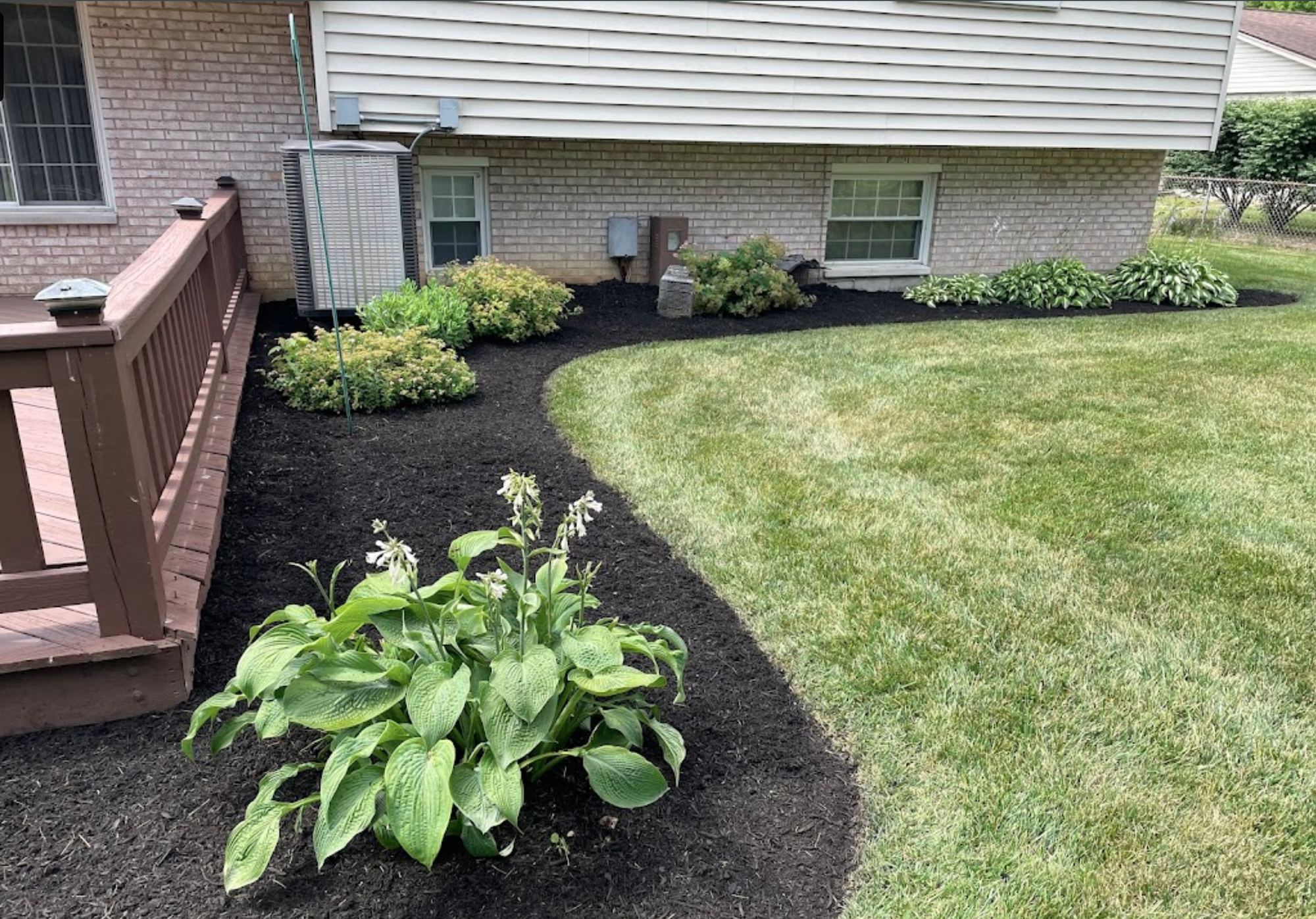
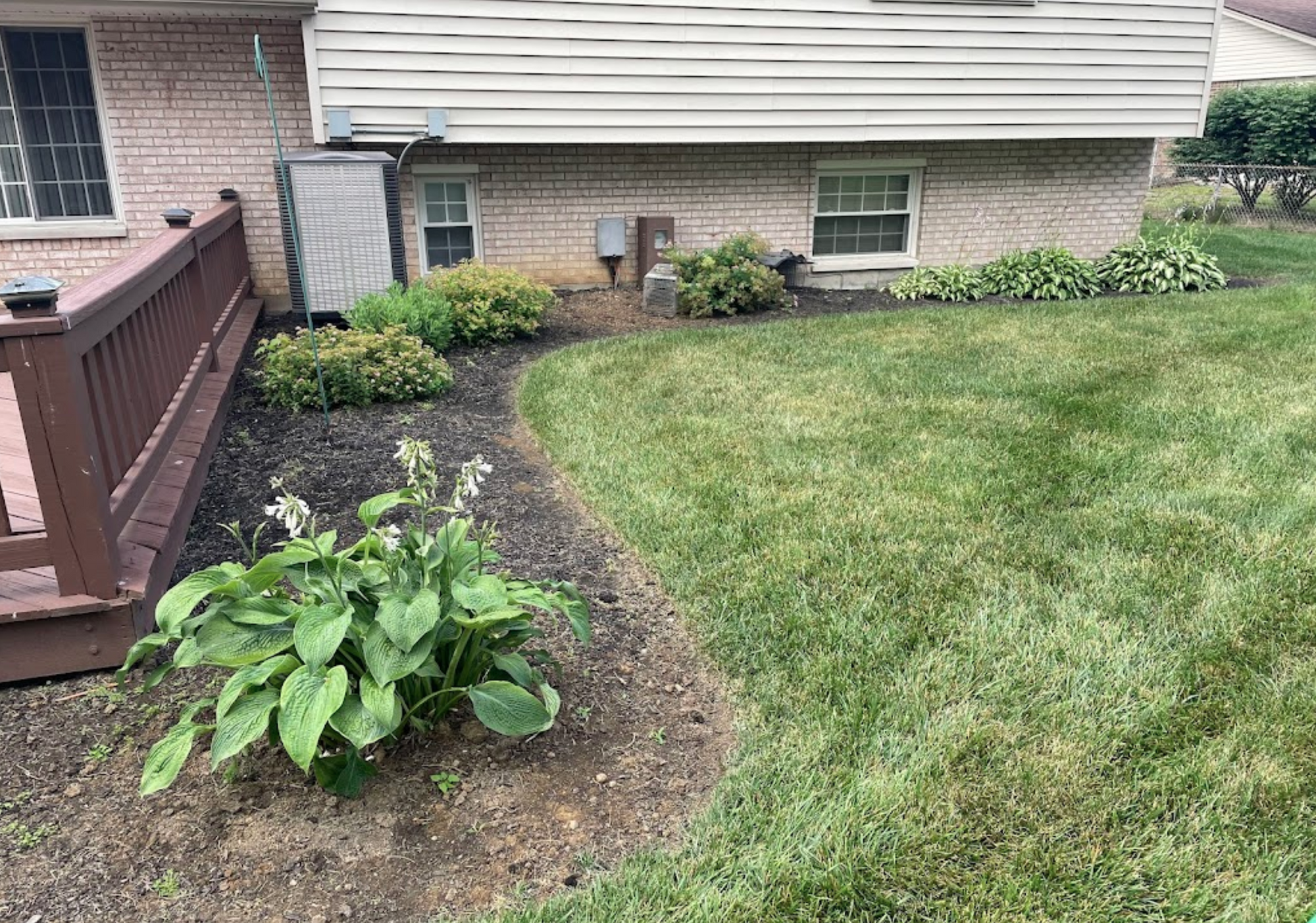
Mulch vs. No Mulch: The Difference
Aurora's semi-arid climate and intense high-altitude sun break down organic mulches faster than homeowners often expect, making mulch an ongoing investment rather than a one-time project. Without any mulch cover, Aurora's clay loam soil bakes hard in summer and develops deep cracks that damage root systems and make watering far less efficient. The choice between different mulch types matters here because decomposition rates, water retention, and soil improvement benefits all behave differently at 5,471 feet with 15 inches of annual rain.
Before
After
Best Mulch Choice for Aurora Lawns
Most yards in the Aurora area sit on type of soil. Aurora's clay loam soil tends to compact under foot traffic and irrigation pressure, forming a dense surface layer that sheds water rather than absorbing it. Covering beds with organic mulch buffers that compaction process and keeps the surface loose enough for water and air to reach root zones.
Hardwood Mulch
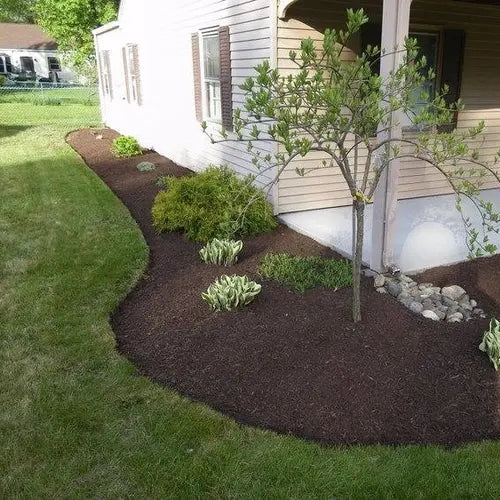
Shredded hardwood mulch is particularly well suited for Aurora's clay loam because it breaks down gradually into fine organic matter that works its way into the dense soil beneath. Over multiple seasons, that slow decomposition adds humus to the clay loam, loosening its texture and improving both drainage and the soil's ability to hold nutrients near root zones.
Complete Your Outdoor Mulch Project
Pairing fresh mulch with a quality amended garden soil underneath gives new plantings the best possible start in Aurora's dense clay loam. Browse our soil blends to build a better foundation before you mulch.
Aurora's clay loam is notoriously slow to absorb water, which means irrigation water can pool on the surface before it soaks in. Before spreading mulch, loosen the top inch of soil with a rake to break any surface crust. This simple step dramatically improves how well water moves through your mulch layer and into the root zone rather than running off toward your sidewalk or driveway.
Mulch Mound Pro Tip
Timing your mulch application to coincide with Aurora's spring warm-up, after the last hard frost but before the heat of June, gives you the best of both worlds. You protect emerging perennials from late cold snaps around the May 7th frost window while locking in soil moisture before Aurora's driest and hottest weeks arrive. Waiting until after a good watering or a rain event to spread mulch means you are sealing in existing soil moisture from the start.
Mulch Mound Pro Tip
Do not skip the fall mulch refresh before Aurora's first frost around October 7th. A fresh 1-inch topdressing going into winter insulates perennial root zones against the freeze-thaw cycles that are especially hard on clay loam soils, which expand and contract more than sandy soils. Plants that are mulched heading into an Aurora winter consistently show stronger emergence the following spring compared to bare beds.
Frequently Asked Questions
Click a question to see the answer
Answer
How thick should I apply mulch in Aurora given how dry our summers get?
In Aurora, a 3-inch layer is the sweet spot for most ornamental beds. With only 15 inches of annual rainfall and intense high-altitude sun, you need enough depth to meaningfully slow evaporation, but going beyond 4 inches can trap too much moisture against crowns and stems when summer storms do arrive. For newly planted trees and shrubs, keep mulch pulled back 2 to 3 inches from the base to prevent rot in Aurora's occasional wet monsoon stretches.
Answer
Will mulch actually help my clay loam soil over time?
Yes, and this is one of the best reasons Aurora homeowners should mulch consistently every year or two. As organic mulches like hardwood break down, they add organic matter to the clay loam beneath, gradually improving its drainage and structure. Aurora's clay loam is dense and tends to compact, so that slow decomposition of mulch feeding the soil layer is genuinely helpful for root penetration and water infiltration over multiple seasons.
Answer
Does mulch help protect plants through Aurora's late spring frosts in early May?
Mulch does provide a modest buffer for root systems during late cold snaps, but it will not protect above-ground growth from a hard freeze. What mulch does well is keep soil temperatures more stable so roots are not shocked by the dramatic overnight swings Aurora experiences in April and early May. Applying mulch before your last expected frost date around May 7th helps the soil hold daytime warmth and recover faster after a cold night.
Answer
Is dyed mulch safe to use around my vegetable garden here in Aurora?
Most reputable dyed mulches use iron oxide or carbon-based colorants that are considered safe around edibles, but we always recommend asking about the source wood when buying near a food garden. In Aurora, a better choice for vegetable beds is often undyed shredded hardwood or a straw mulch, which breaks down faster and adds organic matter to your soil. Keep any mulch a couple of inches away from plant stems regardless of type.
Answer
How often do I need to replenish mulch in Aurora's climate?
Plan on topping off your mulch every one to two years in Aurora. The combination of intense UV radiation at altitude, low humidity, and freeze-thaw cycles through winter accelerates the breakdown of organic mulches faster than you might expect compared to lower-elevation or wetter climates. Check your depth each spring after the last frost and add material to bring beds back up to 2.5 to 3 inches.
Answer
What mulch type works best under the pine and spruce trees common in Aurora yards?
Shredded wood mulch or pine bark nuggets work well under conifers in Aurora because they complement the naturally acidic needle drop and allow for decent airflow at the soil surface. Avoid fine-textured mulches directly under dense spruce canopies where air circulation is already limited. A 2 to 3 inch layer kept a few inches away from the trunk is ideal, and it helps suppress the weeds that sneak in along the drip line where Aurora's clay loam holds moisture after irrigation.
Answer
Can mulch help me cut down on how much I water my Aurora landscape?
Absolutely, and this is one of the most practical reasons to mulch in a water-conscious city like Aurora. A proper 3-inch layer of organic mulch can reduce soil moisture evaporation by 25 to 50 percent, which translates to real savings on your water bill and fewer stress cycles for your plants during Aurora's dry stretches between rain events. Combined with a smart irrigation schedule aligned to Aurora Water guidelines, mulching is one of the most effective water-conservation tools available to homeowners here.
The Unique Landscape of Aurora
Aurora sits at 5,471 feet with only about 15 inches of rainfall each year, which means your plant beds are constantly fighting moisture loss between rain events. The clay loam soil common across Aurora tends to crack and crust during dry stretches, pulling away from root zones and leaving plants stressed before summer even peaks. A proper layer of mulch slows that evaporation dramatically, giving roots a more stable environment through Aurora's long dry spells. Aurora's first frost typically arrives around October 7th, so mulch also serves as an insulating blanket that extends your growing season and protects perennial root systems heading into winter. With last frost dates pushing into early May, mulch helps warm the soil faster in spring by trapping daytime heat overnight. Choosing the right mulch and applying it correctly is one of the highest-value investments an Aurora homeowner can make for their landscape.