My experience with Mulch Mound was great and super easy. I ordered two yards of screened topsoil and was able to get it delivered within 2 days. They came in my requested time frame (afternoon) and dropped it off where I asked on my driveway. The topsoil was exactly what was a...
Tell us what you're looking for
Thanks! We received your request.
Something went wrong. Please try again.
How Much Material Do I Need?
Most new planting beds in Aurora benefit from 6 to 8 inches of quality amended soil placed over loosened native clay loam. Raised vegetable beds perform best with 10 to 12 inches of depth to support full root development within Aurora's growing season.
Use our free soil calculator
What is a Yard?
A yard is approximately 27 cubic feet. As a general guideline, one yard of material can cover an area of about 100-160 square feet at a 2-3 inch depth.
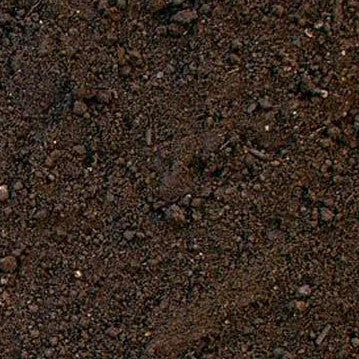
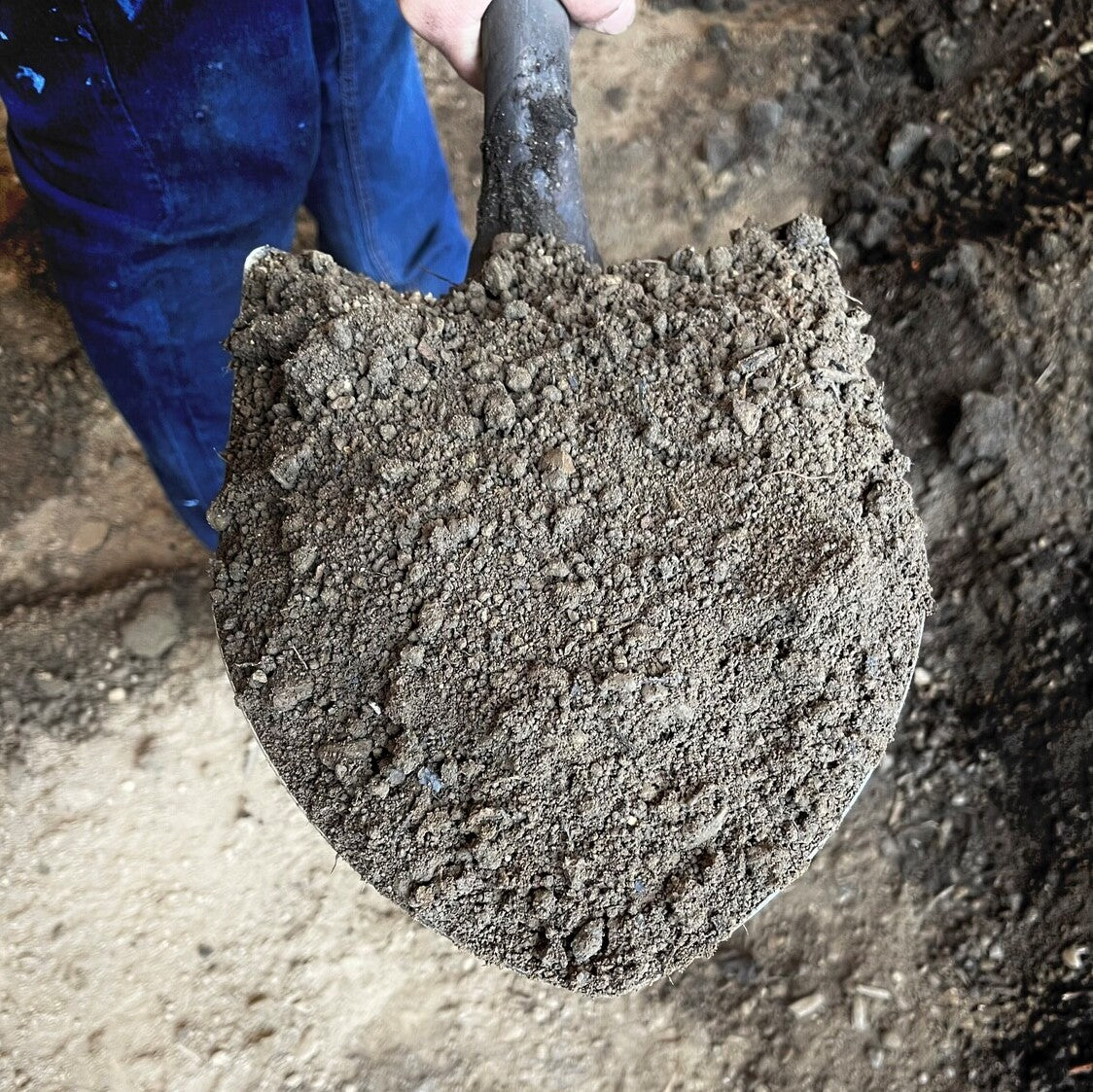
My experience with Mulch Mound was great and super easy. I ordered two yards of screened topsoil and was able to get it delivered within 2 days. They came in my requested time frame (afternoon) and dropped it off where I asked on my driveway. The topsoil was exactly what was a...
How Much Material Do I Need?
Most new planting beds in Aurora benefit from 6 to 8 inches of quality amended soil placed over loosened native clay loam. Raised vegetable beds perform best with 10 to 12 inches of depth to support full root development within Aurora's growing season.
Use our free soil calculator
What is a Yard?
A yard is approximately 27 cubic feet. As a general guideline, one yard of material can cover an area of about 100-160 square feet at a 2-3 inch depth.
My experience with Mulch Mound was great and super easy. I ordered two yards of screened topsoil and was able to get it delivered within 2 days. Th...
Read full review
My experience with Mulch Mound was great and super easy. I ordered two yards of screened topsoil and was able to get it delivered within 2 days. They came in my requested time frame (afternoon) and dropped it off where I asked on my driveway. The topsoil was exactly what was advertised, clean with no rocks or other debris. The price was reasonable. I plan to use them again in a couple weeks to order compost for my garden beds.
Measure each planting area or raised bed separately, then add the totals together before calculating cubic yards. It is easy to underestimate soil needs in Aurora because clay loam grades can vary across a single yard, leaving some areas needing significantly more fill than others. Add 10 percent to your estimate to account for settling, especially in new raised beds.
Complete Your Outdoor Soil Project
Finishing your soil installation with a 3-inch layer of mulch on top locks in moisture and protects your new soil from Aurora's drying winds and intense UV exposure. Explore our mulch options to complete the project the right way.
Do I really need to bring in new soil if Aurora already has clay loam in my yard?
For many projects, yes. Aurora's native clay loam is workable for established drought-tolerant plants, but it is too dense and slow-draining for most vegetables, annuals, and many popular perennials. If you are building new beds, adding raised planters, or trying to grow anything beyond native and xeric plants, bringing in a quality amended soil gives you a much better starting environment than trying to amend your way out of heavy clay loam one season at a time.
Answer
How deep should I add new soil on top of Aurora's clay loam for a new flower bed?
For ornamental beds over clay loam, a 6 to 8 inch layer of quality amended soil gives roots enough space to establish without immediately hitting the dense clay beneath. For vegetable gardens, aim for 10 to 12 inches so root vegetables and deep-rooted plants have room to develop. In Aurora, it also helps to till the top few inches of the clay loam before adding new soil so the layers connect rather than creating a hard interface that traps water.
Answer
What kind of soil should I use for raised vegetable beds given Aurora's short growing season?
A well-draining, nutrient-rich loam blend with good compost content is ideal for Aurora raised beds. The logic is partly about drainage, but also about soil temperature. Raised beds filled with quality soil warm up several weeks faster than in-ground clay loam, which is a meaningful advantage when your frost-free window runs from roughly May 7th to October 7th. Every week you can safely start earlier matters when you are trying to grow tomatoes, peppers, or squash at elevation.
Answer
Will the soil I bring in wash or erode away during Aurora's monsoon-style summer storms?
Aurora does see intense but brief summer storms, sometimes dropping a significant fraction of the monthly rainfall in a single afternoon. On sloped areas, you can reduce erosion risk by applying a layer of mulch over new soil immediately after installation, and by incorporating amendments that improve the soil's ability to hold its structure. For bare soil on grades, consider an erosion mat or ground cover planting until vegetation is established.
Answer
Can I use bulk garden soil to topdress my Aurora lawn?
A finely screened topsoil or lawn topdressing blend works well for leveling low spots and improving thin turf areas in Aurora. Apply no more than a quarter to half inch at a time so existing grass is not smothered. The best windows for lawn topdressing in Aurora are late spring after the last frost has passed and early fall before October, giving grass time to recover and knit into the new material before dormancy.
Answer
Is there a soil type that works better with Aurora's xeric and drought-tolerant plantings?
Native and xeric plants suited to Zone 6a actually prefer lean, well-draining soil that does not hold excess moisture, so a sandy loam or native-blend topsoil is often a better choice than a heavily amended garden mix for those applications. If you are planting ornamental grasses, native wildflowers, or low-water perennials common in Aurora landscapes, avoid high-compost blends that retain too much water. Match your soil amendment level to your plant selection.
Answer
How do I know how many cubic yards of soil I need for my Aurora project?
Measure the length and width of your project area in feet and multiply them together for square footage. Then decide how deep you want to fill, in inches, and divide that number by 12 to convert to feet. Multiply your square footage by your depth in feet, and then divide by 27 to get cubic yards. Our online calculator handles this math automatically, and our team is always happy to help Aurora homeowners double-check their estimates before ordering.
Mulch Mound Pro Tip
Before spreading any new soil over Aurora's clay loam, take 10 minutes to break up the top 3 to 4 inches of native soil with a tiller or garden fork. This step prevents the hard boundary layer that forms when new soil sits directly on compacted clay, which can trap water at the interface and actually make drainage worse. Blending the transition zone just slightly gives roots a clear path from your new soil down into the native ground.
Mulch Mound Pro Tip
Aurora's elevation means soil temperatures in spring lag behind what the calendar suggests. Even after the last frost date of May 7th, soil at depth can remain cold enough to slow germination and root development for several weeks. Warming your new raised bed or planting area with black plastic sheeting for one to two weeks before planting can advance your effective growing season, giving Aurora gardeners a meaningful head start on warm-season crops.
Mulch Mound Pro Tip
When building raised beds in Aurora, consider lining the bottom with a layer of coarse gravel or broken pottery before adding soil. Aurora's clay loam subgrade can become saturated during intense summer storms, and without a drainage layer at the base, water can back up into your raised bed soil from below. A 2-inch gravel layer at the bottom gives excess water somewhere to move and keeps your root zone from sitting wet after a heavy rain.
The Unique Landscape of Aurora
Aurora's native clay loam soil presents real challenges for homeowners trying to grow healthy lawns, gardens, or landscape plantings. Clay loam holds water poorly in some spots and too aggressively in others, and it compacts easily under foot traffic and freeze-thaw cycles at 5,471 feet elevation. With only 15 inches of annual rainfall, every drop of irrigation needs to reach and stay near plant roots rather than running off a crusted clay surface. Bringing in quality amended soil lets you build raised beds, improve existing planting areas, or establish a proper foundation for sod without fighting Aurora's native ground conditions from the start. The short growing window between Aurora's last frost in early May and first frost in early October makes a nutrient-rich, well-draining soil especially important because plants have less time to establish and recover from stress. Investing in the right soil is the foundation every other landscaping decision is built on.