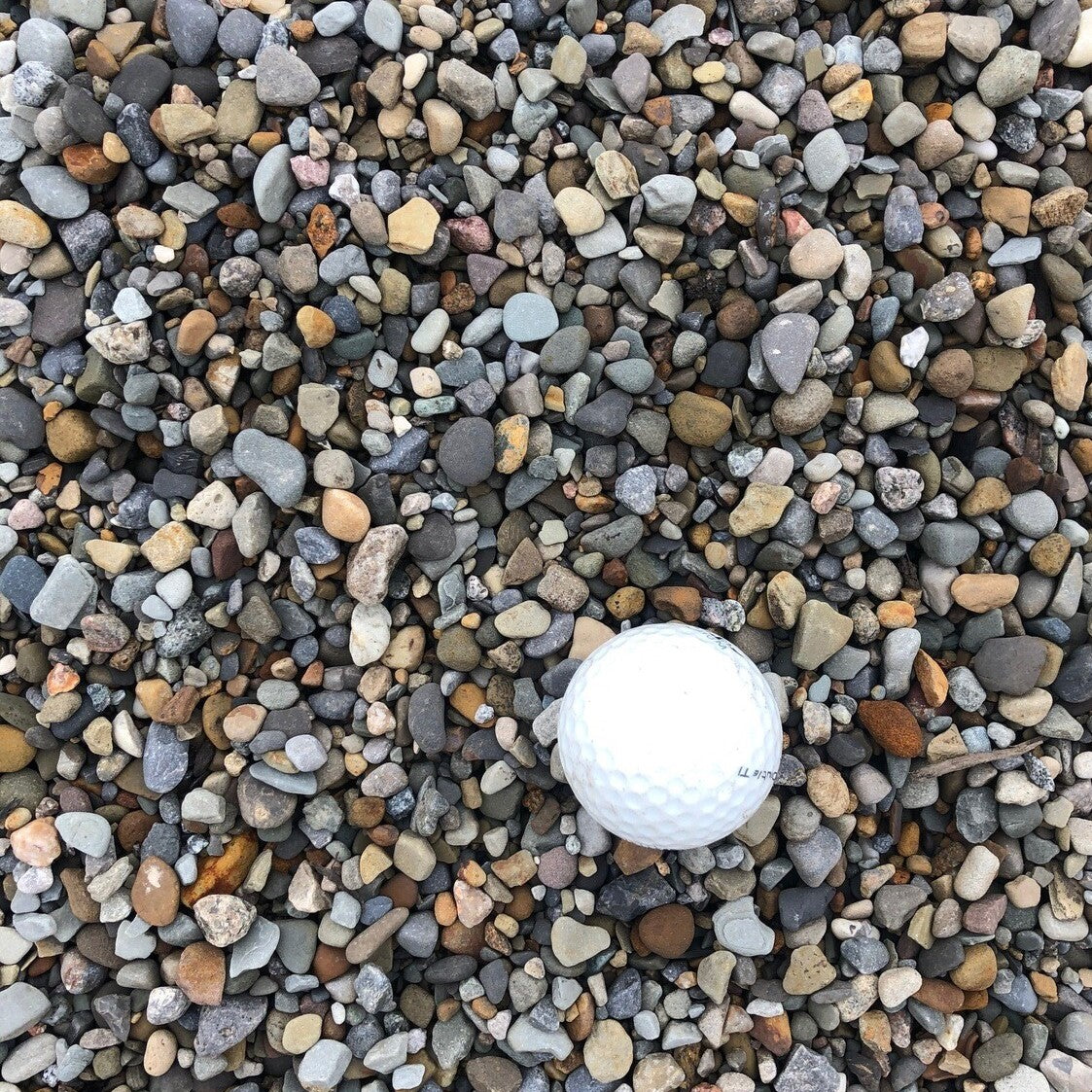
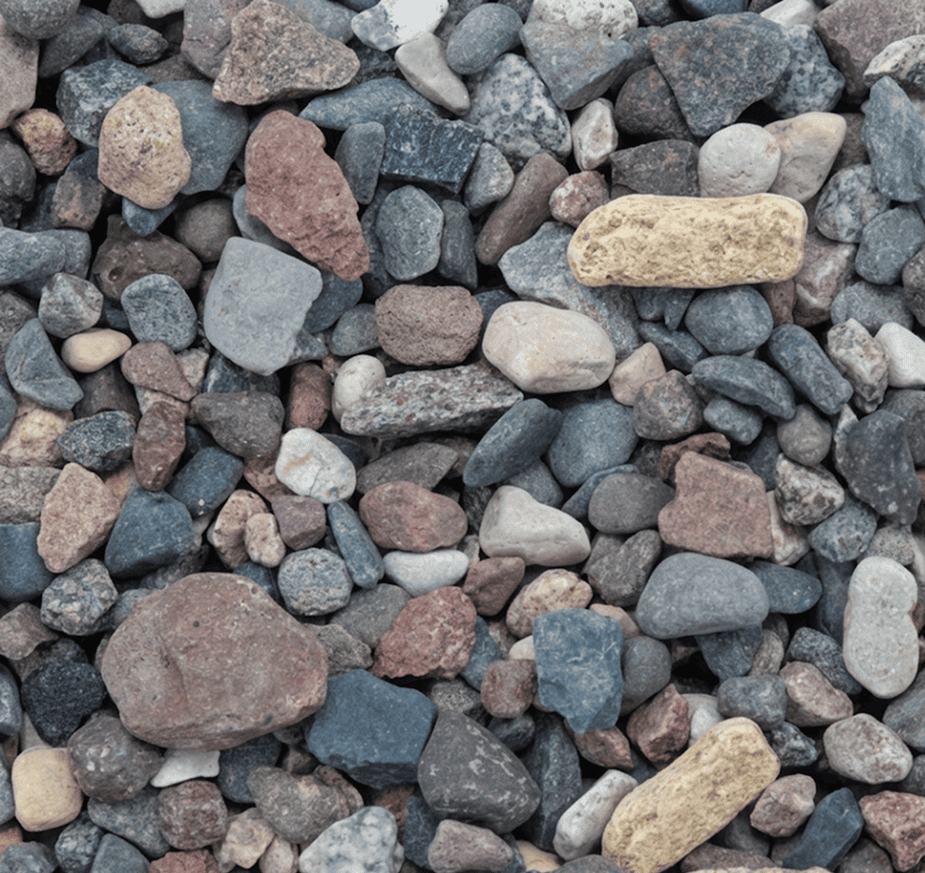
Classic pea gravel with smooth, rounded edges and natural earth tones. A versatile favorite for pathways, patios, drainage, and decorative ground cover.
I couldn't be happier with the speed and quality of the mulch delivery service of Mulch Mound. Every detail from ordering, to communication with on time delivery, to perfect product placement was amazing. I needed more and I got it within 2 hours! I'm never doing this with ba...
Tell us what you're looking for
Thanks! We received your request.
Something went wrong. Please try again.
How Much Landscape Rock Do I Need?
At the standard 2 to 3 inch install depth, one cubic yard of landscape rock covers roughly 162 square feet at the shallow end of that range. Measure your bed in square feet, decide on depth based on how much foot traffic or exposure it gets, and order in full cubic yards since we deliver bulk, not bagged product. Most Bakersfield front yard conversions run somewhere between 2 and 6 cubic yards depending on lot size. Use our free stone calculator
What is a Yard?
A yard is approximately 27 cubic feet. As a general guideline, one yard of material can cover an area of about 100-160 square feet at a 2-3 inch depth.
We can't take orders for this right now. Tell us what you need and we'll get back to you.
What do you need?
Thanks! We received your request.
Something went wrong. Please try again.
Hand-picked local yards
4,000+ regional deliveries
Dedicated support
Why order through Mulch Mound
The best local landscape rock, without the guesswork.
We hand-pick and partner with the best yards in your region, keep only the ones our buyers rate well, and back each load with our guarantee.
Mulch Mound Guarantee
If your landscape rock isn't the quantity or quality you ordered, we'll make it right.
About this landscape rock
Classic pea gravel with smooth, rounded edges and natural earth tones. A versatile favorite for pathways, patios, drainage, and decorative ground cover.
I couldn't be happier with the speed and quality of the mulch delivery service of Mulch Mound. Every detail from ordering, to communication with on time delivery, to perfect product placement was amazing. I needed more and I got it within 2 hours! I'm never doing this with ba...
How Much Landscape Rock Do I Need?
At the standard 2 to 3 inch install depth, one cubic yard of landscape rock covers roughly 162 square feet at the shallow end of that range. Measure your bed in square feet, decide on depth based on how much foot traffic or exposure it gets, and order in full cubic yards since we deliver bulk, not bagged product. Most Bakersfield front yard conversions run somewhere between 2 and 6 cubic yards depending on lot size. Use our free stone calculator
What is a Yard?
A yard is approximately 27 cubic feet. As a general guideline, one yard of material can cover an area of about 100-160 square feet at a 2-3 inch depth.
I couldn't be happier with the speed and quality of the mulch delivery service of Mulch Mound. Every detail from ordering, to communication with on...
Read full review
I couldn't be happier with the speed and quality of the mulch delivery service of Mulch Mound. Every detail from ordering, to communication with on time delivery, to perfect product placement was amazing. I needed more and I got it within 2 hours! I'm never doing this with bags again.
We had a great experience today. This was our first time using Mulch Mound, and I found the price competitive and the online ordering very easy. ...
Read full review
We had a great experience today. This was our first time using Mulch Mound, and I found the price competitive and the online ordering very easy. We are impressed with the quality of the mulch, too! It is covering well - a great value!
Landscaping fabric underneath is the real key to a rock bed that lasts a decade instead of one that grows weeds through it by summer. Steel or aluminum edging keeps rock from migrating into the lawn or the neighbor's driveway during a downpour. If you are mixing zones, a lot of Bako yards pair rock along the foundation with mulch out around trees and shrubs that actually want organic matter.
Bakersfield's alluvial soil sheds water fine on the surface but can seal over under compaction, so grade your bed with a slight slope away from the foundation before laying fabric. Skipping this step is the number one reason rock beds here pond during winter storms and grow algae in the low spots. A half inch of fall per foot of bed is enough, you do not need a full drainage system for a typical front yard install.
Mulch Mound Pro Tip
The most common mistake is skipping fabric to save a step, then fighting Bermuda grass and puncture vine through the rock within a year. Lay fabric, cut clean X slits for any plants, and pin it down before the rock goes on. Once rock is spread, weeding through it is far more work than doing the fabric right the first time.
Mulch Mound Pro Tip
Buying rock by the cubic yard in bulk costs less per square foot covered than bagged material from a retail lot, and you avoid the truck trips. If you are covering more than one zone, order all your rock at once even if you plan to install in phases, matching stone color between separate loads from different batches can be hit or miss.
Decorative Stone in Bakersfield
Bakersfield summers push past 100 degrees for weeks at a stretch, and organic mulches bleach out and break down fast under that sun. Rock does not fade, does not blow away in the Kern winds, and does not need replacing before the next growing season in zone 9b. Our alluvial soil drains fine once graded, so rock over fabric stays put and keeps foundation beds and downspout areas from turning to mud during winter rain. A lot of front yards here are going low water, and rock groundcover fits that shift without a sprinkler system underneath it.
What Landscape Rock Is
Landscape rock is stone chosen for how it looks as much as what it does. River rock is smooth and rounded, decomposed granite is fine and packs firm underfoot. Both are sold by the cubic yard for beds, borders, paths, and dry creek beds.
River Rock vs Decomposed Granite
River rock stays loose and rolls, so it suits beds, borders, and drainage runs where it can sit in place. Decomposed granite compacts into a firm surface, so it suits paths, patios, and anywhere you will walk or roll a wheelbarrow.
Depth and Coverage
Spread river rock 2 to 3 inches deep over landscape fabric so it stays put and weeds stay down. Lay decomposed granite 3 to 4 inches deep, wet it, and compact it in lifts for a surface that sheds water instead of rutting.
Frequently Asked Questions
Click a question to see the answer
Answer
Does landscape rock work well with Bakersfield's soil and heat?
Yes. Alluvial soil drains reasonably well once graded, and rock does not break down or fade the way organic mulch does under our long, hot summers. It is a common choice here for foundation beds and low water front yards precisely because it holds up through the heat without needing seasonal replacement.
Answer
How many cubic yards do I need for a 500 square foot bed?
At a 2 inch depth, one cubic yard covers about 162 square feet, so a 500 square foot bed needs roughly 3 cubic yards. If you want a deeper 3 inch install for better weed suppression, plan closer to 4 cubic yards, and always round up rather than ordering short.
Answer
When is the best time to install rock in Bakersfield?
Late fall through early spring, before the last frost around March 15, is easiest on you since you are not working in triple digit heat. That said, rock is a permanent install and can go down any time of year, the main thing is grading the bed properly first so it drains during winter rain.
Answer
Will the delivery truck be able to reach my property?
Most Bakersfield driveways and curbs work fine for our trucks, you will confirm drop location at checkout. Delivery day and time are scheduled at checkout rather than promised in advance, so you will know your window before the truck rolls.
Answer
Should I use rock or DG for my front yard here?
Landscape rock and decomposed granite, often called DG in California, serve different purposes. Rock is a static groundcover that stays put over fabric for a decade, while DG compacts into a walkable surface better suited to paths. For a foundation bed or downspout area, screened landscape rock is generally the better long term choice.
Answer
What is decomposed granite, or DG, best used for?
Weeks of 100 degree heat leave many Bakersfield lawns scorched, and a pathway is a common replacement for the struggling strip. DG, or decomposed granite, is weathered granite chips and fines that settle into a firm tan surface for paths, patios, and fire pit areas. Rake it, wet it, and compact it over fabric.