




Great service. We ordered topsoil from Mulch Mound and the best experience. Thank you so much!
About this soil
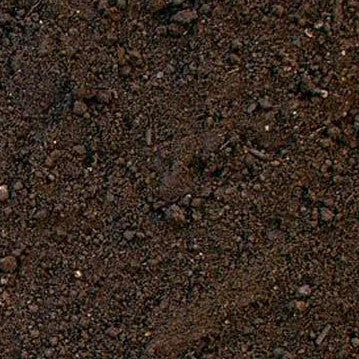
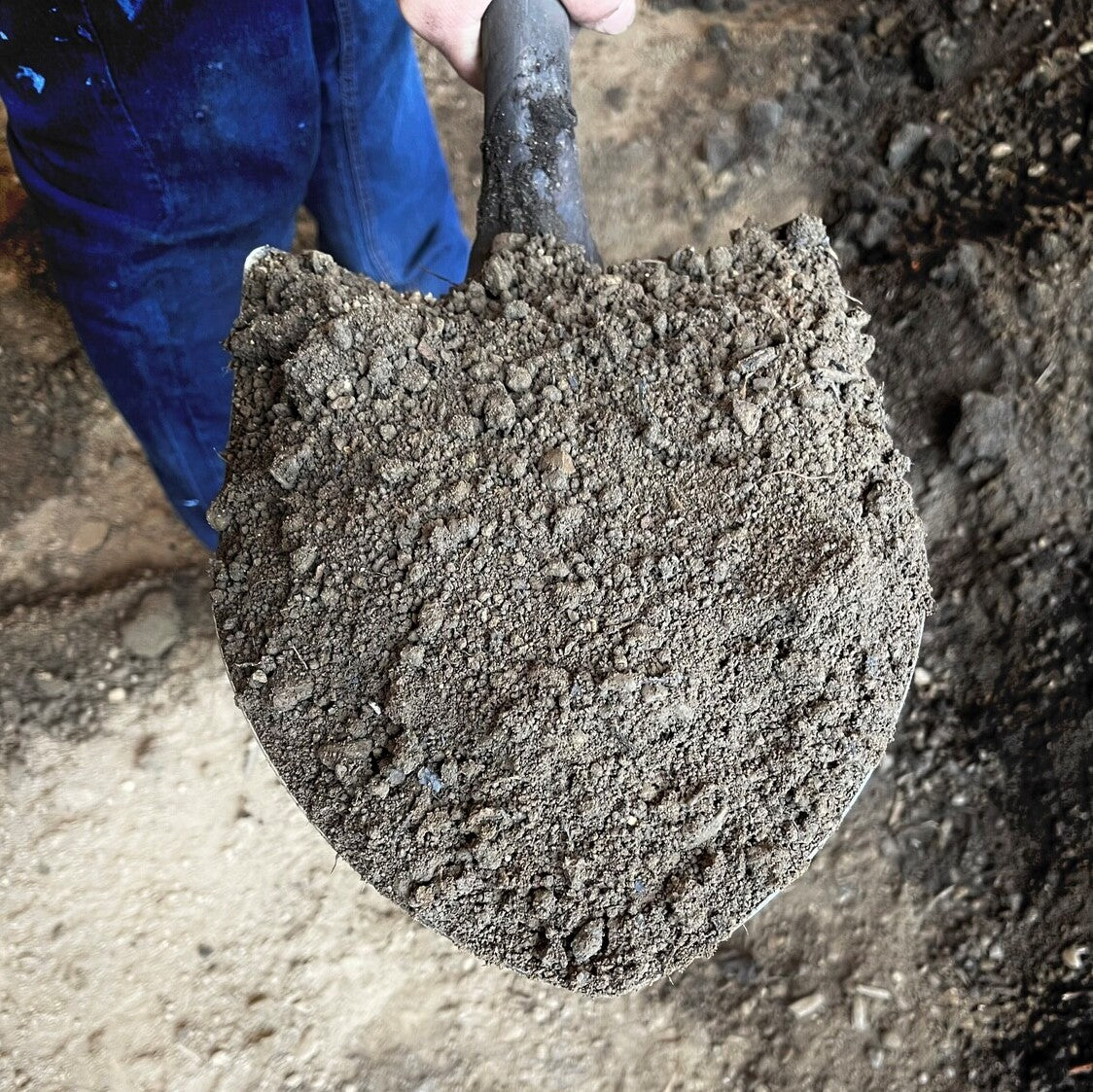
Screened topsoil with a fine, even texture. Ideal for new lawns, sod prep, and raised garden beds.
Great service. We ordered topsoil from Mulch Mound and the best experience. Thank you so much!
Tell us what you're looking for
Thanks! We received your request.
Something went wrong. Please try again.
How Much Material Do I Need?
How Much Material Do I Need?
Plan on 6 to 12 inches of blended soil for new planting beds and 2 to 3 inches of compost worked in when amending existing ground. Add 10 to 15 percent to your total to cover settling, which happens quickly in our rainfall.
Use our free soil calculator
What is a Yard?
What is a Yard?
FAQs
FAQs
Bayou Cane Soil Delivery
Bayou Cane Soil Delivery
Regular price
$64.00
per
Yard
Regular price
Sale price
$64.00
Unit price
per
Shipping calculated at checkout.
Minimum of 3 Yard
Couldn't load pickup availability
Not currently available
We can't take orders for this right now. Tell us what you need and we'll get back to you.
Hand-picked local yards
4,000+ regional deliveries
Dedicated support
Why order through Mulch Mound
The best local , without the guesswork.
We hand-pick and partner with the best yards in your region, keep only the ones our buyers rate well, and back each load with our guarantee.
Mulch Mound Guarantee
If your isn't the quantity or quality you ordered, we'll make it right.
About this soil
Screened topsoil with a fine, even texture. Ideal for new lawns, sod prep, and raised garden beds.
Great service. We ordered topsoil from Mulch Mound and the best experience. Thank you so much!
How Much Material Do I Need?
How Much Material Do I Need?
Plan on 6 to 12 inches of blended soil for new planting beds and 2 to 3 inches of compost worked in when amending existing ground. Add 10 to 15 percent to your total to cover settling, which happens quickly in our rainfall.
Use our free soil calculator
What is a Yard?
What is a Yard?
FAQs
FAQs
Tell us what you're looking for
Thanks! We received your request.
Something went wrong. Please try again.

How It Works
Getting started is easy — just follow these simple steps
1
Choose your soil
Make sure you adjust the quantity to your home's needs. You can use our calculator to estimate how much you'll need.
2
Select your delivery date
Select a delivery date you'd like for the product to be dropped off at your home
3
Sit back and wait
Sit back, wait, and let us work our magic to make sure the highest quality product is delivered to your driveway.

Placing an order online was so easy. Delivery was on time. When the driver realized we had a newly poured driveway they erred on the side of cautio...
Read full review
Placing an order online was so easy. Delivery was on time. When the driver realized we had a newly poured driveway they erred on the side of caution and opted not ti drive in it. The company even sent me a message explaining that call. Would recommend!

Online ordering was really simple and I liked the transparent pricing.
Need Help Calculating How Much Soil You Need?
Use our NEW Trace from Satellite tool to get an estimate for your project based on an aerial view of your property
Try Our CalculatorMeasure length and width in feet, then decide your depth in inches before you calculate. For raised beds, measure the inside dimensions of the frame rather than the outside. Remember that one cubic yard fills a 4 by 8 bed to roughly 10 inches, so a pair of standard beds usually calls for 2 to 2.5 yards.
Complete Your Outdoor Soil Project
Finish new beds with 2 to 3 inches of hardwood or cypress mulch to hold moisture and stop rain splash, and add gravel or crushed stone under pathways between beds so you are not walking in mud. Edging keeps your investment from migrating during the next downpour.
Service area
Areas we deliver soil in Bayou Cane, Louisiana
Mulch Mound Pro Tip
Never work silty clay when it is wet. Squeeze a handful, and if it ribbons out like modeling clay instead of crumbling, walk away and wait. Tilling saturated Bayou Cane clay smears the particles together and creates a compacted pan that can take a full season to recover. Wait two or three dry days after a rain, then work it and immediately cover with mulch to keep the structure you just built.
Mulch Mound Pro Tip
Layer instead of dumping. When building a new bed over existing turf, put down cardboard, then 6 inches of garden mix, then mulch. The cardboard smothers Bermuda and torpedograss without herbicide and breaks down within a season in our humidity. This sheet method also avoids the sharp interface between imported soil and native clay that causes water to perch and beds to stay soggy.
Mulch Mound Pro Tip
Feed the soil year round. Zone 9b gives Bayou Cane roughly ten months of active growth, and 66 inches of rain leaches nitrogen right out of the root zone. Top dress beds with an inch of compost twice a year, in early spring and again in September, rather than relying on a single heavy fertilizer application. Slow, steady organic input builds the microbial life that keeps clay open and workable.
The Unique Landscape of Bayou Cane
Most Bayou Cane yards sit on silty clay just a few feet above sea level, which means native ground is heavy, slow draining, and often low in the organic matter plants need. Add 66 inches of annual rainfall and you get beds that stay saturated for days while nutrients leach away with every downpour. Bringing in quality topsoil, garden mix, or compost blend is how homeowners here build up above the water table instead of fighting it. Raised beds and crowned planting areas of 6 to 12 inches make an enormous difference for vegetables, roses, and anything that resents wet feet. Our Zone 9b growing season runs nearly year round, from a last frost around February 20 to a first frost near December 5, so soil that drains and feeds well pays you back for ten or eleven months. Good soil is the foundation every other landscape dollar depends on.