


Great service. We ordered topsoil from Mulch Mound and the best experience. Thank you so much!
About this fill dirt
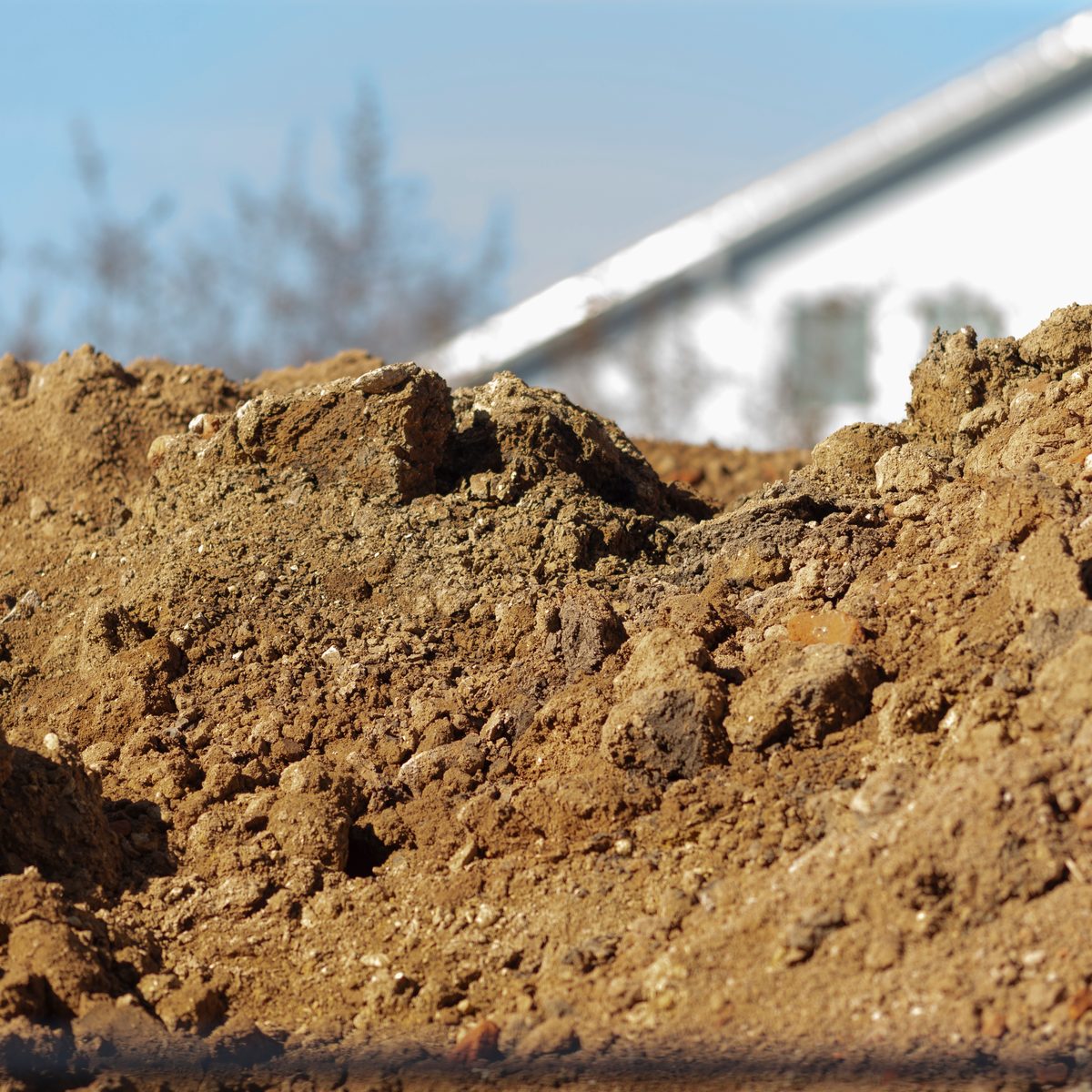
Inorganic subsoil for filling holes, raising low ground, and backfill. Small rocks and bits of stick or root are normal in the mix, this is structural material and not a growing medium. Do not use it to level a lawn surface or fill flower beds, put topsoil over it for anything you want to plant. Place it in lifts and compact as you go.
Great service. We ordered topsoil from Mulch Mound and the best experience. Thank you so much!
Tell us what you're looking for
Thanks! We received your request.
Something went wrong. Please try again.
How Much Fill Dirt Do I Need?
How Much Fill Dirt Do I Need?
One cubic yard of fill dirt covers about 54 square feet at a 6 inch depth, and most projects call for 6 to 12 inches depending on how much grade you are correcting. Measure the low area in square feet, decide your target depth, and order in cubic yards from there, rounding up rather than short since a partial second delivery costs more in time than material. For bigger jobs like pool backfill or raising a building pad, it adds up fast, so get the footprint measured before you call in an order.
What is a Yard?
What is a Yard?
FAQs
FAQs
Bayou Cane Fill Dirt Delivery
Bayou Cane Fill Dirt Delivery
Regular price
$38.00
per
Yard
Regular price
Sale price
$38.00
Unit price
per
Shipping calculated at checkout.
Minimum of 3 Yard
Couldn't load pickup availability
Hand-picked local yards
4,000+ regional deliveries
Dedicated support
Why order through Mulch Mound
The best local fill dirt, without the guesswork.
We hand-pick and partner with the best yards in your region, keep only the ones our buyers rate well, and back each load with our guarantee.
Mulch Mound Guarantee
If your fill dirt isn't the quantity or quality you ordered, we'll make it right.
About this fill dirt
Inorganic subsoil for filling holes, raising low ground, and backfill. Small rocks and bits of stick or root are normal in the mix, this is structural material and not a growing medium. Do not use it to level a lawn surface or fill flower beds, put topsoil over it for anything you want to plant. Place it in lifts and compact as you go.
Great service. We ordered topsoil from Mulch Mound and the best experience. Thank you so much!
How Much Fill Dirt Do I Need?
How Much Fill Dirt Do I Need?
One cubic yard of fill dirt covers about 54 square feet at a 6 inch depth, and most projects call for 6 to 12 inches depending on how much grade you are correcting. Measure the low area in square feet, decide your target depth, and order in cubic yards from there, rounding up rather than short since a partial second delivery costs more in time than material. For bigger jobs like pool backfill or raising a building pad, it adds up fast, so get the footprint measured before you call in an order.
What is a Yard?
What is a Yard?
FAQs
FAQs
Tell us what you're looking for
Thanks! We received your request.
Something went wrong. Please try again.
How It Works
Getting started is easy — just follow these simple steps
1
Choose your quantity
Adjust the quantity to match your project. One cubic yard covers about 100 to 160 square feet at a 2 to 3 inch depth.
2
Select your delivery date
Select a delivery date you'd like for the product to be dropped off at your home
3
Sit back and wait
Sit back, wait, and let us work our magic to make sure the highest quality product is delivered to your driveway.

One of the easiest customer service experiences I've had in a long time! Mulch Mound made it so simple. After putting it off for a while, I looked ...
Read full review
One of the easiest customer service experiences I've had in a long time! Mulch Mound made it so simple. After putting it off for a while, I looked at the weather and knew I needed to get to mulching ASAP before the rain came if I didn't want to wait another week. I put my order in for the next day online and they came right at 9 AM. The employee who dropped off the mulch did a great job, putting it right on the tarp I laid out, she even made sure none of it got on the yard and double checked the truck bed to make sure it all came out. The mulch was exactly what I needed and arrived right on time.

We have always spread our own mulch for the past 24 years. This was our first time with the Mulch Mound - things I liked: they have online ordering...
Read full review
We have always spread our own mulch for the past 24 years. This was our first time with the Mulch Mound - things I liked: they have online ordering and provide a digital receipt which means you can remember how much you ordered (I always forget for the next year!), they were on time, they were able to deliver in 48 hours, they were generous with the portion (we got 9 yards and it felt like a FULL nine yards!), the driver was polite! We have ordered from reputable places, and there is always a little trash in the mulch. The mulch we recv'd from Mulch Mound had barely any... we were pleasant surprised!!! Color was great! Not to mention - the price was competitive and LOWER than other mulch places around. We will use again !! Highly recommend! Thanks Mulch Mound!
Complete Your Outdoor Project
Fill dirt does the heavy lifting, but almost nothing grows directly in it, so a cap of topsoil is standard wherever grass, beds, or sod need to establish on top. Some jobs also call for a layer of sand or gravel underneath for drainage before the fill goes in, especially around pool decks. Plan the layers before the truck shows up so you are not guessing mid-project.


Service area
Areas we deliver fill dirt in Bayou Cane, Louisiana
Mulch Mound Pro Tip
Do not dump fill dirt in one deep pour. Place it in lifts of 6 to 8 inches and compact each layer before adding the next, with a plate compactor or even repeated passes with a heavy vehicle for small jobs. Skip this step and the ground will keep settling for years, showing up as low spots or cracks near foundations. In Bayou Cane's silty clay subsoil, uncompacted fill sits on top of a base that already drains slowly, so any shortcuts here get worse, not better, with the next hard rain.
Mulch Mound Pro Tip
A common mistake is treating fill dirt like a growing medium. It is subsoil, screened of debris but not amended, and grass or plants struggle to root in it directly. Always cap with 4 to 6 inches of real topsoil wherever the finished surface needs to support lawn or landscaping. Skipping the cap layer is the number one reason people end up redoing grading work within a season or two.
Mulch Mound Pro Tip
If you are filling a large low area and also need topsoil for the finish layer, order both at once so delivery and placement can happen close together, it keeps the job moving instead of stalling between phases. Fill dirt is priced and delivered by the cubic yard here, so getting your total volume right up front, including compaction settling of roughly 10 percent, avoids a second delivery fee for a small shortfall.
Grading and Filling in Bayou Cane
At 7 feet of elevation with silty clay soil underneath, a lot of yards in Bayou Cane hold water longer than people expect, and low corners of a lot can stay soggy well after rain moves through. Fill dirt is the fix for that, raising grade so water sheds away from foundations instead of pooling against them. It also shows up constantly around here for pool installs and post-construction backfill, since the native clay does not drain fast enough to leave a stable working surface on its own. This is structural material, meant to be compacted into place, not a soil to plant into.
What Fill Dirt Is
Fill dirt is inorganic subsoil sold for volume and grade, not for growing. Small rocks and bits of stick or root are normal in the mix. It compacts predictably, which is exactly what you want under slabs, in trenches, and behind walls.
Fill Dirt vs Topsoil
Fill dirt builds the shape of the ground, topsoil grows things on top of it. Bring the grade up with fill, then cap it with 4 to 6 inches of topsoil anywhere grass or plants are going in.
Compact in Lifts
Place fill in layers of 4 to 6 inches and compact each one before adding the next. Dumping the full depth at once leaves voids that settle later, and settling is the one problem fill is supposed to solve.