Wonderful experience! They put the mulch exactly where we wanted. This mulch spread very easily and didn’t have the usual “mulch smell.” We will definitely use again!
Tell us what you're looking for
Thanks! We received your request.
Something went wrong. Please try again.
How Much Sand Do I Need?
One cubic yard of this sand covers about 324 square feet at a 1 inch depth, and most mortar or joint fill work only calls for 1 to 2 inches, so a single yard goes a long way on a typical patio or walkway project. For pool base work or thicker mortar batching, plan closer to the 2 inch depth and adjust your yardage up accordingly. Because it weighs about 1.35 tons per cubic yard, even a modest order adds up in weight fast, so measure your square footage before you order. Use our free sand calculator
What is a Yard?
A yard is approximately 27 cubic feet. As a general guideline, one yard of material can cover an area of about 100-160 square feet at a 2-3 inch depth.
Wonderful experience! They put the mulch exactly where we wanted. This mulch spread very easily and didn’t have the usual “mulch smell.” We will definitely use again!
How Much Sand Do I Need?
One cubic yard of this sand covers about 324 square feet at a 1 inch depth, and most mortar or joint fill work only calls for 1 to 2 inches, so a single yard goes a long way on a typical patio or walkway project. For pool base work or thicker mortar batching, plan closer to the 2 inch depth and adjust your yardage up accordingly. Because it weighs about 1.35 tons per cubic yard, even a modest order adds up in weight fast, so measure your square footage before you order. Use our free sand calculator
What is a Yard?
A yard is approximately 27 cubic feet. As a general guideline, one yard of material can cover an area of about 100-160 square feet at a 2-3 inch depth.
Wonderful experience! They put the mulch exactly where we wanted. This mulch spread very easily and didn’t have the usual “mulch smell.” We will de...
Read full review
Wonderful experience! They put the mulch exactly where we wanted. This mulch spread very easily and didn’t have the usual “mulch smell.” We will definitely use again!
Placing an order online was so easy. Delivery was on time. When the driver realized we had a newly poured driveway they erred on the side of cautio...
Read full review
Placing an order online was so easy. Delivery was on time. When the driver realized we had a newly poured driveway they erred on the side of caution and opted not ti drive in it. The company even sent me a message explaining that call. Would recommend!
Mason sand pairs naturally with paver base gravel underneath and paver stones or brick on top, since the sand only handles the finishing layer, not structural support. If you are mixing mortar for tabby or brick work common in Beaufort's historic district, you will also want cement on hand before the sand arrives. For pool decks, many people order this alongside a paver base stone in the same delivery to save a trip.
Mason sand mortar sets differently in Beaufort's humid coastal air than it does inland. Higher ambient moisture slows the initial set, which actually gives you a slightly longer working window before mortar stiffens, useful when you are pointing brick or tabby on a hot, muggy afternoon. Just do not add extra water to compensate, that weakens the cured mortar. Mix smaller batches more often instead so nothing sits too long before you use it.
Mulch Mound Pro Tip
A common mistake is using mason sand as paver bedding sand the way people did a decade ago. It shifts and allows joint sand to wash out over time, especially with the heavy summer thunderstorms Beaufort gets. Most installers now use clean chip stone for bedding and joints instead, since it locks together and will not pump up through the joints. Save mason sand for mortar work and reserve chip stone for the structural bedding layer.
Mulch Mound Pro Tip
If your project needs both mortar sand and a base material, order them together in one delivery rather than two separate trips, since both are priced and hauled by the yard and combining loads saves on delivery trips. This matters more in Beaufort than inland towns because access to older downtown lots near the waterfront can be tighter, so fewer deliveries means less disruption to a job site or a neighbor's driveway.
Working With Sand in Beaufort
Beaufort sits low, at 13 feet elevation, on sandy Sea Island soil, so this isn't a place where you're using sand to fix a drainage problem, the ground already drains fine on its own. What people here actually need mason sand for is mortar mixing for brick and tabby style construction, paver joint fill on patios near the water, and pool base work for the in ground pools common around the Sea Islands. The humidity and salt air common to coastal Carolina towns make workability matter, and this finer, more uniform sand mixes into a smoother, more forgiving mortar than coarser concrete sand.
Masonry vs Fill Sand
Masonry sand is washed and finely screened, the right choice for mortar work, paver joints, and sandboxes. Fill sand is coarser and less processed, better suited to leveling, bedding pipe, and filling low spots.
Bedding and Leveling
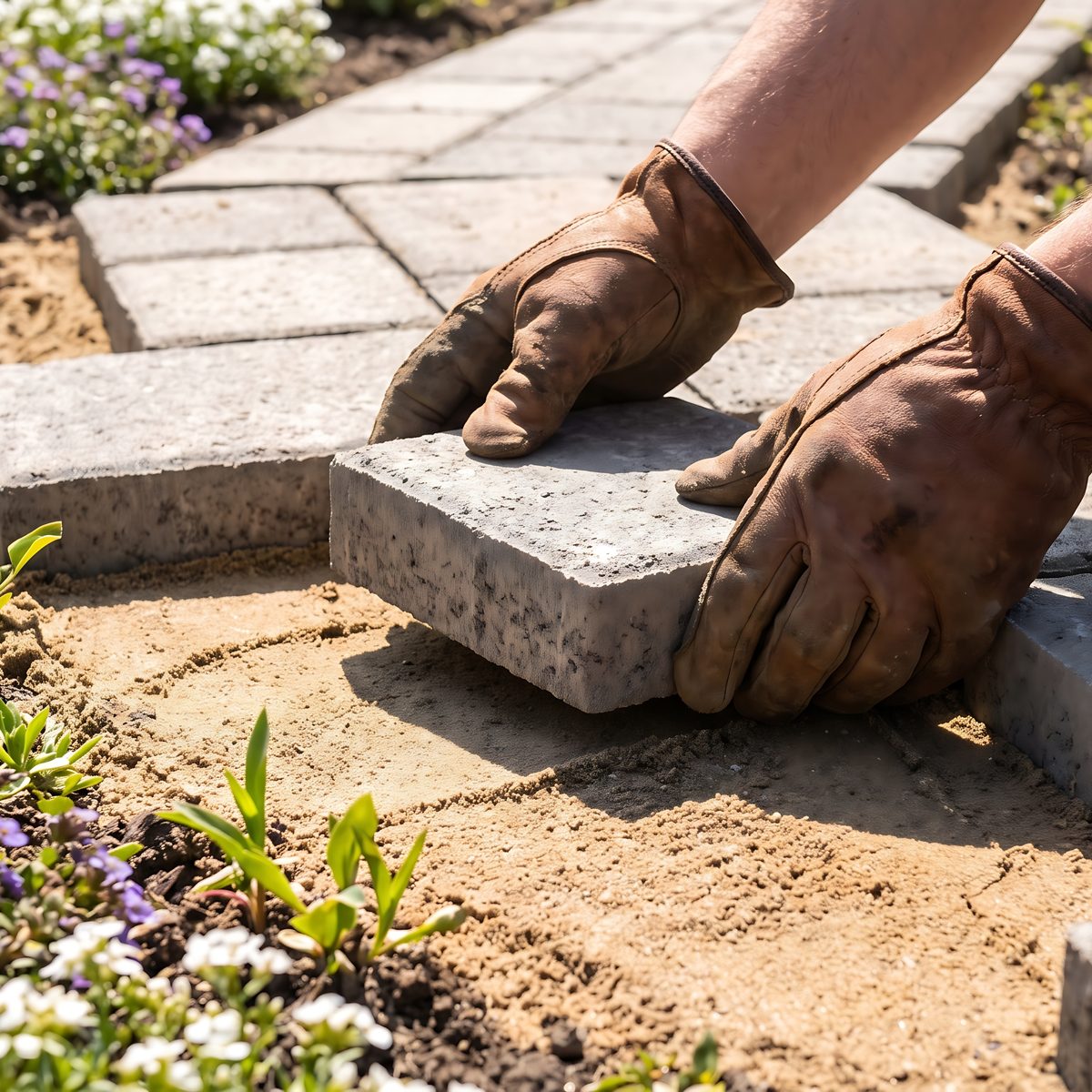
For pavers, screed a 1 inch sand bed over a compacted base rather than using sand to fix deep grade problems. A thin, even bed locks pavers in place. A thick one shifts underfoot.
Working With Moisture
Slightly damp sand spreads, screeds, and compacts far more easily than bone dry sand, which just flows back into your screed lines. Lightly wetting the pile before you work it saves real effort.
Frequently Asked Questions
Click a question to see the answer
Answer
Is mason sand the same thing as regular sand from a hardware store?
Not quite. This is washed and finely screened to a consistent grain size, which is what makes mortar workable and lets it bond properly between brick or block. Bagged sand from a hardware store is often coarser or less consistent, which can make mortar gritty and harder to spread evenly, especially on detailed brick or tabby work common in Beaufort's historic buildings.
Answer
How many yards do I need for a small patio's paver joints?
One cubic yard covers about 324 square feet at a 1 inch depth, and most paver joint work only needs a light top dressing, not a full inch across the whole surface. For a typical 200 to 300 square foot patio, a half yard is often enough, but measure your actual joint area rather than the whole patio footprint to avoid over ordering.
Answer
What is the best time of year to do mortar or paver work in Beaufort?
Spring through fall is peak hardscape season here, and with a growing zone of 9a and a long frost free stretch from late March to early November, you have a wide window to work in. Just avoid mixing mortar during the hottest, most humid midday stretches of summer, since it sets faster than expected and gives you less time to finish clean joints.
Answer
Can the delivery truck get down a narrow older street or driveway?
In most cases yes, but access varies, especially in Beaufort's historic downtown where lots and driveways can be tight. Let us know about any narrow gates, overhead branches, or short driveways when you schedule, and we will place the load as close to your work area as the truck can safely reach.
Answer
Should I use mason sand or chip stone for my paver base?
For paver bedding and joint fill, most installers now recommend clean chip stone over mason sand, since chip stone locks in place and will not pump or wash out the way sand can, especially after Beaufort's frequent summer storms. Mason sand is still the right choice for mortar mixing and mortar joints in brick or tabby work, just not as the structural bedding layer under pavers.