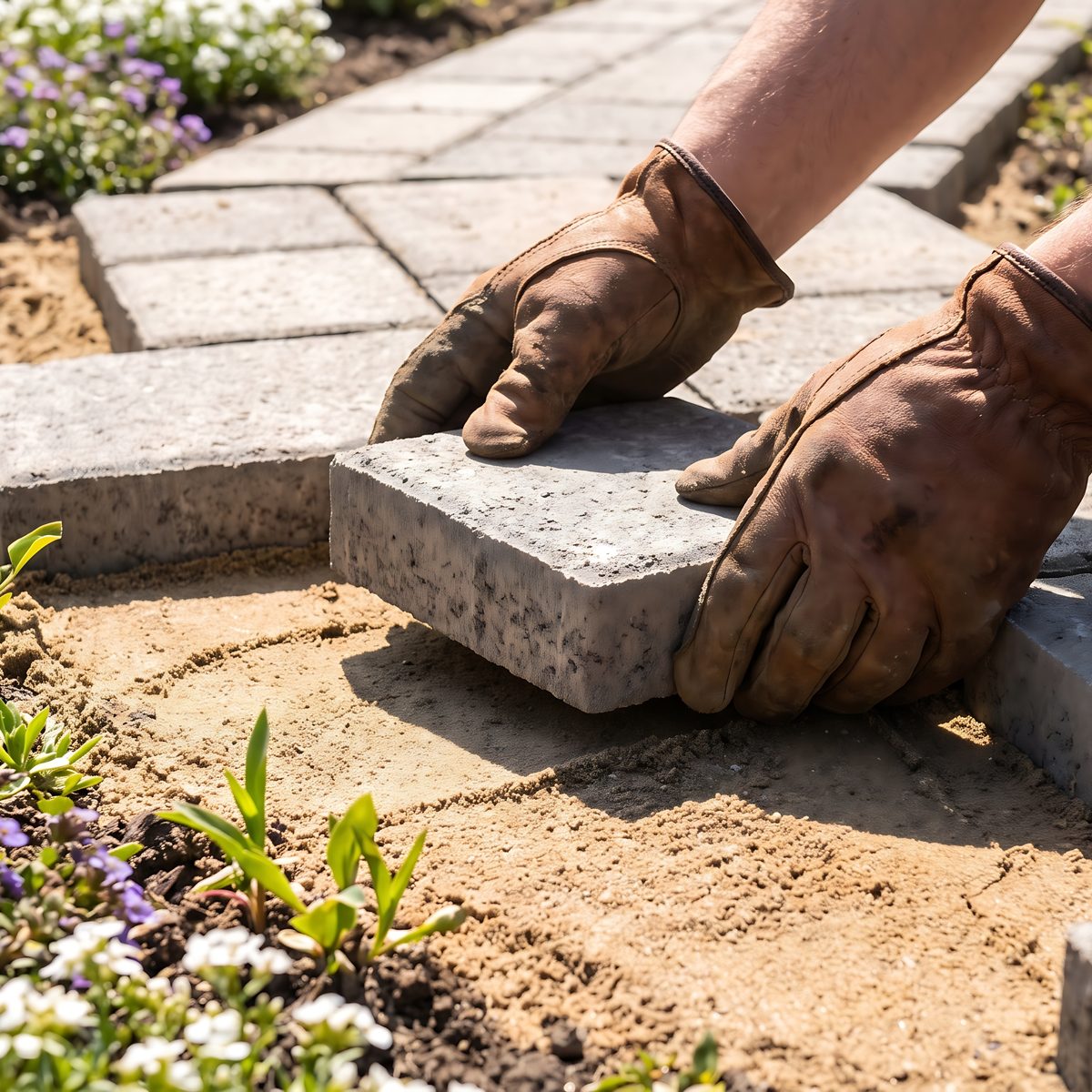
About this sand

Washed and finely screened masonry sand for mortar, paver joints, and pool bases. Consistent grain, ready to screed.

This was the easiest process to purchase mulch! It arrived on time and the driver did an amazing job putting it exactly where I wanted it. I will be a return customer for sure.

One cubic yard covers about 324 square feet at a 1 inch depth, and most paver joint or bedding work in Berea calls for 1 to 2 inches depending on the base. For a small patio or walkway project, figure your square footage first, then double check your depth needs since mortar work and pool bases often use different thicknesses than paver bedding. Sand is sold by the cubic yard here, so measure twice before you order.

A yard is approximately 27 cubic feet. As a general guideline, one yard of material can cover an area of about 100-160 square feet at a 2-3 inch depth.

Berea Sand Delivery

Berea Sand Delivery

4.7
137 reviews
Regular price $74.00 per Yard
Regular price Sale price $74.00
Sale Sold out
Shipping calculated at checkout.
Type
Size
Minimum of 3 Yard
Hand-picked local yards
4,000+ regional deliveries
Dedicated support
Why order through Mulch Mound

The best local sand, without the guesswork.

We hand-pick and partner with the best yards in your region, keep only the ones our buyers rate well, and back each load with our guarantee.

Mulch Mound Guarantee

If your sand isn't the quantity or quality you ordered, we'll make it right.

About this sand

Washed and finely screened masonry sand for mortar, paver joints, and pool bases. Consistent grain, ready to screed.

This was the easiest process to purchase mulch! It arrived on time and the driver did an amazing job putting it exactly where I wanted it. I will be a return customer for sure.

One cubic yard covers about 324 square feet at a 1 inch depth, and most paver joint or bedding work in Berea calls for 1 to 2 inches depending on the base. For a small patio or walkway project, figure your square footage first, then double check your depth needs since mortar work and pool bases often use different thicknesses than paver bedding. Sand is sold by the cubic yard here, so measure twice before you order.

A yard is approximately 27 cubic feet. As a general guideline, one yard of material can cover an area of about 100-160 square feet at a 2-3 inch depth.

View full details

How It Works

Getting started is easy — just follow these simple steps

1

Choose your quantity

Adjust the quantity to match your project. One cubic yard covers about 100 to 160 square feet at a 2 to 3 inch depth.

2

Select your delivery date

Select a delivery date you'd like for the product to be dropped off at your home

3

Sit back and wait

Sit back, wait, and let us work our magic to make sure the highest quality product is delivered to your driveway.

From The Mouths of Berea Folks

4.7
out of 5 based on 137 reviews
Google Reviews

Complete Your Outdoor Project

Mason sand pairs naturally with paver base stone or crushed gravel for anyone building a patio or walkway, since the sand goes on top as the leveling and jointing layer. If you are mixing mortar for stonework near a Berea home built with local limestone, you will also want portland cement on hand. Some builders in town are shifting to clean chip stone for paver bedding since it will not pump the way sand can under freeze thaw stress, worth asking about if that is your project.

Mulch Mound Pro Tip

Mason sand's fine, uniform grain is what makes mortar spread and stick right, but that same fineness means it holds moisture longer than coarser sand. In Berea's silt loam soil, which already drains slowly, keep your sand pile off bare ground and on a tarp or pallet if you are not using it within a day or two, especially heading into a wet spring.

Mulch Mound Pro Tip

A common mistake on paver jobs is using mason sand for the base layer instead of just the joints and thin bedding coat. It is too fine to compact well as a structural base, especially once Berea's freeze thaw cycles start each winter. Use crushed stone underneath and save the mason sand for the top 1 to 2 inches where its fine texture actually helps.

Mulch Mound Pro Tip

If your project spans both mortar work and paver joints, order the sand as one combined delivery rather than two smaller runs, since sizing it right the first time saves a second trip. Many builders around town are also switching paver bedding to chip stone instead of sand, since it resists the pumping and washout that sand can suffer once ground moisture starts moving through it.

Working With Sand in Berea

Berea sits on silt loam that holds water and gets soft in spring, which is why sand matters for drainage layers under patios and walkways here. With hardscape season running spring through fall and a growing season bracketed by an April last frost and an October first frost, most jobs happen on a compressed timeline. This mason sand fills mortar joints and beds pavers without the pumping problems that plague coarser material once winter freeze thaw cycles start working on your joints. It is also the standard choice for mortar mix on any stone or brick work around town.

Masonry vs Fill Sand

Masonry sand is washed and finely screened, the right choice for mortar work, paver joints, and sandboxes. Fill sand is coarser and less processed, better suited to leveling, bedding pipe, and filling low spots.

Bedding and Leveling

For pavers, screed a 1 inch sand bed over a compacted base rather than using sand to fix deep grade problems. A thin, even bed locks pavers in place. A thick one shifts underfoot.

Working With Moisture

Slightly damp sand spreads, screeds, and compacts far more easily than bone dry sand, which just flows back into your screed lines. Lightly wetting the pile before you work it saves real effort.

Frequently Asked Questions

Click a question to see the answer

Answer

Is this the same as mason sand or is it different from regular sand?

Yes, this is mason sand, sometimes just called sand depending on the region. It is washed and finely screened, finer and more uniform than concrete sand, which is what makes it workable for mortar mixing and paver joints. If your project needs a coarser structural base, ask about a different material since this one is built for finish work.

Answer

How many cubic yards do I need for a paver patio?

One cubic yard covers about 324 square feet at a 1 inch depth. Most paver joint and bedding work in Berea runs 1 to 2 inches, so a 300 square foot patio at 1.5 inches would need roughly 1.4 cubic yards. Measure your square footage and depth first, then round up slightly to cover joint filling.

Answer

When is the best time to install sand for a hardscape project in Berea?

Spring through fall is hardscape season here, once the ground firms up after Berea's April last frost and before things freeze again around late October. Working outside that window means fighting frozen or waterlogged silt loam soil, which makes base prep and compaction harder and less reliable.

Answer

Where will the truck place the sand and do I need to prep anything?

We place the load wherever access allows, typically a driveway or curbside area with clear space for the delivery truck. Berea has some hilly and narrow streets, so let us know ahead of time if your access is tight so we can plan the drop appropriately.

Answer

Should I use sand or chip stone for paver bedding?

Mason sand has been the traditional choice for paver bedding, but many builders are shifting to clean chip stone since it does not pump or wash out under moisture the way sand can. Sand still works well for mortar mixing and paver joints. If your project is purely paver bedding, ask us about chip stone as an alternative.

More delivery around Berea, Kentucky

All Berea, Kentucky landscape supply