I used Mulch Mound to have 3 cubic yards of garden soil delivered. The process was easy and I love that I didn't have to call anyone. I placed my order online, picked my delivery date, laid out my tarp and the dirt was delivered. My delivery had to be pushed back, but I was ke...
Tell us what you're looking for
Thanks! We received your request.
Something went wrong. Please try again.
How Much Material Do I Need?
For garden bed creation and vegetable growing in Berea, plan for at least 12 inches of quality soil to give roots room to develop fully through the growing season. For lawn topdressing or leveling, a quarter to half inch layer spread evenly is usually sufficient without smothering existing turf.
Use our free soil calculator
What is a Yard?
A yard is approximately 27 cubic feet. As a general guideline, one yard of material can cover an area of about 100-160 square feet at a 2-3 inch depth.
I used Mulch Mound to have 3 cubic yards of garden soil delivered. The process was easy and I love that I didn't have to call anyone. I placed my order online, picked my delivery date, laid out my tarp and the dirt was delivered. My delivery had to be pushed back, but I was ke...
How Much Material Do I Need?
For garden bed creation and vegetable growing in Berea, plan for at least 12 inches of quality soil to give roots room to develop fully through the growing season. For lawn topdressing or leveling, a quarter to half inch layer spread evenly is usually sufficient without smothering existing turf.
Use our free soil calculator
What is a Yard?
A yard is approximately 27 cubic feet. As a general guideline, one yard of material can cover an area of about 100-160 square feet at a 2-3 inch depth.
I used Mulch Mound to have 3 cubic yards of garden soil delivered. The process was easy and I love that I didn't have to call anyone. I placed my o...
Read full review
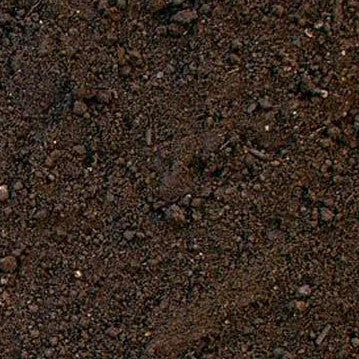
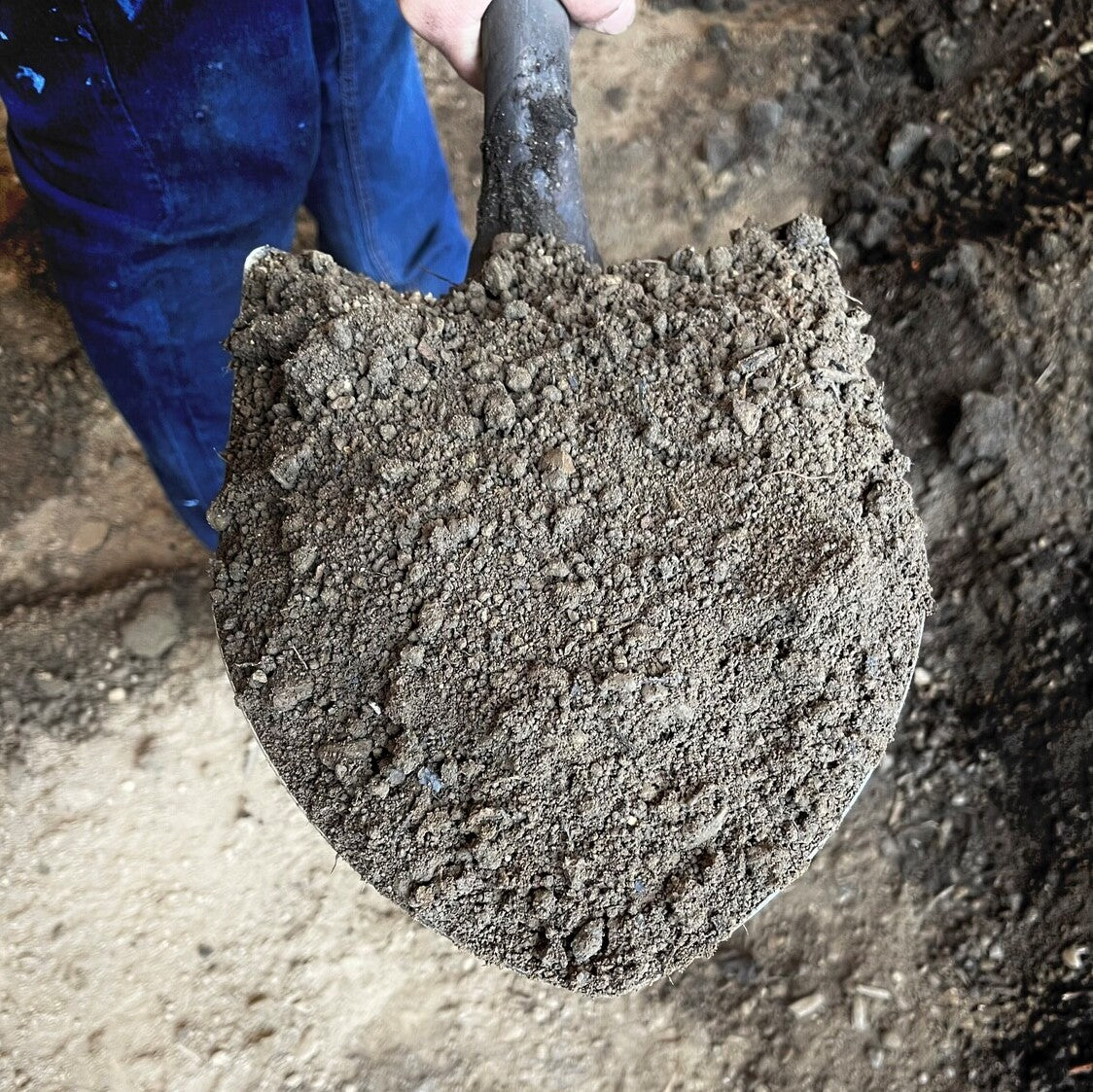
I used Mulch Mound to have 3 cubic yards of garden soil delivered. The process was easy and I love that I didn't have to call anyone. I placed my order online, picked my delivery date, laid out my tarp and the dirt was delivered. My delivery had to be pushed back, but I was kept informed via text, which was great. So why not 5 stars? The description of garden soil on the website is "A balanced mix of topsoil and organic amendments ready for raised beds, flower gardens, and new planting areas. Good drainage, solid nutrients, easy to work with." What I got was more like fill dirt. It had a lot of gravel, a lot of clay, and random trash mixed in. I didn't test the soil to see if it actually had "amendments" because I already have compost and alpaca manure ready to add, but if I'd known the quality of the dirt was going to be the same as the bagged dirt I bought last year, I probably would have gotten 2 yards of top soil and a yard of leaf compost for better quality, especially since the leaf compost is cheaper. Photo of my mountain of dirt and just some of the trash I found in it.
To estimate bulk soil needs, measure your area in square feet and decide how many inches deep you need to go. Multiply square footage by depth in feet, which is your depth in inches divided by 12, and then divide by 27 to get cubic yards. For irregularly shaped areas in your Berea yard, break the space into sections, calculate each one separately, and add them together.
Complete Your Outdoor Soil Project
Pairing bulk soil with a quality mulch layer is one of the most effective combinations for Berea landscapes, since the mulch protects the soil surface from rain compaction while the soil underneath does the work of feeding your plants. If you are grading or leveling, a load of stone can help create drainage channels or stable edging that keeps your new soil in place.
Frequently Asked Questions
Click a question to see the answer
Answer
Is Berea's native soil good enough for a vegetable garden, or do I need to bring in something better?
Berea's silt loam is not bad soil, but it has a few drawbacks for intensive vegetable gardening. Its tendency to compact means roots of heavy feeders like tomatoes and squash can struggle to spread deeply enough to support large plants. The soil also benefits from added organic matter to improve its nutrient-holding capacity, especially given how much rainfall moves through it each year. For most Berea gardeners, blending in quality bulk garden soil with your native ground will give you noticeably better results than working with native soil alone.
Answer
When is the best time of year to add bulk soil to my Berea yard?
Spring is the most popular time in Berea, ideally a week or two after the last frost on April 28, when the ground has thawed and dried enough to work without compacting. Fall is also excellent, especially for lawn grading or establishing new beds, because the soil will settle over winter and be ready to plant by spring. Avoid working soil into saturated ground after heavy rain, which is a real consideration in Berea given how frequently significant rainfall events occur through spring and early summer.
Answer
How much soil do I need to fill a raised bed that I am building in my Berea backyard?
For a standard 4 by 8 foot raised bed that is 12 inches deep, you will need about 1.2 cubic yards of soil. If you are building multiple beds or going deeper than 12 inches, the totals add up faster than most people expect. Use the calculator on this page to enter your exact dimensions and get an accurate number before you order. It is always wise to round up slightly so you are not short at the end of a project.
Answer
I want to level out some low spots in my Berea lawn. What kind of soil should I use for that?
Screened topsoil is the best choice for leveling lawn low spots in Berea. It has a fine enough texture to settle smoothly over existing grass without smothering it, and it will blend with your native silt loam reasonably well. For spots deeper than two inches, fill in layers and allow each layer to settle before adding more. Berea gets enough spring rain to help new seed germinate in filled areas, but water regularly if you are filling in summer when dry spells are more common.
Answer
Will adding bulk soil help with the drainage problems I have in my Berea yard?
It depends on what is causing the drainage issue. If the problem is compacted or low-organic native soil that cannot absorb rainfall fast enough, adding a quality topsoil or garden blend will improve infiltration over time. If the issue is a low spot that collects runoff from surrounding areas, grading with topsoil to redirect water is the better approach. Berea receives rain fairly consistently year-round, so addressing drainage properly rather than just adding soil on top of a problem is important for lasting results.
Answer
Can I use bulk garden soil to improve the planting areas around my existing trees and shrubs in Berea?
Yes, but do it carefully around established trees. You should not bury the root flare of a tree under several inches of new soil, as that can cause bark rot and long-term decline. Instead, spread no more than an inch of quality topsoil or garden mix over the root zone and let it filter in naturally over time. For shrub beds, you can be a bit more generous, working new soil in between plants at two to three inches to improve the growing environment without disturbing existing root systems.
Answer
Does Berea's rainfall mean I need to worry about my new topsoil washing away before it gets established?
On slopes or bare areas, yes, erosion from Berea's frequent rain events is a real concern before vegetation establishes. Seeding immediately after spreading topsoil and covering with a light straw mulch will hold the soil in place during the critical first few weeks. On flat or gently sloped areas, the risk is lower but still worth managing. Avoid leaving large areas of bare soil exposed heading into spring or fall when Berea tends to see its heaviest multi-day rain events.
Mulch Mound Pro Tip
Berea's silt loam has a naturally moderate pH, but years of heavy rainfall can gradually leach away nutrients and shift conditions in ways that limit plant performance. Before you spread bulk soil in a new bed, get a soil test through the University of Kentucky Cooperative Extension office in Madison County. A soil test costs very little and will tell you exactly what amendments to add so your new soil investment works as hard as possible from the first planting season.
Mulch Mound Pro Tip
When filling raised beds or new planting areas in Berea, resist the urge to walk on fresh soil to pack it down. Silt loam-based mixes compact easily, and foot traffic before plants are established will undo much of what makes quality bulk soil worth buying. Use a board to distribute your weight if you must walk across a bed during planting, and let natural rainfall and earthworm activity do the settling work over the first few weeks after application.
Mulch Mound Pro Tip
Berea's growing season wraps up around October 24 with the first frost, which means fall is actually a great time to invest in soil improvement projects. Spreading and grading topsoil in September or early October gives the material several weeks to settle before the ground freezes, and freeze and thaw cycles over winter naturally help break up any remaining clumps. Come spring after April 28, your beds will be ready to plant almost immediately without needing additional prep work.
The Unique Landscape of Berea
Berea's native silt loam is a workable soil type, but it has real limitations when it comes to supporting healthy gardens and lawns over the long term. Its fine particle size means it compacts under foot traffic and heavy rain, and many established yards in Berea have a thin layer of workable topsoil sitting over denser subsoil that roots struggle to penetrate. With 46 inches of annual rainfall hitting the area each year, nutrient leaching is a genuine concern, as water moves through silt loam quickly enough to carry away soluble minerals. Berea's elevation of 958 feet also means temperature swings between seasons are meaningful, and soil that lacks organic matter will freeze and thaw in ways that damage root systems and displace newly planted material. Bringing in quality bulk soil lets you build the kind of planting environment that Berea's climate demands rather than fighting against poor native conditions. Whether you are filling raised beds, leveling a lawn, or establishing a new garden area, starting with good soil is the single most impactful investment you can make.