



The driver nailed it on putting the gravel I ordered in front of my trailer and between the sidewalk. Very satisfied with how my flowerbeds look now.
About this stone
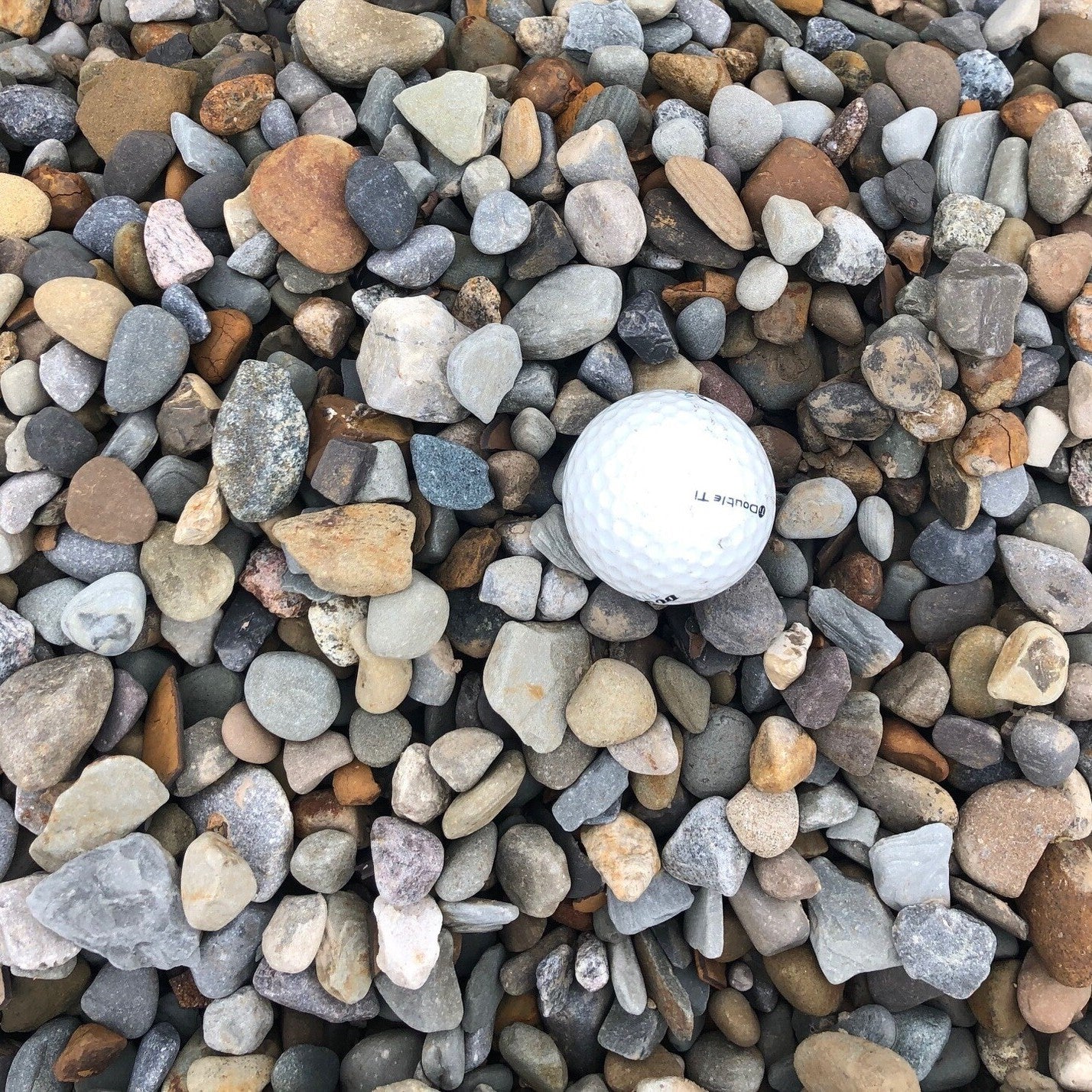
Number 57 crushed stone, angular limestone graded to about three quarters of an inch. The standard driveway, base and drainage gravel, it locks together under traffic and drains fast.
The driver nailed it on putting the gravel I ordered in front of my trailer and between the sidewalk. Very satisfied with how my flowerbeds look now.
Tell us what you're looking for
Thanks! We received your request.
Something went wrong. Please try again.
How Much Material Do I Need?
How Much Material Do I Need?
For decorative stone ground cover and dry creek beds in Berea, a two to three inch layer provides adequate coverage and erosion control. For driveways and high-traffic pathways, plan for a minimum of four inches of compacted material to hold up through Berea's wet seasons and freeze and thaw cycles.
Use our free gravel calculator
What is a Yard?
What is a Yard?
FAQs
FAQs
Berea Gravel Delivery
Berea Gravel Delivery
Regular price
$133.00
per
Yard
Regular price
Sale price
$133.00
Unit price
per
Shipping calculated at checkout.
Minimum of 3 Yard
Couldn't load pickup availability
Not currently available
We can't take orders for this right now. Tell us what you need and we'll get back to you.
Hand-picked local yards
4,000+ regional deliveries
Dedicated support
Why order through Mulch Mound
The best local , without the guesswork.
We hand-pick and partner with the best yards in your region, keep only the ones our buyers rate well, and back each load with our guarantee.
Mulch Mound Guarantee
If your isn't the quantity or quality you ordered, we'll make it right.
About this stone
Number 57 crushed stone, angular limestone graded to about three quarters of an inch. The standard driveway, base and drainage gravel, it locks together under traffic and drains fast.
The driver nailed it on putting the gravel I ordered in front of my trailer and between the sidewalk. Very satisfied with how my flowerbeds look now.
How Much Material Do I Need?
How Much Material Do I Need?
For decorative stone ground cover and dry creek beds in Berea, a two to three inch layer provides adequate coverage and erosion control. For driveways and high-traffic pathways, plan for a minimum of four inches of compacted material to hold up through Berea's wet seasons and freeze and thaw cycles.
Use our free gravel calculator
What is a Yard?
What is a Yard?
FAQs
FAQs
Tell us what you're looking for
Thanks! We received your request.
Something went wrong. Please try again.
How It Works
Getting started is easy — just follow these simple steps
1
Choose your stone
Make sure you adjust the quantity to your home's needs. You can use our calculator to estimate how much you'll need.
2
Select your delivery date
Select a delivery date you'd like for the product to be dropped off at your home
3
Sit back and wait
Sit back, wait, and let us work our magic to make sure the highest quality product is delivered to your driveway.


Need Help Calculating How Much Gravel You Need?
Use our NEW Trace from Satellite tool to get an estimate for your project based on an aerial view of your property
Try Our CalculatorMeasure the length and width of your stone coverage area in feet and determine how deep you want the layer to be, typically two to four inches for decorative applications and four to six inches for driveways and base layers. Multiply length by width by depth in feet, then divide by 27 to convert to cubic yards. Stone is heavier than mulch or soil per cubic yard, so make sure your drop-off location can handle the weight of the delivery vehicle.
Complete Your Outdoor Stone Project
Stone projects in Berea pair naturally with bulk soil for areas where you are grading before laying gravel, and with landscape fabric to prevent silt loam from migrating upward through the stone over time. If you are edging stone beds with decorative borders, consider how mulch in adjacent planting areas will complement the overall look and keep both materials in their designated zones.

Mulch Mound Pro Tip
Before you spread any decorative stone in Berea, install a high-quality landscape fabric underneath it. Berea's silt loam is fine-grained enough to migrate upward through stone over time, especially after repeated heavy rain events that work the soil particles toward the surface. Without a barrier, you will notice the rock sinking and the area looking muddy within a few seasons. Overlap fabric edges by at least six inches and secure them with landscape staples to prevent gaps where soil movement tends to concentrate.
Mulch Mound Pro Tip
If you are using stone to address a specific drainage problem on your Berea property, take time before ordering to trace exactly where the water comes from and where it needs to go. Berea's terrain has enough variation at 958 feet in elevation that even small yard grading differences can redirect water in unexpected directions after a stone installation. Digging a shallow swale or channel before placing your stone ensures the water moves through the rock and away from problem areas rather than pooling against your foundation or neighbor's property line.
Mulch Mound Pro Tip
Berea's freeze and thaw cycle between late October and late April can cause stone edging and border rocks to shift over winter if they are not set properly. When installing larger accent stones or border edging, bury at least one third of each stone below grade. This keeps them anchored through the ground movement that happens during repeated freezing and thawing. Stones placed flat on the surface without any burial depth will migrate noticeably over one or two winters and require resetting each spring to keep your landscape looking neat.
The Unique Landscape of Berea
Stone is one of the most practical and long-lasting landscape materials you can invest in for a Berea property, especially given the local rainfall patterns and soil conditions. With 46 inches of rain per year hitting silt loam soil, erosion along slopes, driveways, and bed edges is a constant challenge that stone manages better than almost any other material. Berea's elevation and freeze and thaw cycles between October and April also mean that pathways and drainage areas need surfaces that hold up under repeated temperature change without shifting or degrading. Decorative stone adds visual weight and permanence to landscape designs that mulch and organic materials simply cannot replicate over the long term. Whether you are stabilizing a slope, creating a dry creek drainage channel, or laying a gravel driveway, the right stone gives Berea homeowners a solution that looks good and performs better season after season. Unlike organic materials, stone does not break down, does not attract pests, and does not need to be refreshed each spring.