I highly recommend Mulch Mound. The quality of the mulch is very good. The ordering system on their website makes it very easy. The delivery driver did a great job placing the mulch on the driveway. To finish off, the pricing was very reasonable as well.
Tell us what you're looking for
Thanks! We received your request.
Something went wrong. Please try again.
How Much Material Do I Need?
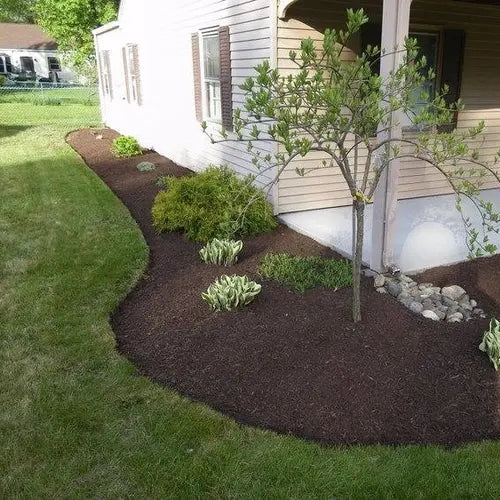
Three inches is the working depth for most Bethlehem beds, deep enough to suppress weeds and hold moisture through a dry August stretch. Drop to 2 inches around shallow rooted azaleas and rhododendrons and within 6 inches of your foundation.
Use our free mulch calculator
What is a yard?
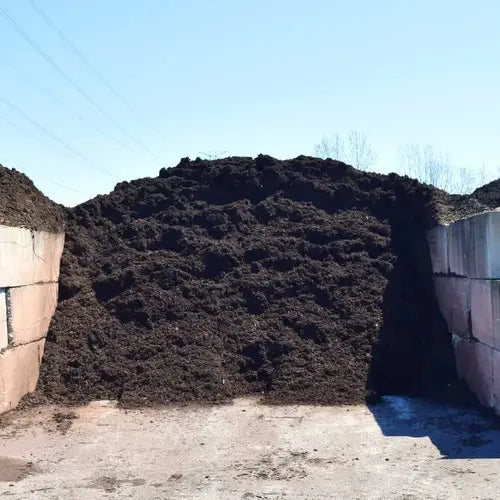
A yard is approximately 27 cubic feet. As a general guideline, one yard of material can cover an area of about 100-160 square feet at a 2-3 inch depth.
I highly recommend Mulch Mound. The quality of the mulch is very good. The ordering system on their website makes it very easy. The delivery driver did a great job placing the mulch on the driveway. To finish off, the pricing was very reasonable as well.
How Much Material Do I Need?
Three inches is the working depth for most Bethlehem beds, deep enough to suppress weeds and hold moisture through a dry August stretch. Drop to 2 inches around shallow rooted azaleas and rhododendrons and within 6 inches of your foundation.
Use our free mulch calculator
What is a yard?
A yard is approximately 27 cubic feet. As a general guideline, one yard of material can cover an area of about 100-160 square feet at a 2-3 inch depth.
I highly recommend Mulch Mound. The quality of the mulch is very good. The ordering system on their website makes it very easy. The delivery driver...
Read full review
I highly recommend Mulch Mound. The quality of the mulch is very good. The ordering system on their website makes it very easy. The delivery driver did a great job placing the mulch on the driveway. To finish off, the pricing was very reasonable as well.
They offered a quick turnaround and delivered high quality mulch at a reasonable price. They also dropped it off exactly where I told them to put i...
Read full review
They offered a quick turnaround and delivered high quality mulch at a reasonable price. They also dropped it off exactly where I told them to put it. Good service!
Break your yard into simple rectangles and circles rather than trying to measure one odd shape, since most Bethlehem beds curve along a walk or a porch line. Multiply length by width in feet, add the pieces together, then plug that total and your desired depth into the calculator. One cubic yard covers about 108 square feet at 3 inches deep.
Mulch vs. No Mulch: The Difference
Bethlehem's 46 inches of yearly rainfall combined with humid Zone 7a summers speeds up microbial activity, so organic mulch here breaks down noticeably faster than it would in a drier climate. Hardwood mulch in a sunny Bethlehem bed will typically lose a third of its depth in a single season. That decomposition is not waste, it is free organic matter working its way into your silt loam, but it does mean planning on an annual top off.
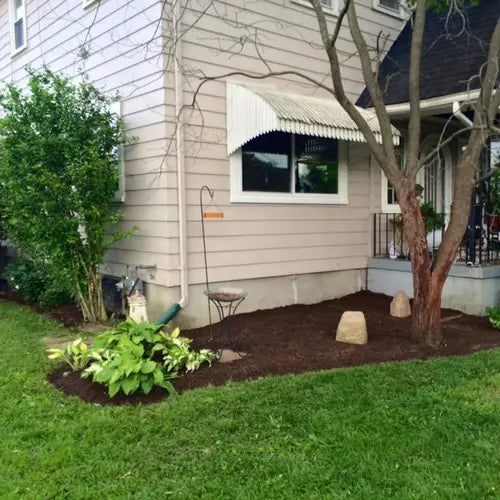
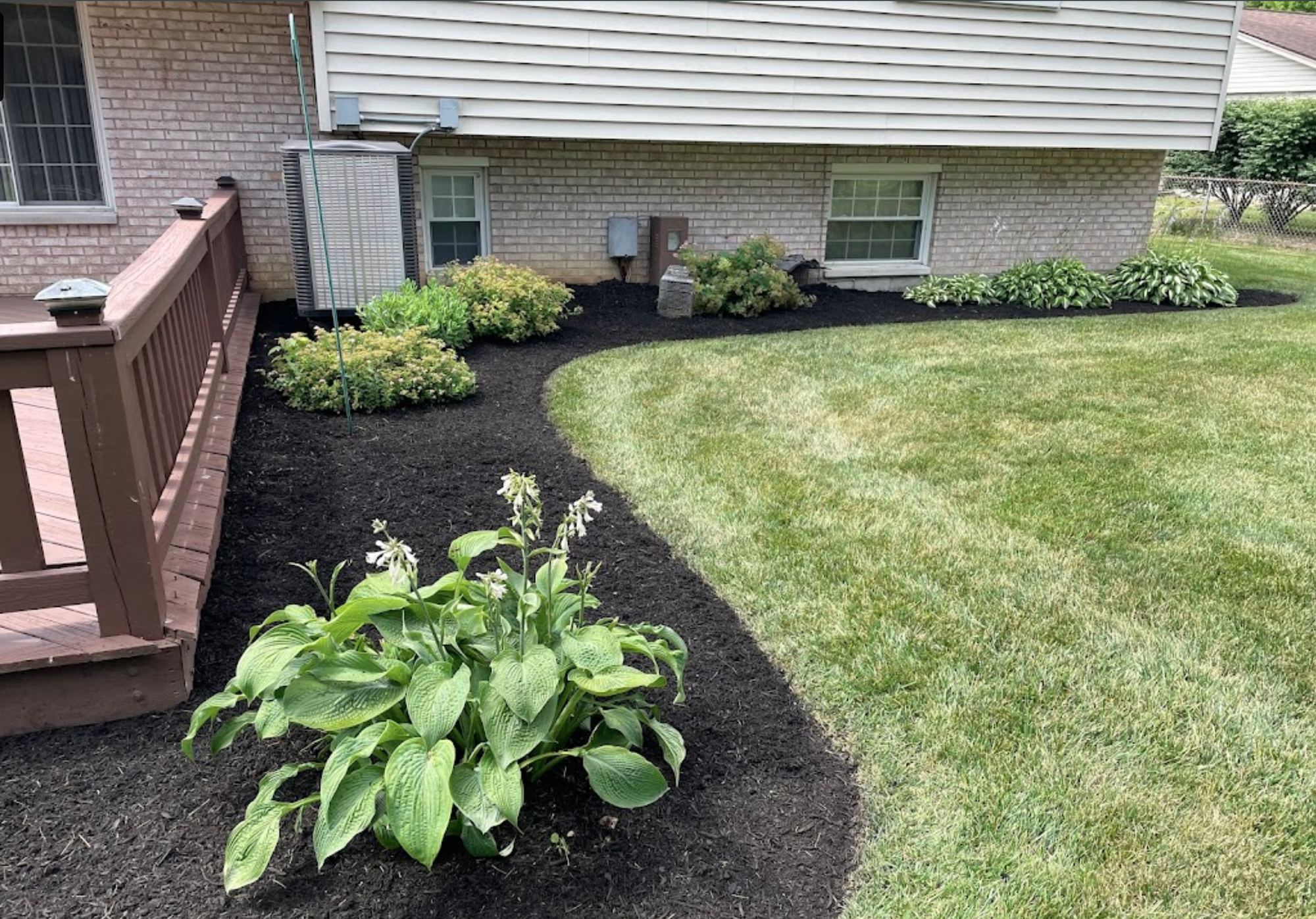
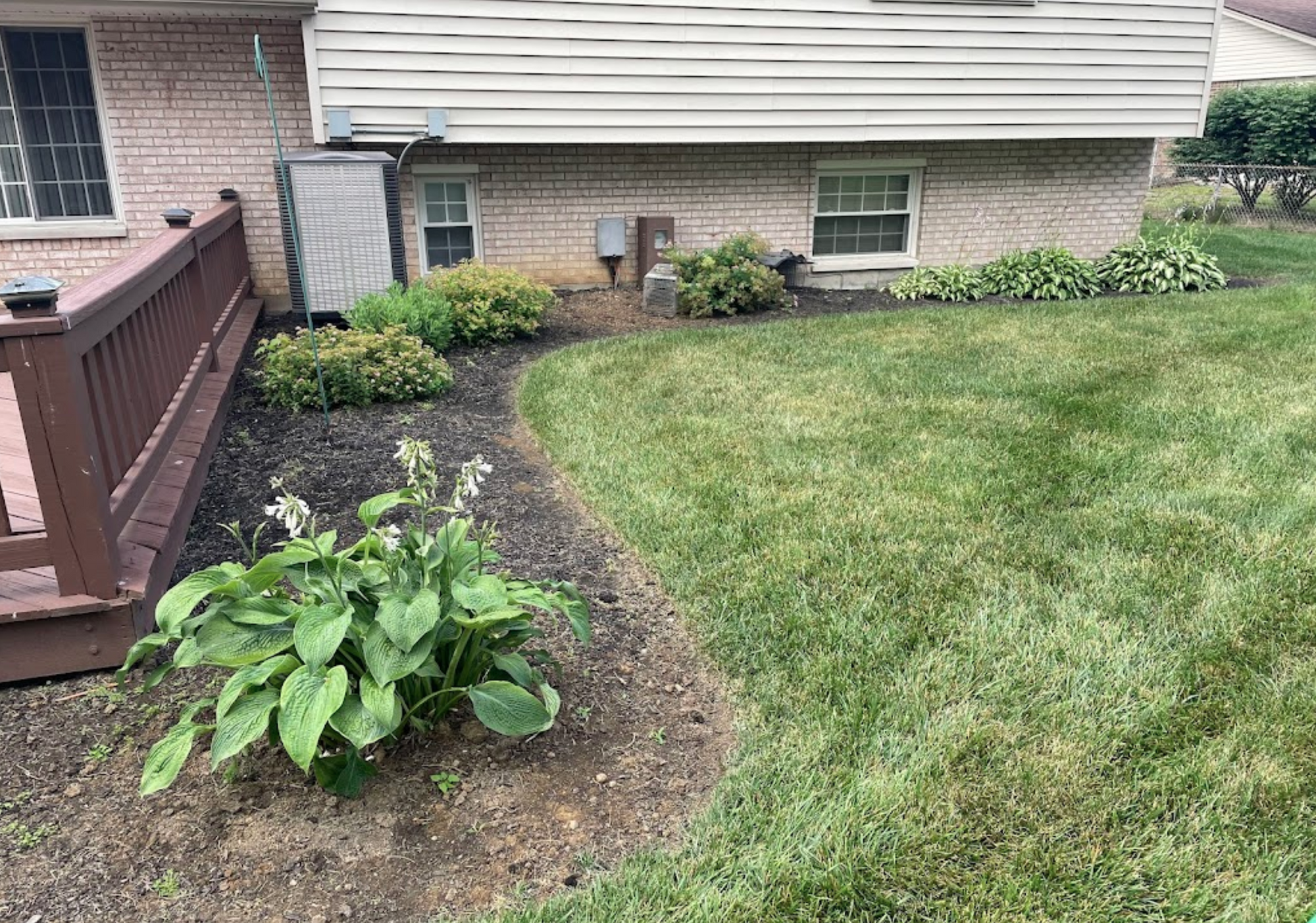
Before
After
Best Mulch Choice for Bethlehem Lawns
Most yards in the Bethlehem area sit on type of soil. Silt loam is the dominant soil across Bethlehem, and while it holds nutrients and water well, its fine particles compact easily under foot traffic and pack tight after heavy rain. That compaction squeezes out the air pockets roots need and leaves beds soggy in spring.
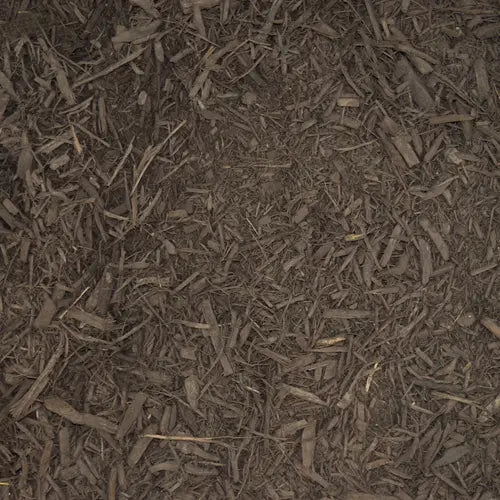
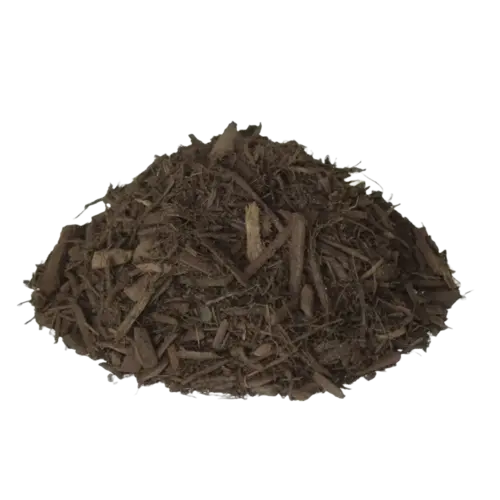
Hardwood Mulch
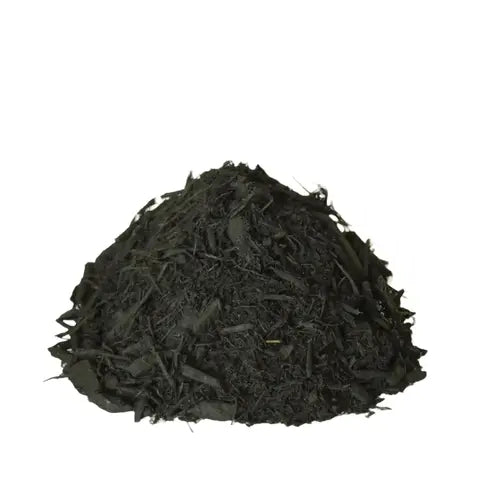
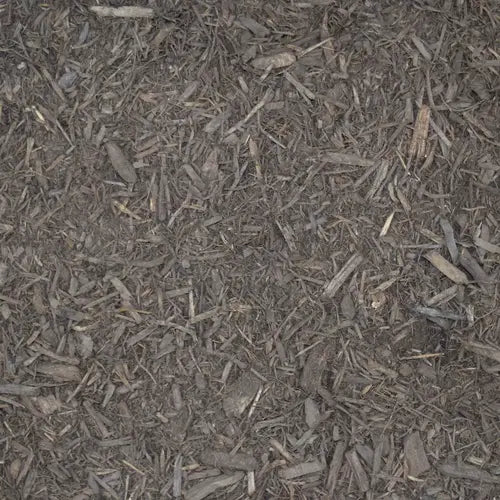
Shredded hardwood mulch solves both problems at once by cushioning the soil surface against compacting rain and slowly decomposing into organic matter that opens up silt loam structure. After two or three seasons of hardwood mulch, Bethlehem beds drain better, crust less, and hold moisture deeper into summer dry spells.
Complete Your Outdoor Mulch Project
Pair your mulch with a few yards of screened topsoil or compost to build up thin spots before you spread, and add steel or stone edging to keep mulch out of the lawn on sloped Lehigh Valley lots.
Mulch Mound Pro Tip
Pull mulch away from trunks before you spread. Mulch volcanoes piled against maples and dogwoods trap moisture against bark, and in Bethlehem that bark stays wet for days after our frequent summer storms. Rot and girdling roots follow. Leave a bare ring of 3 to 4 inches around every trunk and taper the mulch out from there. The tree flare should always be visible above the mulch line.
Mulch Mound Pro Tip
Water your beds thoroughly before mulching if the soil is dry. Bethlehem silt loam forms a hard surface crust in dry spells, and dry mulch spread over dry crusted soil will shed the next rainfall rather than let it soak in. A deep soak first, then mulch on top, locks that moisture in place and gives roots a reservoir to draw from through the heat of July and August.
Mulch Mound Pro Tip
Rake and fluff last year's mulch before adding new material. Old hardwood mulch in our humid climate can mat into a water repellent crust by the second season, especially in shady beds on the north side of a house. A stiff rake breaks that layer up in minutes, restores airflow to the soil, and means you only need an inch of fresh mulch instead of a full three inches.
Frequently Asked Questions
Click a question to see the answer
Answer
When should I mulch my beds in Bethlehem?
Mid to late April is the sweet spot, right around our April 20 average last frost. Waiting until the soil has warmed keeps you from trapping cold in the ground, and it lets you mulch after the spring bulbs have pushed up. If you missed spring, early October before the October 15 first frost is a solid second window for insulating perennials.
Answer
How much mulch do I need for a typical Bethlehem row home backyard?
Many Bethlehem row home yards run roughly 20 by 40 feet with beds along two sides, which often works out to 200 to 300 square feet of bed space. At a 3 inch depth that is about 2 to 3 cubic yards. Measure each bed and use our calculator rather than guessing, since narrow city lots vary a lot block to block.
Answer
Does mulch wash off my sloped yard on the South Side?
It can, especially on the steeper grades running up toward South Mountain. Double shredded hardwood knits together as it settles and stays put far better than nuggets or pine bark on those pitches. On slopes over about 15 percent, add a shallow trench edge at the bottom of the bed and keep the depth closer to 2 inches so heavy summer downpours have less material to carry away.
Answer
Will mulch attract termites or carpenter ants near my foundation?
Mulch itself is not a food draw the way people fear, but damp mulch piled against siding creates the moisture these insects like. Keep mulch pulled back 6 inches from your foundation and never let it touch wood siding or sills, which matters on older Bethlehem homes with stone foundations and low grade lines. A 2 inch depth in that band instead of 3 also helps it dry out.
Answer
How often do I need to replace mulch here?
With 46 inches of annual rain and warm humid summers, hardwood mulch in Bethlehem typically breaks down enough to need a top off every year, usually 1 to 1.5 inches added each spring. Fully stripping and replacing is rarely needed and can waste the organic matter your silt loam wants. Fluff the old layer with a rake first, then add fresh on top.
Answer
Should I put landscape fabric under mulch in my Bethlehem beds?
In planting beds, usually not. Fabric blocks the decomposed mulch from working into the silt loam, which is exactly the improvement your soil needs, and weeds eventually root in the mulch above it anyway. Fabric makes more sense under stone or in a permanent path. For beds, a clean edge and consistent 3 inch depth control weeds better long term.
Answer
Is dyed mulch safe for my vegetable garden?
Most dyed mulch uses iron oxide or carbon based colorants that are not harmful, but the wood base can be recycled material of unknown origin. For Bethlehem vegetable beds we recommend undyed hardwood, leaf mulch, or straw instead, since those break down cleanly into silt loam and feed the soil. Save the dyed products for ornamental beds where the color holds through our long humid summers.
The Unique Landscape of Bethlehem
Bethlehem sits at about 360 feet in the Lehigh Valley, and the silt loam that covers most yards from the West Side to Freemansburg Avenue holds moisture well but crusts over and sheds water when it dries out. A steady mulch layer keeps that crust from forming, so the 46 inches of rain the city gets each year soaks into beds instead of running down driveways toward the Monocacy. Zone 7a winters here swing above and below freezing repeatedly from December into March, and that freeze thaw cycle heaves shallow rooted perennials and young shrubs right out of silt loam. Mulch buffers those swings and holds soil temperature steady through the worst of it. It also shades out the crabgrass and bindweed that jump into open beds during humid Lehigh Valley Julys.