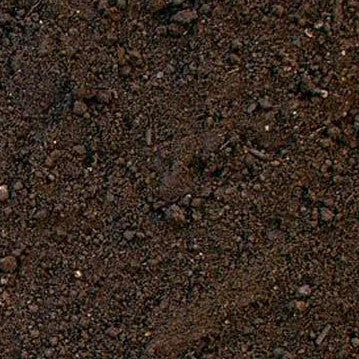
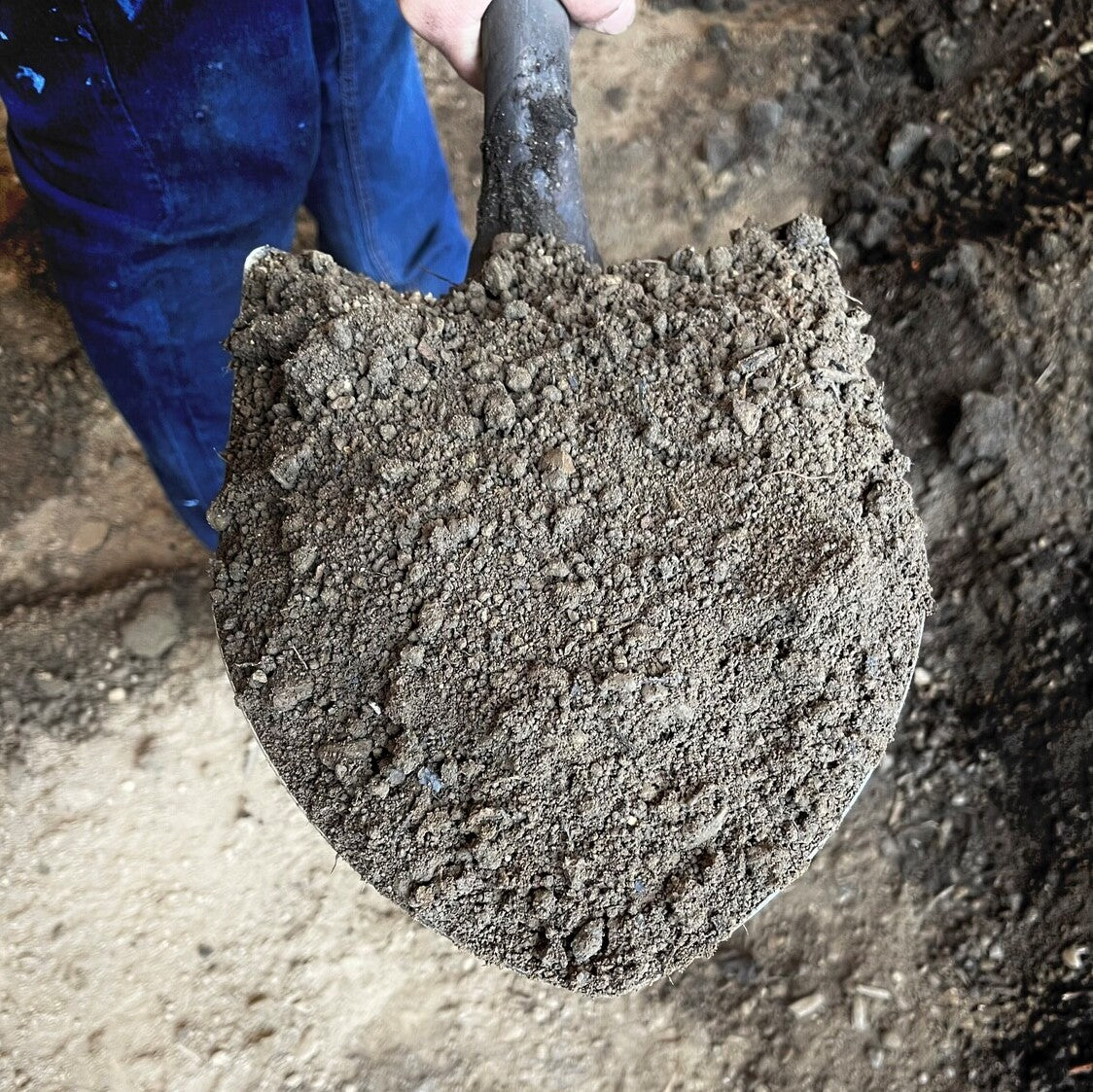
We ordered 3 yards of the garden soil, delivered mext day. We used in raised beds 6x3x2. It was more than needed for both but the soil looked good! I added some perlite to add some drainage since this is a little dense.
Tell us what you're looking for
Thanks! We received your request.
Something went wrong. Please try again.
How Much Material Do I Need?
Plan on 4 to 6 inches for new lawn areas, 8 to 12 inches for vegetable and perennial beds, and a quarter to half inch for topdressing an existing Bethlehem lawn in fall.
Use our free soil calculator
What is a Yard?
A yard is approximately 27 cubic feet. As a general guideline, one yard of material can cover an area of about 100-160 square feet at a 2-3 inch depth.
We ordered 3 yards of the garden soil, delivered mext day. We used in raised beds 6x3x2. It was more than needed for both but the soil looked good! I added some perlite to add some drainage since this is a little dense.
How Much Material Do I Need?
Plan on 4 to 6 inches for new lawn areas, 8 to 12 inches for vegetable and perennial beds, and a quarter to half inch for topdressing an existing Bethlehem lawn in fall.
Use our free soil calculator
What is a Yard?
A yard is approximately 27 cubic feet. As a general guideline, one yard of material can cover an area of about 100-160 square feet at a 2-3 inch depth.
We ordered 3 yards of the garden soil, delivered mext day. We used in raised beds 6x3x2. It was more than needed for both but the soil looked good!...
Read full review
We ordered 3 yards of the garden soil, delivered mext day. We used in raised beds 6x3x2. It was more than needed for both but the soil looked good! I added some perlite to add some drainage since this is a little dense.
Measure the area in feet and decide on your finish depth before you calculate, and remember that soil settles roughly 15 to 20 percent after it is spread and watered in. Order that much extra so you are not short at the end of a grading job. For sloped Bethlehem lots, measure the deepest fill point and the shallowest, then use the average depth.
Complete Your Outdoor Soil Project
Add compost to blend into the top layer and a few bags of grass seed suited to Lehigh Valley conditions, plus straw or mulch to hold everything in place through the first heavy rain.
Frequently Asked Questions
Click a question to see the answer
Answer
What kind of soil is under my Bethlehem yard already?
Most of the city sits on silt loam derived from the limestone and shale of the Lehigh Valley floor. It holds nutrients and moisture well, which is a real advantage, but the fine particles compact under equipment and foot traffic and can leave you with a hardpan a few inches down. Adding compost rich topsoil on top and loosening what is below is usually more effective than trying to replace it.
Answer
When is the best time to bring in topsoil and seed a lawn here?
Late August through mid September is the strongest window in Bethlehem. Soil is still warm, nights are cooling, and cool season grasses have roughly six to eight weeks to root before the October 15 first frost. Spring works too if you get soil down by late April, but you are then racing summer heat and crabgrass. Fall gives you the better stand every time.
Answer
How deep should topsoil be for a new lawn?
Aim for 4 to 6 inches of good soil over loosened subgrade. On Bethlehem lots where builders scraped the site, 6 inches is worth the extra yardage because the silt loam beneath is usually compacted. Till or rake the first inch or two of new soil into the existing surface so you do not create a distinct layer that roots refuse to cross.
Answer
Do I need to test my soil pH in Bethlehem before I amend?
It is a good idea. The Lehigh Valley sits on limestone bedrock, and many Bethlehem yards run neutral to slightly alkaline as a result. That is fine for lawns and most vegetables but frustrating for blueberries, azaleas, and rhododendrons, which want acidic conditions. Penn State Extension offers inexpensive tests, and knowing your number saves you from guessing at amendments.
Answer
My backyard puddles after every storm. Will adding soil fix it?
Sometimes, but only if you address grade rather than just fill the low spot. With 46 inches of rain a year, Bethlehem yards need a consistent slope away from the house of about 2 percent, or a quarter inch per foot. Build up with a sandier topsoil blend and shape a positive fall, since dumping heavy silt loam into a puddle can make the sponge worse.
Answer
Can I use bulk topsoil in raised vegetable beds?
Straight topsoil will settle too dense in a raised bed. A blend of roughly 60 percent screened topsoil and 40 percent compost gives you the drainage and organic matter a Bethlehem raised bed needs. Raised beds also warm faster than our silt loam ground soil, letting you plant tomatoes a week or two after the April 20 last frost rather than waiting for the ground to catch up.
Answer
How much does a yard of soil weigh, and will it damage my driveway?
A cubic yard of screened topsoil runs roughly 2,000 to 2,400 pounds dry and considerably more after a Lehigh Valley rain. On a standard concrete or asphalt driveway that is fine, but on older Bethlehem driveways with cracked asphalt or on paver aprons we recommend laying down plywood or a heavy tarp first to spread the load and make cleanup easy.
Mulch Mound Pro Tip
Loosen what is underneath before you spread new soil. Dumping fresh topsoil onto compacted Bethlehem silt loam creates a hard interface that roots and water both stall at, and the result is a lawn that looks great for one season then thins out. Run a broadfork, tiller, or core aerator over the subgrade first, then blend the bottom inch of new soil into it as you spread.
Mulch Mound Pro Tip
Do not work soil when it is wet. Silt loam is especially prone to smearing and structural damage if you till or drive on it while saturated, and after a typical Bethlehem spring rain that can mean waiting three or four days. Squeeze a handful into a ball and poke it. If it crumbles apart, you are good. If it stays a slick ribbon, give it another day.
Mulch Mound Pro Tip
Take advantage of our long fall. With a first frost around October 15 and soil that stays workable well into November at 360 feet elevation, October is an underused month for soil projects in Bethlehem. Amendments spread in fall have all winter to integrate through freeze thaw cycles, and beds prepped now are ready to plant the moment the ground dries in April rather than waiting on spring delivery schedules.
The Unique Landscape of Bethlehem
Most Bethlehem properties sit on silt loam, which is naturally productive but often stripped or buried under construction fill, especially in the postwar neighborhoods and newer developments out toward Bethlehem Township. What is left near the surface is frequently compacted subsoil that drains poorly and roots badly. Bringing in quality screened topsoil or compost blends restores the depth that lawns, gardens, and new plantings need to establish before our short Zone 7a window closes. With 46 inches of rain a year, drainage matters as much as fertility here, so blending sandier material into heavy spots pays off. Good soil also gives raised beds a head start, since ground temperatures at 360 feet elevation warm slowly and beds get planting underway weeks earlier.