
About this mulch

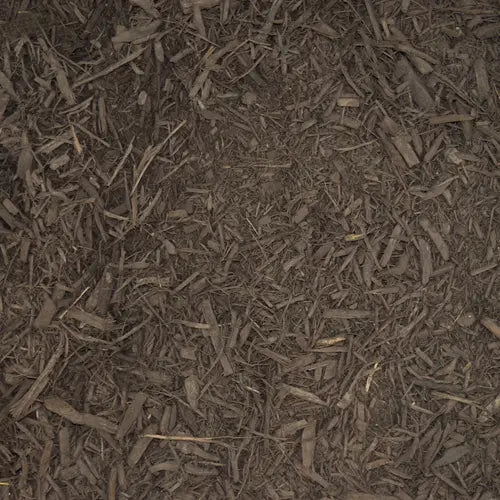
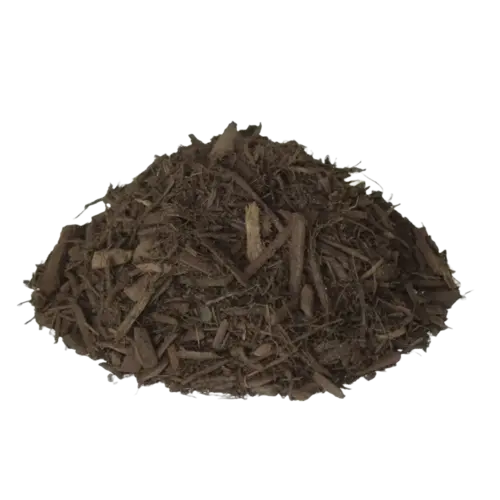
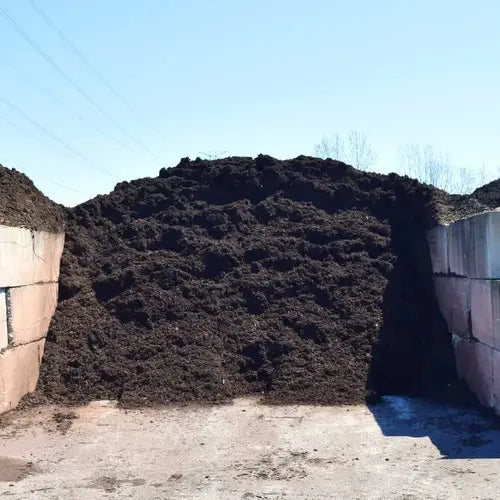
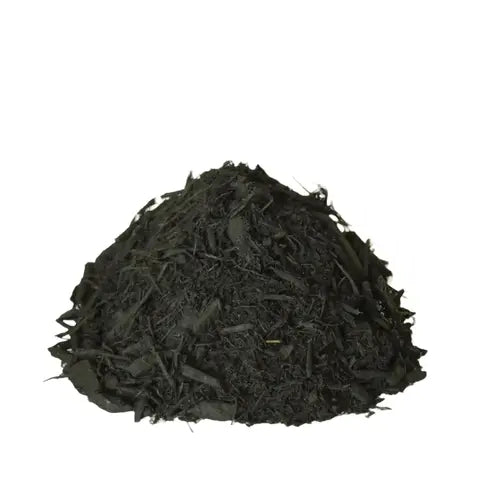
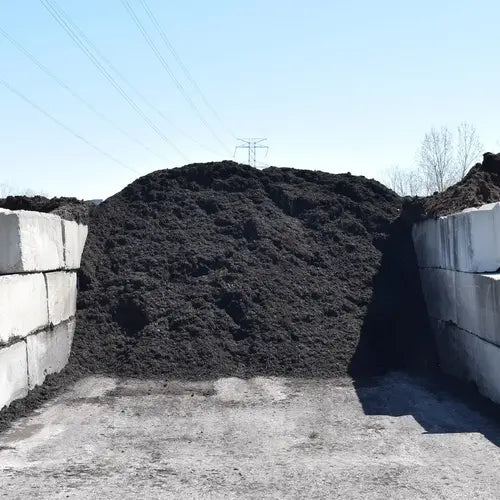
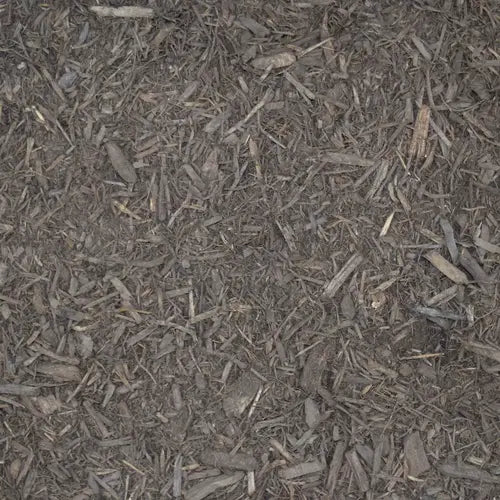
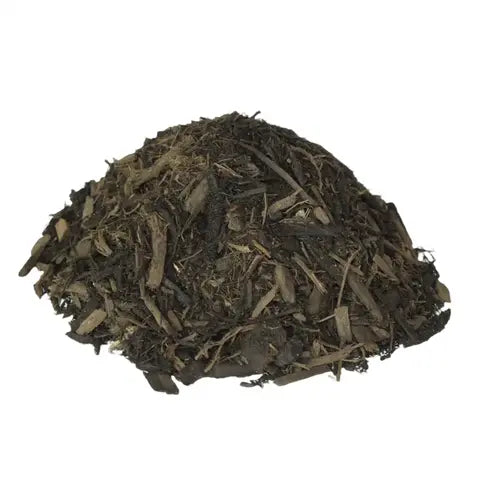
Double-shredded mulch dyed a rich, even brown that holds its color through the season.

We needed mulch for our HOA common areas. Local providers were all holding high prices even for 40 yards of mulch. Mulch mound was easy to wowith & has great price for natural mulch + delivery schedule options. They called before delivery to ensure Delivery was exactly wher...

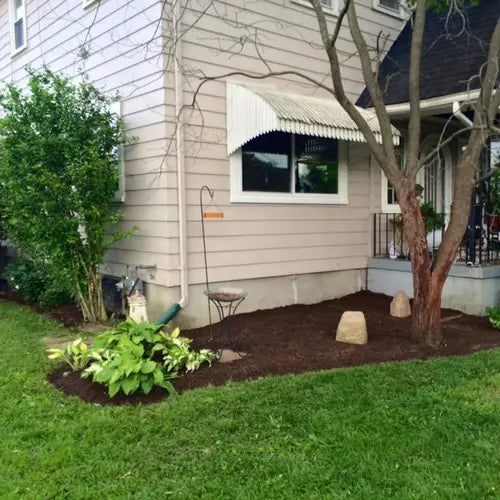
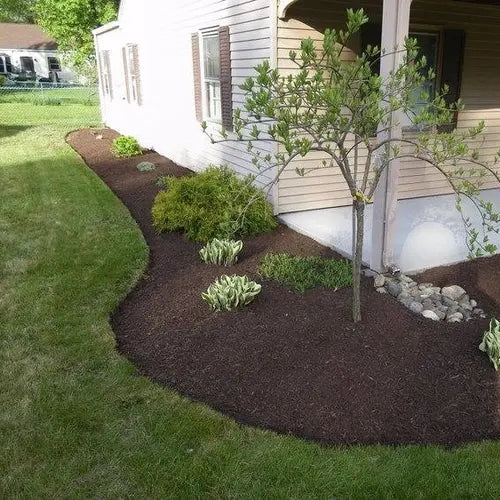
Plan for three inches of depth in ornamental and shrub beds, and two inches in vegetable gardens where you need seasonal flexibility. One cubic yard of mulch covers roughly 100 square feet at three inches deep, so most average Bozeman front yards need between two and five yards depending on bed size.
Use our free mulch calculator

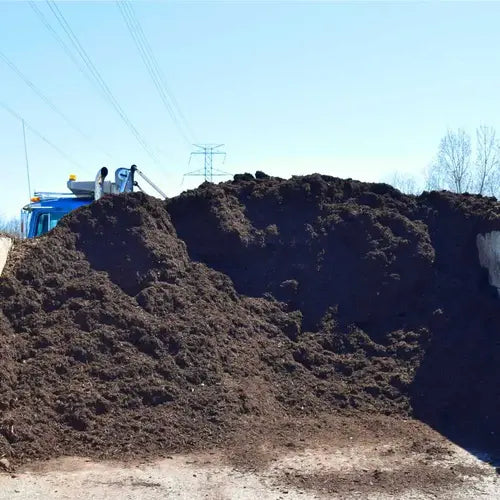
A yard is approximately 27 cubic feet. As a general guideline, one yard of material can cover an area of about 100-160 square feet at a 2-3 inch depth.

Bozeman Mulch Delivery

Bozeman Mulch Delivery

4.7
137 reviews
Regular price $55.00 per Yard
Regular price Sale price $55.00
Sale Sold out
Shipping calculated at checkout.
Color
Style
Hand-picked local yards
4,000+ regional deliveries
Dedicated support
Why order through Mulch Mound

The best local , without the guesswork.

We hand-pick and partner with the best yards in your region, keep only the ones our buyers rate well, and back each load with our guarantee.

Mulch Mound Guarantee

If your isn't the quantity or quality you ordered, we'll make it right.

About this mulch

Double-shredded mulch dyed a rich, even brown that holds its color through the season.

We needed mulch for our HOA common areas. Local providers were all holding high prices even for 40 yards of mulch. Mulch mound was easy to wowith & has great price for natural mulch + delivery schedule options. They called before delivery to ensure Delivery was exactly wher...

Plan for three inches of depth in ornamental and shrub beds, and two inches in vegetable gardens where you need seasonal flexibility. One cubic yard of mulch covers roughly 100 square feet at three inches deep, so most average Bozeman front yards need between two and five yards depending on bed size.
Use our free mulch calculator

A yard is approximately 27 cubic feet. As a general guideline, one yard of material can cover an area of about 100-160 square feet at a 2-3 inch depth.

View full details

How It Works

Getting started is easy — just follow these simple steps

1

Choose your Mulch

Make sure you adjust the quantity to your home's needs. You can use our calculator to estimate how much you'll need.

2

Select your delivery date

Select a delivery date you'd like for the product to be dropped off at your home

3

Sit back and wait

Sit back, wait, and let us work our magic to make sure the highest quality product is delivered to your driveway.

What Bozeman Customers Are Saying

4.7
out of 5 based on 137 reviews
Google Reviews

Calculate mulch for your Bozeman project

For Bozeman's type of soil, we recommend 2-3 inches for best weed suppression and moisture retention

Try Our Calculator
📍

Walk each bed with a measuring tape and record the length and width in feet, then multiply those two numbers together to get square footage. Add up all your individual bed measurements before plugging the total into the calculator so you order everything in one delivery. In Bozeman where spring planting season is short, having all your material on site at once keeps your project on schedule.

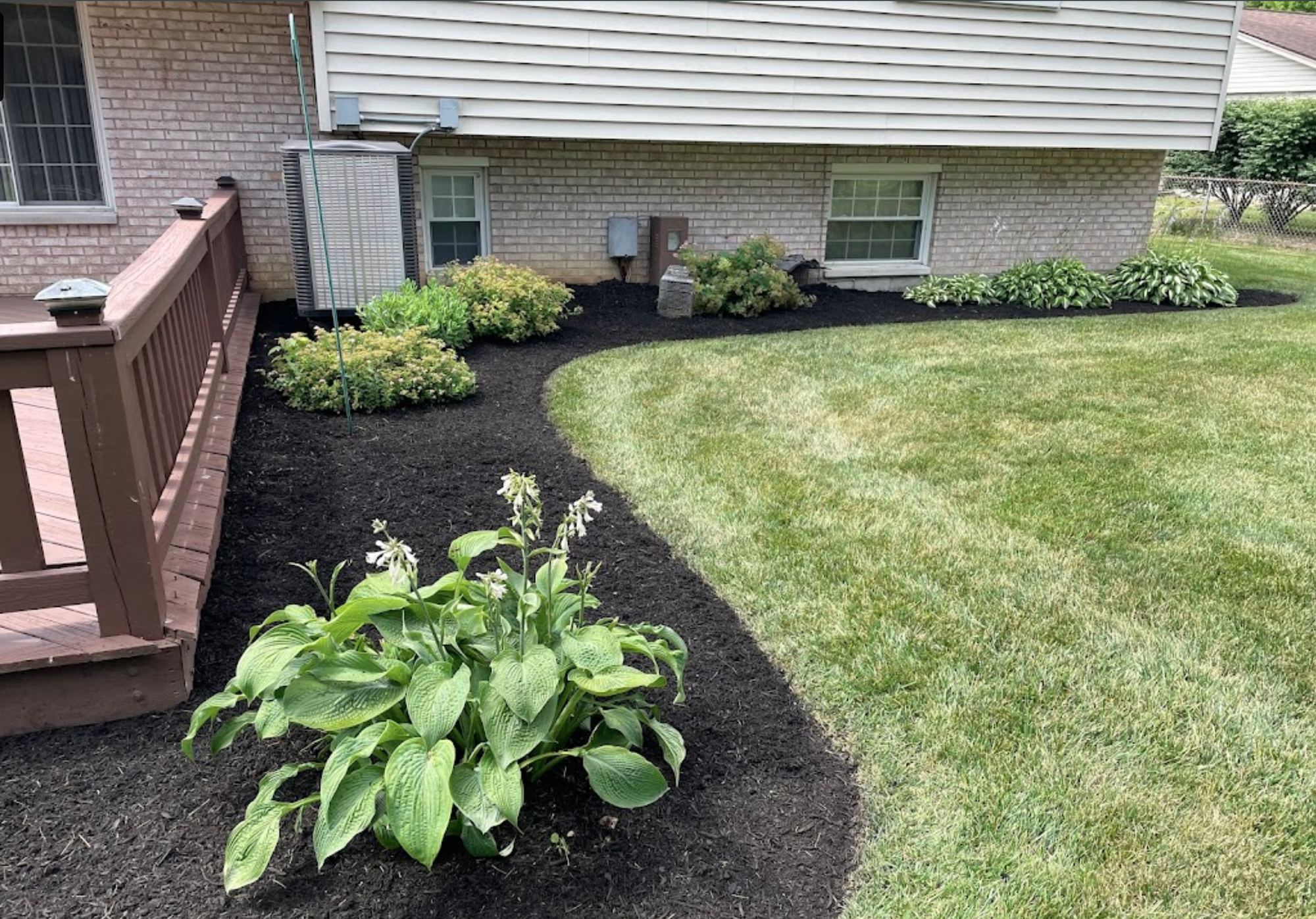
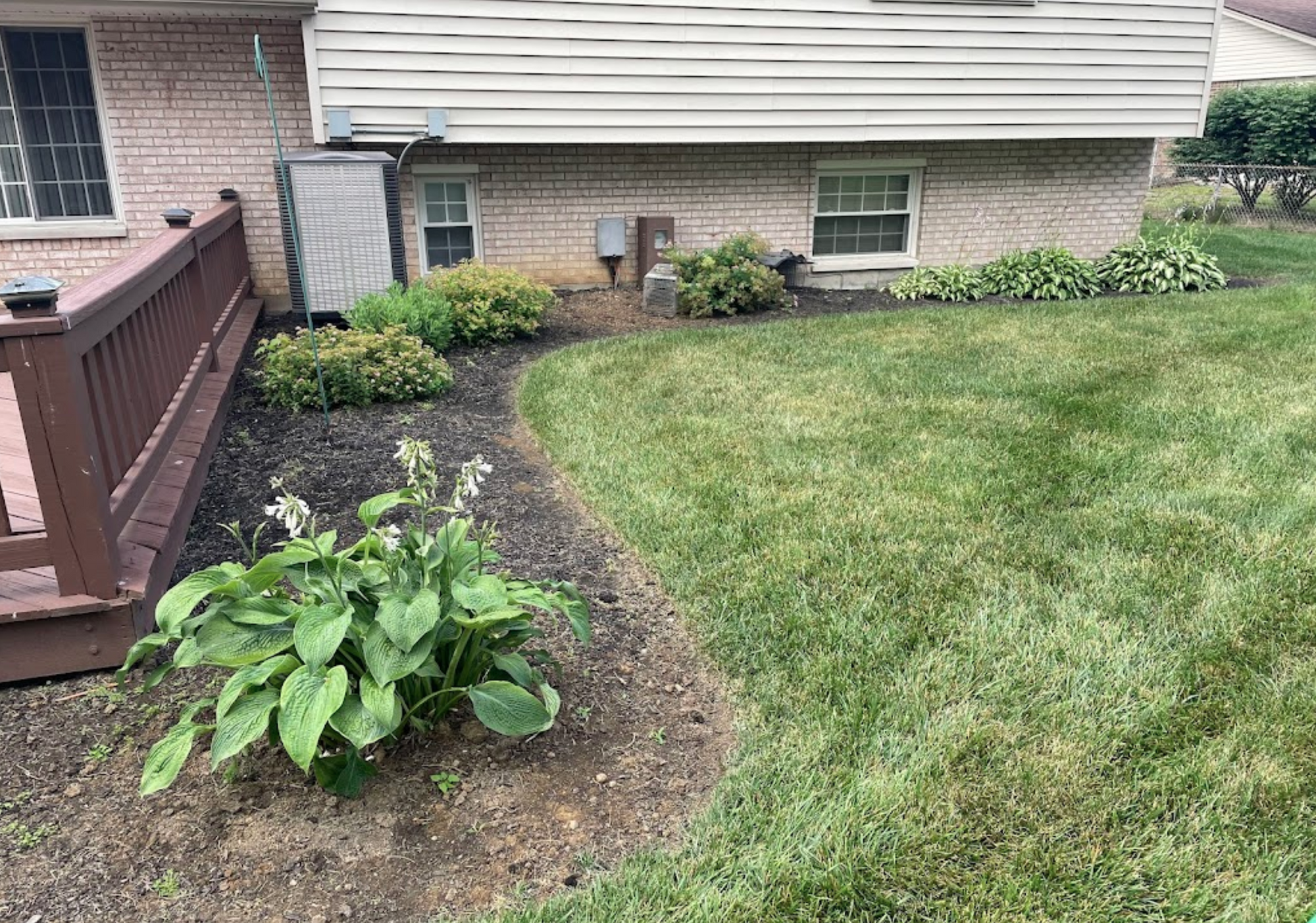
Mulch vs. No Mulch: The Difference

Bozeman's cold winters and short growing season mean organic mulch breaks down at a slower pace than it would in warmer climates, which is actually a benefit because each application lasts longer before needing replacement. However, that same cold also means you need mulch in place before September 15 to protect root zones through freeze-thaw cycles that begin damaging unprotected clay soils early in the fall. Choosing the right mulch type for Bozeman's specific conditions makes a real difference in both plant survival and how much maintenance your landscape demands each year.

Before image
After image
Slider handle
Before
After

Complete Your Outdoor Mulch Project

Pair your mulch order with a load of amended topsoil to rebuild depleted Bozeman clay beds before you mulch over them. Decorative gravel or river rock makes a clean border edge between mulched beds and lawn areas and holds up beautifully through Bozeman's freeze-thaw cycles.

Map of the mulch delivery area around Bozeman, Montana

Service area

Areas we deliver mulch in Bozeman, Montana

Mulch Mound Pro Tip

Bozeman's clay soil tends to become compacted under foot traffic over winter, so loosen the top inch of soil with a hand rake before laying fresh mulch each spring. Breaking up that surface crust allows the mulch to make better contact with the soil and improves moisture transfer during dry spells. This small extra step dramatically improves how evenly your beds retain water through July and August when Bozeman rainfall drops off sharply.

Mulch Mound Pro Tip

Time your mulch delivery for the window between May 20 and June 1 so the soil has fully thawed and warmed after the last frost but before the summer sun begins baking moisture out of your beds. Mulching too early in May can actually slow soil warming and delay plant root development in Bozeman's already compressed growing season. Getting the timing right gives your perennials and annuals the best possible start before peak summer heat arrives.

Mulch Mound Pro Tip

If you have mature pine trees on your Bozeman property dropping needles each fall, resist the urge to use those needles as mulch around non-acid-loving plants. Bozeman's native soil is already on the alkaline side in many neighborhoods, and pine needle mulch can push pH in the wrong direction for roses, ornamental grasses, and most perennials. Stick with shredded hardwood or cedar mulch for general beds and reserve pine needles only for blueberries or other acid-preferring plants.

Frequently Asked Questions

Click a question to see the answer

Answer

How thick should I apply mulch given Bozeman's clay soil?

Three inches is the sweet spot for most Bozeman beds. Clay soil already drains slowly, so going deeper than four inches can trap too much moisture against plant crowns and invite crown rot, especially during the wet spring snowmelt period in April and May. Pull mulch back an inch or two from the base of each plant to keep air circulating.

Answer

Will mulch actually help my plants survive Bozeman's early September frosts?

Yes, meaningfully so. A three-inch mulch layer insulates soil and slows the rapid heat loss that happens during those first surprise frosts in mid-September. While mulch cannot protect tender above-ground foliage, it keeps root zones several degrees warmer than bare soil, giving perennials and shrubs a better chance of surviving early cold snaps and recovering the following spring.

Answer

How often do I need to replace mulch in Bozeman compared to warmer climates?

In Bozeman's Zone 4b climate, organic mulch breaks down more slowly than it would in warmer southern cities because our cooler temperatures slow microbial activity. You can typically expect a fresh application to last two to three seasons before it has decomposed enough to need topping off. Plan to add about an inch of fresh mulch every other spring to maintain your depth and weed suppression.

Answer

Is there a mulch type that works best for vegetable gardens at Bozeman's elevation?

Straw or shredded wood mulch works well for Bozeman vegetable gardens because both options warm the soil slightly while keeping weeds down during the short growing season. Avoid heavy bark nuggets in veggie beds since they are slow to break down and can make tilling and replanting more difficult each spring. A two-inch layer applied after the soil warms past May 20 gives your vegetables a strong start.

Answer

Can I mulch right after a heavy spring snow or should I wait?

Wait until the soil has fully thawed and surface moisture has drained before applying mulch, which in Bozeman usually means late May or very early June. Applying mulch over still-frozen or saturated ground can lock in cold temperatures and actually delay your soil from warming, which shortens your already brief growing season. Patience here pays off in faster plant establishment.

Answer

Does mulch help with the weed pressure we get in Bozeman in June and July?

Bozeman summers bring a flush of weeds in June right after snowmelt moisture triggers germination, and a solid three to four inch mulch layer blocks most of that light-dependent germination. Common local weeds like cheatgrass and knapweed have a harder time pushing through a dense wood mulch barrier. Combine mulch with a pre-emergent application in early May for the best weed control results through the summer.

Answer

How many cubic yards of mulch do I need for my average Bozeman backyard bed?

A typical 200 square foot ornamental bed mulched to three inches deep needs roughly two cubic yards of material. Use our online calculator to enter your exact bed dimensions and it will do the math for you. For larger projects covering multiple beds or a full property, ordering a slightly larger quantity saves you from a second delivery and gives you extra material to top off thin spots after the first season.

The Unique Landscape of Bozeman

Bozeman sits at nearly 5,000 feet elevation with a growing season squeezed between a May 20 last frost and a September 15 first frost, giving your garden beds less than four months to thrive. The native clay soil holds moisture unevenly, staying waterlogged in spring snowmelt and baking into a cracked crust by July. A proper mulch layer acts as a thermal buffer, slowing the wild temperature swings that stress plant roots through Bozeman's shoulder seasons. With only 18 inches of annual rainfall spread thin across the year, every drop of moisture your mulch retains is working overtime for your landscape. Protecting your soil surface from the intense Rocky Mountain sun and the freeze-thaw cycles that begin as early as mid-September is not optional here. Mulch is genuinely one of the most important investments a Bozeman homeowner can make in their outdoor space.