About this soil

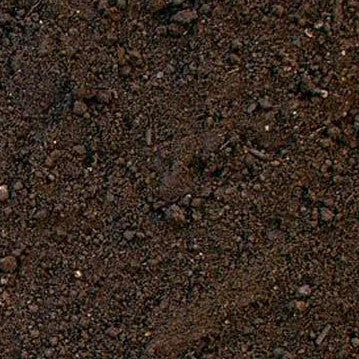
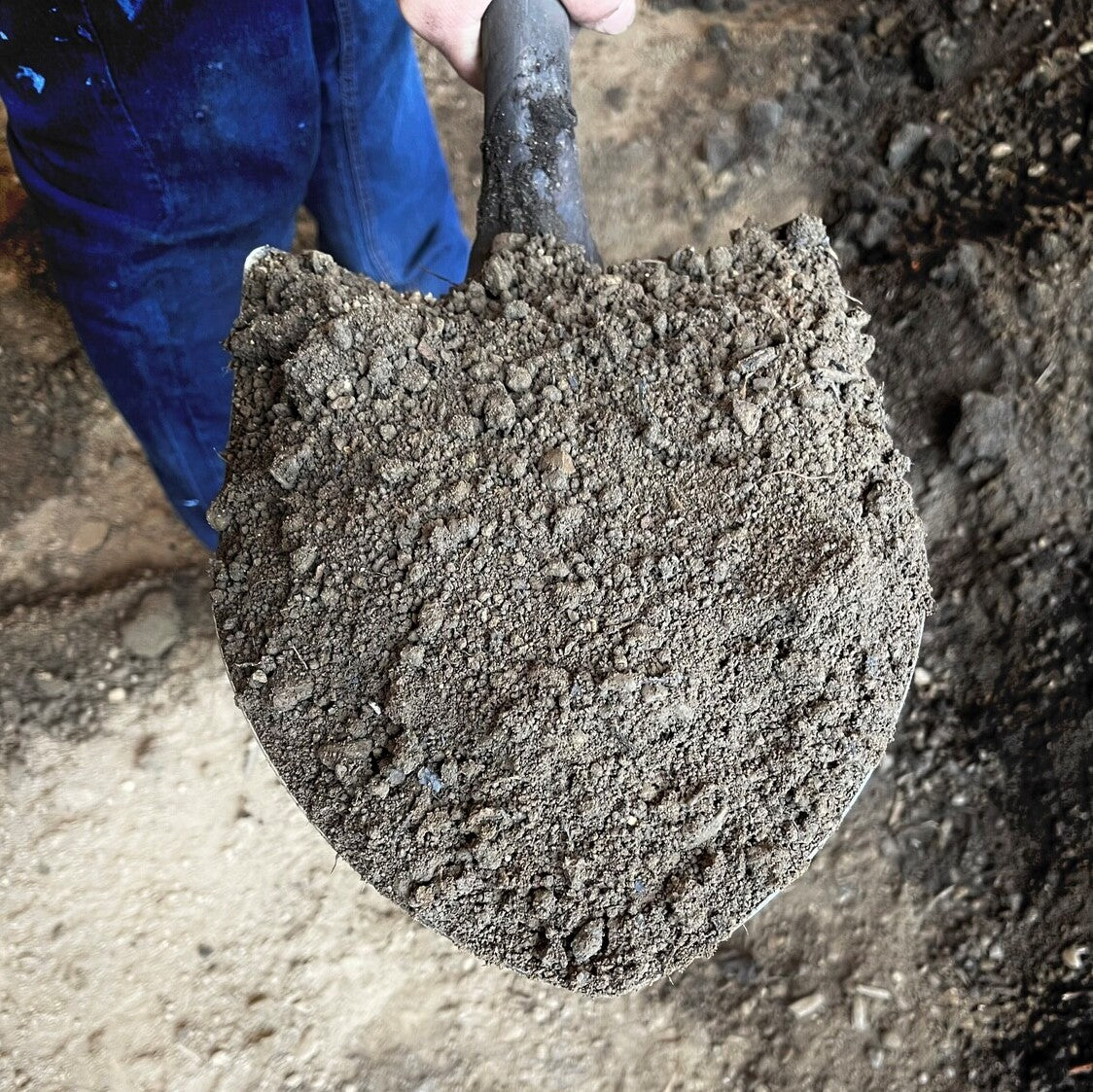
Screened topsoil with a fine, even texture. Ideal for new lawns, sod prep, and raised garden beds.

My experience with Mulch Mound was great and super easy. I ordered two yards of screened topsoil and was able to get it delivered within 2 days. They came in my requested time frame (afternoon) and dropped it off where I asked on my driveway. The topsoil was exactly what was a...

Most lawn repair and topdressing projects in Bozeman need two to three inches of topsoil, while new raised vegetable beds need ten to twelve inches of fill to give roots adequate depth above the clay subsoil below. One cubic yard covers approximately 160 square feet at two inches deep, so calculate your square footage first and work from there.
Use our free soil calculator

A yard is approximately 27 cubic feet. As a general guideline, one yard of material can cover an area of about 100-160 square feet at a 2-3 inch depth.

Bozeman Soil Delivery

Bozeman Soil Delivery

4.7
137 reviews
Regular price $55.00 per Yard
Regular price Sale price $55.00
Sale Sold out
Shipping calculated at checkout.
Type
Style
Hand-picked local yards
4,000+ regional deliveries
Dedicated support
Why order through Mulch Mound

The best local , without the guesswork.

We hand-pick and partner with the best yards in your region, keep only the ones our buyers rate well, and back each load with our guarantee.

Mulch Mound Guarantee

If your isn't the quantity or quality you ordered, we'll make it right.

About this soil

Screened topsoil with a fine, even texture. Ideal for new lawns, sod prep, and raised garden beds.

My experience with Mulch Mound was great and super easy. I ordered two yards of screened topsoil and was able to get it delivered within 2 days. They came in my requested time frame (afternoon) and dropped it off where I asked on my driveway. The topsoil was exactly what was a...

Most lawn repair and topdressing projects in Bozeman need two to three inches of topsoil, while new raised vegetable beds need ten to twelve inches of fill to give roots adequate depth above the clay subsoil below. One cubic yard covers approximately 160 square feet at two inches deep, so calculate your square footage first and work from there.
Use our free soil calculator

A yard is approximately 27 cubic feet. As a general guideline, one yard of material can cover an area of about 100-160 square feet at a 2-3 inch depth.

View full details

How It Works

Getting started is easy — just follow these simple steps

1

Choose your soil

Make sure you adjust the quantity to your home's needs. You can use our calculator to estimate how much you'll need.

2

Select your delivery date

Select a delivery date you'd like for the product to be dropped off at your home

3

Sit back and wait

Sit back, wait, and let us work our magic to make sure the highest quality product is delivered to your driveway.

What Bozeman Customers Like About Our Soil

4.7
out of 5 based on 137 reviews
Google Reviews

Need Help Calculating How Much Soil You Need?

Use our NEW Trace from Satellite tool to get an estimate for your project based on an aerial view of your property

Try Our Calculator
📍

Measure your project area in feet and decide on your target depth, then multiply length times width times depth in feet and divide by 27 to get cubic yards. For raised beds, measure the inside dimensions only since the walls take up some space. Bozeman gardeners often underestimate how much soil settles after the first season, so adding ten percent to your calculated amount is good practice.

Complete Your Outdoor Soil Project

Fresh topsoil pairs naturally with a bulk mulch order to cover and protect your new beds immediately after planting. Adding a decorative stone border around new soil areas keeps the material contained through Bozeman's spring runoff season and gives your landscape a finished, polished look.

Map of the soil delivery area around Bozeman, Montana

Service area

Areas we deliver soil in Bozeman, Montana

Frequently Asked Questions

Click a question to see the answer

Answer

What kind of soil should I buy to fix my heavy clay Bozeman yard?

A screened topsoil blended with compost is the most practical choice for improving Bozeman clay over time. Tilling in several inches of amended topsoil each spring gradually changes the clay structure, improving drainage and root penetration. For faster results in vegetable beds or raised planting areas, a purpose-built garden mix with compost and sand already blended in will outperform straight topsoil from the first season.

Answer

When is the best time of year to have soil delivered in Bozeman?

Late May through early June is ideal for most Bozeman planting projects because the ground has thawed completely, surface moisture has drained from snowmelt, and you still have the full growing season ahead of you. Fall delivery between late August and mid-September also works well for lawn projects since the soil can settle and grass seed can germinate before the September 15 first frost date arrives. Avoid delivery during active mud season in March and April when clay yards can be difficult to access and work.

Answer

How much soil do I need to build productive raised vegetable beds in Bozeman?

A standard raised bed measuring four feet by eight feet and twelve inches deep requires roughly 0.4 cubic yards of soil to fill completely. Most Bozeman gardeners build multiple beds at once since our short growing season means you want maximum productive space ready to plant by late May. Order a little extra beyond your calculated amount to allow for settling, which typically reduces your fill depth by one to two inches over the first season.

Answer

Will imported topsoil help my lawn establish faster given Bozeman's short growing season?

Yes, especially if your existing grade has exposed subsoil or compacted clay from construction. A two to three inch layer of quality screened topsoil gives grass seed and sod a workable root zone that drains more consistently than raw clay. In Bozeman, where fall seeding windows close around early September to allow germination before frost, having good soil in place gives seed the best possible chance to establish before temperatures drop.

Answer

Is Bozeman's native clay soil salvageable or should I just import new soil for my garden beds?

Bozeman clay is absolutely salvageable with consistent amendment over two to three seasons, but importing topsoil or garden mix gets you to a productive bed much faster. If you are starting a new vegetable garden, blending imported amended soil into your existing clay at a ratio of roughly fifty-fifty gives you good drainage and fertility without completely replacing the native soil. For ornamental beds, even a two-inch layer of quality topsoil tilled in each fall makes a meaningful difference by the second year.

Answer

Does Bozeman's high elevation affect how I should prepare and amend my soil?

Elevation affects Bozeman soil in a few important ways. UV intensity at nearly 5,000 feet is higher, which means soil moisture evaporates faster from bare surfaces than you might expect for a cool climate. Organic matter also breaks down more slowly at our elevation and temperatures, so a richer compost blend in your soil is worth the investment since it will take longer to deplete. Choose soil mixes with a higher organic content than you would need at lower elevations.

Answer

Can I use bulk soil to level out the low spots in my yard that collect water every spring?

Bulk topsoil or fill works well for minor grading corrections, but in Bozeman where snowmelt produces significant standing water each spring, you want to make sure you are directing water away from your foundation and not just raising low spots without improving drainage. For areas that flood annually, a combination of graded fill and a French drain or swale will solve the problem more permanently. We can deliver the soil, and a local grading contractor can help with the drainage plan if needed.

Mulch Mound Pro Tip

Before your soil delivery arrives, loosen the top four inches of your existing Bozeman clay with a tiller or garden fork so the new material can integrate rather than sitting as a separate layer on top. Clay soil in Bozeman tends to form a hard interface layer when new topsoil is simply placed on top without mixing, which restricts root penetration and creates a perched water table effect during spring snowmelt. A few hours of prep work before delivery dramatically improves how well your plants root into the amended area.

Mulch Mound Pro Tip

Bozeman vegetable gardeners dealing with a short growing season should prioritize soil temperature as much as soil quality. Dark amended topsoil absorbs more solar energy than pale clay and warms faster in May, which can move your effective planting date earlier by several days. Combining quality dark garden soil with black plastic mulch film in your earliest beds can push soil temperatures high enough to transplant tomatoes and peppers confidently even in the weeks right after May 20.

Mulch Mound Pro Tip

If you are building new planting beds this season, fall is actually a great time to have soil delivered and beds prepared in Bozeman even though the growing season is ending. Soil that has a full winter to settle and experience freeze-thaw cycles will be more workable and better structured by the time planting season arrives in late May. This approach lets you skip the frantic spring rush and start planting the moment conditions allow after the last frost.

The Unique Landscape of Bozeman

Bozeman's native soil is predominantly heavy clay, which creates real challenges for anyone trying to grow vegetables, establish new lawn areas, or build productive planting beds from scratch. Clay soil in this part of Montana drains poorly in spring when snowmelt saturates the ground, then bakes into a hard, cracked surface by midsummer when rainfall drops to almost nothing. At 4,820 feet elevation, the soil also takes longer to warm in spring, pushing your effective planting date close to the May 20 last frost and leaving you with a narrow window to get crops and transplants established. Importing quality topsoil or amended blends allows Bozeman homeowners to create productive growing environments that work with the short season rather than fighting the native conditions. Whether you are building raised beds, grading a new lawn, or rehabilitating a compacted side yard, the right soil delivered in bulk makes the difference between struggling plants and a genuinely productive landscape. Bozeman gardens reward the extra investment in good soil with surprising productivity during June, July, and August.