
About this mulch

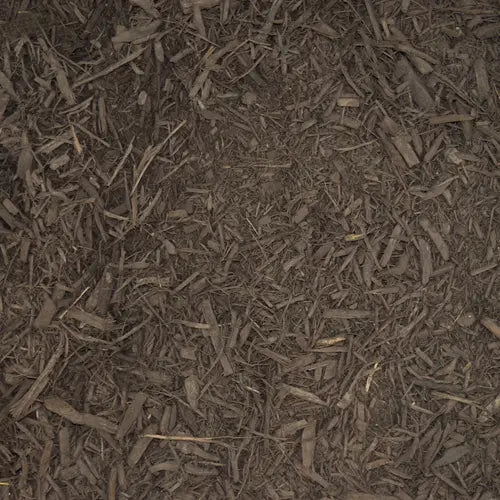
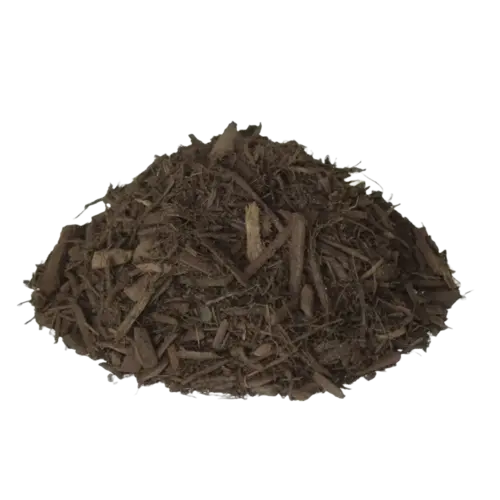
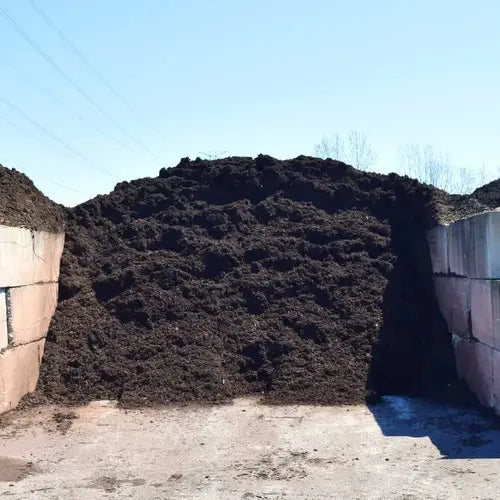
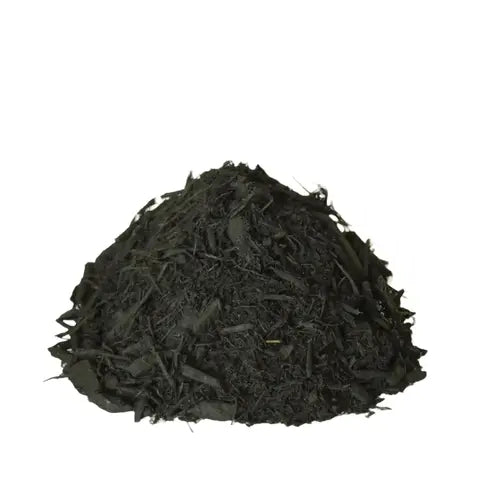
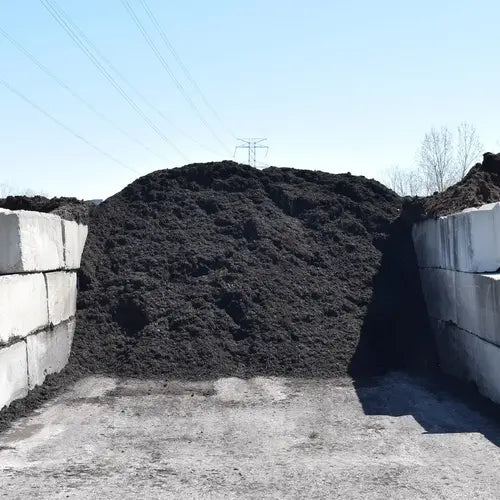
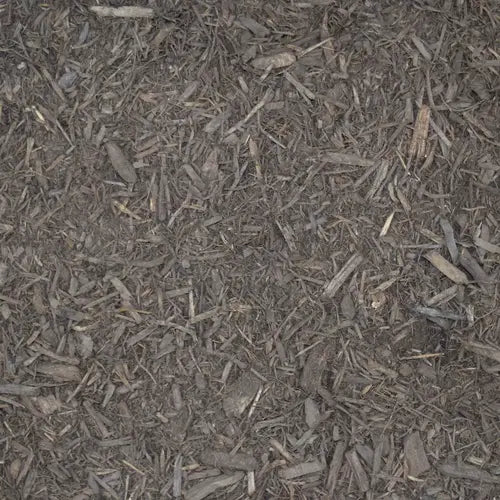
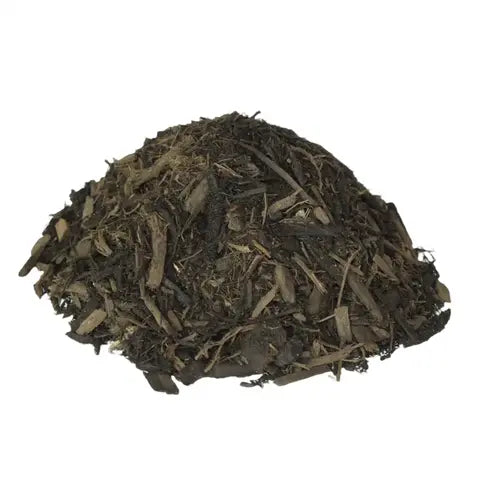
Double-shredded mulch dyed a rich, even brown that holds its color through the season.

UPDATE!

I can’t say enough good things about Mulch Mound! If you read my review below you will see I had a problem with my order. Mulch Mound was quick to respond and solved the issue with my delivery. Will definitely be a customer next year.

First time purchase...

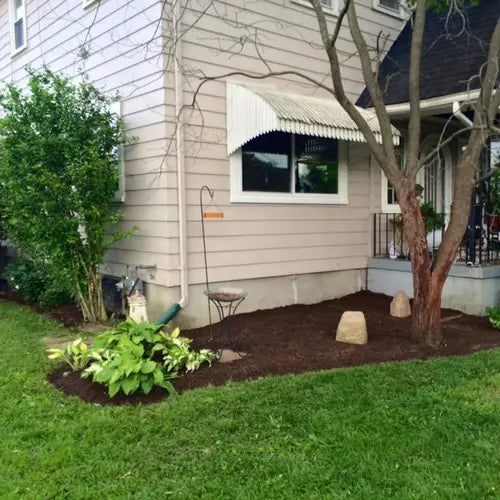
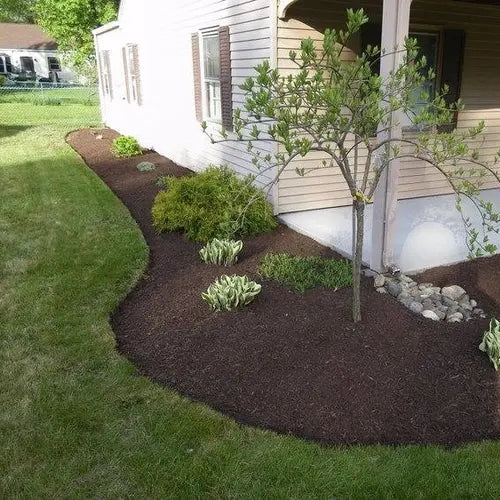
For established beds in Brawley, plan 3 inches of mulch, and go to 4 inches on the west and south exposures that take the worst afternoon sun. Order about 5 to 10 percent extra for settling and for topping off tree rings.
Use our free mulch calculator

A yard is approximately 27 cubic feet. As a general guideline, one yard of material can cover an area of about 100-160 square feet at a 2-3 inch depth.

Brawley Mulch Delivery

Brawley Mulch Delivery

4.7
137 reviews
Regular price $64.00 per Yard
Regular price Sale price $64.00
Sale Sold out
Shipping calculated at checkout.
Color
Style
Hand-picked local yards
4,000+ regional deliveries
Dedicated support
Why order through Mulch Mound

The best local , without the guesswork.

We hand-pick and partner with the best yards in your region, keep only the ones our buyers rate well, and back each load with our guarantee.

Mulch Mound Guarantee

If your isn't the quantity or quality you ordered, we'll make it right.

About this mulch

Double-shredded mulch dyed a rich, even brown that holds its color through the season.

UPDATE!

I can’t say enough good things about Mulch Mound! If you read my review below you will see I had a problem with my order. Mulch Mound was quick to respond and solved the issue with my delivery. Will definitely be a customer next year.

First time purchase...

For established beds in Brawley, plan 3 inches of mulch, and go to 4 inches on the west and south exposures that take the worst afternoon sun. Order about 5 to 10 percent extra for settling and for topping off tree rings.
Use our free mulch calculator

A yard is approximately 27 cubic feet. As a general guideline, one yard of material can cover an area of about 100-160 square feet at a 2-3 inch depth.

View full details

How It Works

Getting started is easy — just follow these simple steps

1

Choose your Mulch

Make sure you adjust the quantity to your home's needs. You can use our calculator to estimate how much you'll need.

2

Select your delivery date

Select a delivery date you'd like for the product to be dropped off at your home

3

Sit back and wait

Sit back, wait, and let us work our magic to make sure the highest quality product is delivered to your driveway.

What Brawley Customers Are Saying

4.7
out of 5 based on 137 reviews
Google Reviews

Calculate mulch for your Brawley project

For Brawley's type of soil, we recommend 2-3 inches for best weed suppression and moisture retention

Try Our Calculator
📍

Measure each bed separately in feet, length times width, and add the areas together before you pick a depth. Brawley lots often have long narrow strips along block walls, so a quick sketch is more accurate than one big guess. One cubic yard covers about 100 square feet at 3 inches deep.

Mulch vs. No Mulch: The Difference

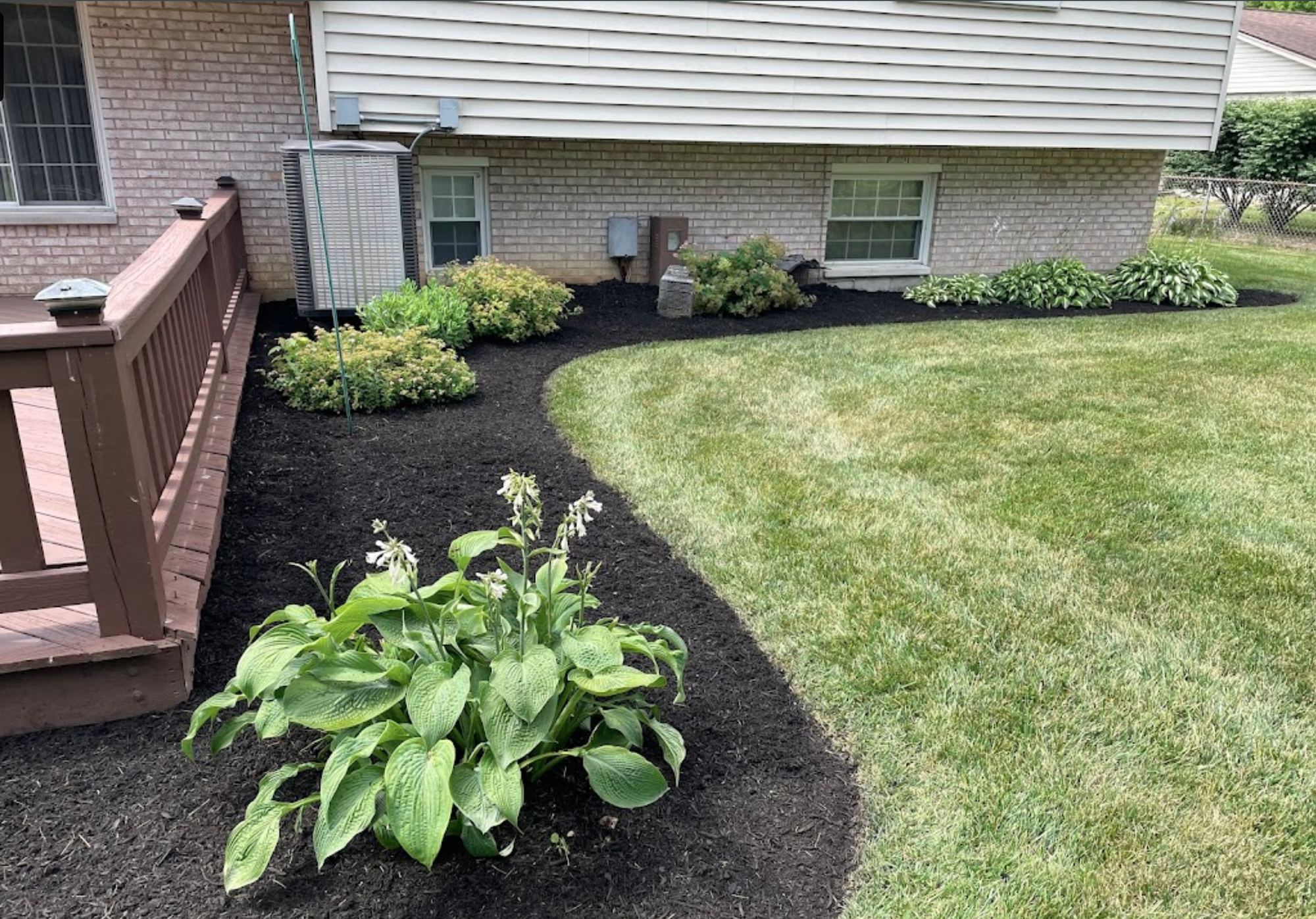
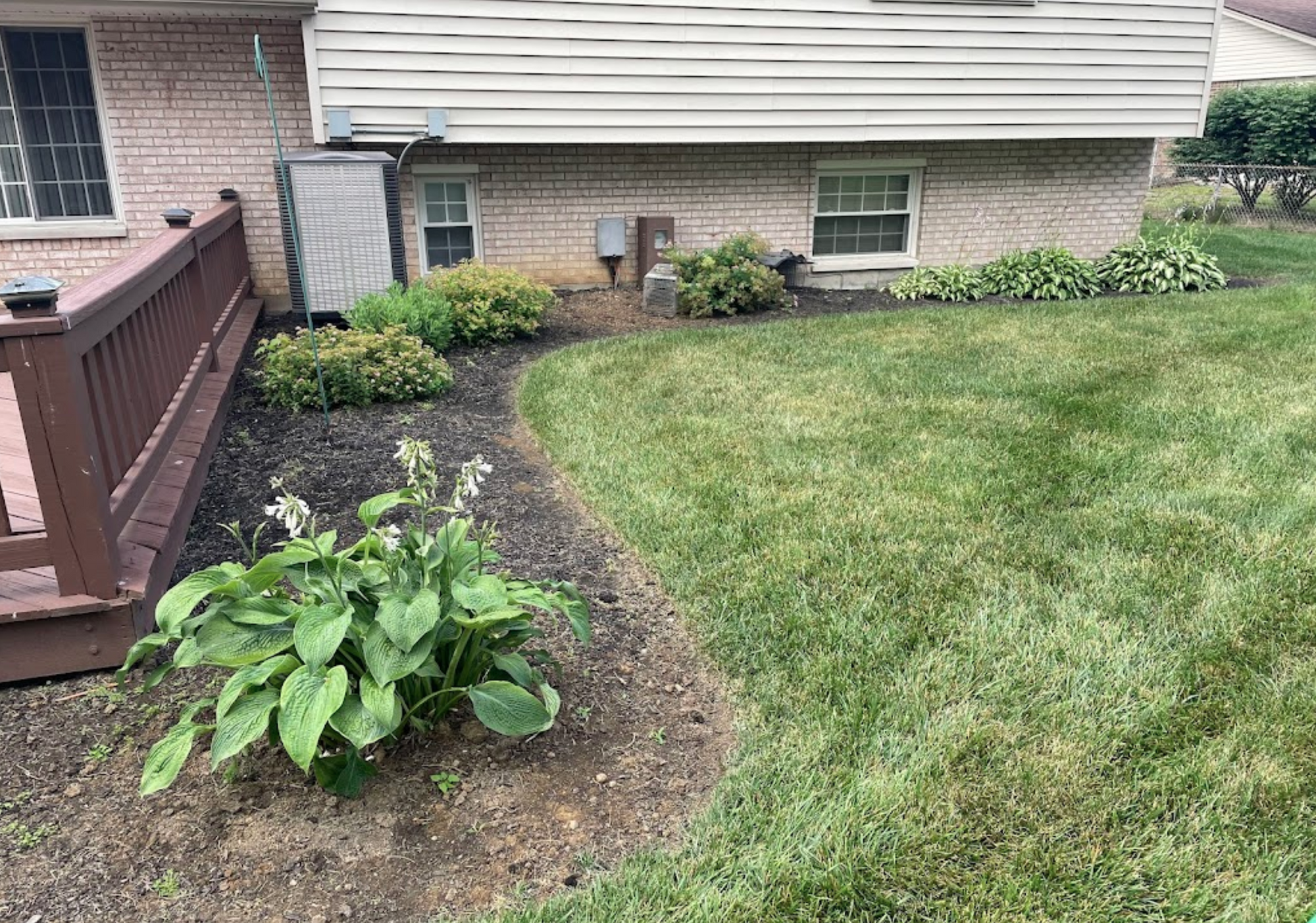
Brawley punishes organic mulch differently than most of the country. With 3 inches of annual rainfall there is almost no rot, but relentless UV and 110 degree surface temperatures oxidize and gray out the top layer surprisingly fast, and salty irrigation water speeds the fiber breakdown underneath. That means natural mulch here fades and thins from sun and wind more than from decomposition, so refreshing the top inch each year matters more than replacing the whole bed.

Before image
After image
Slider handle
Before
After

Complete Your Outdoor Mulch Project

Pair mulch with a compost rich garden soil worked into the top few inches of clay first, and use decorative stone in high wind corridors or along driveway edges where mulch tends to travel.

Mulch Mound Pro Tip

Water your beds thoroughly the day before mulch arrives. Dry Brawley silty clay repels water at first contact, so if you mulch over hard dry ground your first irrigation will mostly run off the top of the mulch and sideways along the crust. Pre wetting opens the soil so the mulch traps existing moisture instead of insulating a dry, sealed surface that takes weeks to rehydrate.

Mulch Mound Pro Tip

Check your emitters before you bury them. Once 3 inches of mulch goes down, a clogged drip line in Brawley can kill a plant in a single 112 degree week before you notice anything wrong. Run the zone, walk the lines, flag every emitter with a short stake so you can find them later, then mulch over the tubing rather than under it to shield the poly from UV damage.

Mulch Mound Pro Tip

Time your big mulch job for the window between mid February and early April. Our last frost lands around January 20 and by May the working conditions turn brutal, so that stretch gives you comfortable mornings and gets the insulating layer in place before the first triple digit stretch. Fall works too, right after the September heat breaks, which sets beds up for the December 15 frost date.

Frequently Asked Questions

Click a question to see the answer

Answer

How deep should mulch go if my yard hits 115 degrees in July?

Go 3 to 4 inches in Brawley beds. Anything thinner dries out and blows around in the valley wind, and anything much deeper starts holding water against stems during humid monsoon pushes in late summer. Keep the full depth over open soil and taper back to about an inch at trunks and crowns.

Answer

With only 3 inches of rain a year, does mulch actually save me water?

Yes, and it is the cheapest water savings you can buy here. Nearly all bed moisture in Brawley comes from your emitters, and unmulched silty clay can lose a large share of that to evaporation and surface runoff within hours. Mulch keeps the wetted zone under the emitter intact so you can water less often and longer, which also helps flush salts deeper.

Answer

Will mulch keep my silty clay from cracking?

It helps a lot. Cracking happens when the clay surface dries and shrinks, and shade from mulch keeps that top layer from swinging between soaked and bone dry. You will still see some movement in unirrigated areas, but mulched beds hold a much steadier moisture level and stay diggable.

Answer

Does the wind out here blow mulch out of the beds?

Fine, dusty mulch will drift in Brawley afternoons. Shredded hardwood knits together and stays put far better than nuggets or fine chips. Water the pile lightly after spreading so the fibers mat down, and keep a slight dish in the bed so mulch sits below the border rather than proud of it.

Answer

How often will I need to top off mulch in Brawley?

Plan on adding an inch once a year, usually in late winter after the last frost around January 20. Our intense UV and year round warmth break the surface layer down faster than in cooler regions, even though we get almost no rain, so loss is mostly from sun and wind rather than rot.

Answer

Can I mulch around my citrus and date palms?

Absolutely, and Imperial Valley citrus loves it. Spread mulch out to the drip line but keep a bare ring 8 to 12 inches wide around the trunk so the bark stays dry and gophers have no cover. For palms, keep mulch off the base of the boot and just cover the root zone.

Answer

Will mulch make my salt problem worse?

No, it generally makes it better. Salt crusting in Brawley is driven by water evaporating at the soil surface and leaving minerals behind. Mulch slows that evaporation so more of your irrigation moves downward and carries salts below the root zone. Deep, less frequent watering plus mulch is the standard fix here.

The Unique Landscape of Brawley

Brawley sits about 112 feet below sea level in the Imperial Valley, where summer highs routinely push past 110 degrees and the sky delivers barely 3 inches of rain in a whole year. Bare silty clay in that kind of heat bakes into a crusted lid that sheds water sideways instead of letting it soak down to roots. A 3 inch blanket of mulch drops surface soil temperature dramatically, slows evaporation from your drip lines, and keeps the clay from cracking open around shallow feeder roots. Because Zone 10a gardens here never really go dormant, that moisture savings pays you back twelve months a year, not just in July. Mulch also buffers the salt buildup that comes with irrigating from Colorado River water, keeping crusty white deposits off the soil surface where seedlings and shallow roots live.