




I needed 3 yards of top soil and that's what I got! Right on time and right where I asked it to be placed (Order# 2041).
About this soil
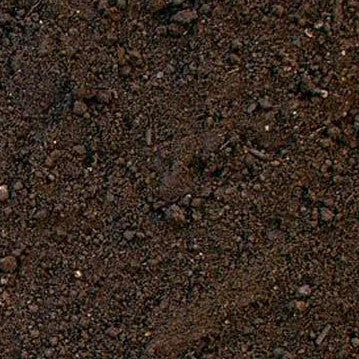
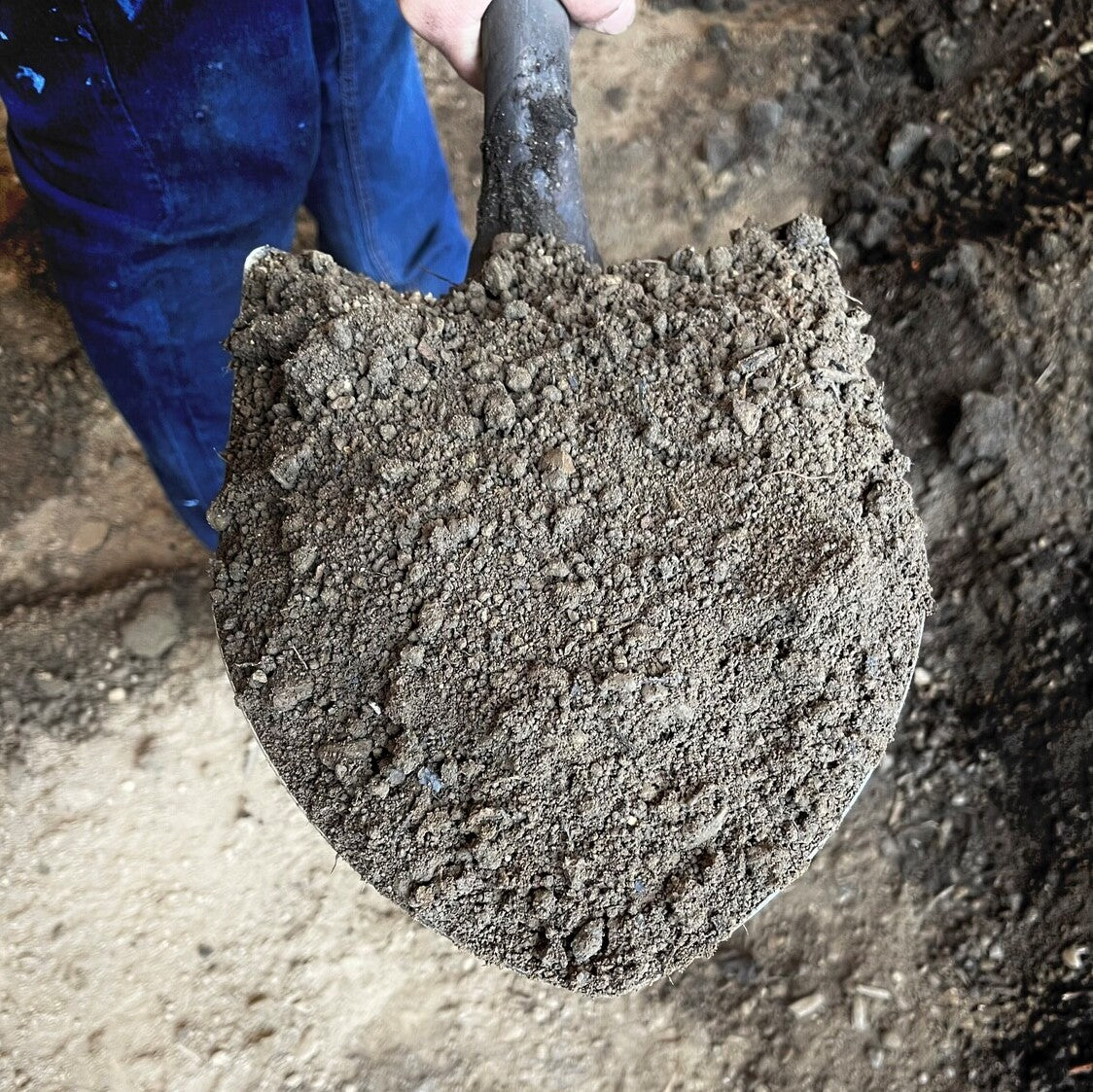
Screened topsoil with a fine, even texture. Ideal for new lawns, sod prep, and raised garden beds.
I needed 3 yards of top soil and that's what I got! Right on time and right where I asked it to be placed (Order# 2041).
Tell us what you're looking for
Thanks! We received your request.
Something went wrong. Please try again.
How Much Material Do I Need?
How Much Material Do I Need?
Plan 3 to 4 inches of blended soil tilled into existing beds, 12 to 18 inches for raised boxes, and a quarter inch for lawn topdressing. Order roughly 15 percent extra to cover settling.
Use our free soil calculator
What is a Yard?
What is a Yard?
FAQs
FAQs
Brawley Soil Delivery
Brawley Soil Delivery
Regular price
$64.00
per
Yard
Regular price
Sale price
$64.00
Unit price
per
Shipping calculated at checkout.
Minimum of 3 Yard
Couldn't load pickup availability
Not currently available
We can't take orders for this right now. Tell us what you need and we'll get back to you.
Hand-picked local yards
4,000+ regional deliveries
Dedicated support
Why order through Mulch Mound
The best local , without the guesswork.
We hand-pick and partner with the best yards in your region, keep only the ones our buyers rate well, and back each load with our guarantee.
Mulch Mound Guarantee
If your isn't the quantity or quality you ordered, we'll make it right.
About this soil
Screened topsoil with a fine, even texture. Ideal for new lawns, sod prep, and raised garden beds.
I needed 3 yards of top soil and that's what I got! Right on time and right where I asked it to be placed (Order# 2041).
How Much Material Do I Need?
How Much Material Do I Need?
Plan 3 to 4 inches of blended soil tilled into existing beds, 12 to 18 inches for raised boxes, and a quarter inch for lawn topdressing. Order roughly 15 percent extra to cover settling.
Use our free soil calculator
What is a Yard?
What is a Yard?
FAQs
FAQs
Tell us what you're looking for
Thanks! We received your request.
Something went wrong. Please try again.
How It Works
Getting started is easy — just follow these simple steps
1
Choose your soil
Make sure you adjust the quantity to your home's needs. You can use our calculator to estimate how much you'll need.
2
Select your delivery date
Select a delivery date you'd like for the product to be dropped off at your home
3
Sit back and wait
Sit back, wait, and let us work our magic to make sure the highest quality product is delivered to your driveway.

Highest compliments. Great driver.
Website is easy to navigate. Just a seamless process. 5 stars!!

Need Help Calculating How Much Soil You Need?
Use our NEW Trace from Satellite tool to get an estimate for your project based on an aerial view of your property
Try Our CalculatorMeasure length and width in feet, then convert your desired depth to a fraction of a foot, so 6 inches is 0.5. Multiply the three numbers and divide by 27 for cubic yards. For odd shaped Brawley side yards, break the space into rectangles and add them up.
Complete Your Outdoor Soil Project
Finish new soil with 3 inches of shredded mulch to lock in moisture, and use decorative stone or crushed base to define paths and keep foot traffic off freshly amended beds.
Service area
Areas we deliver soil in Brawley, California
Mulch Mound Pro Tip
Do not till Brawley silty clay when it is wet. Working saturated clay smears the particles together and creates a dense pan that is worse than what you started with. Wait until the soil crumbles in your hand rather than ribbons, which in our climate usually means two or three days after a deep irrigation. Then blend your new soil in rather than layering it on top.
Mulch Mound Pro Tip
Add gypsum along with your compost. Brawley soils are alkaline and often sodium affected, and gypsum supplies calcium that displaces sodium so it can be flushed below the root zone. Skip the lime, our pH is already high. A typical rate is 20 to 40 pounds per 1000 square feet worked into the top few inches, followed by a long, slow irrigation to move it down.
Mulch Mound Pro Tip
Build a slight basin, not a mound, around new trees and shrubs. With 3 inches of annual rainfall, every drop counts and a shallow watering ring keeps irrigation over the root ball instead of running off the crusted clay surface. Keep the trunk itself on a small raised center so it stays dry, and refill the basin with soil once roots have spread out into the surrounding ground.
The Unique Landscape of Brawley
The native profile across Brawley is silty clay laid down by the old Colorado River delta, dense, alkaline, and often carrying salts from decades of valley irrigation. It can be productive farmland, but in a residential yard it compacts into a surface that resists a shovel and holds water in the wrong places. Bringing in a blended topsoil or compost rich garden soil gives roots a workable layer to establish in before they have to negotiate the clay below. At 112 feet below sea level with year round Zone 10a growing weather, your beds never stop working, so organic matter burns off quickly and needs replenishing. Amended soil also drains and leaches better, which is how you keep salt from concentrating in the root zone under a 3 inch annual rainfall.