



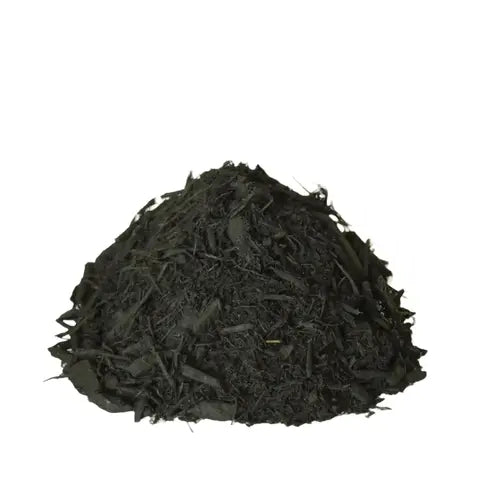
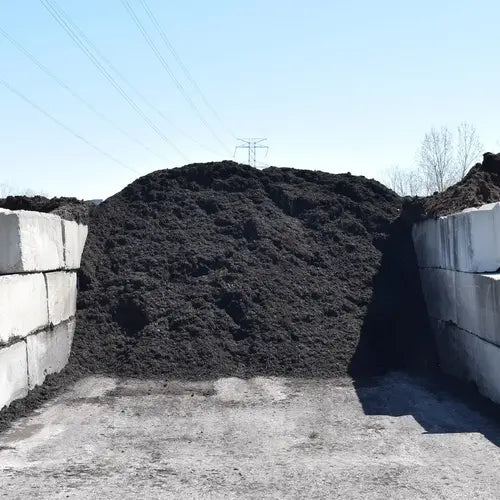
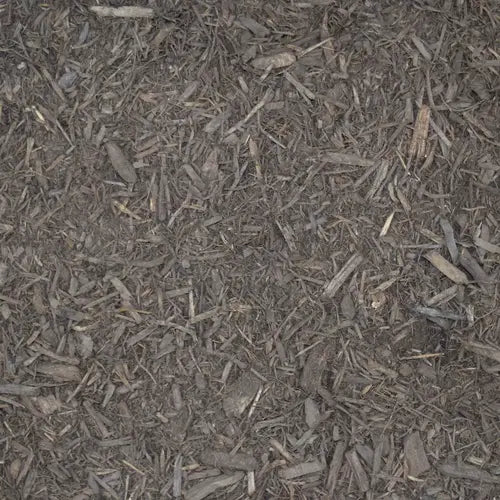
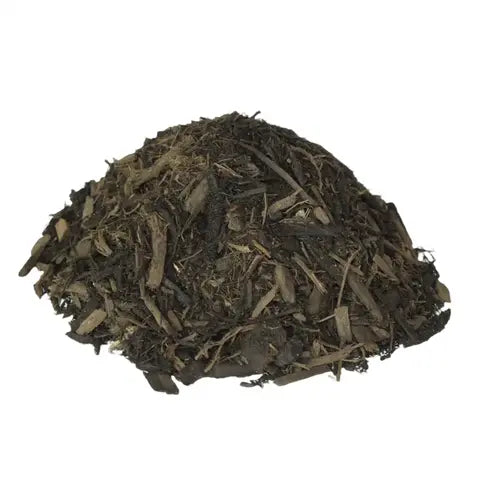

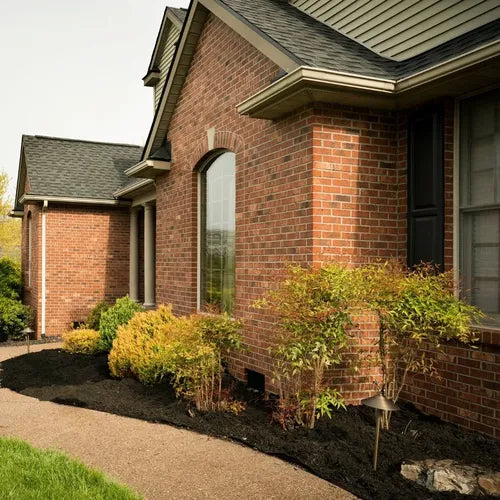



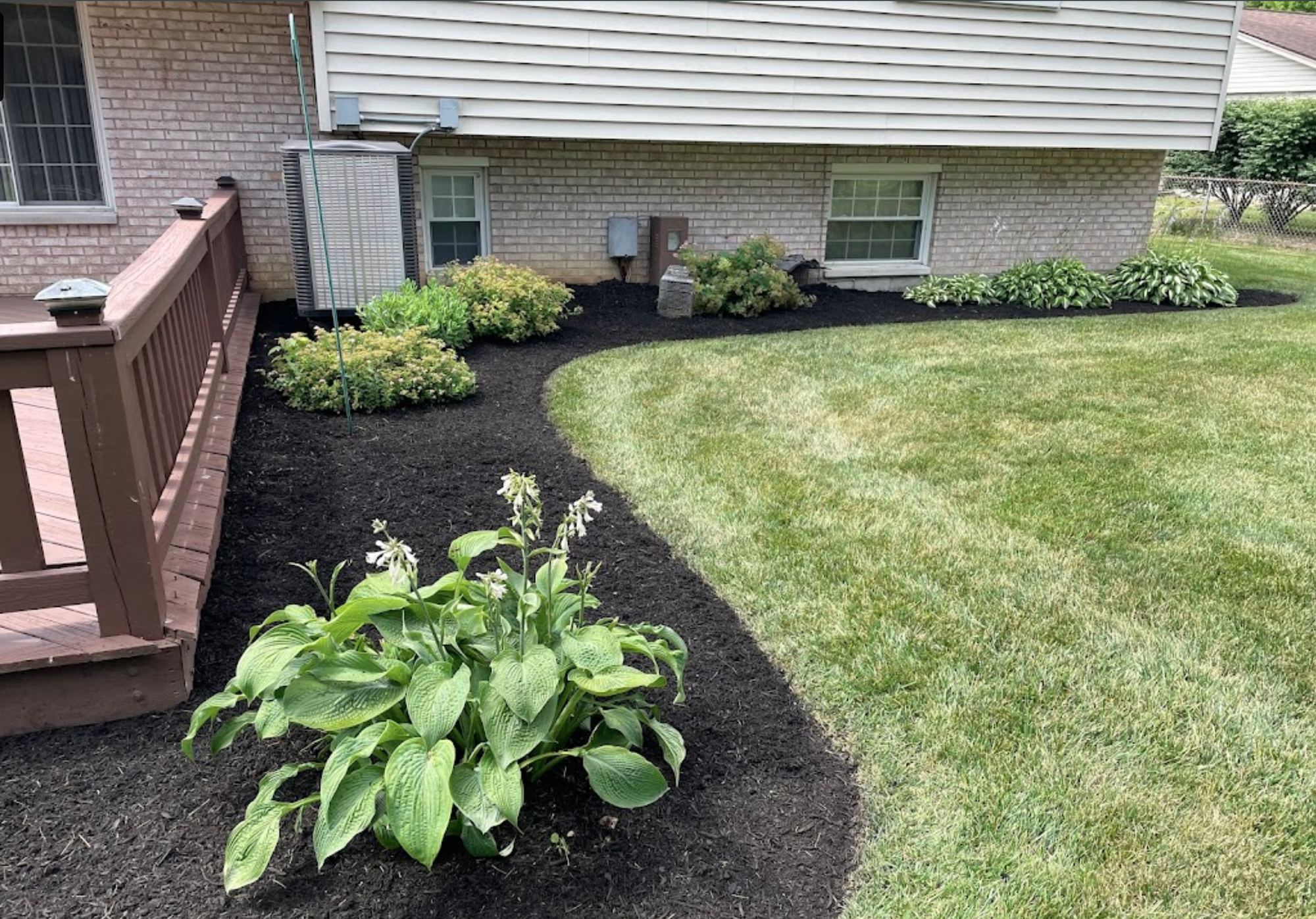
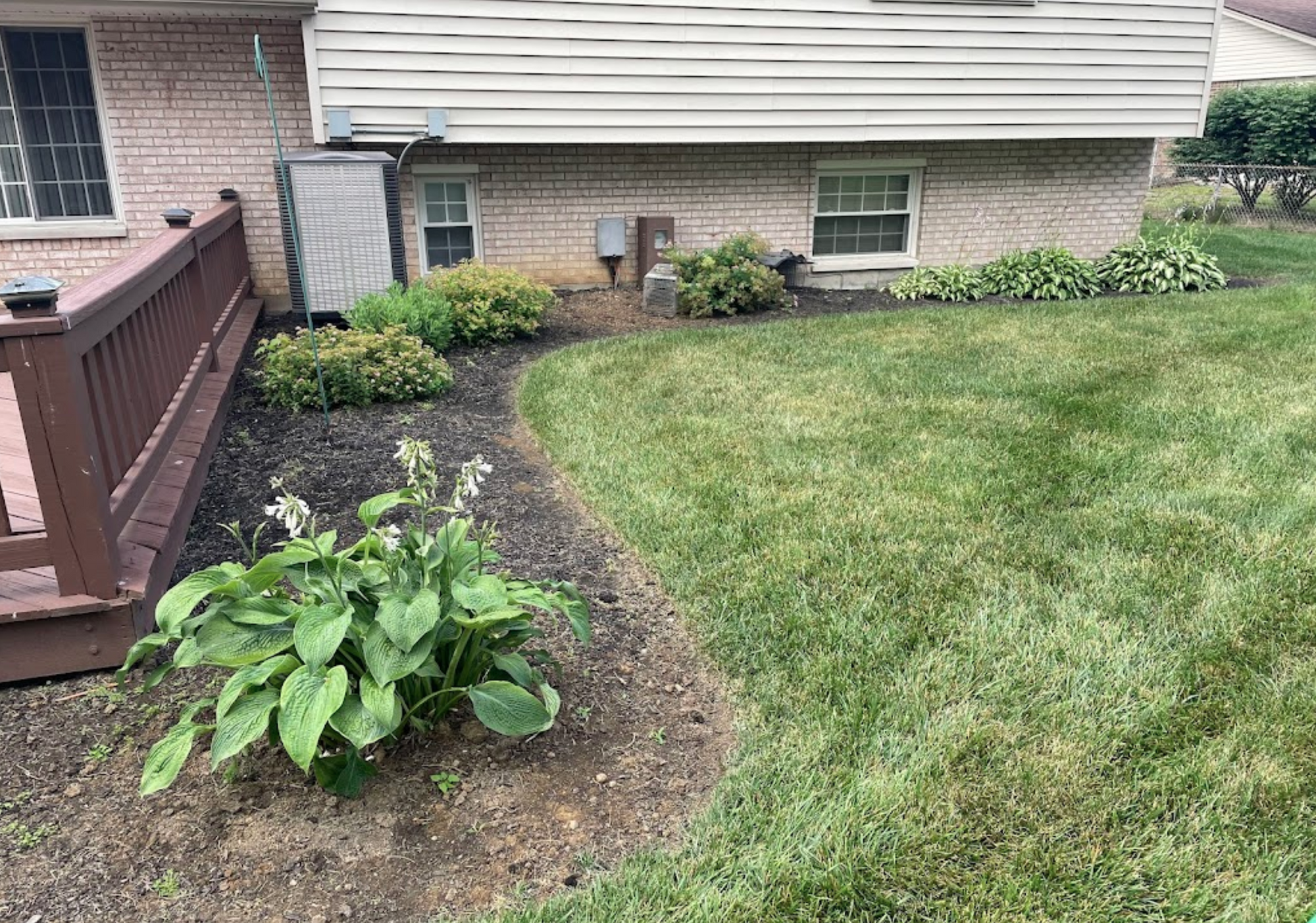
Our delivery was delayed but the new brown color mulch is a nice upgrade to our landscaping.
About this mulch
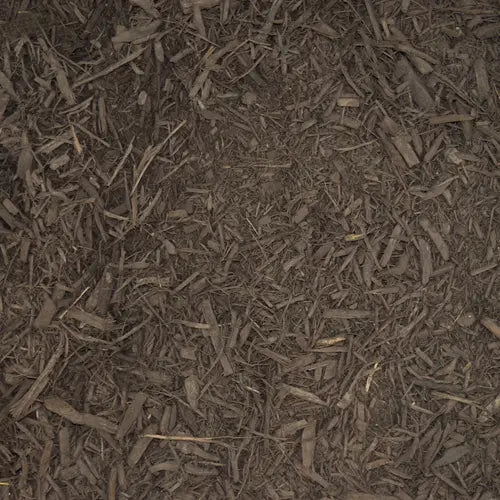
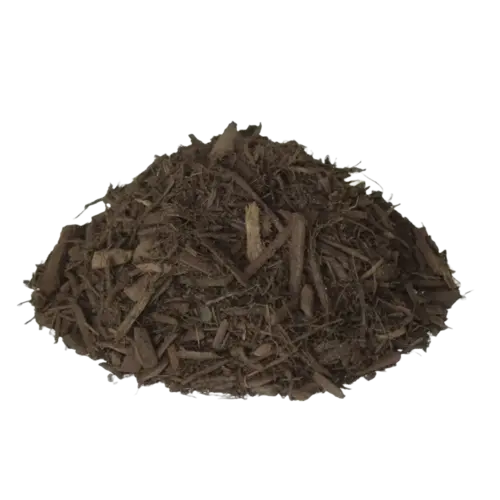
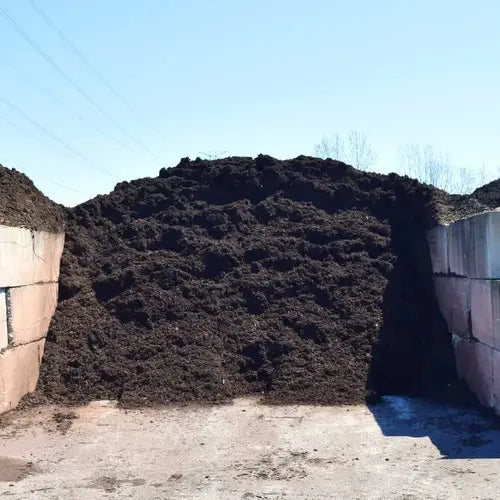
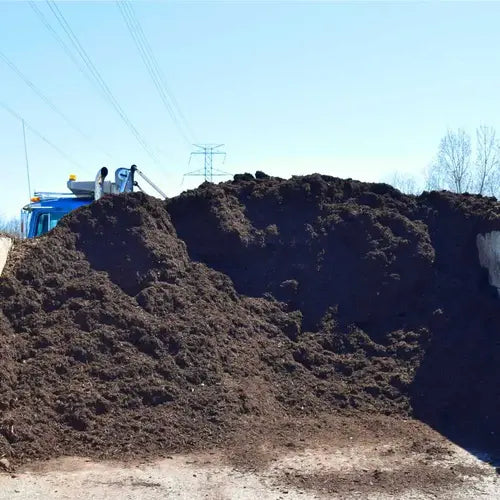
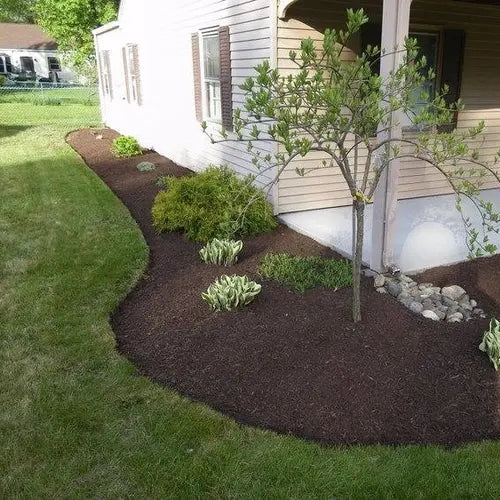
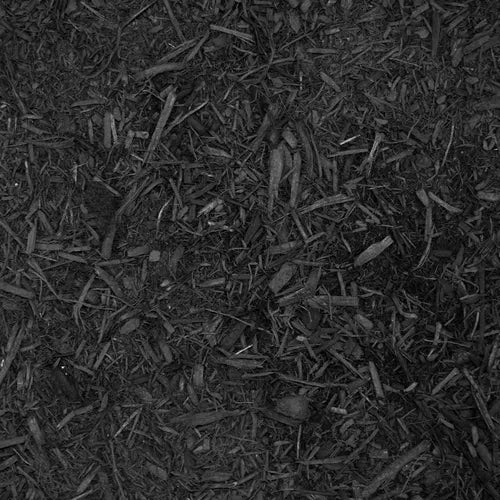
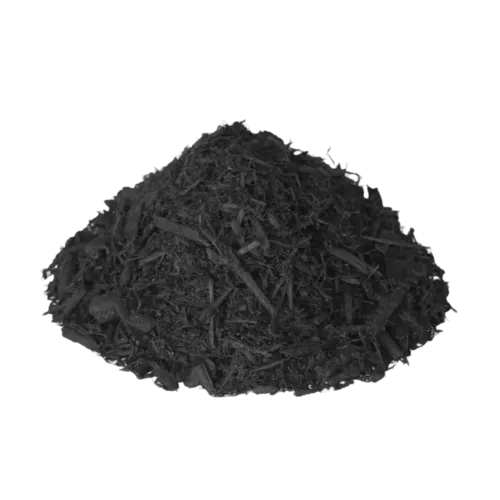
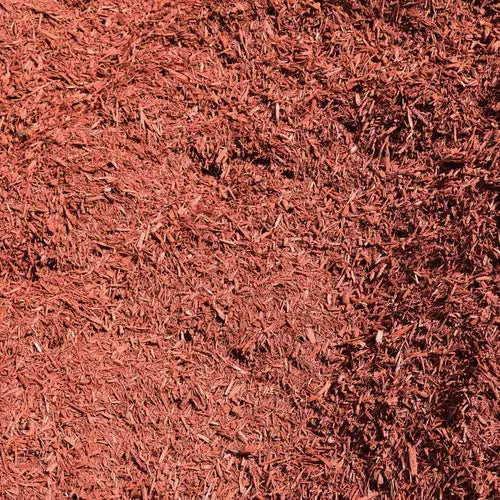
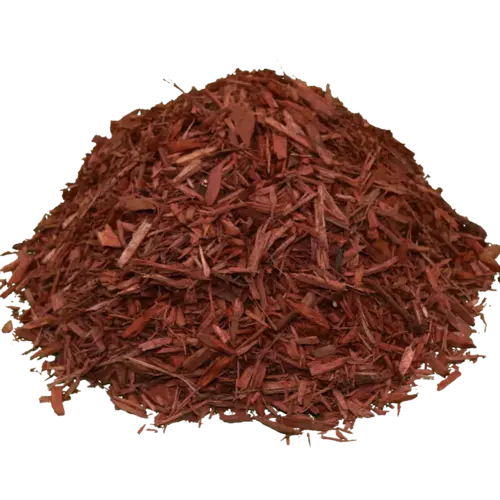
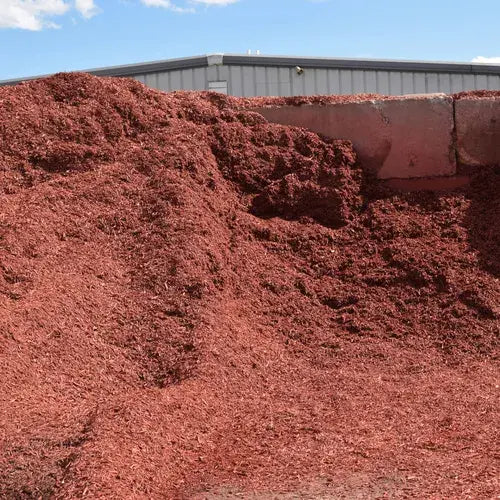
Double-shredded mulch dyed a rich, even brown that holds its color through the season.
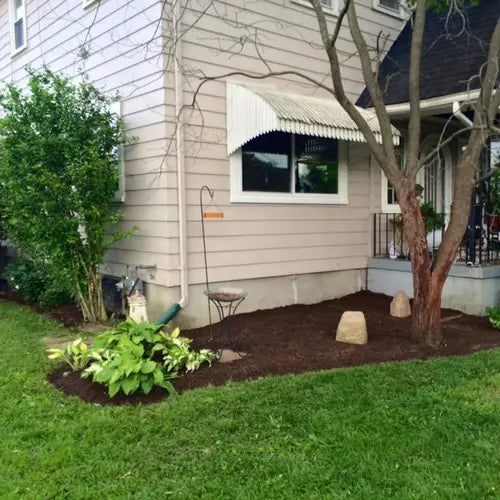
Our delivery was delayed but the new brown color mulch is a nice upgrade to our landscaping.
Tell us what you're looking for
Thanks! We received your request.
Something went wrong. Please try again.
How Much Material Do I Need?
How Much Material Do I Need?
Plan on 3 inches of mulch for established beds and 2 inches around shallow rooted perennials, which is the sweet spot for holding moisture in Centennial's dry air without smothering roots. One cubic yard covers roughly 108 square feet at 3 inches deep.
Use our free mulch calculator
What is a yard?
What is a yard?
FAQs
FAQs
Centennial Mulch Delivery
Centennial Mulch Delivery
Regular price
$55.00
per
Yard
Regular price
Sale price
$55.00
Unit price
per
Shipping calculated at checkout.
Minimum of 3 Yard
Couldn't load pickup availability
Not currently available
We can't take orders for this right now. Tell us what you need and we'll get back to you.
Hand-picked local yards
4,000+ regional deliveries
Dedicated support
Why order through Mulch Mound
The best local , without the guesswork.
We hand-pick and partner with the best yards in your region, keep only the ones our buyers rate well, and back each load with our guarantee.
Mulch Mound Guarantee
If your isn't the quantity or quality you ordered, we'll make it right.
About this mulch
Double-shredded mulch dyed a rich, even brown that holds its color through the season.
Our delivery was delayed but the new brown color mulch is a nice upgrade to our landscaping.
How Much Material Do I Need?
How Much Material Do I Need?
Plan on 3 inches of mulch for established beds and 2 inches around shallow rooted perennials, which is the sweet spot for holding moisture in Centennial's dry air without smothering roots. One cubic yard covers roughly 108 square feet at 3 inches deep.
Use our free mulch calculator
What is a yard?
What is a yard?
FAQs
FAQs
Tell us what you're looking for
Thanks! We received your request.
Something went wrong. Please try again.

How It Works
Getting started is easy — just follow these simple steps
1
Choose your Mulch
Make sure you adjust the quantity to your home's needs. You can use our calculator to estimate how much you'll need.
2
Select your delivery date
Select a delivery date you'd like for the product to be dropped off at your home
3
Sit back and wait
Sit back, wait, and let us work our magic to make sure the highest quality product is delivered to your driveway.

Mulch Mound made it so easy! So happy with the pricing, turn around time, delivery and product. I submitted my online order on a Thursday. The mu...
Read full review
Mulch Mound made it so easy! So happy with the pricing, turn around time, delivery and product. I submitted my online order on a Thursday. The mulch was delivered to the designated location by a local landscape company at 8:30 a.m. the following Saturday morning. We had the job completed by that afternoon. We chose the natural brown mulch, and the plant beds are beautiful.

Good quality, great price, fast delivery. All online - no submitting forms and waiting for days for quotes.
Getting mulch should be this easy fr...
Read full review
Good quality, great price, fast delivery. All online - no submitting forms and waiting for days for quotes.
Getting mulch should be this easy from everyone. Only Mulch Mound is ACTUALLY this simple.
Calculate mulch for your Centennial project
For Centennial's type of soil, we recommend 2-3 inches for best weed suppression and moisture retention
Try Our CalculatorBreak odd shaped Centennial beds into rectangles and circles, measure each in feet, then add the square footage together. Multiply that total by your desired depth in inches and divide by 324 to get cubic yards. Curved island beds around aspens and ornamental grasses are easy to underestimate, so walk the perimeter with a tape rather than guessing from the driveway.

Best Mulch Choice for Centennial Lawns
Most yards in the Centennial area sit on type of soil. Centennial's dense clay soil compacts hard, drains slowly, and leaves plant roots sitting in soggy pockets after a summer thunderstorm and then locked in concrete two days later. Beds built directly into unamended clay struggle to establish anything deeper than a shallow, stressed root system.
Hardwood Mulch
Shredded hardwood mulch is the best answer for Centennial clay because it slowly releases organic matter that earthworms and soil microbes pull down into the profile, gradually loosening compaction. It also shields the surface from crusting so rain and irrigation actually infiltrate rather than sheet off toward the sidewalk.
Complete Your Outdoor Mulch Project
Pair your mulch with a few yards of compost worked into the clay first, plus steel or poly edging to keep material out of your bluegrass. Many Centennial customers add a couple yards of river rock for downspout splash zones where mulch would wash out.
Mulch Mound Pro Tip
Water your beds thoroughly the day before mulch arrives. Centennial's clay repels water once the surface bakes dry, so spreading mulch over parched ground traps that dryness underneath for weeks. Pre soaking gets moisture down into the root zone where the mulch layer can then hold it. This single step makes a bigger difference in July survival for shrubs and perennials than almost anything else you do during install.
Mulch Mound Pro Tip
Build a shallow saucer instead of a volcano around every tree. Wrapping mulch up against the trunk traps moisture on the bark and invites rot and rodent damage, which shows up often on the young maples and lindens planted throughout Centennial subdivisions. Keep mulch 3 to 4 inches away from the trunk flare and extend the ring out toward the drip line, where the feeder roots actually are.
Mulch Mound Pro Tip
Mulch drop offs need a hard, clear surface. Most Centennial driveways handle a truck fine, but if you are in an older Cherry Knolls home with a narrow drive or overhanging trees, spread a large tarp on the flattest spot and mark it with a bucket. Move cars, trash bins, and basketball hoops the night before. A clean drop saves you from hauling mulch uphill across the lawn all weekend.
The Unique Landscape of Centennial
Centennial sits at 5,837 feet on the Front Range, where roughly 17 inches of annual precipitation and thin, dry air pull moisture out of planting beds faster than most homeowners expect. Under that arid surface is heavy clay that seals up and sheds water during a hard July downpour, then cracks open when the sun returns. A 3 inch layer of mulch buffers both extremes, slowing evaporation from your beds and softening the impact of rain so water has time to soak into the clay instead of running toward the curb. Mulch also moderates soil temperature through Centennial's wild swings, where a 65 degree February afternoon can drop below freezing overnight and heave shallow roots right out of the ground. Along Zone 6a plantings from Southglenn to Piney Creek, mulched beds simply hold up better between the last frost around May 5 and the first frost near October 5. It is the least expensive thing you can do to cut watering and keep perennials alive through a dry Centennial winter.