




Ordered Dirt. Received Dirt. Would Buy Again.
About this soil
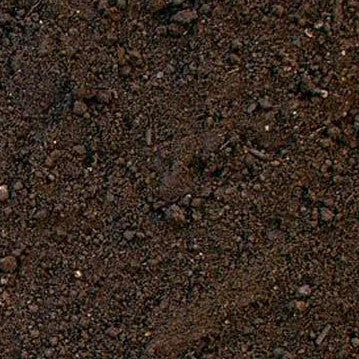
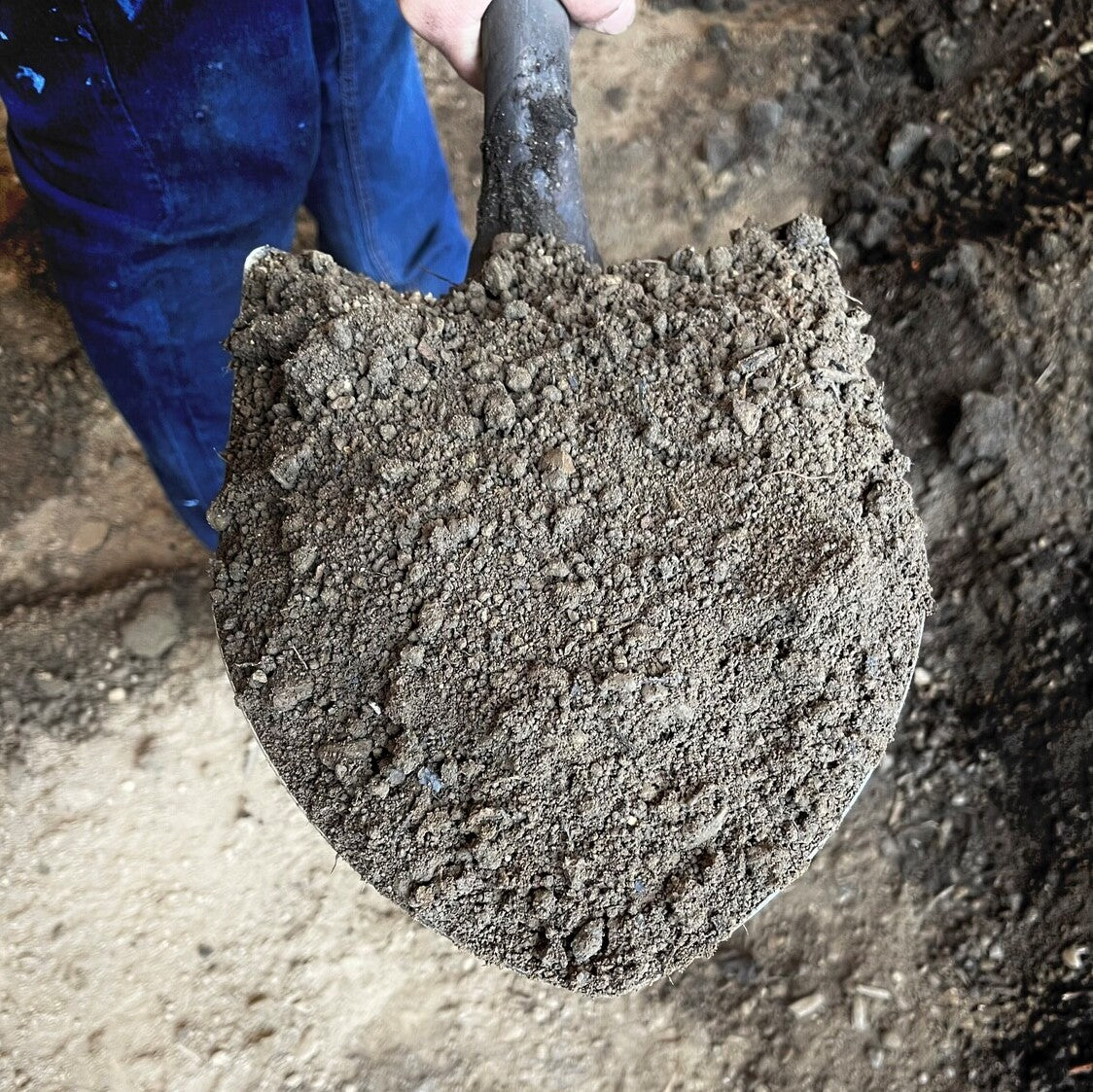
Screened topsoil with a fine, even texture. Ideal for new lawns, sod prep, and raised garden beds.
Ordered Dirt. Received Dirt. Would Buy Again.
Tell us what you're looking for
Thanks! We received your request.
Something went wrong. Please try again.
How Much Material Do I Need?
How Much Material Do I Need?
Raised beds usually need 10 to 12 inches of garden mix, new planting beds need 6 to 8 inches of amended soil over loosened clay, and lawn topdressing needs just a quarter to a half inch. One cubic yard covers about 100 square feet at 3 inches deep.
Use our free soil calculator
What is a Yard?
What is a Yard?
FAQs
FAQs
Centennial Soil Delivery
Centennial Soil Delivery
Regular price
$55.00
per
Yard
Regular price
Sale price
$55.00
Unit price
per
Shipping calculated at checkout.
Minimum of 3 Yard
Couldn't load pickup availability
Not currently available
We can't take orders for this right now. Tell us what you need and we'll get back to you.
Hand-picked local yards
4,000+ regional deliveries
Dedicated support
Why order through Mulch Mound
The best local , without the guesswork.
We hand-pick and partner with the best yards in your region, keep only the ones our buyers rate well, and back each load with our guarantee.
Mulch Mound Guarantee
If your isn't the quantity or quality you ordered, we'll make it right.
About this soil
Screened topsoil with a fine, even texture. Ideal for new lawns, sod prep, and raised garden beds.
Ordered Dirt. Received Dirt. Would Buy Again.
How Much Material Do I Need?
How Much Material Do I Need?
Raised beds usually need 10 to 12 inches of garden mix, new planting beds need 6 to 8 inches of amended soil over loosened clay, and lawn topdressing needs just a quarter to a half inch. One cubic yard covers about 100 square feet at 3 inches deep.
Use our free soil calculator
What is a Yard?
What is a Yard?
FAQs
FAQs
Tell us what you're looking for
Thanks! We received your request.
Something went wrong. Please try again.
How It Works
Getting started is easy — just follow these simple steps
1
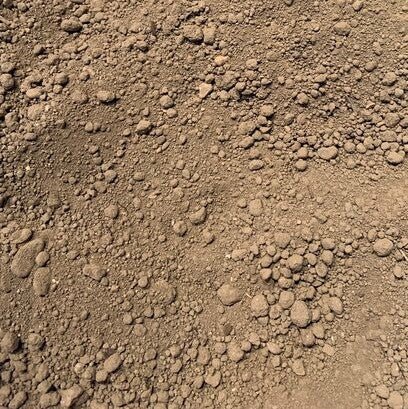
Choose your soil
Make sure you adjust the quantity to your home's needs. You can use our calculator to estimate how much you'll need.
2
Select your delivery date
Select a delivery date you'd like for the product to be dropped off at your home
3
Sit back and wait
Sit back, wait, and let us work our magic to make sure the highest quality product is delivered to your driveway.


Placing an order online was so easy. Delivery was on time. When the driver realized we had a newly poured driveway they erred on the side of cautio...
Read full review
Placing an order online was so easy. Delivery was on time. When the driver realized we had a newly poured driveway they erred on the side of caution and opted not ti drive in it. The company even sent me a message explaining that call. Would recommend!
Need Help Calculating How Much Soil You Need?
Use our NEW Trace from Satellite tool to get an estimate for your project based on an aerial view of your property
Try Our CalculatorMeasure length and width in feet, then multiply by your fill depth in feet, dividing inches by 12. Take that cubic footage and divide by 27 for cubic yards. Remember that Centennial clay subgrade does not compress much, so what you order is close to what you get, though garden mix and compost will settle noticeably after the first heavy watering.
Complete Your Outdoor Soil Project
Add compost to blend into your existing clay, plus a few yards of mulch to cap the finished beds and hold moisture through Centennial's dry summer. Edging and a load of squeegee for pathways round out most yard renovations.
Mulch Mound Pro Tip
Break up the clay before the soil arrives. If you dump 8 inches of fresh topsoil onto compacted, glazed clay, water perches at the boundary and roots stop cold at the seam. Run a tiller or a garden fork through the top few inches of the existing grade first, then blend the new soil into it. This one step is the difference between a bed that thrives and one that drowns after every Centennial thunderstorm.
Mulch Mound Pro Tip
Order soil in fall as well as spring. Working compost into Centennial beds in late September or early October, ahead of the October 5 first frost, lets winter freeze thaw cycles do the mixing for you. By April the clay is noticeably more friable and easier to plant. Fall delivery schedules are also wide open compared to the May rush, so you get your pick of dates.
Mulch Mound Pro Tip
Do not skip a soil test just because you brought in new material. Arapahoe County extension offers inexpensive testing, and knowing your phosphorus, salt, and pH numbers keeps you from over amending. Centennial soils are often already high in phosphorus, so dumping general purpose fertilizer wastes money and can run off. Test once, amend precisely, and your new topsoil performs far better for far less.
The Unique Landscape of Centennial
Almost every lot in Centennial was graded on heavy Front Range clay, and in newer subdivisions the good topsoil was often scraped off during construction and never fully replaced. What is left is dense, alkaline, low in organic matter, and slow to drain, which is why new sod yellows and vegetable beds underperform their first few seasons. Bringing in quality screened topsoil and compost gives roots a workable medium that actually holds the 17 inches of moisture we get each year instead of shedding it. At 5,837 feet with a short window between the May 5 last frost and the October 5 first frost, Zone 6a plants do not have time to fight bad soil and still produce. Amended soil also warms faster in spring, which buys Centennial gardeners precious extra growing days. Whether you are leveling a lawn, filling raised beds, or building new planting areas, the soil you start with sets the ceiling for everything above it.