




Great service. We ordered topsoil from Mulch Mound and the best experience. Thank you so much!
About this soil
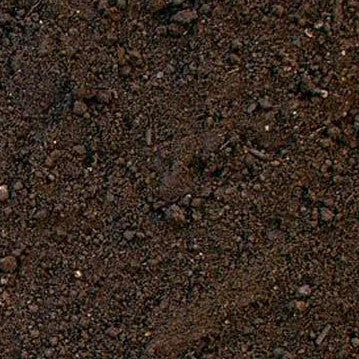
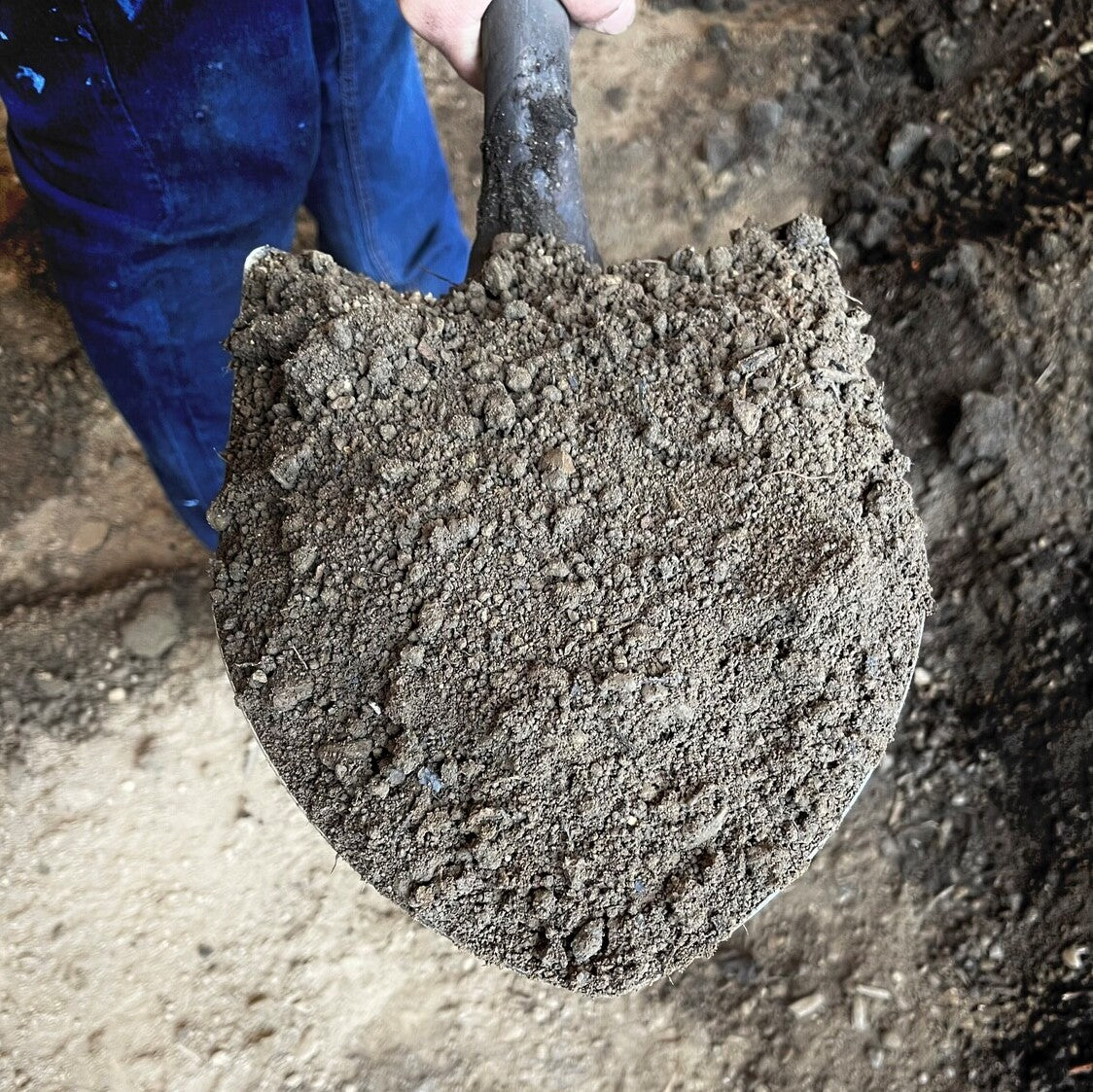
Screened topsoil with a fine, even texture. Ideal for new lawns, sod prep, and raised garden beds.
Great service. We ordered topsoil from Mulch Mound and the best experience. Thank you so much!
Tell us what you're looking for
Thanks! We received your request.
Something went wrong. Please try again.
How Much Material Do I Need?
How Much Material Do I Need?
Plan on 12 inches for vegetable beds, 6 to 8 inches for new lawn or ornamental planting areas, and a quarter to a half inch for annual topdressing. One cubic yard covers about 324 square feet at one inch deep.
Use our free soil calculator
What is a Yard?
What is a Yard?
FAQs
FAQs
Centralia Soil Delivery
Centralia Soil Delivery
Regular price
$64.00
per
Yard
Regular price
Sale price
$64.00
Unit price
per
Shipping calculated at checkout.
Minimum of 3 Yard
Couldn't load pickup availability
Not currently available
We can't take orders for this right now. Tell us what you need and we'll get back to you.
Hand-picked local yards
4,000+ regional deliveries
Dedicated support
Why order through Mulch Mound
The best local , without the guesswork.
We hand-pick and partner with the best yards in your region, keep only the ones our buyers rate well, and back each load with our guarantee.
Mulch Mound Guarantee
If your isn't the quantity or quality you ordered, we'll make it right.
About this soil
Screened topsoil with a fine, even texture. Ideal for new lawns, sod prep, and raised garden beds.
Great service. We ordered topsoil from Mulch Mound and the best experience. Thank you so much!
How Much Material Do I Need?
How Much Material Do I Need?
Plan on 12 inches for vegetable beds, 6 to 8 inches for new lawn or ornamental planting areas, and a quarter to a half inch for annual topdressing. One cubic yard covers about 324 square feet at one inch deep.
Use our free soil calculator
What is a Yard?
What is a Yard?
FAQs
FAQs
Tell us what you're looking for
Thanks! We received your request.
Something went wrong. Please try again.
How It Works
Getting started is easy — just follow these simple steps
1
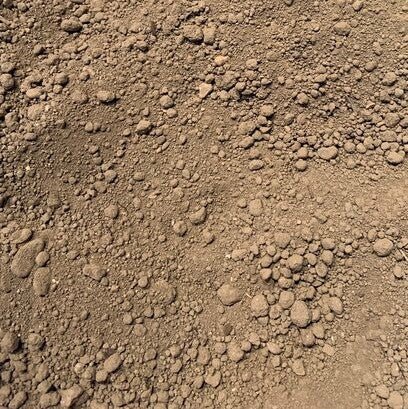
Choose your soil
Make sure you adjust the quantity to your home's needs. You can use our calculator to estimate how much you'll need.
2
Select your delivery date
Select a delivery date you'd like for the product to be dropped off at your home
3
Sit back and wait
Sit back, wait, and let us work our magic to make sure the highest quality product is delivered to your driveway.

Placing an order online was so easy. Delivery was on time. When the driver realized we had a newly poured driveway they erred on the side of cautio...
Read full review
Placing an order online was so easy. Delivery was on time. When the driver realized we had a newly poured driveway they erred on the side of caution and opted not ti drive in it. The company even sent me a message explaining that call. Would recommend!

Online ordering was really simple and I liked the transparent pricing.
Need Help Calculating How Much Soil You Need?
Use our NEW Trace from Satellite tool to get an estimate for your project based on an aerial view of your property
Try Our CalculatorFor raised beds, multiply length by width by depth in feet, then divide by 27 for cubic yards. For lawn topdressing, measure the whole area and figure a quarter to a half inch of depth. Soil settles roughly ten to fifteen percent after Centralia's rains, so round up when you order.
Complete Your Outdoor Soil Project
Finish new beds with two to three inches of bark mulch to lock in moisture through the dry August weeks, and add crushed rock beneath raised beds where drainage is a concern.
Service area
Areas we deliver soil in Centralia, Washington
Mulch Mound Pro Tip
Build up instead of digging down. Centralia sits at 164 feet in a river valley where winter groundwater rises close to the surface, so a bed excavated into silt loam becomes a bathtub by December. Frame beds six to twelve inches above grade and fill with a draining blend. Roots then sit in air rich soil all winter, and you avoid the root rot that quietly kills so many local shrubs and perennials.
Mulch Mound Pro Tip
Add organic matter every single year, not just once. The mild wet climate here burns through compost quickly, and a bed that started rich in April can feel tired by the following spring. Top dress with an inch of compost each fall before the rains settle in, and the worms will pull it down for you over winter. By March the bed will be looser, darker, and ready weeks earlier than untreated ground.
Mulch Mound Pro Tip
Stay off wet soil. Walking or wheelbarrowing across saturated Centralia silt loam compacts it in a way that takes years to undo, and the damage is invisible until plants start struggling. Lay a plank or a sheet of plywood as a temporary path when moving material during the rainy months. Keep permanent paths defined with bark or gravel so the growing areas never take foot traffic at all.
The Unique Landscape of Centralia
Centralia's native silt loam is naturally fertile, but decades of construction, foot traffic, and 48 inches of annual rain have left most residential lots compacted and low in organic matter. Water moves slowly through compacted silt, so raised beds, lawn repairs, and new plantings all benefit from imported soil blended for drainage. At 164 feet of elevation in the Chehalis valley, winter groundwater sits close to the surface, which makes building up rather than digging down the smarter approach. A good topsoil or garden blend gives roots a workable zone above that seasonal saturation line. With a long Zone 8b season running from about April 20 to October 25, the payoff for better soil shows up in six solid months of growth.