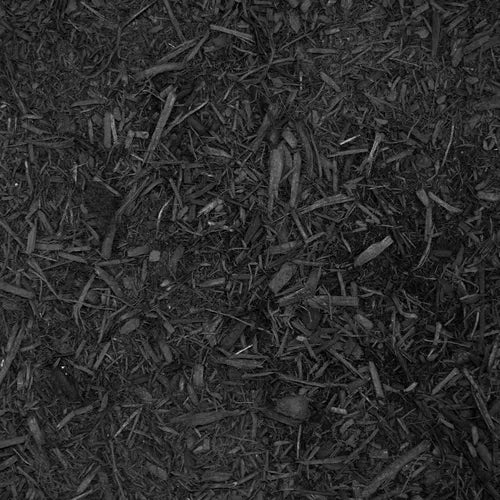
About this mulch

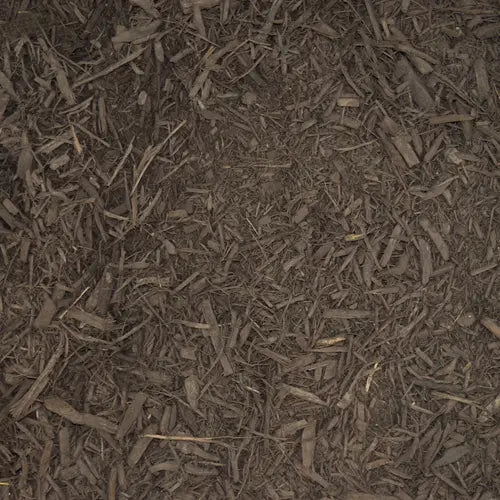
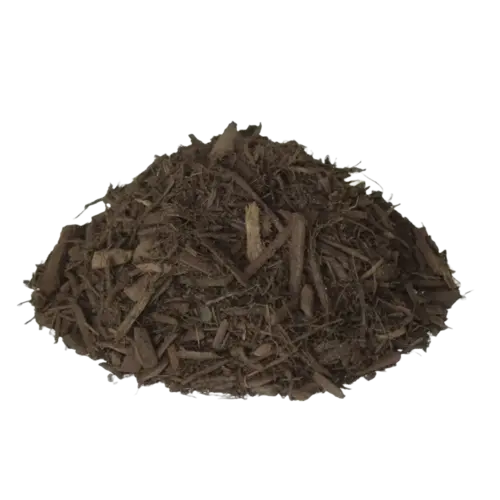
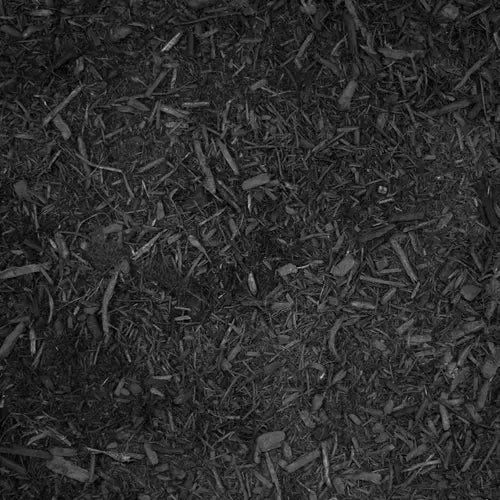
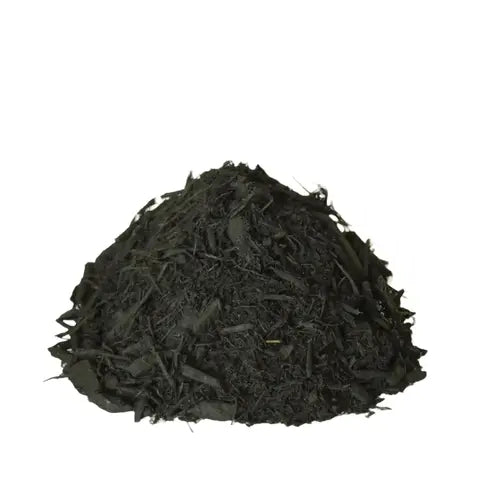
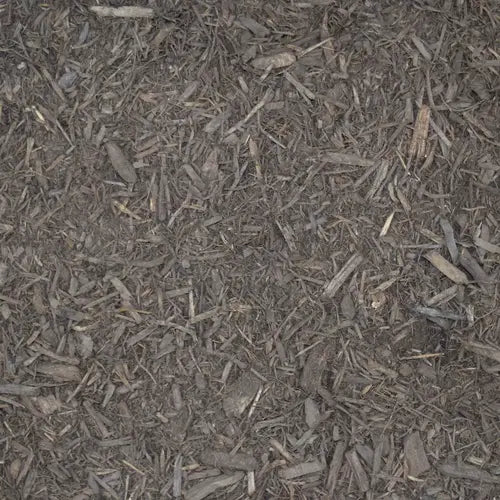
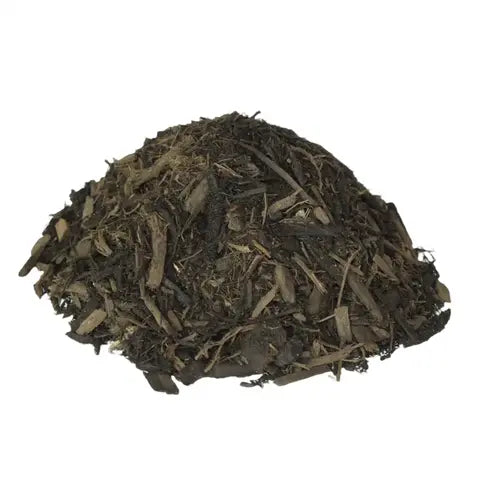
Double-shredded mulch dyed a rich, even brown that holds its color through the season.

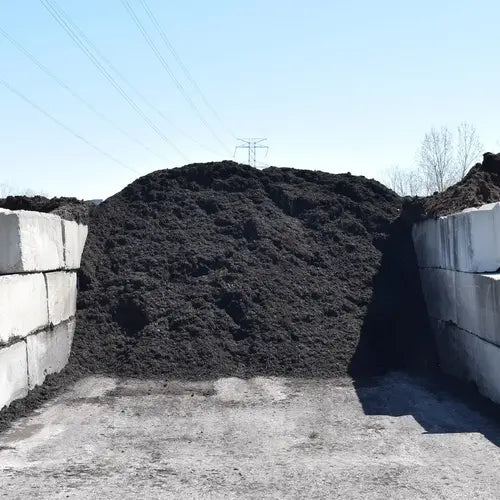
I highly recommend Mulch Mound. The quality of the mulch is very good. The ordering system on their website makes it very easy. The delivery driver did a great job placing the mulch on the driveway. To finish off, the pricing was very reasonable as well.

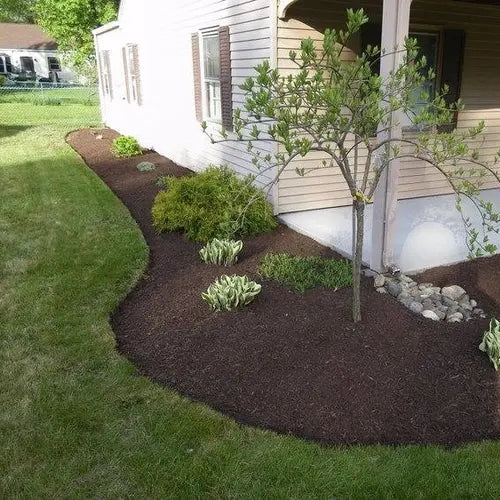
For most Chula Vista planting beds, a 3 to 4 inch depth provides the moisture retention and weed suppression needed to handle the region's dry summers effectively. Slopes or areas with persistent weed pressure may benefit from the full 4 inch application to create a more complete barrier.
Use our free mulch calculator

A yard is approximately 27 cubic feet. As a general guideline, one yard of material can cover an area of about 100-160 square feet at a 2-3 inch depth.

Chula Vista Mulch Delivery

Chula Vista Mulch Delivery

4.7
137 reviews
Regular price $55.00 per Yard
Regular price Sale price $55.00
Sale Sold out
Shipping calculated at checkout.
Color
Style
Hand-picked local yards
4,000+ regional deliveries
Dedicated support
Why order through Mulch Mound

The best local , without the guesswork.

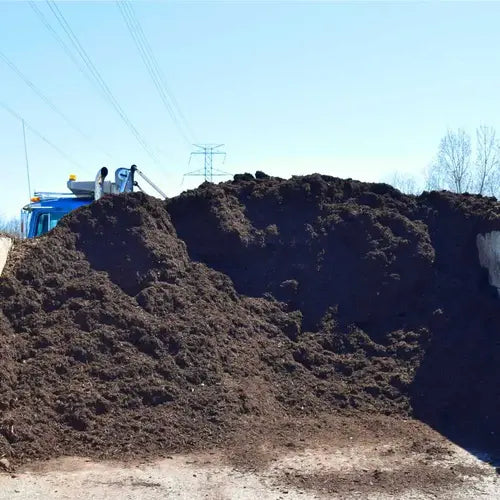
We hand-pick and partner with the best yards in your region, keep only the ones our buyers rate well, and back each load with our guarantee.

Mulch Mound Guarantee

If your isn't the quantity or quality you ordered, we'll make it right.

About this mulch

Double-shredded mulch dyed a rich, even brown that holds its color through the season.

I highly recommend Mulch Mound. The quality of the mulch is very good. The ordering system on their website makes it very easy. The delivery driver did a great job placing the mulch on the driveway. To finish off, the pricing was very reasonable as well.
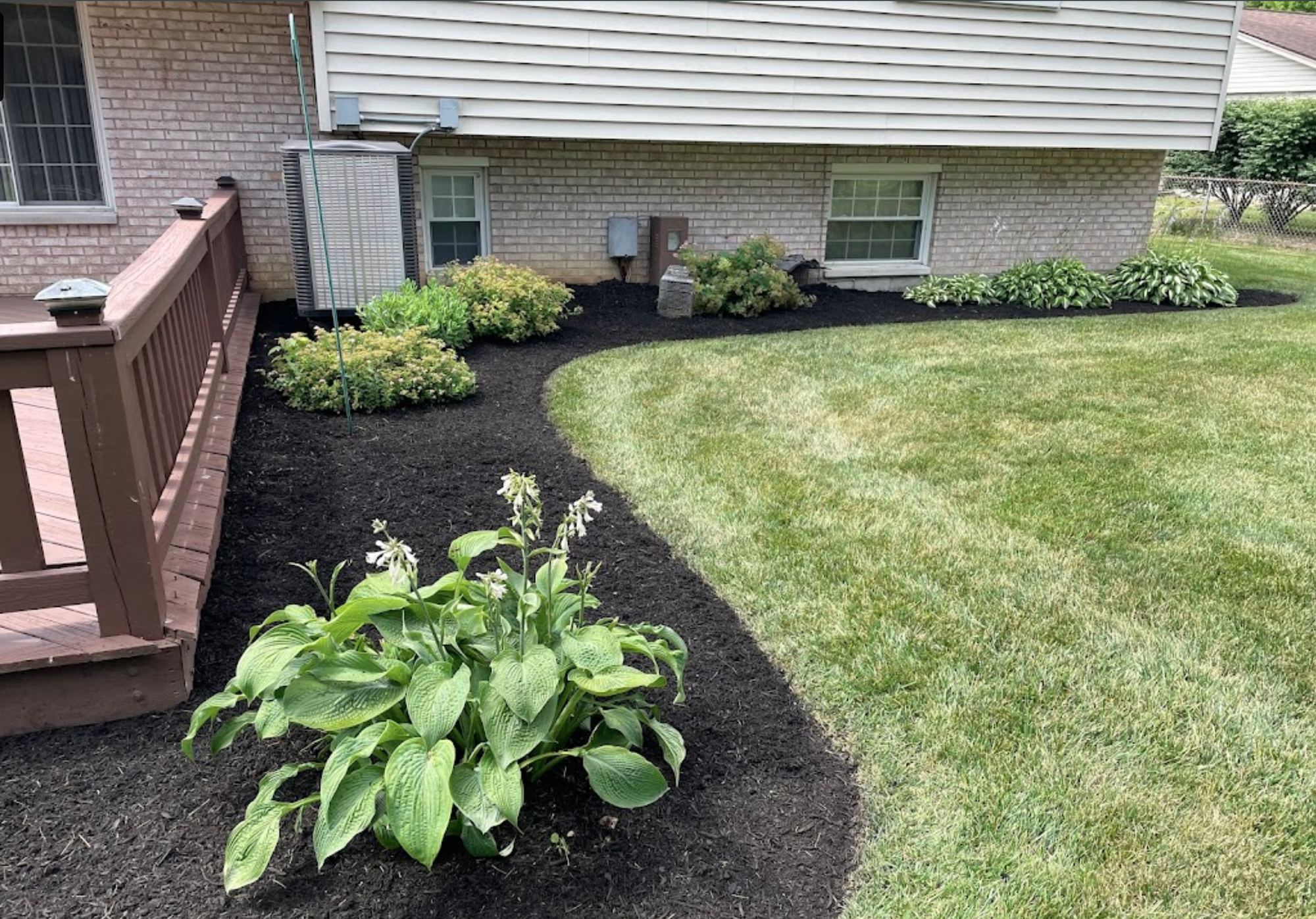
For most Chula Vista planting beds, a 3 to 4 inch depth provides the moisture retention and weed suppression needed to handle the region's dry summers effectively. Slopes or areas with persistent weed pressure may benefit from the full 4 inch application to create a more complete barrier.
Use our free mulch calculator

A yard is approximately 27 cubic feet. As a general guideline, one yard of material can cover an area of about 100-160 square feet at a 2-3 inch depth.

View full details

How It Works

Getting started is easy — just follow these simple steps

1

Choose your Mulch

Make sure you adjust the quantity to your home's needs. You can use our calculator to estimate how much you'll need.

2

Select your delivery date

Select a delivery date you'd like for the product to be dropped off at your home

3

Sit back and wait

Sit back, wait, and let us work our magic to make sure the highest quality product is delivered to your driveway.

What Chula Vista Customers Are Saying

4.7
out of 5 based on 137 reviews
Google Reviews

Calculate mulch for your Chula Vista project

For Chula Vista's type of soil, we recommend 2-3 inches for best weed suppression and moisture retention

Try Our Calculator
📍

Measure each planting bed by walking its length and width and recording both numbers in feet. Multiply length times width for each bed to get square footage, then add all your beds together for a total. Plug that number into our calculator with your desired depth and it will tell you exactly how many cubic yards to order for your Chula Vista property.

Mulch vs. No Mulch: The Difference

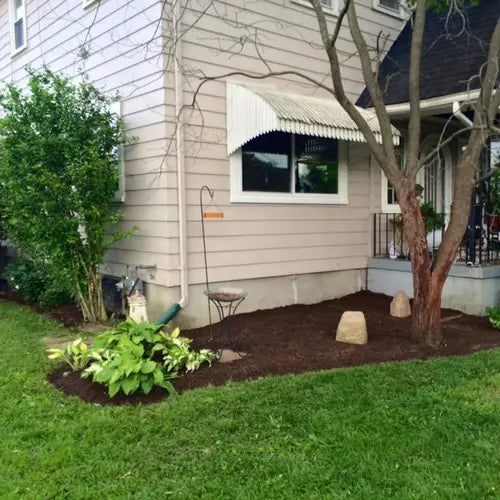
In Chula Vista's Zone 10a climate, the combination of warm temperatures most of the year and extremely low annual rainfall of just 9 inches means bare soil in plant beds loses moisture rapidly and organic material breaks down faster than in cooler regions. Mulch is not simply decorative in this environment. it is a functional necessity that makes the difference between plants that thrive and plants that continuously struggle with water stress. Choosing the right mulch type and applying it at the correct depth can dramatically reduce irrigation demand and improve overall plant health throughout Chula Vista's long warm season.

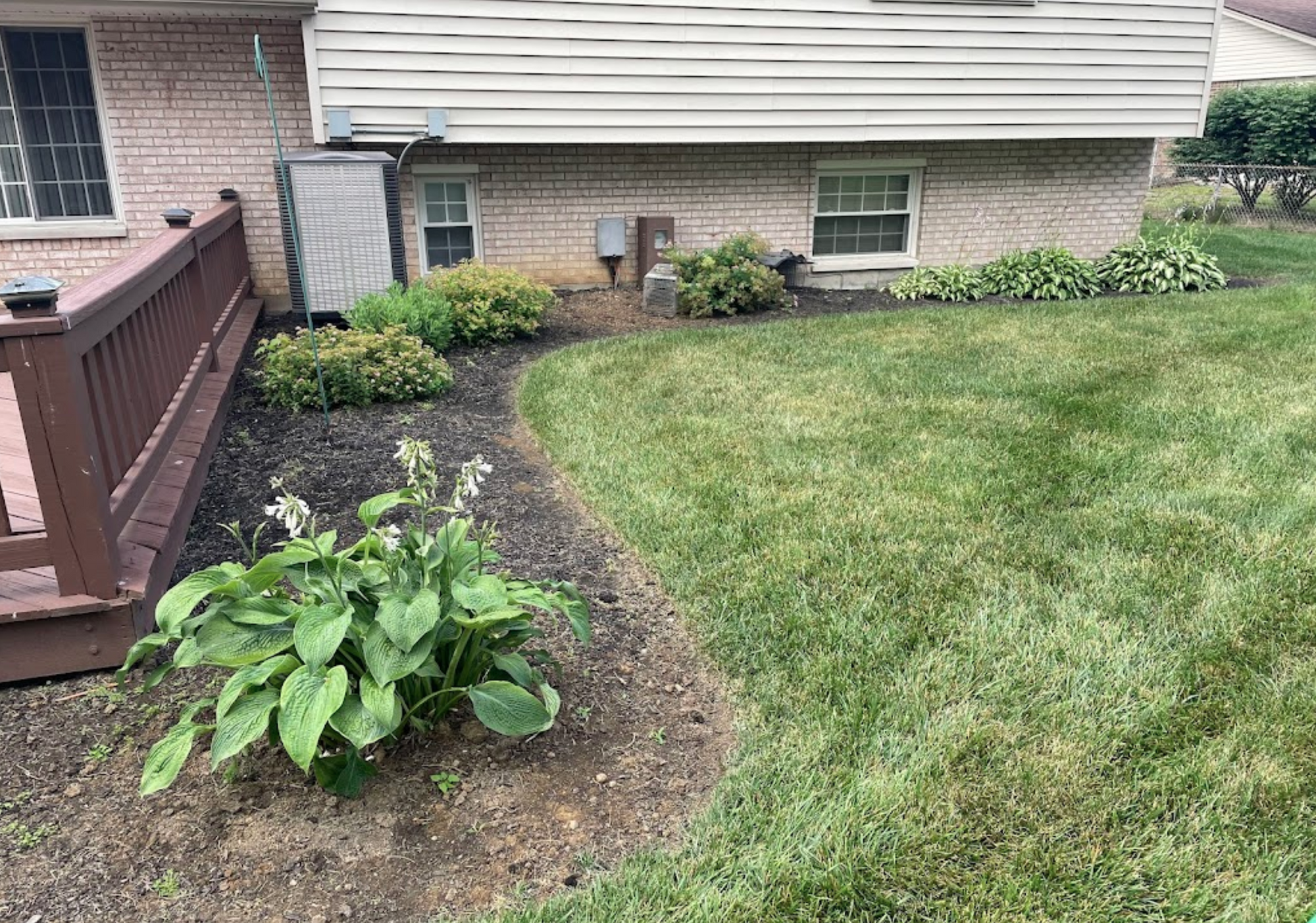
Before image
After image
Slider handle
Before
After

Complete Your Outdoor Mulch Project

Pair your mulch order with a quality garden soil or compost blend to refresh bed depth before you mulch, giving your plants the best possible foundation in Chula Vista's alluvial soil. Decorative stone is another great complement for bordering beds or pathways throughout your landscape.

Mulch Mound Pro Tip

In Chula Vista's low-rainfall climate, timing your mulch installation just before your irrigation system gets its spring tune-up pays real dividends. Fresh mulch applied to moist soil locks in that early moisture and creates a buffer that reduces how often your drip zones need to cycle during the first heat waves of May and June. You will likely see a noticeable drop in your water bill within the first season after mulching properly.

Mulch Mound Pro Tip

Chula Vista's alluvial soils can develop a hard surface crust during dry stretches, and this crust actually repels water rather than absorbing it. Loosening the top inch of soil with a hand cultivator before spreading your mulch helps break that crust so the two layers work together. The mulch then prevents the crust from forming again, creating a much healthier cycle for your plant roots over the long term.

Mulch Mound Pro Tip

Because Chula Vista sits at a relatively low elevation of 66 feet with warm nights and mild winters, tropical and subtropical plants like bird of paradise, bougainvillea, and Mexican sage are very popular in local gardens. These plants benefit from extra-wide mulch rings that extend well beyond their visible canopy spread, because their feeder roots reach much farther out than most homeowners expect. A generous mulch footprint supports those far-reaching roots through every dry season.

Frequently Asked Questions

Click a question to see the answer

Answer

How thick should I apply mulch in Chula Vista given how little rain we get?

With only about 9 inches of annual rainfall in Chula Vista, a 3 to 4 inch mulch layer is strongly recommended for most planting beds. That depth creates a meaningful moisture barrier that slows evaporation from the soil surface, which is especially important during the long dry stretches from late spring through early fall when irrigation carries nearly all the water load for your plants.

Answer

Will mulch break down faster here because of our hot summers?

Yes, the warm temperatures and strong UV exposure in Chula Vista do accelerate organic mulch decomposition compared to cooler inland climates. You can expect to refresh your mulch layer once a year, typically in late winter after the frost risk passes around February 1, to restore the depth and maintain its moisture retention and weed suppression benefits heading into the dry season.

Answer

My yard has that dense sandy clay mix common around Chula Vista. Will mulch actually help?

Absolutely. The alluvial soils found across much of Chula Vista tend to compact easily and can shed water rather than absorbing it when they dry out completely. Keeping a consistent mulch layer on top prevents the surface from baking hard in the summer heat, which helps rainfall and irrigation penetrate more evenly into the root zone rather than running off.

Answer

What type of mulch works best around drought-tolerant plants like lavender and salvia?

For drought-tolerant Mediterranean plants common in Chula Vista landscapes, a shredded hardwood or gorilla hair mulch works very well because it stays in place on slopes, allows good air circulation, and does not hold excessive moisture against the crown of plants that prefer drier root conditions. Keep mulch pulled back about 2 inches from the base of each plant to prevent crown rot in our warmer climate.

Answer

Can I use mulch around my citrus trees?

Citrus trees grow beautifully in Chula Vista's Zone 10a climate and they benefit greatly from a wide ring of mulch extending out to the drip line. Apply a 3 inch layer but keep it several inches away from the trunk itself to avoid creating conditions that invite fungal problems. The mulch ring conserves soil moisture and moderates root zone temperatures during summer heat spikes.

Answer

How many cubic yards do I need for my front yard in Chula Vista?

Measure the length and width of each planting bed in feet, multiply those together to get square footage, and then multiply by 0.25 if you are targeting a 3 inch depth. Divide that total by 27 to convert cubic feet to cubic yards. Our online calculator on the product page can do this math for you once you enter your measurements.

Answer

Is there a best time of year to apply mulch in Chula Vista?

Late winter, right after Chula Vista's last average frost date of February 1, is an ideal time to apply fresh mulch. This timing lets you replenish any material that broke down over the previous year and gets your beds ready with full moisture protection before the dry spring and summer months begin. A second light top-up in early fall can also help protect roots during any late heat waves.

The Unique Landscape of Chula Vista

Chula Vista sits in a coastal Southern California climate where the combination of intense summer sun, minimal rainfall averaging just 9 inches per year, and warm temperatures that rarely dip below freezing creates a uniquely demanding environment for plant beds. Without a protective layer of mulch, the alluvial soils common throughout Chula Vista dry out rapidly between waterings, leaving roots stressed and plants struggling through the hottest months. Mulch acts as a critical insulating blanket that keeps soil temperatures stable, reduces evaporation, and stretches every drop of irrigation water further than bare soil ever could. Because Chula Vista sits in USDA Growing Zone 10a, many residents grow subtropical and drought-tolerant plants that thrive when their root zones stay consistently moist and cool beneath a thick organic layer. The short frost window between December 10 and February 1 means mulch also provides just enough cold-season root protection to keep tender plants healthy through the mild Chula Vista winter. Investing in quality bulk mulch delivered directly to your property is one of the most cost-effective steps you can take to protect your landscaping investment in this dry coastal climate.