

About this mulch

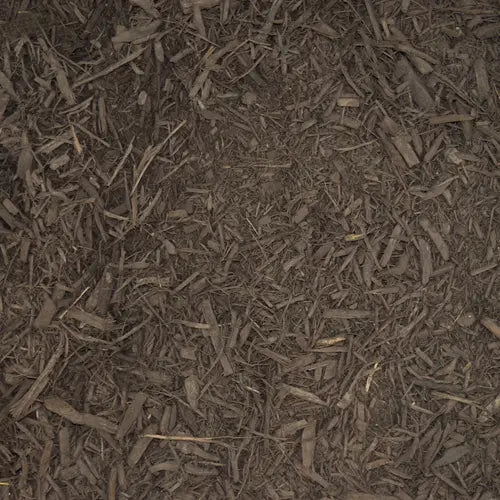
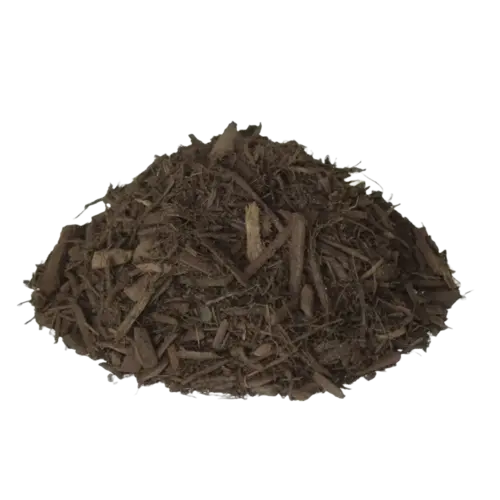
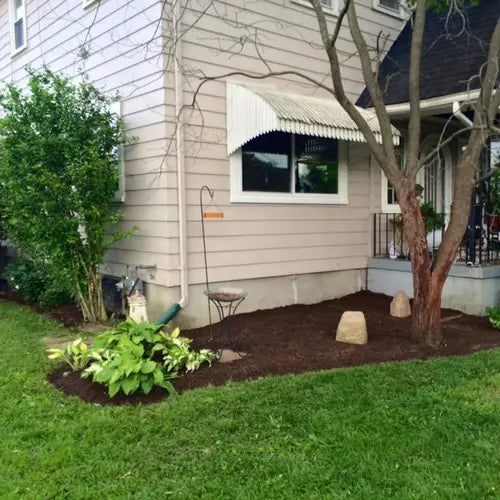
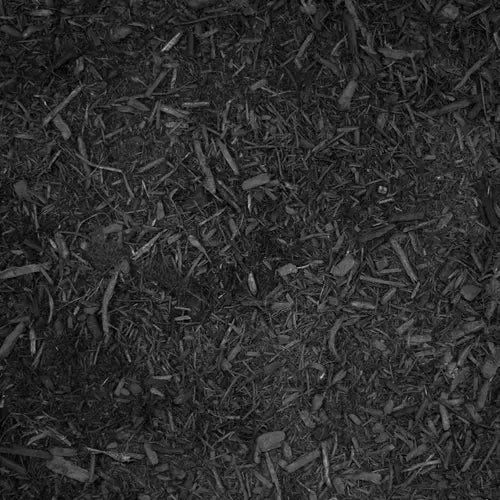
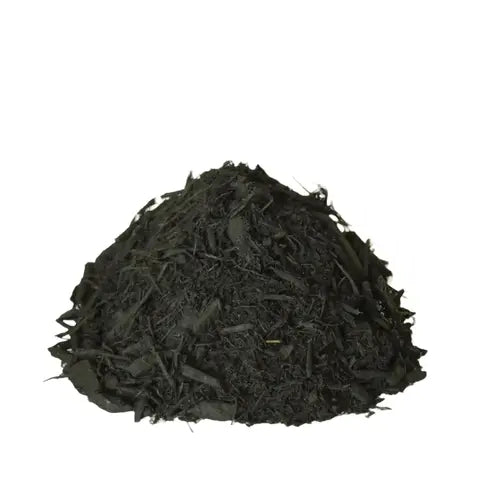
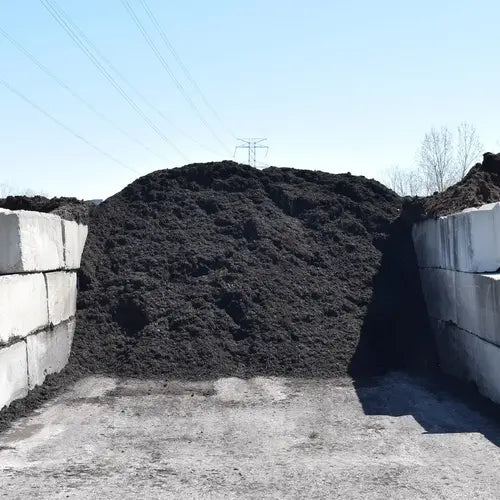
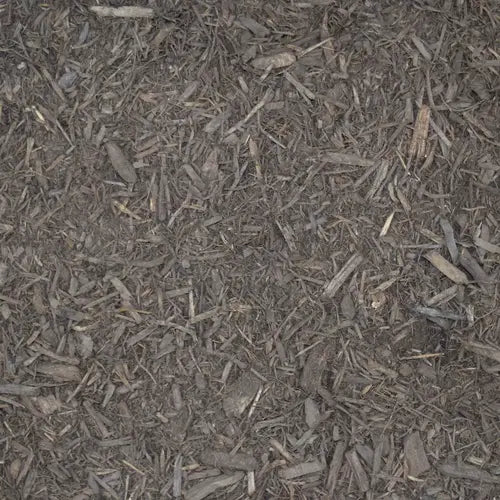
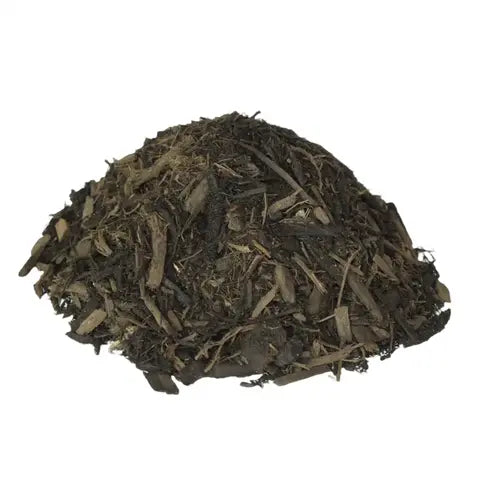
Double-shredded mulch dyed a rich, even brown that holds its color through the season.

UPDATE!

I can’t say enough good things about Mulch Mound! If you read my review below you will see I had a problem with my order. Mulch Mound was quick to respond and solved the issue with my delivery. Will definitely be a customer next year.

First time purchase...

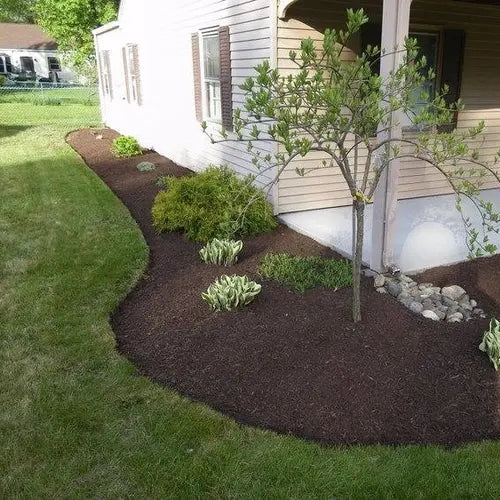
Three inches is the sweet spot for Coeur d'Alene beds, deep enough to block weeds and hold moisture through the dry late summer without smothering roots. Around trees, taper to two inches and keep mulch off the trunk flare entirely.
Use our free mulch calculator

A yard is approximately 27 cubic feet. As a general guideline, one yard of material can cover an area of about 100-160 square feet at a 2-3 inch depth.

Coeur d'Alene Mulch Delivery

Coeur d'Alene Mulch Delivery

4.7
137 reviews
Regular price $55.00 per Yard
Regular price Sale price $55.00
Sale Sold out
Shipping calculated at checkout.
Color
Style
Hand-picked local yards
4,000+ regional deliveries
Dedicated support
Why order through Mulch Mound

The best local , without the guesswork.

We hand-pick and partner with the best yards in your region, keep only the ones our buyers rate well, and back each load with our guarantee.

Mulch Mound Guarantee

If your isn't the quantity or quality you ordered, we'll make it right.

About this mulch

Double-shredded mulch dyed a rich, even brown that holds its color through the season.

UPDATE!

I can’t say enough good things about Mulch Mound! If you read my review below you will see I had a problem with my order. Mulch Mound was quick to respond and solved the issue with my delivery. Will definitely be a customer next year.

First time purchase...

Three inches is the sweet spot for Coeur d'Alene beds, deep enough to block weeds and hold moisture through the dry late summer without smothering roots. Around trees, taper to two inches and keep mulch off the trunk flare entirely.
Use our free mulch calculator

A yard is approximately 27 cubic feet. As a general guideline, one yard of material can cover an area of about 100-160 square feet at a 2-3 inch depth.

View full details

How It Works

Getting started is easy — just follow these simple steps

1

Choose your Mulch

Make sure you adjust the quantity to your home's needs. You can use our calculator to estimate how much you'll need.

2

Select your delivery date

Select a delivery date you'd like for the product to be dropped off at your home

3

Sit back and wait

Sit back, wait, and let us work our magic to make sure the highest quality product is delivered to your driveway.

What Coeur d'Alene Customers Are Saying

4.7
out of 5 based on 137 reviews
Google Reviews

Calculate mulch for your Coeur d'Alene project

For Coeur d'Alene's type of soil, we recommend 2-3 inches for best weed suppression and moisture retention

Try Our Calculator
📍

Break your yard into simple rectangles and circles, measure each in feet, and total the square footage before you calculate. For the curved island beds common in Coeur d'Alene subdivisions, measure the widest length and widest width and multiply by 0.8 for a close estimate. Add ten percent if your beds slope, since material settles downhill.

Mulch vs. No Mulch: The Difference

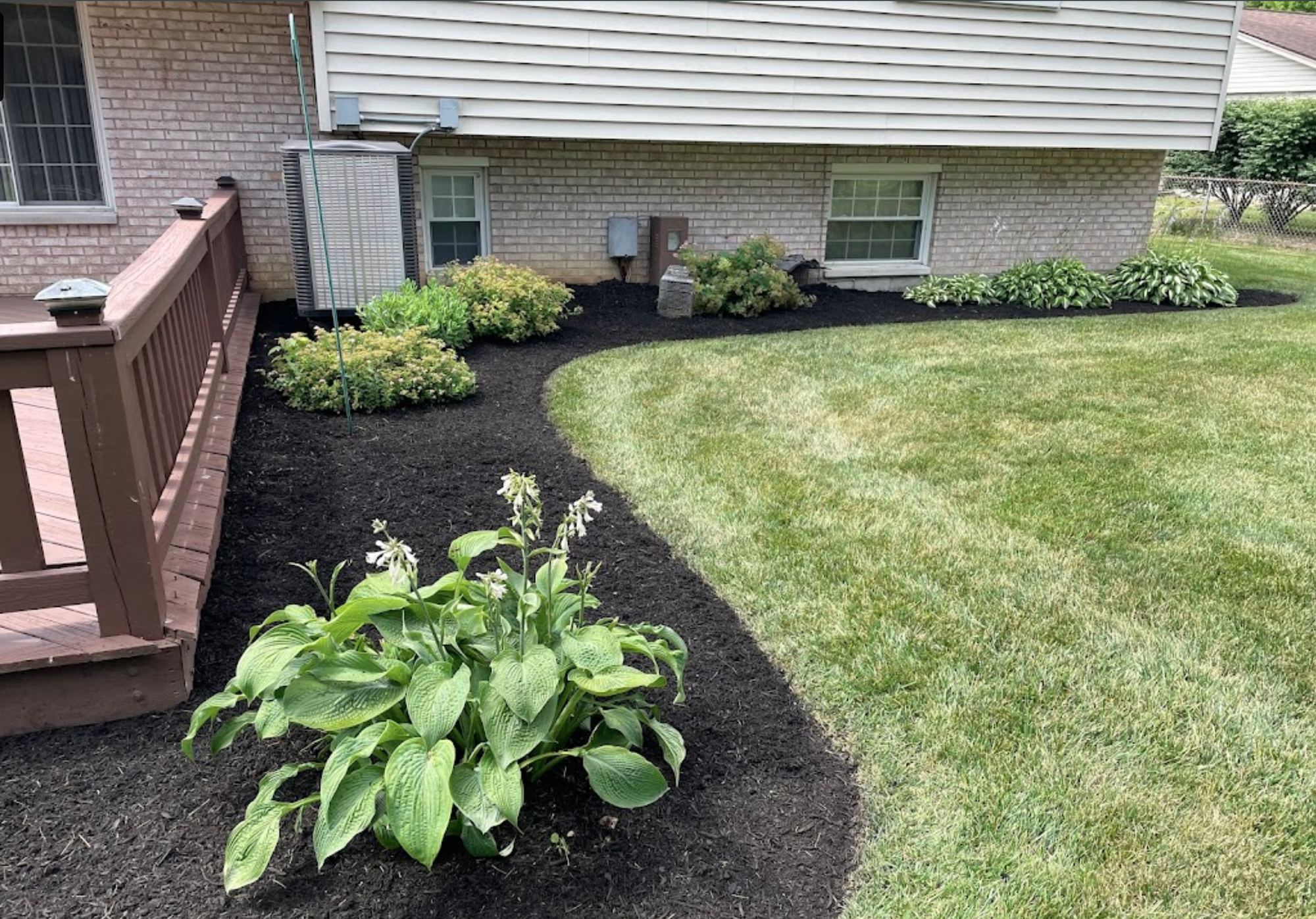
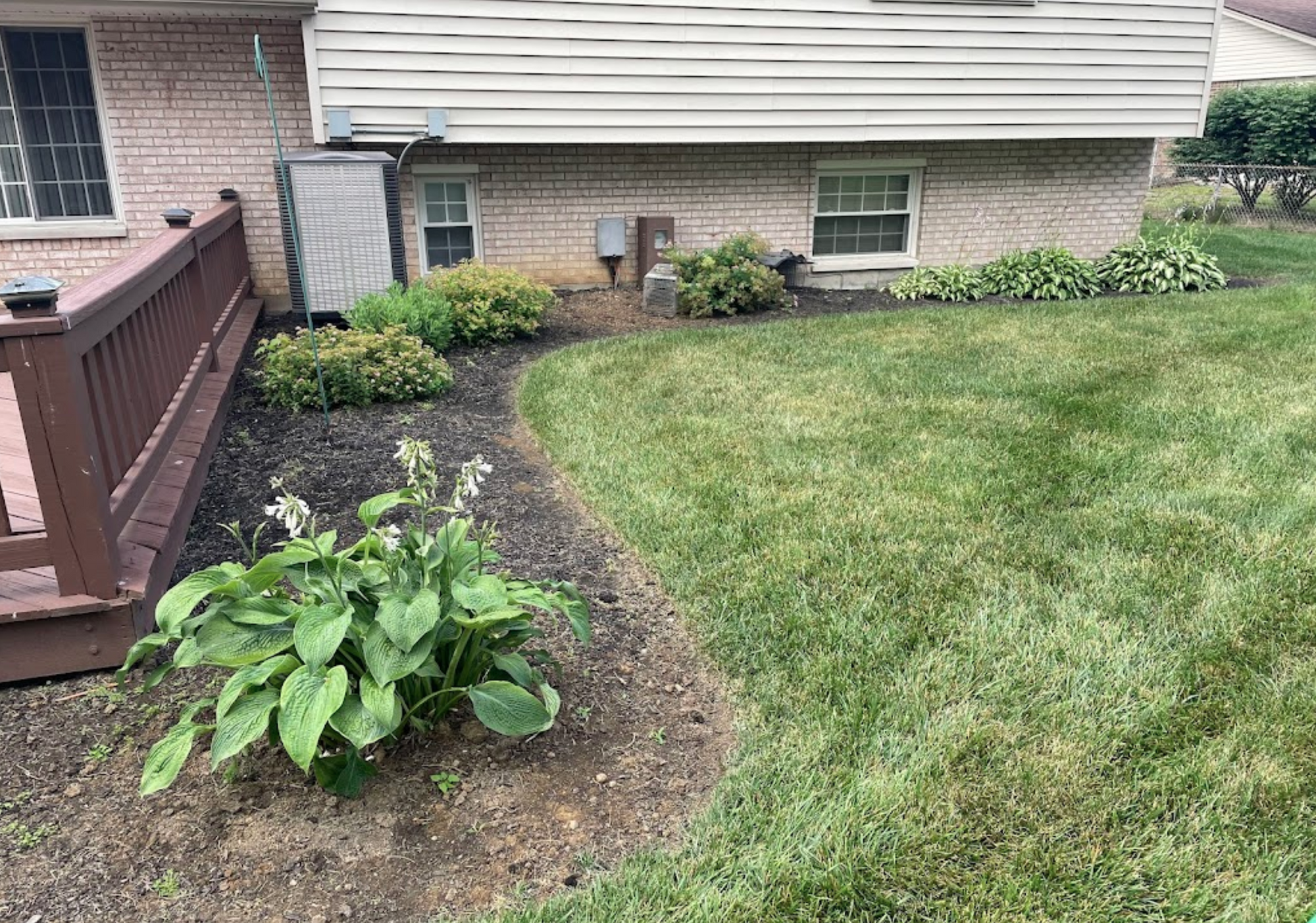
Coeur d'Alene's wet, snow covered winters and hot, dry summers create a strong wet to dry swing that speeds up wood breakdown in spring and stalls it completely in August. Natural, undyed mulch typically fades noticeably by midsummer and loses about an inch of depth per season here. Dyed hardwood holds its color through the intense high elevation sunlight much longer, which is why so many local beds get topped off rather than fully replaced.

Before image
After image
Slider handle
Before
After

Complete Your Outdoor Mulch Project

Pair your mulch with a few yards of compost or garden soil worked in first, and add steel or paver edging to keep bark from migrating onto lawns during spring runoff.

Mulch Mound Pro Tip

Water your beds thoroughly the day before mulch arrives. Coeur d'Alene's silt loam sets up like a crust once it dries in late spring, and dry mulch laid over dry soil will shed the first few irrigation cycles instead of letting them soak in. Pre wetting the ground means the moisture you already have gets locked under the layer, and your new mulch settles into place rather than blowing around on a windy afternoon.

Mulch Mound Pro Tip

Skip plastic sheeting under mulch. It seems like a shortcut, but under North Idaho's freeze and thaw cycles it traps water above the soil, suffocates roots, and eventually shreds into the beds. If you want a weed barrier, use a breathable woven landscape fabric on stone areas only, and rely on mulch depth alone in planting beds. Decomposing mulch feeds the silt loam, and plastic blocks that entirely.

Mulch Mound Pro Tip

Refresh color, not depth. Many Coeur d'Alene homeowners add a full three inches every spring and end up with six or seven inches choking their shrubs. Instead, measure what is left in April. If you have two inches, add one. A single inch of fresh material restores the dark look after a snowy winter without burying crowns or starving roots of oxygen.

Frequently Asked Questions

Click a question to see the answer

Answer

When should I put mulch down in Coeur d'Alene?

Wait until the soil warms, usually late April into mid May once the last frost around May 5 has passed. Mulching too early over cold, saturated ground traps the chill and slows perennials from waking up. A second light top off in late September helps insulate roots before the October 8 frost.

Answer

Will mulch help with our dry August?

Yes, and it is the biggest reason to use it here. Coeur d'Alene gets very little of its 27 inches between July and September, so a three inch layer cuts surface evaporation dramatically and keeps your irrigation working harder for you. Beds with mulch commonly need watering a third less often than bare silt loam.

Answer

Does mulch attract carpenter ants or termites around here?

Carpenter ants are common in North Idaho, but they are drawn to damp wood in contact with structures, not to mulch itself. Keep mulch pulled back six inches from siding, foundation vents, and deck posts, and do not let it pile against untreated wood. That gap alone solves the issue for most Coeur d'Alene homes.

Answer

Should I remove old mulch before adding new?

Usually no. Fine textured mulch breaks down into the silt loam and improves it, which is exactly what our tight soils need. Just rake the old layer to break up any crust, then top off enough to reach three inches total. Only strip it out if you see thick fungal matting or the layer has crept past four inches.

Answer

What mulch works best on the steep lots above the lake?

Shredded hardwood or double ground bark. The fibers knit together and resist washing out during the heavy spring melt that runs off Coeur d'Alene's hillside lots. Avoid smooth nuggets on anything steeper than a gentle grade, since they float and end up in the street.

Answer

How much mulch do I need for a typical Coeur d'Alene front bed?

One cubic yard covers about 108 square feet at three inches deep. A common 20 by 8 foot foundation bed runs roughly 160 square feet, so about 1.5 yards. Measure length times width for each bed, add them up, and round up a quarter yard for settling.

Answer

Can I leave mulch on through winter, or does the snow ruin it?

Leave it on. Snow cover and mulch together are the best insulation your perennials will get through a Panhandle winter, keeping soil temperatures steady through freeze and thaw cycles. Mulch may look flattened and faded by April, but a quick rake fluffs the color back up.

The Unique Landscape of Coeur d'Alene

Coeur d'Alene sits at 2,247 feet in zone 6b, where roughly 27 inches of annual moisture arrives mostly as winter snow and spring rain, leaving July and August bone dry. Mulch is the single cheapest way to hold that spring moisture in the root zone through a Panhandle summer when lake breezes and long daylight hours pull water out of exposed beds fast. The local silt loam crusts over when it dries, so bare soil sheds water instead of absorbing it, and a mulch blanket keeps the surface soft and open. With last frost around May 5 and first frost near October 8, the growing window is short, and mulch buys warmth in spring and insulation ahead of the first freeze. It also suppresses the cheatgrass, knapweed, and dandelion pressure that shows up in nearly every North Idaho yard.