


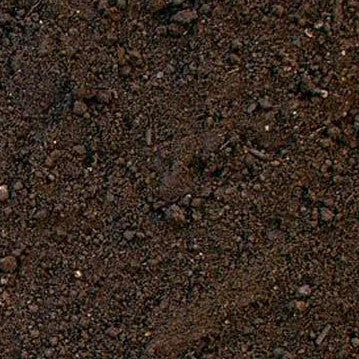
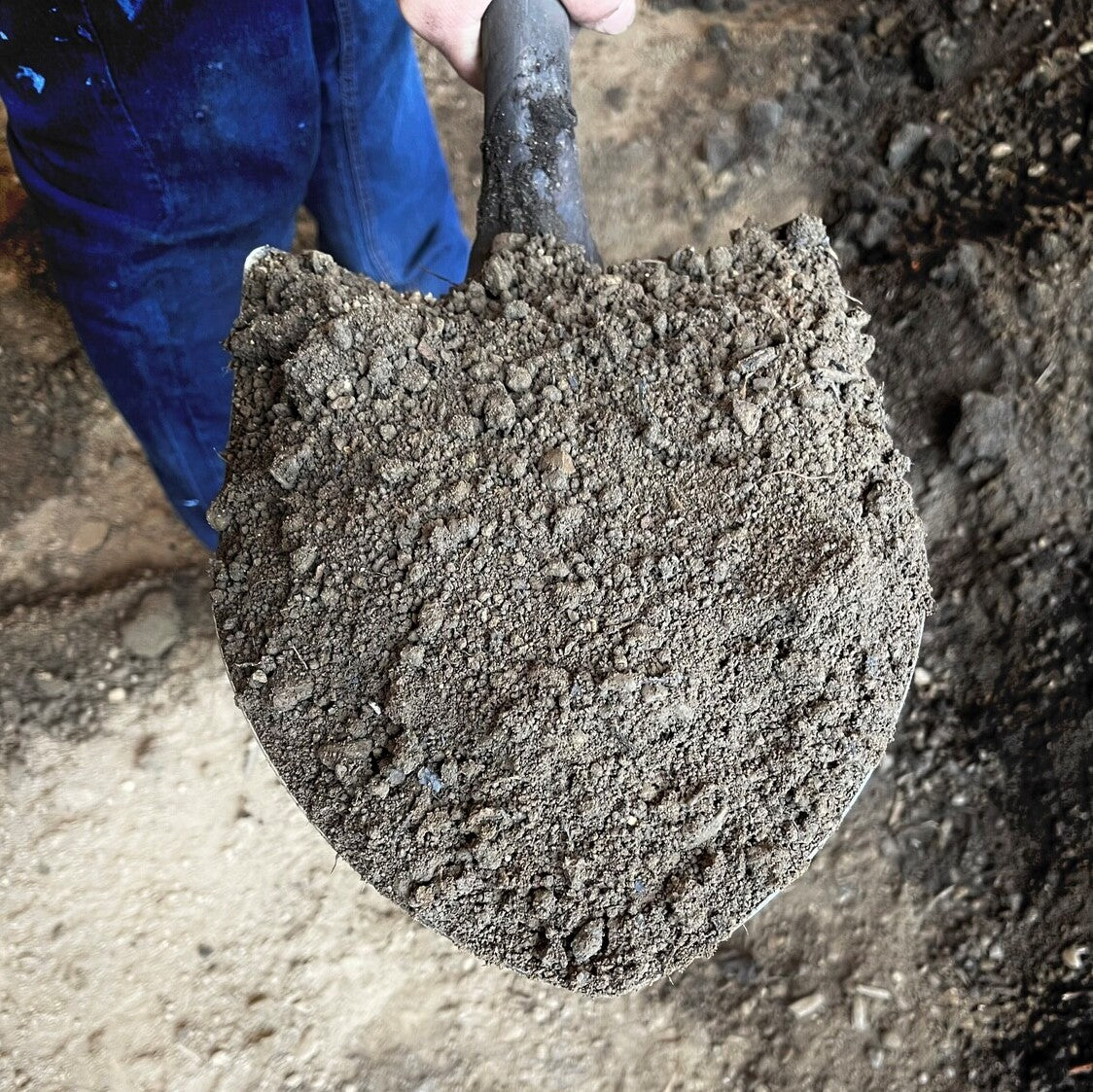

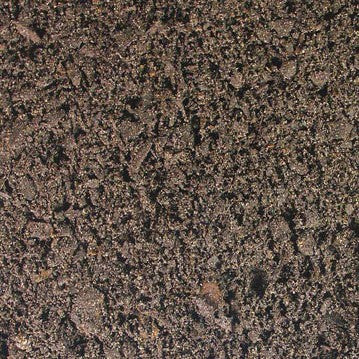
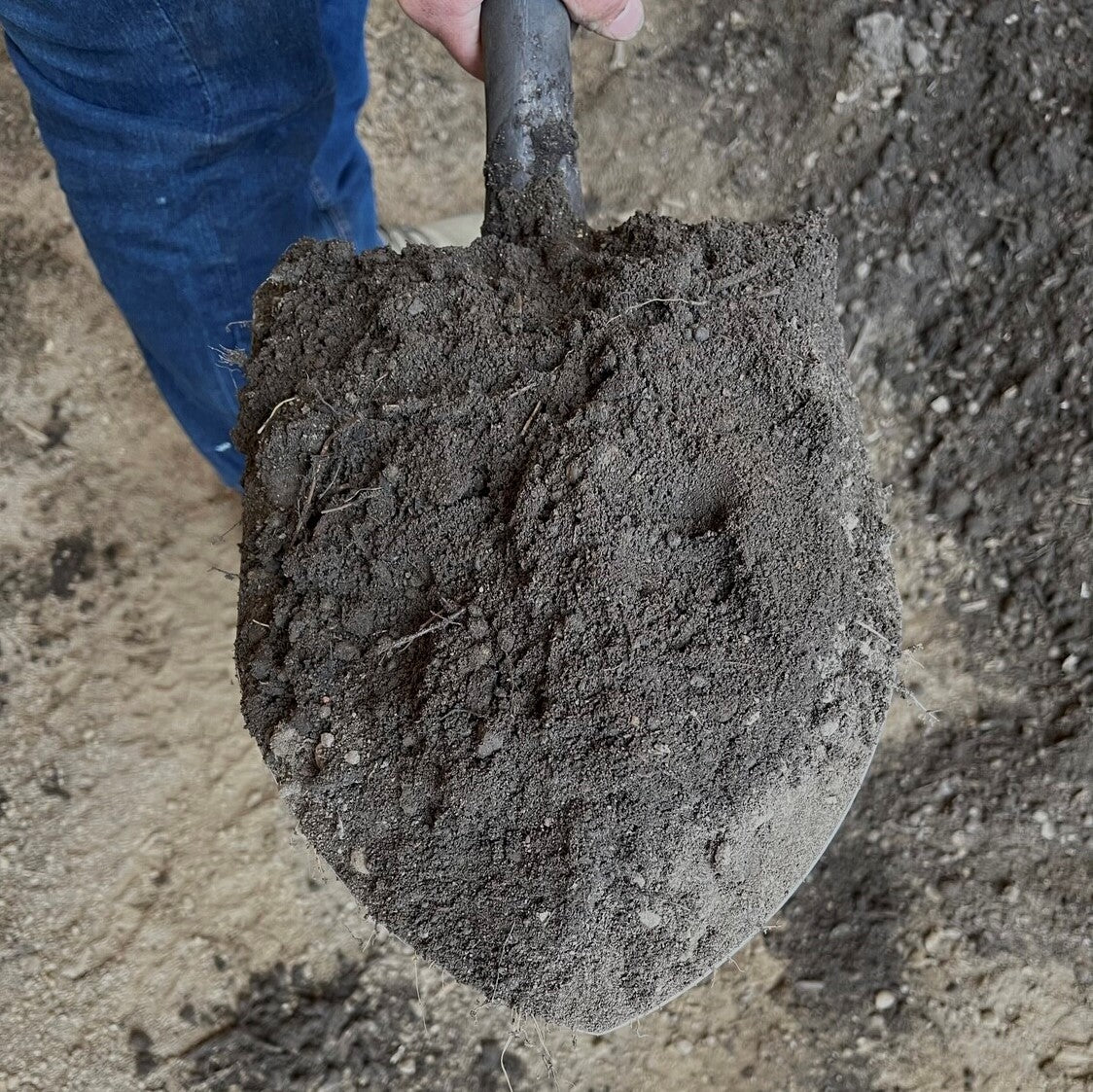


I needed 3 yards of top soil and that's what I got! Right on time and right where I asked it to be placed (Order# 2041).
About this soil
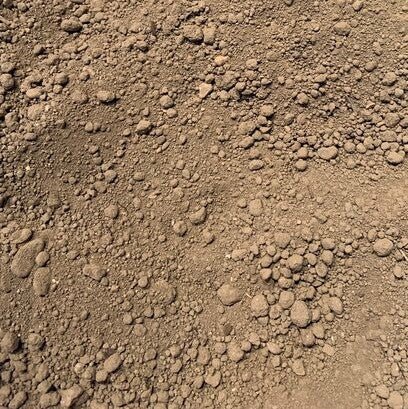
Screened topsoil with a fine, even texture. Ideal for new lawns, sod prep, and raised garden beds.
I needed 3 yards of top soil and that's what I got! Right on time and right where I asked it to be placed (Order# 2041).
Tell us what you're looking for
Thanks! We received your request.
Something went wrong. Please try again.
How Much Material Do I Need?
How Much Material Do I Need?
For new lawns figure four to six inches of topsoil, for raised vegetable beds fill the full box depth of ten to twelve inches, and for topdressing established Coeur d'Alene turf a quarter to half inch of compost is plenty.
Use our free soil calculator
What is a Yard?
What is a Yard?
FAQs
FAQs
Coeur d'Alene Soil Delivery
Coeur d'Alene Soil Delivery
Regular price
$41.00
per
Yard
Regular price
Sale price
$41.00
Unit price
per
Shipping calculated at checkout.
Minimum of 3 Yard
Couldn't load pickup availability
Not currently available
We can't take orders for this right now. Tell us what you need and we'll get back to you.
Hand-picked local yards
4,000+ regional deliveries
Dedicated support
Why order through Mulch Mound
The best local , without the guesswork.
We hand-pick and partner with the best yards in your region, keep only the ones our buyers rate well, and back each load with our guarantee.
Mulch Mound Guarantee
If your isn't the quantity or quality you ordered, we'll make it right.
About this soil
Screened topsoil with a fine, even texture. Ideal for new lawns, sod prep, and raised garden beds.
I needed 3 yards of top soil and that's what I got! Right on time and right where I asked it to be placed (Order# 2041).
How Much Material Do I Need?
How Much Material Do I Need?
For new lawns figure four to six inches of topsoil, for raised vegetable beds fill the full box depth of ten to twelve inches, and for topdressing established Coeur d'Alene turf a quarter to half inch of compost is plenty.
Use our free soil calculator
What is a Yard?
What is a Yard?
FAQs
FAQs
Tell us what you're looking for
Thanks! We received your request.
Something went wrong. Please try again.
How It Works
Getting started is easy — just follow these simple steps
1
Choose your soil
Make sure you adjust the quantity to your home's needs. You can use our calculator to estimate how much you'll need.
2
Select your delivery date
Select a delivery date you'd like for the product to be dropped off at your home
3
Sit back and wait
Sit back, wait, and let us work our magic to make sure the highest quality product is delivered to your driveway.

Highest compliments. Great driver.
Website is easy to navigate. Just a seamless process. 5 stars!!

Need Help Calculating How Much Soil You Need?
Use our NEW Trace from Satellite tool to get an estimate for your project based on an aerial view of your property
Try Our CalculatorMeasure length and width in feet for each area, then decide your target depth in inches before you calculate. One cubic yard covers 100 square feet at three inches deep, or about 55 square feet at six inches. Soil settles more than mulch, so order roughly fifteen percent extra for anything you are filling.
Complete Your Outdoor Soil Project
Finish with compost worked into the top few inches, then cap planting beds with mulch to keep that new soil from crusting during the dry Panhandle summer.
Mulch Mound Pro Tip
Never spread topsoil over compacted ground without breaking it up first. On Coeur d'Alene lots the transition between fresh loam and packed subsoil forms a barrier, and roots turn sideways instead of going down. Rip or till the existing surface three to four inches deep, then blend your first inch of new soil into it. The result drains through the profile instead of perching water above the hardpan every April.
Mulch Mound Pro Tip
Build raised beds a bit taller than you think you need. Our silt loam stays cold and saturated into May, and a bed raised twelve to sixteen inches warms weeks earlier, which matters enormously when your frost free window closes around October 8. That extra height also drains freely during snowmelt, keeping garlic, strawberries, and overwintering perennials from rotting out during the wet Panhandle spring.
Mulch Mound Pro Tip
Add compost every year, not once. Coeur d'Alene's cool winters slow decomposition, but the organic matter you add still burns off through the growing season, and silt loam re compacts quickly under irrigation and foot traffic. A half inch topdress each fall keeps soil structure open, feeds earthworms, and steadily raises water holding capacity so beds coast through the dry August stretch.
The Unique Landscape of Coeur d'Alene
Native ground around Coeur d'Alene is silt loam, which is naturally fertile but fine textured and prone to compacting into a dense pan, especially on lots scraped flat during construction. New subdivisions from Riverstone out to the Prairie often leave homeowners with subsoil and construction fill rather than the good topsoil that was hauled off. Bringing in quality garden soil and compost is how you rebuild a root zone deep enough to carry plants through the dry stretch from July to September. At 2,247 feet with a growing season running roughly May 5 to October 8, plants have limited time to establish, so they need soil that drains and warms quickly in spring. Blended soil also raises beds above the saturated conditions that follow snowmelt on flatter Panhandle lots.