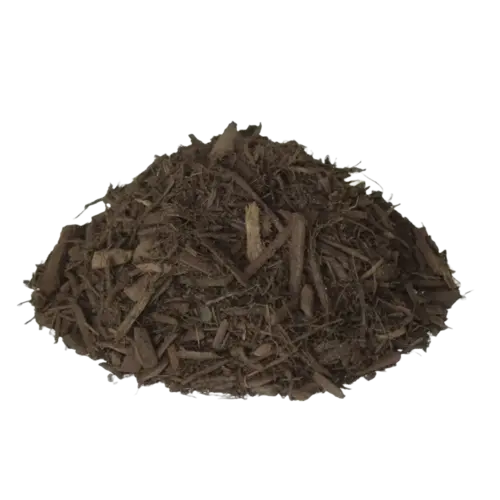
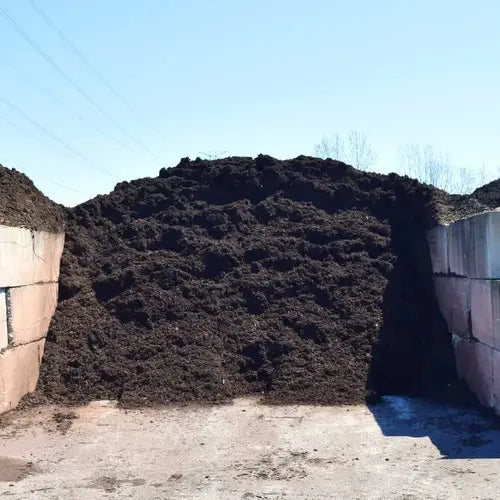
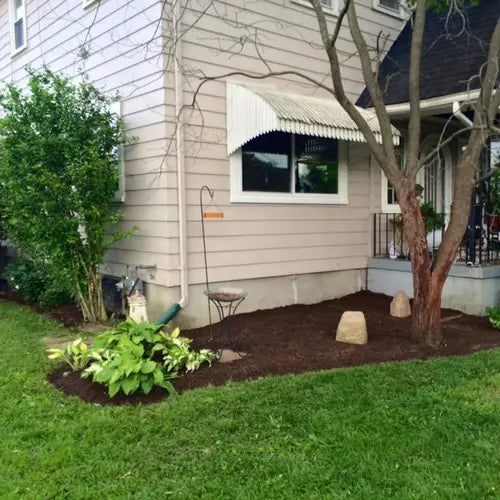
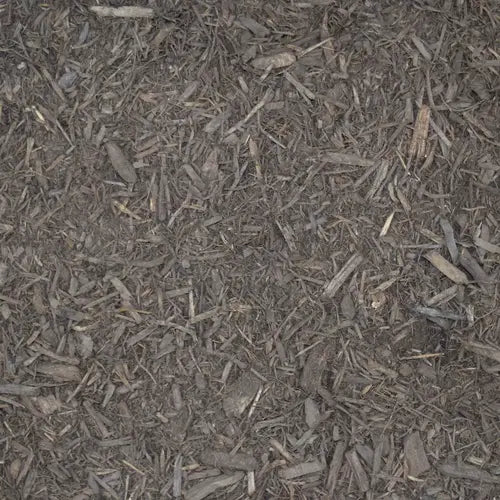
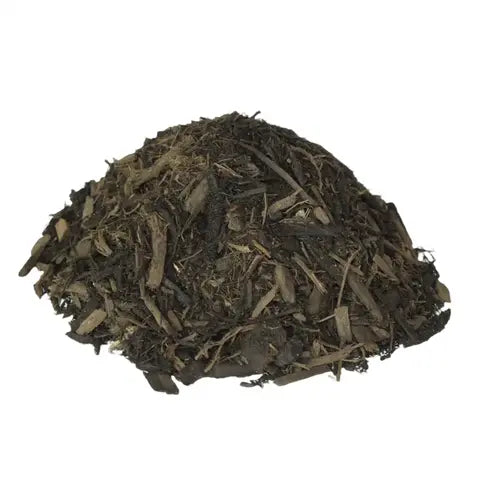
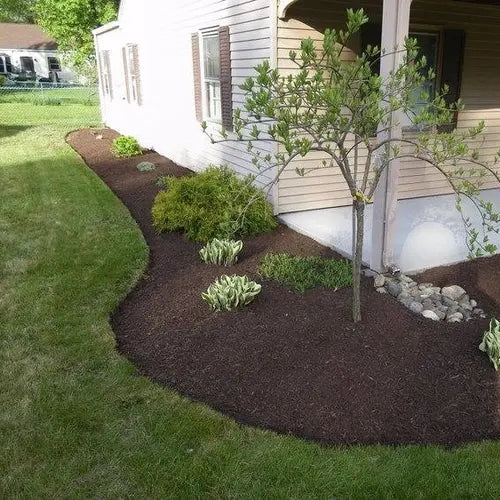
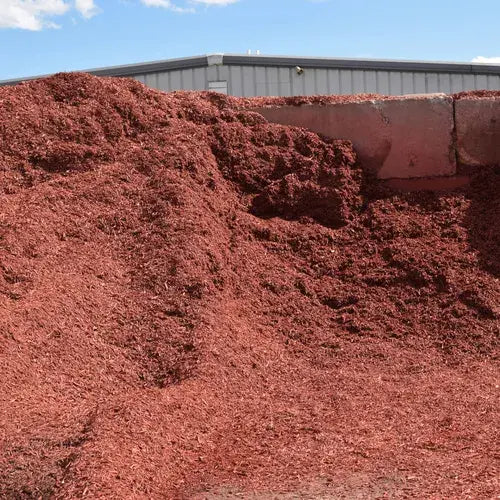
Warm brown double shredded mulch with lasting color that looks freshly applied for weeks. Spreads smooth, stays put, and gives beds a natural, polished appearance.
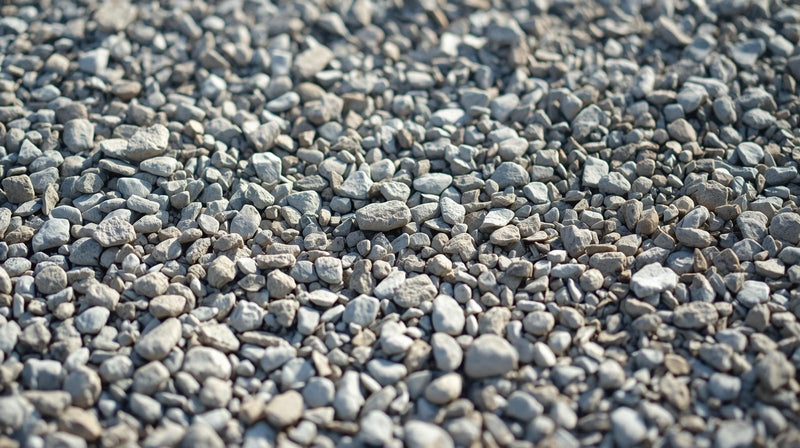
Mulch Mound delivered a yard of pea gravel to us. Delivery was on time, driver was friendly and hit a bullseye on the “tarp target”. We used the pea gravel (which was diameter as specified) to fill several muskrat holes around our pond. I would definitely recommend Mulch Mo...
Tell us what you're looking for
Thanks! We received your request.
Something went wrong. Please try again.
How Much Material Do I Need?
For most Columbia planting beds with silt loam soil, 2 to 3 inches of mulch provides effective weed suppression and moisture retention without compacting the root zone. Slopes and high-traffic areas near downspouts may benefit from a slightly deeper layer to account for Columbia's heavier spring rain events washing material downhill.
Use our free mulch calculator
What is a yard?
A yard is approximately 27 cubic feet. As a general guideline, one yard of material can cover an area of about 100-160 square feet at a 2-3 inch depth.
We can't take orders for this right now. Tell us what you need and we'll get back to you.
What do you need?
Thanks! We received your request.
Something went wrong. Please try again.
Hand-picked local yards
4,000+ regional deliveries
Dedicated support
Why order through Mulch Mound
The best local mulch, without the guesswork.
We hand-pick and partner with the best yards in your region, keep only the ones our buyers rate well, and back each load with our guarantee.
Mulch Mound Guarantee
If your mulch isn't the quantity or quality you ordered, we'll make it right.
About this mulch
Warm brown double shredded mulch with lasting color that looks freshly applied for weeks. Spreads smooth, stays put, and gives beds a natural, polished appearance.
Mulch Mound delivered a yard of pea gravel to us. Delivery was on time, driver was friendly and hit a bullseye on the “tarp target”. We used the pea gravel (which was diameter as specified) to fill several muskrat holes around our pond. I would definitely recommend Mulch Mo...
How Much Material Do I Need?
For most Columbia planting beds with silt loam soil, 2 to 3 inches of mulch provides effective weed suppression and moisture retention without compacting the root zone. Slopes and high-traffic areas near downspouts may benefit from a slightly deeper layer to account for Columbia's heavier spring rain events washing material downhill.
Use our free mulch calculator
What is a yard?
A yard is approximately 27 cubic feet. As a general guideline, one yard of material can cover an area of about 100-160 square feet at a 2-3 inch depth.
Mulch Mound delivered a yard of pea gravel to us. Delivery was on time, driver was friendly and hit a bullseye on the “tarp target”. We used the ...
Read full review
Mulch Mound delivered a yard of pea gravel to us. Delivery was on time, driver was friendly and hit a bullseye on the “tarp target”. We used the pea gravel (which was diameter as specified) to fill several muskrat holes around our pond. I would definitely recommend Mulch Mound to a friend!
I can’t say enough good things about Mulch Mound! If you read my review below you will see I had a problem with my order. Mulch Mou...
Read full review
UPDATE!
I can’t say enough good things about Mulch Mound! If you read my review below you will see I had a problem with my order. Mulch Mound was quick to respond and solved the issue with my delivery. Will definitely be a customer next year.
First time purchase from Mulch Mound!! First what I liked! Easy to order online and straight forward pricing and delivery. The driver was on time and courteous and delivered my Mulch exactly where I requested! The product is of good quality and comparable to others I have purchased from before. Now what I DID’NT LIKE! I have been mulching the same house and yard for almost 20 years. I always order the same amount and don’t have any issues with covering the same area but this year I fell about a yard short. I was home when the mulch was delivered and when the driver dumped it I noticed that it seemed a bit less than I was used to. I didn’t apply it any thicker than usual and probably a bit thinner than usual because I was worried about running out.
Start by measuring the length and width of each planting bed in feet, then multiply those numbers together to get square footage. For Columbia's silt loam beds, a 3-inch depth is standard, so divide your total square footage by 108 to get the cubic yards you need. If your yard has several irregular-shaped beds, sketch each one out, calculate them separately, and add the results before placing your order.
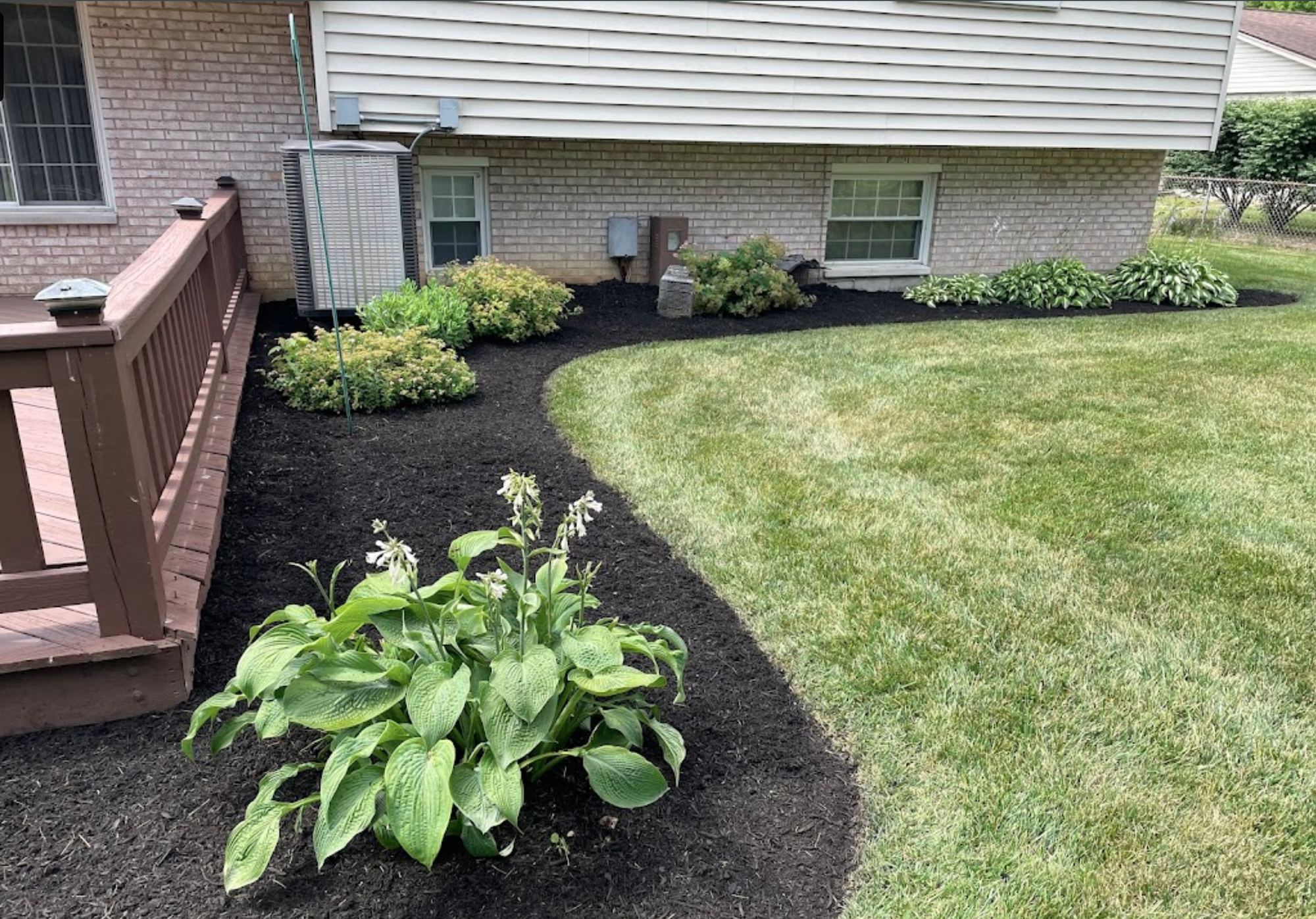
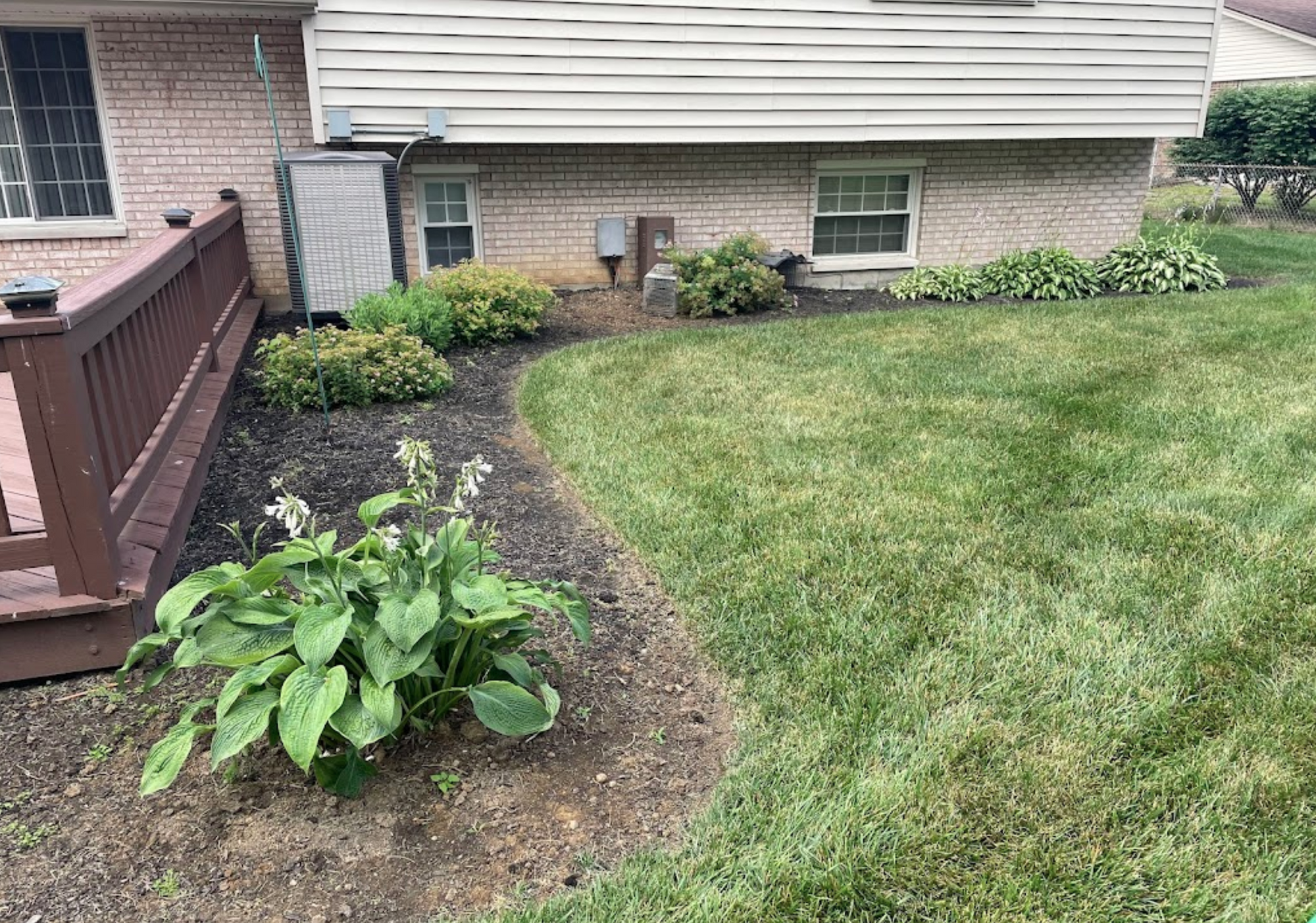
Mulch vs. No Mulch: The Difference
Columbia's Zone 7a climate delivers enough summer heat and steady rainfall to accelerate the breakdown of organic mulch, which means both natural and dyed options decompose at a faster rate here than in cooler northern zones. Natural hardwood and wood chip mulches break down into beneficial organic matter that improves Columbia's silt loam soil structure over multiple seasons. Dyed mulches use colorfast pigments that can hold their appearance through one full season in Columbia, but the area's high annual rainfall means visible fading is common by year two without a refresh.
Before
After
Best Mulch Choice for Columbia Lawns
Most yards in the Columbia area sit on Silt Loam type of soil. Columbia's silt loam soil is naturally fine-textured and prone to compacting when left unprotected, which makes choosing the right mulch more than just an aesthetic decision for local homeowners.
Hardwood Mulch
Shredded hardwood mulch is a strong match for Columbia's silt loam beds because as it breaks down, it contributes organic matter that improves soil aggregation, reduces compaction, and makes that fine-textured native soil more resilient through Columbia's wet springs and dry midsummer stretches.
Mulch Types We Deliver in Columbia
Mulch Mound delivers bulk mulch by the cubic yard to homes and properties throughout southwestern Illinois, making bulk mulch delivery in Columbia simple and affordable. We carry a range of mulch varieties suited to the warm, humid summers and clay-heavy soils common in this part of the region.
Dyed Black Mulch
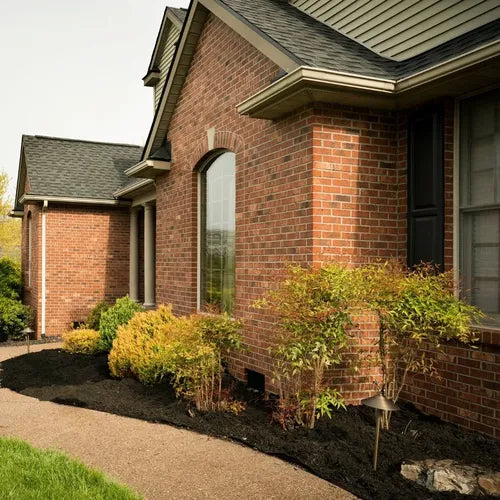
Double shredded and dyed a deep, lasting black, this variety creates a sharp contrast against green plants and colorful perennials. It holds its color well through the warm, humid summers typical of southwestern Illinois. A popular choice for homeowners who want clean, polished beds with bold curb appeal.
Dyed Brown Mulch
This warm brown double shredded mulch blends with the earthy tones common in southwestern Illinois landscapes. The color stays vibrant for weeks and spreads evenly across beds of any size. A practical choice for homeowners wanting a natural look with the consistency of a dyed product.
Natural Brown Mulch
An undyed double shredded option with an honest earthy tone straight from the wood itself. It integrates well with native plantings and mixed borders common in Columbia area yards, and it breaks down over time to improve the clay soils typical of this region.
Cedar Mulch
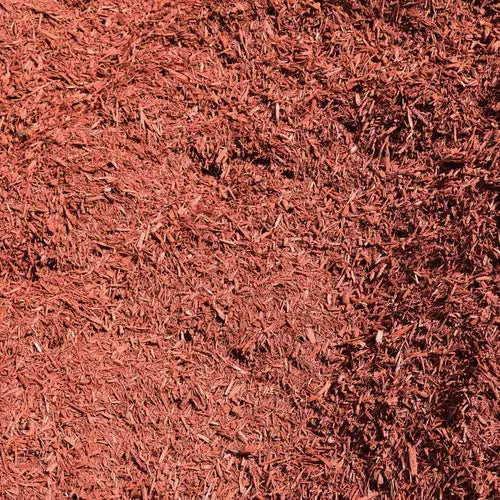
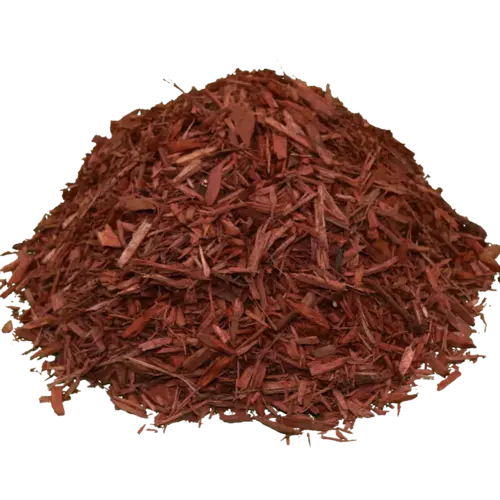
Double shredded cedar brings natural insect repelling qualities that appeal to homeowners throughout the region. The light reddish brown color weathers gracefully and holds up through seasonal rain and heat. A smart pick for foundation plantings, borders, and any bed where longevity and pest deterrence matter.
Complete Your Outdoor Mulch Project
If your beds need a soil refresh before mulching, our bulk topsoil and garden soil blends can improve the silt loam base before you top-dress with mulch. Decorative stone is also a great companion product for edging beds or creating low-maintenance pathways between mulched areas on Columbia properties.
Columbia's silt loam forms a tight surface crust after heavy rainstorms, which can make it hard for water and air to reach plant roots even when beds look damp on top. Before laying fresh mulch in spring, loosen the top inch or two of soil with a hand cultivator. This simple step dramatically improves the benefit of mulching in local conditions and helps water from Columbia's spring rains reach roots rather than running off the sealed surface.
Mulch Mound Pro Tip
In Columbia, the growing season stretches from early April through late October, which means mulch endures a long run of UV exposure and temperature swings. Pull back your mulch layer in mid-season and check the soil moisture beneath it. If the silt loam feels powdery or cracked under the mulch during a dry July stretch, add a half-inch top-dressing to restore the insulating layer without piling too much material near plant stems.
Mulch Mound Pro Tip
Columbia receives about 39 inches of rain annually, with a good portion falling during intense spring storms that can push mulch out of beds and into lawn edges or drainage paths. Use a flat spade to cut a clean 3- to 4-inch edge around your beds before spreading mulch each season. That small trench acts as a catch lip, keeping your mulch in place during heavy downpours and reducing the time you spend raking it back into position after storms.
Frequently Asked Questions
Click a question to see the answer
Answer
How much mulch do I need for my flower beds in Columbia?
A 3-inch layer is the sweet spot for Columbia beds. That depth is enough to suppress weeds and hold moisture in silt loam soil without smothering plant crowns. Measure the square footage of each bed and divide by 108 to get the cubic yards you need. If your beds have curves or irregular shapes, break them into sections and add the totals together.
Answer
Will mulch help with the heavy rains we get here in Columbia?
Yes, and this is one of the strongest reasons to mulch in Columbia specifically. With roughly 39 inches of rainfall per year, the silt loam surface can seal over after downpours, causing water to run off instead of soaking in. Mulch slows that runoff, allows water to filter gradually into the soil, and significantly reduces erosion in sloped or exposed beds.
Answer
When is the best time to put down fresh mulch in Columbia, IL?
The most effective window is right after the last frost, which typically falls around April 7 in Columbia. Applying mulch then helps retain soil warmth and moisture as plants begin their spring push. A second application in early October, ahead of the average October 28 first frost, helps insulate roots going into winter and reduces freeze-thaw heaving in shallow-rooted plants.
Answer
Does dyed mulch fade faster here because of Columbia's weather?
Color fading is driven by UV exposure and rainfall, and Columbia's combination of sunny summers and 39 inches of annual rain can cause dyed mulches to lose vibrancy within one season. Natural hardwood mulches tend to weather more gracefully to an earthy gray-brown tone. If color retention is a priority, plan on a fresh top-dressing each spring to keep beds looking sharp.
Answer
I have silt loam soil all over my yard. Does it matter what type of mulch I choose?
It does matter. Silt loam compacts easily and benefits most from organic mulches like shredded hardwood that break down over time and add structure to the soil. As hardwood mulch decomposes, it feeds beneficial microbes that help keep silt loam aerated and less prone to the surface crusting that Columbia's frequent rain events cause on unprotected beds.
Answer
How deep should I go with mulch near my foundation in Columbia?
Keep foundation beds at 2 to 3 inches deep and pull the mulch back several inches from the structure itself. Columbia's silt loam holds moisture well, and piling mulch against a foundation traps excess moisture from the area's frequent spring rains, which can lead to long-term problems with wood, brick, and below-grade materials.
Answer
Is it worth mulching in the fall before the first frost hits in Columbia?
Absolutely. Applying mulch before the October 28 average first frost in Columbia gives perennial roots an extra layer of insulation through winter. Silt loam soils do not drain as rapidly as sandier soils, so a mulch layer also helps moderate the freeze-thaw cycles that can heave shallow-rooted plants out of the ground before spring returns.
The Unique Landscape of Columbia
Columbia's silt loam soil is naturally prone to surface crusting after heavy rains, which cuts off oxygen to plant roots and gives weed seeds an easier foothold. With 39 inches of rainfall spread across the year, bare soil in planting beds gets hammered by rain drops that compact the surface and flush nutrients downhill. A proper layer of mulch acts as a buffer, keeping that silt loam loose and workable beneath the surface where it counts. Columbia's Zone 7a growing season runs from the last frost around April 7 through the first frost near October 28, giving plants a long stretch of summer heat that accelerates soil moisture loss. Mulch is the most practical tool Columbia homeowners have for reducing watering frequency and keeping roots insulated during the cold snaps that arrive in late October. Maintaining mulched beds year-round also helps manage the wide temperature swings this part of southwestern Illinois experiences between winter lows and summer highs.