



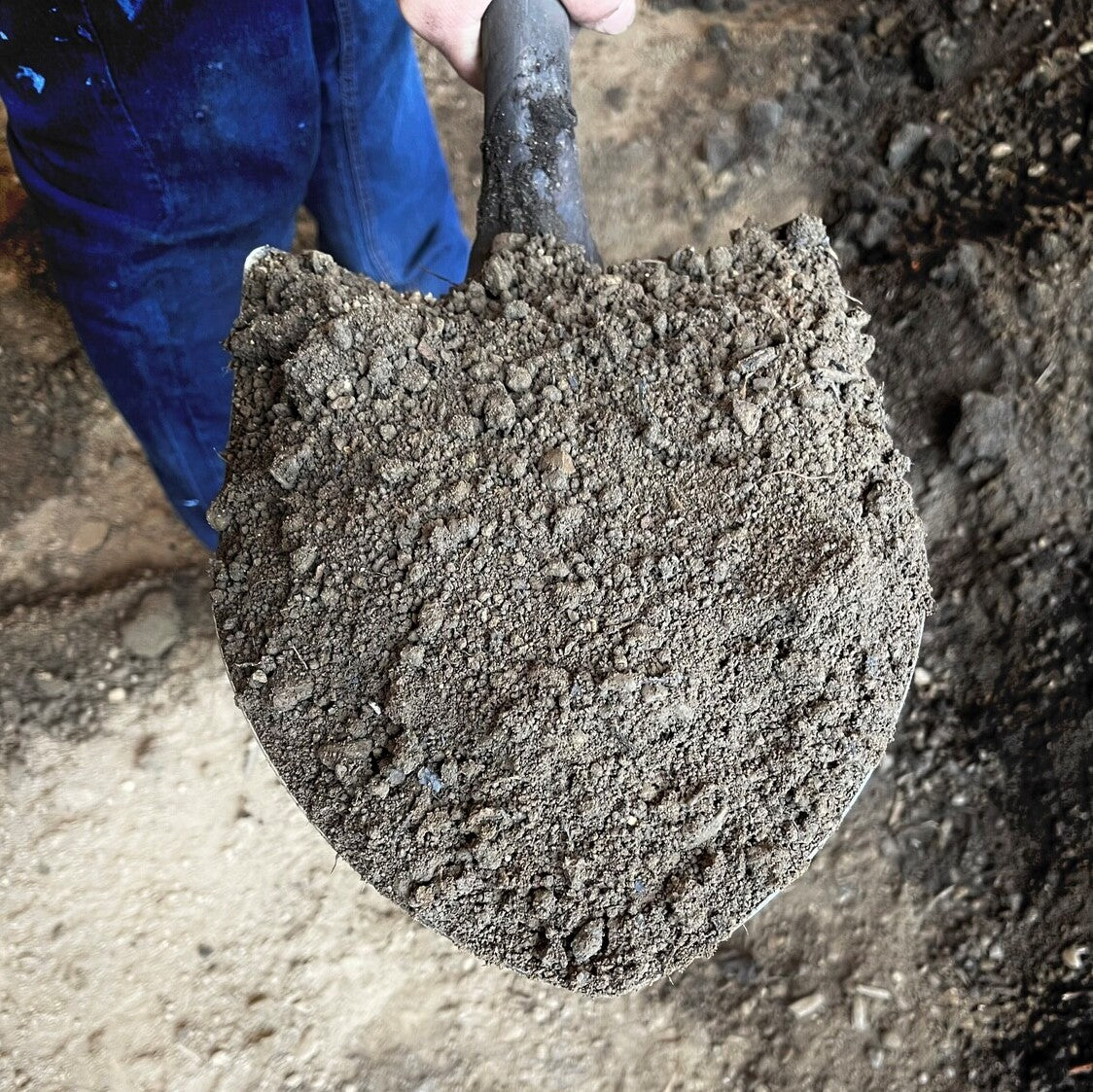


Very happy with the ease of ordering. Delivery went exactly as planned. Garden soil looks great and couldn’t be happier.
About this soil
Quality topsoil for lawns, gardens, and landscape projects. Nutrient rich and ready to support strong root development and healthy plant establishment.
Very happy with the ease of ordering. Delivery went exactly as planned. Garden soil looks great and couldn’t be happier.
Tell us what you're looking for
Thanks! We received your request.
Something went wrong. Please try again.
How Much Material Do I Need?
How Much Material Do I Need?
For lawn leveling in Columbia's silt loam yards, a 1- to 2-inch application is usually sufficient to fill low spots without burying existing grass crowns. Raised beds and new planting areas typically need 10 to 12 inches of quality soil to give roots a productive growing zone well above the compacted native layer beneath.
Use our free soil calculator
What is a yards?
What is a yards?
FAQs
FAQs
Columbia Soil Delivery
Columbia Soil Delivery
Regular price
$54.00
per
yards
Regular price
Sale price
$54.00
Unit price
per
Shipping calculated at checkout.
Minimum of 3 yards
Couldn't load pickup availability
Not currently available
We can't take orders for this right now. Tell us what you need and we'll get back to you.
Hand-picked local yards
4,000+ regional deliveries
Dedicated support
Why order through Mulch Mound
The best local soil, without the guesswork.
We hand-pick and partner with the best yards in your region, keep only the ones our buyers rate well, and back each load with our guarantee.
Mulch Mound Guarantee
If your soil isn't the quantity or quality you ordered, we'll make it right.
About this soil
Quality topsoil for lawns, gardens, and landscape projects. Nutrient rich and ready to support strong root development and healthy plant establishment.
Very happy with the ease of ordering. Delivery went exactly as planned. Garden soil looks great and couldn’t be happier.
How Much Material Do I Need?
How Much Material Do I Need?
For lawn leveling in Columbia's silt loam yards, a 1- to 2-inch application is usually sufficient to fill low spots without burying existing grass crowns. Raised beds and new planting areas typically need 10 to 12 inches of quality soil to give roots a productive growing zone well above the compacted native layer beneath.
Use our free soil calculator
What is a yards?
What is a yards?
FAQs
FAQs
Tell us what you're looking for
Thanks! We received your request.
Something went wrong. Please try again.
How It Works
Getting started is easy — just follow these simple steps
1
Choose your soil
Make sure you adjust the quantity to your home's needs. You can use our calculator to estimate how much you'll need.
2
Select your delivery date
Select a delivery date you'd like for the product to be dropped off at your home
3
Sit back and wait
Sit back, wait, and let us work our magic to make sure the highest quality product is delivered to your driveway.

Really appreciate the care and follow thru that this company had with our order. A hiccup came up but they were quick to respond and address all co...
Read full review
Really appreciate the care and follow thru that this company had with our order. A hiccup came up but they were quick to respond and address all concerns, which made our garden day a success! Thank you for your prompt care.

Highest compliments. Great driver.
Website is easy to navigate. Just a seamless process. 5 stars!!
Need Help Calculating How Much Soil You Need?
Use our NEW Trace from Satellite tool to get an estimate for your project based on an aerial view of your property
Try Our CalculatorMeasure your project area in feet and multiply length by width to get square footage. Then decide on your target depth, typically 2 to 4 inches for lawn leveling and 10 to 12 inches for raised beds in Columbia. Multiply square footage by depth in feet and divide by 27 to convert to cubic yards. For silt loam yards that tend to settle after installation, ordering a 10 to 15 percent overage is a smart buffer to avoid running short mid-project.
Soil Types We Deliver in Columbia
Mulch Mound delivers bulk soil by the cubic yard to homes and landscapes throughout this part of southwestern Illinois, offering a cleaner alternative to hauling bags from the store. Homeowners searching for bulk topsoil by the yard in Columbia or a quality soil amendment for garden beds will find everything they need in our lineup, measured by the yard and delivered fresh.
Screened Top Soil
Our screened topsoil is passed through a fine mesh to produce a smooth, uniform texture that spreads without clumps or debris. It is the most popular choice for new lawn installs, sod prep, and raised garden beds where the region's heavy native clay benefits from a clean, workable topdressing.
Planting Mix
This blend combines topsoil and compost into a balanced growing medium with built-in organic matter and reliable drainage. It is ready to use straight from delivery for raised beds, new garden installs, and tree planting, saving homeowners in southwestern Illinois the extra step of sourcing and mixing amendments separately.
Garden Compost
A nutrient-rich organic amendment that breaks down into dark, crumbly material and steadily improves soil structure over time. Local gardeners work it into vegetable beds, compacted ground, and new plantings to build lasting fertility and set plants up well heading into the region's warm, humid growing season.
Complete Your Outdoor Soil Project
Pair your soil order with a delivery of shredded hardwood mulch to top-dress finished beds and protect new soil from compaction during Columbia's spring rains. Decorative stone edging is also a great addition to define raised bed borders and keep soil from migrating into surrounding lawn areas, especially on Columbia properties with natural grade changes.


Service area
Areas we deliver soil in Columbia, Illinois
- Arnold, Missouri
- Barnhart, Missouri
- Belleville, Illinois
- Brentwood, Missouri
- Cahokia, Illinois
- Collinsville, Illinois
- Concord, Missouri
- De Soto, Missouri
- Des Peres, Missouri
- East St. Louis, Illinois
- Eureka, Missouri
- Fairview Heights, Illinois
- Festus, Missouri
- Glendale, Missouri
- Ladue, Missouri
- Lemay, Missouri
- Maplewood, Missouri
- Mascoutah, Illinois
- Mehlville, Missouri
- Murphy, Missouri
- O'Fallon, Illinois
- Oakville, Missouri
- Olivette, Missouri
- Pevely, Missouri
- Richmond Heights, Missouri
- Sappington, Missouri
- Shiloh, Illinois
- Shrewsbury, Missouri
- Sunset Hills, Missouri
- Swansea, Illinois
- Valley Park, Missouri
- Waterloo, Illinois
Mulch Mound Pro Tip
Columbia's silt loam does not drain as quickly as sandy soils, so when building raised beds or planting areas on top of native soil, work in a transition layer. Loosen the top 4 to 6 inches of the existing silt loam before adding new soil on top. This breaks up the compaction layer and prevents new soil from sitting in a perched water zone after Columbia's frequent spring rain events soak the ground.
Mulch Mound Pro Tip
Timing your soil delivery around Columbia's frost calendar can save considerable effort. Ordering soil in the two weeks following the April 7 last frost date means the ground is no longer frozen but still moist enough to work easily. Spreading and seeding in that same window gives grass and transplants the longest possible growing run before summer heat arrives, which in Columbia's Zone 7a can push daytime highs well into the 90s by July.
Mulch Mound Pro Tip
Columbia's 39 inches of annual rainfall is enough to leach nutrients out of bare topsoil before plants can use them. If you are filling a new bed in the fall with plans to plant in spring, cover the fresh soil with a layer of mulch or a cover crop like winter rye immediately after spreading. This step protects the nutrient content of your new soil through the winter rain season and reduces the amendments you will need to add come April.
The Unique Landscape of Columbia
Columbia's native silt loam soil is a mixed blessing for homeowners. It holds nutrients reasonably well, but its fine texture makes it vulnerable to compaction from foot traffic, mowing equipment, and the heavy rainfall Columbia receives across the year. When silt loam compacts, grass roots struggle to penetrate, vegetable gardens underperform, and water tends to pool on the surface rather than absorb into the ground. Bringing in quality bulk topsoil or garden soil lets Columbia homeowners build raised beds, level uneven lawn areas, and create properly draining planting zones without fighting the native soil's limitations. The growing season here runs from the last frost around April 7 through the first frost near October 28, giving plants a solid window to establish if they are started in well-prepared, loose soil. Whether you are prepping vegetable beds, filling low spots in the lawn, or grading around a new structure, the right soil blend makes every project more successful on Columbia properties.