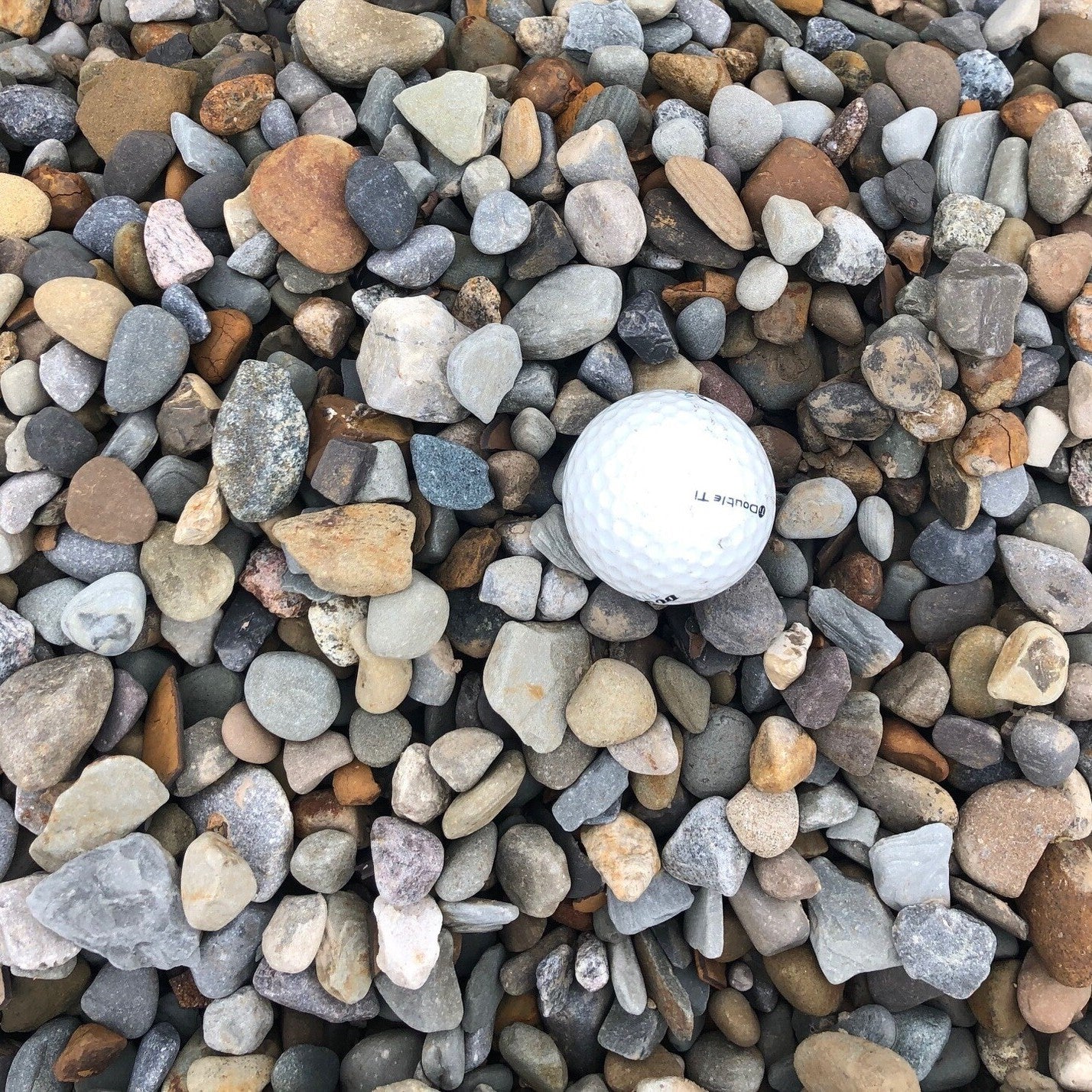
Number 57 crushed stone, angular limestone graded to about three quarters of an inch. The standard driveway, base and drainage gravel, it locks together under traffic and drains fast.
I contacted Mulch Mound for #57 river rocks and it was easy and fast to get a delivery right before the holiday weekend. Stone was delivered as promised and place exactly where I asked. Excellent service! I will be ordering mulch next!
Tell us what you're looking for
Thanks! We received your request.
Something went wrong. Please try again.
How Much Material Do I Need?
For decorative ground cover and pathway applications in Columbia, a 3-inch depth provides good stability and weed suppression over the native silt loam soil. Drainage applications along swales or downspout splash zones benefit from a 4- to 6-inch depth to handle the volume of water Columbia's rain events can push through a confined area in a short period of time.
Use our free gravel calculator
What is a yard?
A yard is approximately 27 cubic feet. As a general guideline, one yard of material can cover an area of about 100-160 square feet at a 2-3 inch depth.
We can't take orders for this right now. Tell us what you need and we'll get back to you.
What do you need?
Thanks! We received your request.
Something went wrong. Please try again.
Hand-picked local yards
4,000+ regional deliveries
Dedicated support
Why order through Mulch Mound
The best local stone, without the guesswork.
We hand-pick and partner with the best yards in your region, keep only the ones our buyers rate well, and back each load with our guarantee.
Mulch Mound Guarantee
If your stone isn't the quantity or quality you ordered, we'll make it right.
About this stone
Number 57 crushed stone, angular limestone graded to about three quarters of an inch. The standard driveway, base and drainage gravel, it locks together under traffic and drains fast.
I contacted Mulch Mound for #57 river rocks and it was easy and fast to get a delivery right before the holiday weekend. Stone was delivered as promised and place exactly where I asked. Excellent service! I will be ordering mulch next!
How Much Material Do I Need?
For decorative ground cover and pathway applications in Columbia, a 3-inch depth provides good stability and weed suppression over the native silt loam soil. Drainage applications along swales or downspout splash zones benefit from a 4- to 6-inch depth to handle the volume of water Columbia's rain events can push through a confined area in a short period of time.
Use our free gravel calculator
What is a yard?
A yard is approximately 27 cubic feet. As a general guideline, one yard of material can cover an area of about 100-160 square feet at a 2-3 inch depth.
I contacted Mulch Mound for #57 river rocks and it was easy and fast to get a delivery right before the holiday weekend. Stone was delivered as pro...
Read full review
I contacted Mulch Mound for #57 river rocks and it was easy and fast to get a delivery right before the holiday weekend. Stone was delivered as promised and place exactly where I asked. Excellent service! I will be ordering mulch next!
Measure the length and width of your stone project area in feet, then multiply for total square footage. For pathways and ground cover, plan on 3 to 4 inches of depth, which in Columbia accounts for the silt loam's tendency to soften during wet periods and allows for a stable finished surface that holds up through winter. Multiply square footage by your depth in feet and divide by 27 to get the cubic yards to order.
Stone Types We Deliver in Columbia
Mulch Mound delivers bulk stone by the cubic yard straight to Columbia homes and properties, so you skip the hardware store runs and get exactly what your project needs. Whether you are searching for bulk gravel by the yard in Columbia or planning a larger landscape overhaul, we bring the material right to your driveway or job site. Our delivery area covers Columbia and the surrounding Monroe County communities, making it easy to tackle any outdoor project from start to finish.
Pea Gravel
Smooth and rounded, pea gravel is a natural fit for the clay-heavy soils common in this part of southwestern Illinois, where good drainage makes a real difference. Its warm earth tones complement the brick and neutral-sided homes typical of Columbia neighborhoods. Use it for garden pathways, patio borders, or decorative ground cover around trees and shrubs.
Complete Your Outdoor Stone Project
Combine your stone order with bulk topsoil to grade the area properly before setting stone, which ensures the right drainage slope on Columbia's sometimes uneven terrain. Adding a border of mulched beds alongside stone pathways creates a finished, layered look that works well with the silt loam soil conditions common across Columbia properties.
Before spreading stone on any area in Columbia, spend time grading the soil surface so it slopes gently away from structures or toward your intended drainage path. Silt loam can look level but hide subtle low spots that collect water after rain. Setting stone over a properly graded surface means Columbia's frequent spring rains drain where you intend them to go, rather than pooling beneath the stone and saturating the base layer over multiple seasons.
Mulch Mound Pro Tip
Columbia's freeze-thaw winters can cause smaller decorative stones to gradually migrate and mix with the soil surface over multiple seasons. Installing a high-quality woven landscape fabric under your stone layer before spreading helps prevent this mixing. It keeps the stone above and the silt loam below properly separated, reducing the maintenance needed to keep your stone areas looking sharp and clean after several winters of temperature cycling.
Mulch Mound Pro Tip
If you are using stone near any planting beds in Columbia, consider how each stone type handles the area's 39 inches of annual rainfall before making a selection. Rounded river rock allows water to flow through and around it easily, which suits Columbia's high-rainfall environment well and prevents pooling near plant roots. Angular crushed stone compacts more tightly and slows water movement, which is better for erosion control on grades but may concentrate moisture next to plants if the area does not have adequate slope built into the finished grade.
The Unique Landscape of Columbia
Decorative and functional stone is one of the most durable landscaping investments Columbia homeowners can make, especially given the soil and weather conditions the area presents. Silt loam compacts easily under foot traffic, making gravel pathways and stone walkways a practical alternative to grass in high-use corridors around the yard. Columbia's 39 inches of annual rainfall creates drainage challenges in low-lying areas and along foundations, where properly installed stone can redirect and slow water flow without requiring ongoing seasonal maintenance. Stone does not decompose, fade, or need seasonal replacement the way organic materials do, making it a reliable choice through Columbia's wide range of temperatures and weather patterns. The Zone 7a climate means freeze-thaw cycles arrive every winter, and stone handles those temperature swings without cracking, shifting, or demanding spring repairs in most applications. From decorative river rock in ornamental beds to crushed limestone along drainage swales, the right stone product adds lasting value and function to Columbia landscapes.
Frequently Asked Questions
Click a question to see the answer
Answer
What type of stone works best for pathways in a Columbia yard?
Pea gravel and crushed limestone are both popular pathway materials in Columbia. Pea gravel is comfortable underfoot and stays in place well on flat paths, while crushed limestone compacts into a firmer surface that works better on sloped paths where Columbia's spring rainfall could otherwise cause loose gravel to migrate downhill. Both options handle the area's freeze-thaw winters without significant heaving or shifting.
Answer
Can stone help with the drainage problems I have in my Columbia yard?
Yes, and it is one of the most effective long-term solutions for Columbia's silt loam drainage challenges. Because silt loam does not drain quickly on its own, areas near downspouts, fence lines, and low spots often stay waterlogged after rain events. A dry creek bed or French drain filled with washed river rock or drainage gravel can redirect that water away from problem areas while looking intentional and attractive in the landscape.
Answer
How deep should I lay stone for a gravel pathway in Columbia?
A 3- to 4-inch depth is standard for gravel pathways in Columbia. That depth is enough to cushion foot traffic, prevent the silt loam underneath from being churned up by rain splash, and give the path a stable base through winter freeze-thaw cycles. Laying a landscape fabric barrier underneath also helps prevent weeds from pushing through over time and keeps the silt loam from migrating up into the stone layer.
Answer
Will decorative stone around my foundation help with moisture issues in Columbia?
Stone is an excellent choice for foundation borders in Columbia for several reasons. Unlike mulch, stone does not retain moisture against the structure, which matters in an area that receives 39 inches of rain annually. A 12- to 18-inch band of crushed stone or river rock sloped slightly away from the foundation helps direct rainwater away from the building while keeping the border looking clean and well-maintained through every season.
Answer
Does stone get too hot in Columbia's summers to use around plant beds?
Light-colored stones like pea gravel or buff limestone absorb less heat than darker decorative rocks, which is worth considering for Columbia's hot Zone 7a summers. Dark volcanic rock or black lava stone can raise soil temperatures noticeably in July and August, which may stress heat-sensitive plants close to the surface. For mixed planting beds with stone accents, lighter stone colors are generally a safer choice in Columbia's climate.
Answer
How much stone do I need to cover a 10 by 20 foot area in my Columbia yard?
At a 3-inch depth, a 10 by 20 foot area requires approximately 1.85 cubic yards of stone. Because stone is much denser than mulch or soil, weight adds up quickly and bulk delivery is far more practical than hauling bagged material for any project of this size. For Columbia projects, our team can help you confirm the right quantity before you place your order to make sure you do not run short.
Answer
Is stone a good low-maintenance option for sloped areas in my Columbia yard?
Stone is one of the best solutions for sloped areas in Columbia where erosion is a recurring problem. Silt loam erodes easily on steeper grades, and Columbia's spring rain events can move significant amounts of bare soil downhill in a single storm. Larger rip-rap stone or compacted crushed limestone on slopes holds the soil beneath in place without requiring the regular upkeep that grass or groundcovers demand on challenging terrain.
Answer
Is there a stone yard near Columbia?
Crushed Stone works well for Columbia pathways and drainage areas, and it is the same stone you would buy at a stone yard, delivered to your driveway instead. Silt loam compacts easily under foot traffic, so a stone path holds up better than grass. You never need to visit a quarry, just order online by the cubic yard.