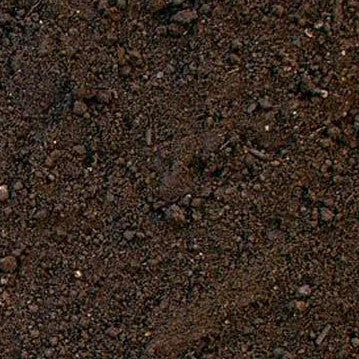
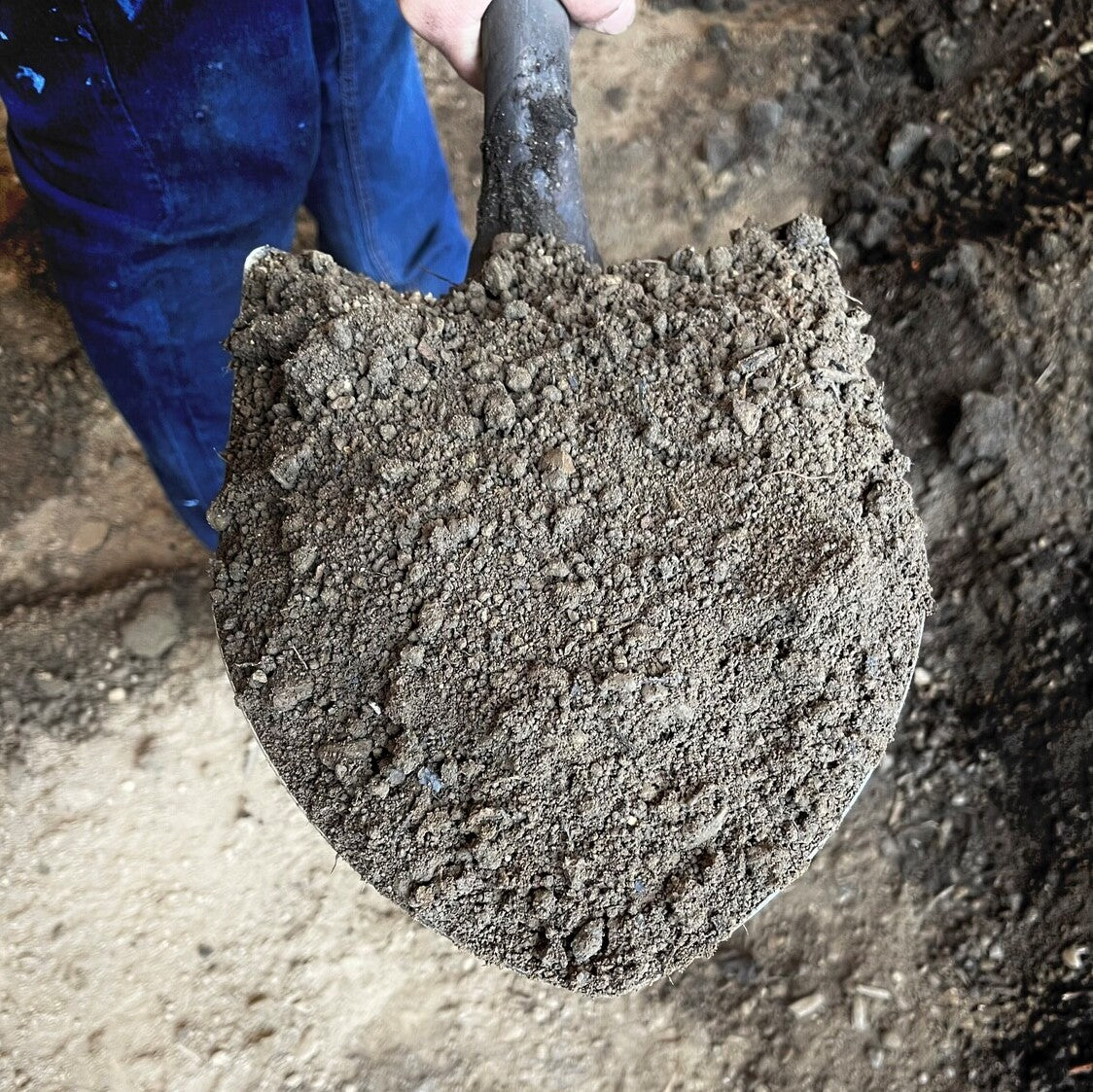
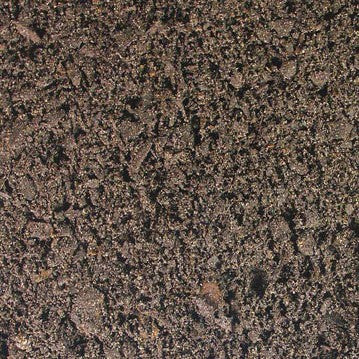
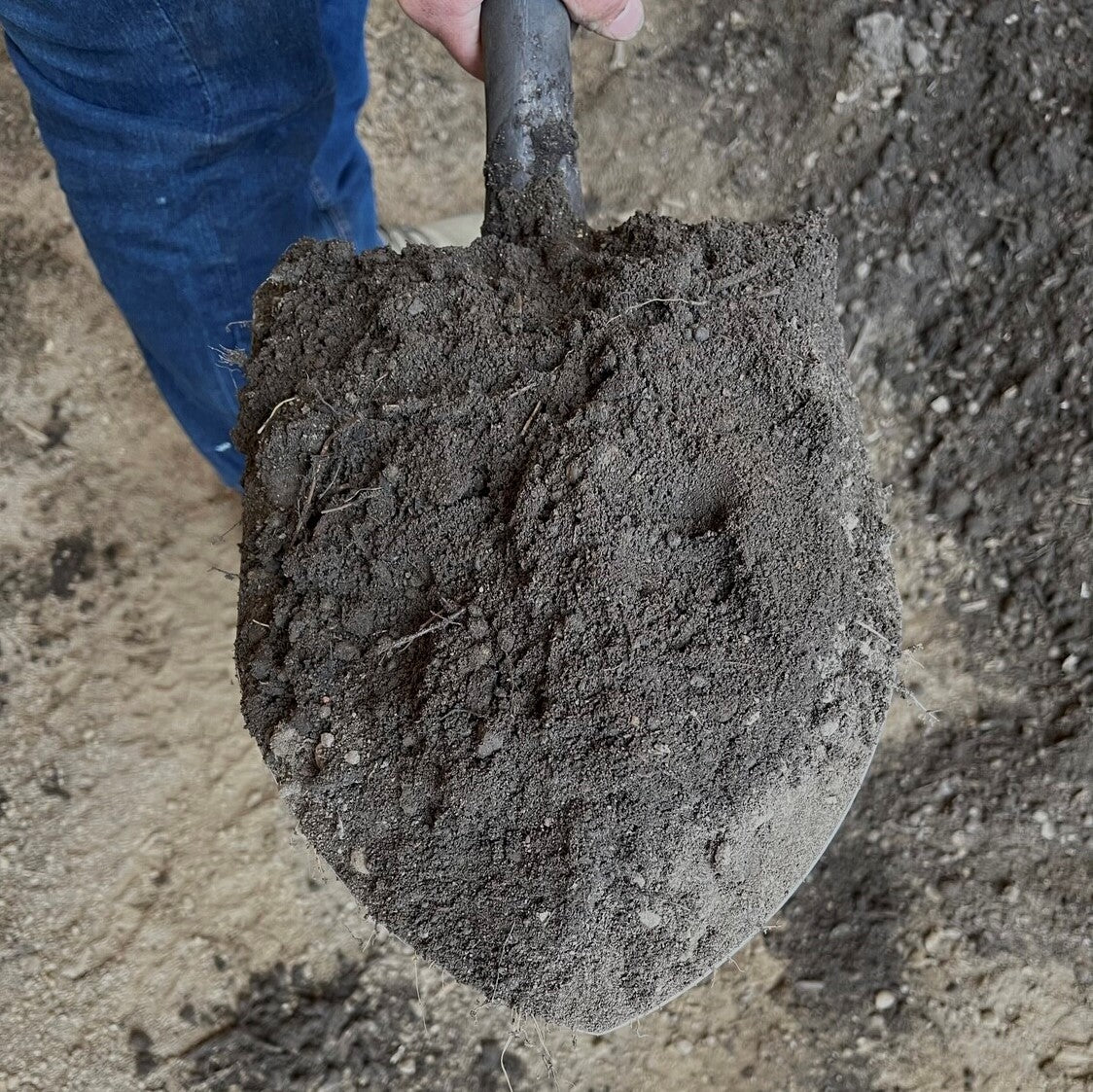
I used Mulch Mound to have 3 cubic yards of garden soil delivered. The process was easy and I love that I didn't have to call anyone. I placed my order online, picked my delivery date, laid out my tarp and the dirt was delivered. My delivery had to be pushed back, but I was ke...
Tell us what you're looking for
Thanks! We received your request.
Something went wrong. Please try again.
How Much Material Do I Need?
For new Coshocton planting beds, 6 to 8 inches of quality topsoil gives most ornamental plants and vegetables enough rooting depth to thrive through our full 172-day growing season without hitting dense native silt loam too quickly. Lawn repair and topdressing applications need only 1 to 2 inches spread evenly over the affected area before overseeding.
Use our free soil calculator
What is a Yard?
A yard is approximately 27 cubic feet. As a general guideline, one yard of material can cover an area of about 100-160 square feet at a 2-3 inch depth.
I used Mulch Mound to have 3 cubic yards of garden soil delivered. The process was easy and I love that I didn't have to call anyone. I placed my order online, picked my delivery date, laid out my tarp and the dirt was delivered. My delivery had to be pushed back, but I was ke...
How Much Material Do I Need?
For new Coshocton planting beds, 6 to 8 inches of quality topsoil gives most ornamental plants and vegetables enough rooting depth to thrive through our full 172-day growing season without hitting dense native silt loam too quickly. Lawn repair and topdressing applications need only 1 to 2 inches spread evenly over the affected area before overseeding.
Use our free soil calculator
What is a Yard?
A yard is approximately 27 cubic feet. As a general guideline, one yard of material can cover an area of about 100-160 square feet at a 2-3 inch depth.
I used Mulch Mound to have 3 cubic yards of garden soil delivered. The process was easy and I love that I didn't have to call anyone. I placed my o...
Read full review
I used Mulch Mound to have 3 cubic yards of garden soil delivered. The process was easy and I love that I didn't have to call anyone. I placed my order online, picked my delivery date, laid out my tarp and the dirt was delivered. My delivery had to be pushed back, but I was kept informed via text, which was great. So why not 5 stars? The description of garden soil on the website is "A balanced mix of topsoil and organic amendments ready for raised beds, flower gardens, and new planting areas. Good drainage, solid nutrients, easy to work with." What I got was more like fill dirt. It had a lot of gravel, a lot of clay, and random trash mixed in. I didn't test the soil to see if it actually had "amendments" because I already have compost and alpaca manure ready to add, but if I'd known the quality of the dirt was going to be the same as the bagged dirt I bought last year, I probably would have gotten 2 yards of top soil and a yard of leaf compost for better quality, especially since the leaf compost is cheaper. Photo of my mountain of dirt and just some of the trash I found in it.
Measure your bed or lawn area in feet, multiply length by width to get square footage, then multiply by the depth in feet you want to add to get cubic feet. Divide that number by 27 to convert to cubic yards for ordering. Coshocton properties on slopes sometimes have variable existing depths, so measure in a few spots and average the depth needed before calculating.
Complete Your Outdoor Soil Project
Fresh topsoil pairs naturally with a hardwood mulch top dressing to protect your soil investment from Coshocton's spring rainfall erosion and summer moisture loss. If you are building raised beds or retaining planters, adding a layer of bulk stone for drainage at the bottom of deep beds helps offset the slow drainage tendencies of our regional silt loam.
My yard has a lot of native silt loam. Do I really need to bring in outside soil or can I just amend what I have?
For small garden beds, amending Coshocton's existing silt loam with compost can work well over a few seasons. But for new raised beds, large planting areas, or lawns that have suffered compaction from wet winters, bringing in bulk topsoil gets you to a workable depth much faster. Coshocton's native silt loam also tends to pack hard in summer, so blending in fresh topsoil with better structure gives roots more room to spread from the start of the May 1 growing season.
Answer
How do I know if the low spot in my yard near the creek drainage is a soil problem or a grading problem?
Low spots that stay wet for more than 48 hours after a normal rain event in Coshocton are usually a grading issue first and a soil issue second. Coshocton's silt loam does drain slowly, but if water is pooling it means the surface grade is directing water into that area. Adding bulk fill soil to raise the grade and then topping with quality topsoil is the right sequence for those situations. Fixing grade first protects your investment in good soil.
Answer
What is the best time of year to add bulk soil to my Coshocton garden beds?
The two best windows for working soil in Coshocton are mid-May, once the last frost threat passes around May 1 and soil temps are rising, and late August through early September before the October 20 frost window closes in. Adding soil in spring lets you plant immediately into fresh material. A fall application gives soil time to settle and integrate before spring, which results in a more uniform planting bed when the new season begins.
Answer
I want to start a vegetable garden on a sloped part of my backyard. How much soil will I need to build it up?
For a raised bed or terraced vegetable garden on a Coshocton slope, aim for at least 10 to 12 inches of quality soil depth to give vegetable roots full access to nutrients and moisture. On a typical 4 by 8 foot raised bed, that is about 1.2 cubic yards. If you are building multiple beds or terracing a longer slope, our calculator can help you add up the total volume. Coshocton's silt loam subsoil beneath your raised beds will still supply some moisture wicking from below, which is actually beneficial during dry summer weeks.
Answer
Does the soil I buy need to be pH adjusted for growing in Coshocton?
Coshocton's native soils tend to run slightly acidic to neutral, generally in the 6.0 to 7.0 range, which suits most vegetables, perennials, and turf grasses well without adjustment. If you are buying bulk topsoil to blend with existing beds, test the combined mixture after a season before adding lime or sulfur. Blueberries and rhododendrons prefer more acidic conditions than Coshocton soils naturally provide, so those plantings will need specific amendment regardless of which bulk soil you bring in.
Answer
Can I use bulk topsoil to fill in the ruts and bare spots left in my lawn after a wet spring?
Yes, and Coshocton lawns often need exactly this kind of repair after wet springs because our silt loam soil compresses under waterlogged conditions and leaves low spots and tire ruts. Spread 1 to 2 inches of topsoil over the affected areas, rake it level, overseed with a turf mix suited to Zone 6b, and water consistently until germination. Late April before the full green-up or late August are the best windows for lawn repair in Coshocton.
Answer
How many cubic yards of soil do I need to raise my entire backyard garden area by 4 inches?
To raise any area by 4 inches, multiply the square footage of the space by 0.33 feet and divide by 27 to convert to cubic yards. For a 500 square foot garden area in a typical Coshocton backyard, that works out to about 6.1 cubic yards. Keep in mind that bulk soil settles over time, especially in Coshocton's wet springs, so ordering 5 to 10 percent extra ensures you maintain your target depth after the first season.
Mulch Mound Pro Tip
Coshocton homeowners who add bulk topsoil in the fall have a real advantage come spring planting. Soil placed in September and October has all winter to settle, and by the time May 1 rolls around and the last frost clears, the bed is firm, level, and ready to plant without the sinking and soft spots you get from freshly placed spring soil. If you plan to plant annuals or vegetables, fall soil placement means you can start planting right at the frost-free window without delays.
Mulch Mound Pro Tip
One issue specific to Coshocton properties near the river basin is soil with high silt content that seals at the surface after rain, forming a crust that slows water infiltration and makes direct seeding difficult. When you top-dress with bulk topsoil in these areas, mix in a modest amount of coarse sand or pea gravel at the very surface layer to break up that crust-forming tendency. This is especially helpful for vegetable beds where you are direct-seeding carrots, beets, or other root crops that need consistent moisture penetration.
Mulch Mound Pro Tip
Because Coshocton sits in a river valley with elevation changes across many properties, soil depth varies significantly from the top of a slope to the bottom. Before you order bulk soil, probe your existing ground in several spots with a screwdriver or soil probe to see where you hit resistance. On the downslope portions of your yard you may have deeper, richer existing soil and need less material, while upslope areas near ridges sometimes have very thin topsoil over shale or dense clay that needs more significant buildup.
The Unique Landscape of Coshocton
Coshocton's native silt loam soil is a mixed bag for gardeners. It holds nutrients reasonably well but compacts easily, drains slowly after heavy spring rains, and can crack and harden during the dry stretches of July and August. At 814 feet elevation in the Muskingum River watershed, many properties also have variable soil depth, with thin topsoil over dense subsoil on slopes and richer, deeper profiles in low-lying areas near the river. For new garden beds, lawn patches, or raised planting areas, bringing in quality bulk topsoil or amended garden soil is one of the fastest ways to overcome these local limitations. The Coshocton growing season from May 1 through October 20 is productive but short, so giving plants a nutritional foundation from day one matters more than in longer-season climates. Bulk soil delivery lets you build up beds to the right depth and texture without waiting years for native soil to improve on its own.