


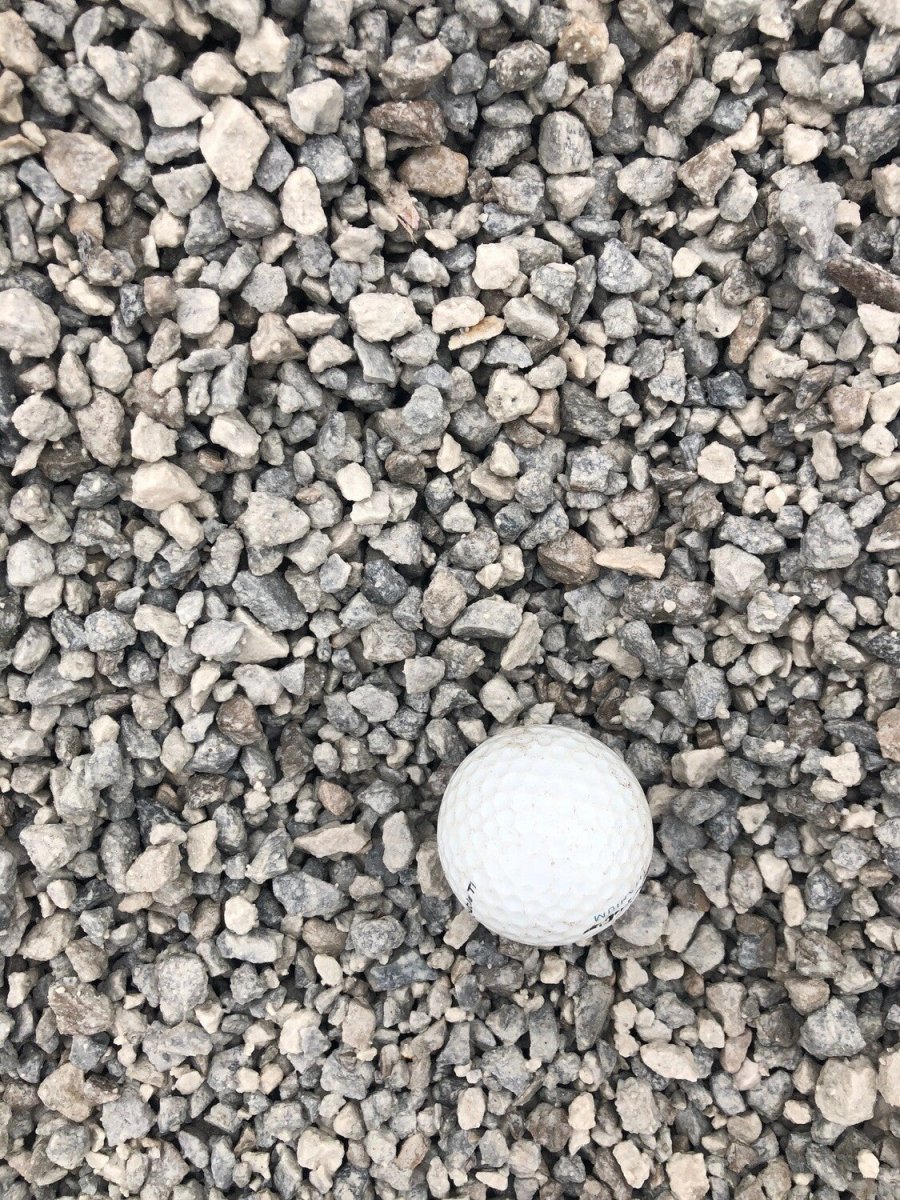


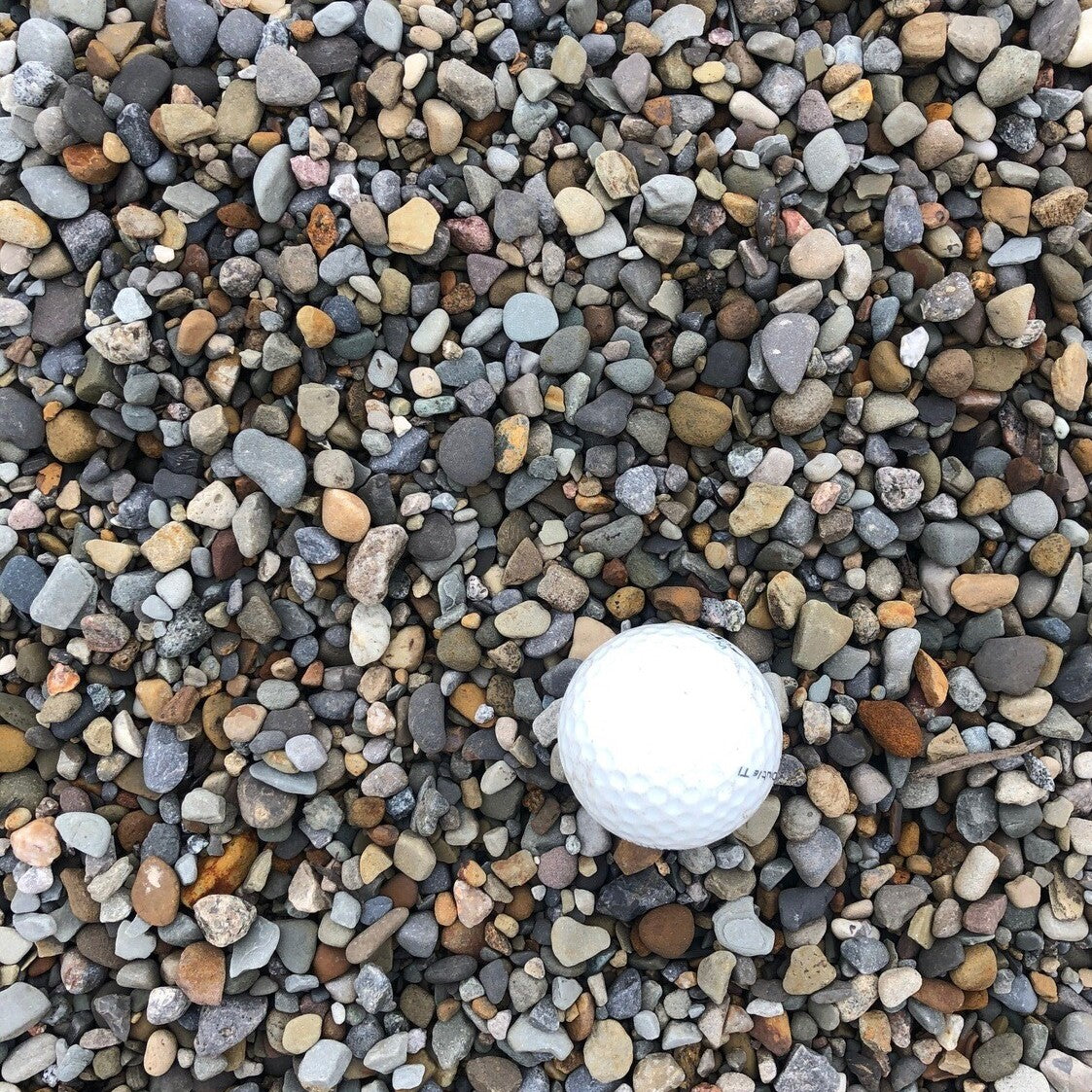
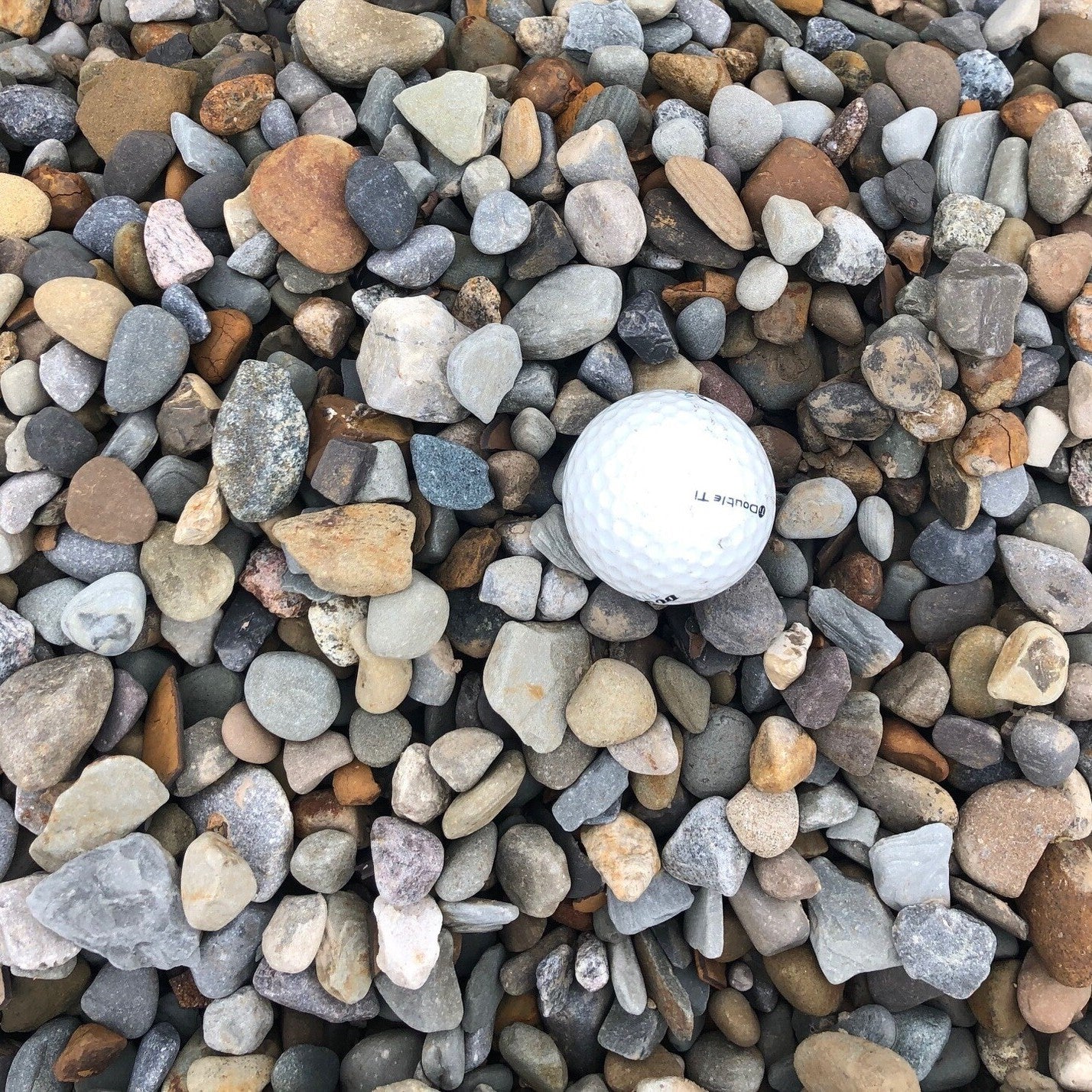
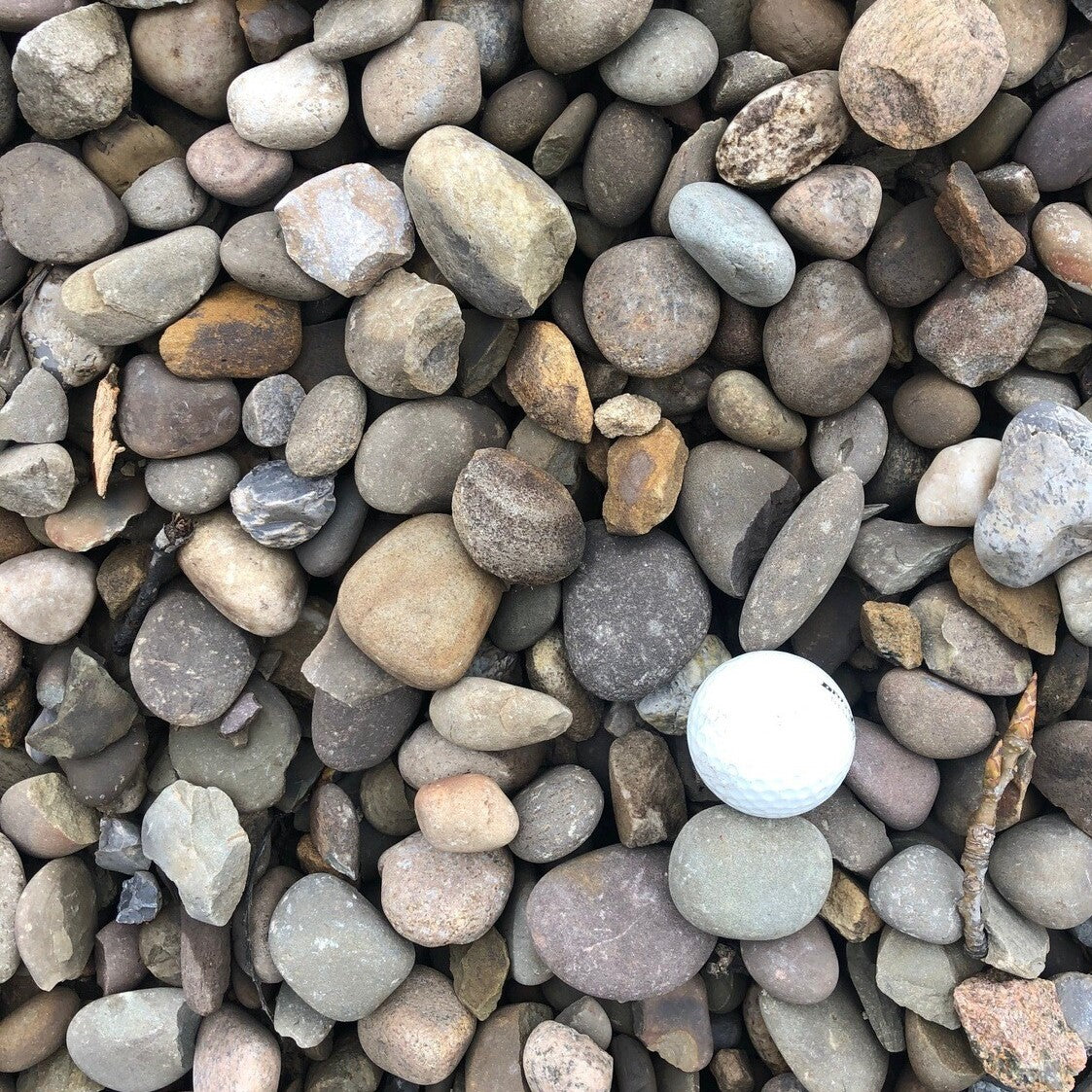

The driver nailed it on putting the gravel I ordered in front of my trailer and between the sidewalk. Very satisfied with how my flowerbeds look now.
About this stone
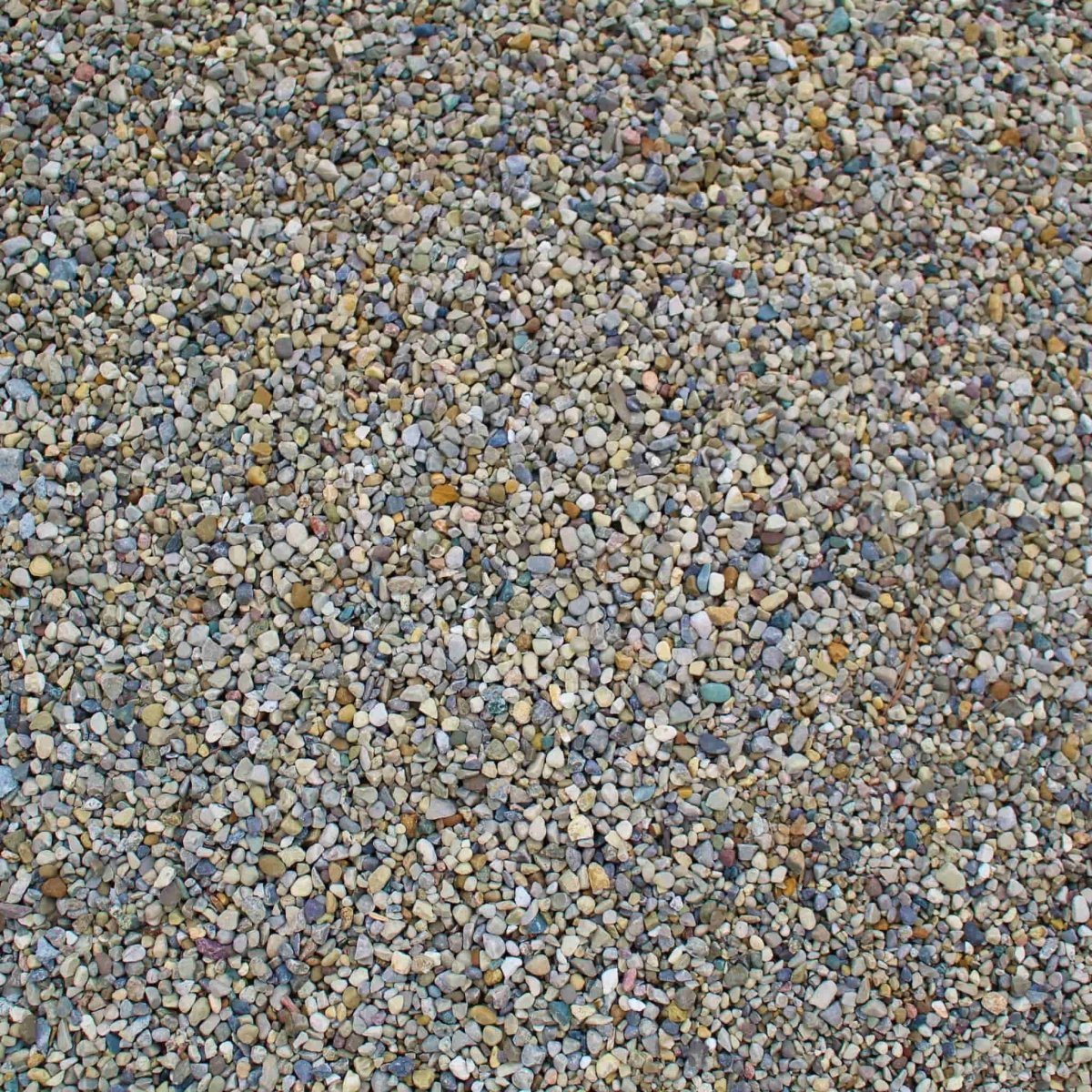
Compact limestone at 3/8 to 1/2 inch for fine grading, fills, and bedding. The precise sizing makes it ideal for detailed work and compacted surfaces.
The driver nailed it on putting the gravel I ordered in front of my trailer and between the sidewalk. Very satisfied with how my flowerbeds look now.
Tell us what you're looking for
Thanks! We received your request.
Something went wrong. Please try again.
How Much Material Do I Need?
How Much Material Do I Need?
For decorative stone applications in Coshocton beds and borders, 2 to 3 inches of depth provides good coverage and weed suppression without the instability of a too-thick loose layer. Functional applications like driveways and drainage swales need 4 to 6 inches of total depth to hold up against our silt loam base softening during wet spring and early winter periods.
Use our free gravel calculator
What is a yard?
What is a yard?
FAQs
FAQs
Coshocton Gravel Delivery
Coshocton Gravel Delivery
Regular price
$60.00
per
yard
Regular price
Sale price
$60.00
Unit price
per
Shipping calculated at checkout.
Couldn't load pickup availability
Not currently available
We can't take orders for this right now. Tell us what you need and we'll get back to you.
Hand-picked local yards
4,000+ regional deliveries
Dedicated support
Why order through Mulch Mound
The best local , without the guesswork.
We hand-pick and partner with the best yards in your region, keep only the ones our buyers rate well, and back each load with our guarantee.
Mulch Mound Guarantee
If your isn't the quantity or quality you ordered, we'll make it right.
About this stone
Compact limestone at 3/8 to 1/2 inch for fine grading, fills, and bedding. The precise sizing makes it ideal for detailed work and compacted surfaces.
The driver nailed it on putting the gravel I ordered in front of my trailer and between the sidewalk. Very satisfied with how my flowerbeds look now.
How Much Material Do I Need?
How Much Material Do I Need?
For decorative stone applications in Coshocton beds and borders, 2 to 3 inches of depth provides good coverage and weed suppression without the instability of a too-thick loose layer. Functional applications like driveways and drainage swales need 4 to 6 inches of total depth to hold up against our silt loam base softening during wet spring and early winter periods.
Use our free gravel calculator
What is a yard?
What is a yard?
FAQs
FAQs
Tell us what you're looking for
Thanks! We received your request.
Something went wrong. Please try again.
How It Works
Getting started is easy — just follow these simple steps
1
Choose your stone
Make sure you adjust the quantity to your home's needs. You can use our calculator to estimate how much you'll need.
2
Select your delivery date
Select a delivery date you'd like for the product to be dropped off at your home
3
Sit back and wait
Sit back, wait, and let us work our magic to make sure the highest quality product is delivered to your driveway.


Need Help Calculating How Much Gravel You Need?
Use our NEW Trace from Satellite tool to get an estimate for your project based on an aerial view of your property
Try Our CalculatorMeasure the length and width of your stone project area in feet and multiply for square footage, then decide on your target depth in inches and convert that to a decimal fraction of a foot before calculating cubic yards. For irregularly shaped areas like curved garden borders or natural swales on Coshocton hillsides, break the space into rough rectangles and add the estimates together. When in doubt, add 10 percent to your total since stone settles into Coshocton's soft silt loam base more than it would over a firmer subgrade.
Complete Your Outdoor Stone Project
Pairing decorative stone with a quality topsoil border keeps Coshocton's silt loam from mixing into your stone layer over multiple rainfall seasons, preserving the look and function of your installation longer. Landscape fabric installed under stone before delivery keeps the two materials separated and significantly reduces long-term maintenance on properties with active soil movement from frost and rain.

Service area
Areas we deliver stone and gravel in Coshocton, Ohio
Mulch Mound Pro Tip
In Coshocton, one of the biggest mistakes with stone installation is skipping the landscape fabric underlayer in areas where frost heave is active. Our Zone 6b winters produce multiple freeze-thaw cycles between November and March, and each cycle slowly pushes silt loam soil up through stone layers over time. This migration makes gravel paths and decorative beds look muddy and requires constant raking to maintain. A good non-woven landscape fabric pinned under your stone before delivery eliminates most of this problem and extends the life of your installation significantly.
Mulch Mound Pro Tip
Coshocton homeowners with sloped yards should consider angular crushed stone rather than smooth river rock for any application where the material needs to stay put. Smooth stones roll and migrate on grades above 5 percent, especially after heavy spring rains when water sheets across the surface. Angular stone with irregular edges locks together and resists displacement even on moderately steep slopes. For decorative purposes, a top dressing of smooth river rock over an angular base gives you the look you want with the stability the terrain requires.
Mulch Mound Pro Tip
If you are using bulk stone to create a dry creek bed or decorative drainage feature on your Coshocton property, size your stone to match the expected flow volume rather than just picking what looks best. A dry creek bed that handles runoff from a large roof or paved surface needs stones in the 3 to 5 inch range to resist being moved during a hard rain event. Smaller decorative pebbles look attractive when dry but scatter across your lawn the first time a real Coshocton spring storm sends water through the channel at full speed.
The Unique Landscape of Coshocton
Landscape stone earns its place in Coshocton yards not just for its looks but for its practical performance in a climate that delivers 40 inches of rain per year and a soil type prone to erosion and compaction. Gravel pathways and stone drainage areas handle Coshocton's wet spring runoff without the muddiness and washout that bare soil produces. Decorative stone around foundations and beds also reduces the splash erosion that heavy rains cause on our silt loam, protecting plant roots and building exteriors alike. At 814 feet above sea level with terrain that rolls and drops toward the Muskingum River, many Coshocton properties have natural drainage channels where stone outperforms mulch for long-term stability. Stone does not decompose, shift with frost heave the way organic material can, or require the annual replenishment that mulch needs in our active growing climate. For driveways, walkways, garden borders, and drainage swales, bulk landscape stone is one of the most durable investments a Coshocton property owner can make.