About this mulch

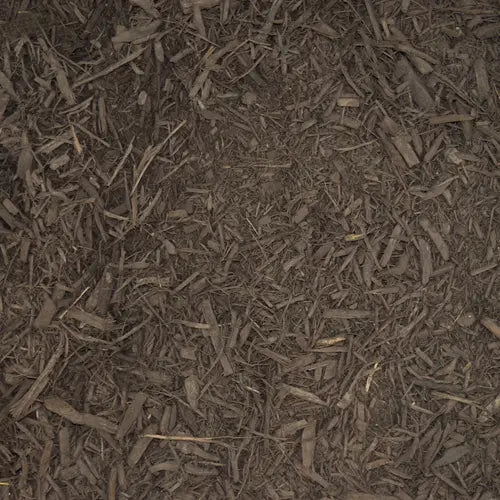
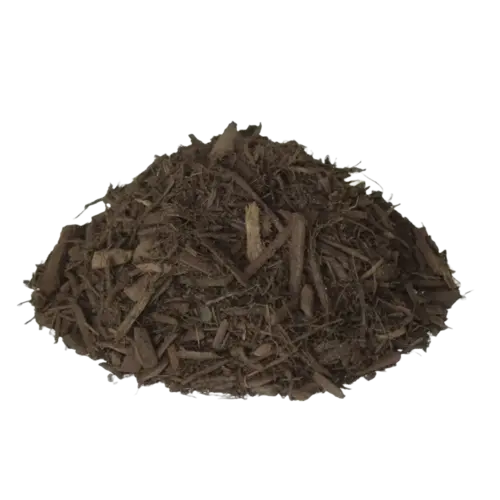
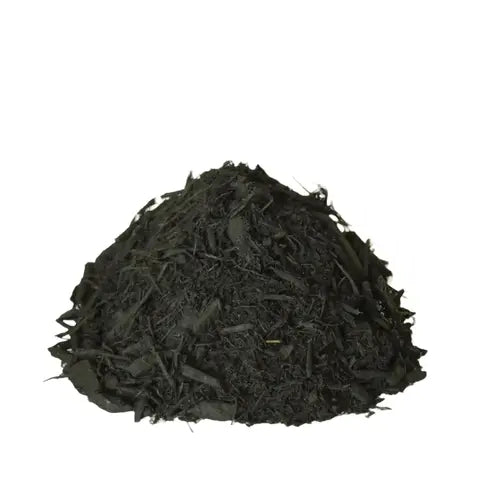
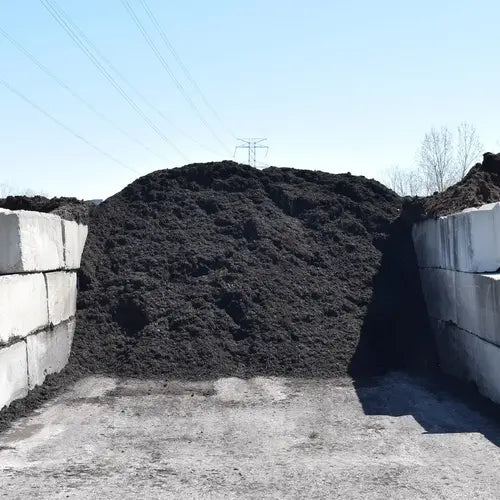
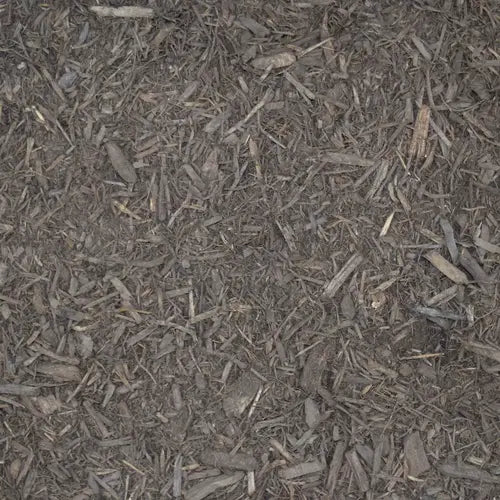
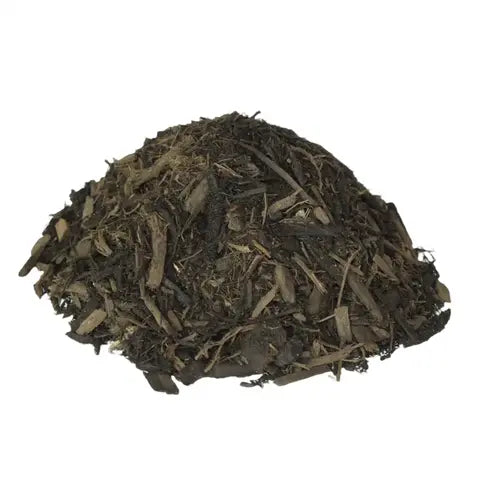
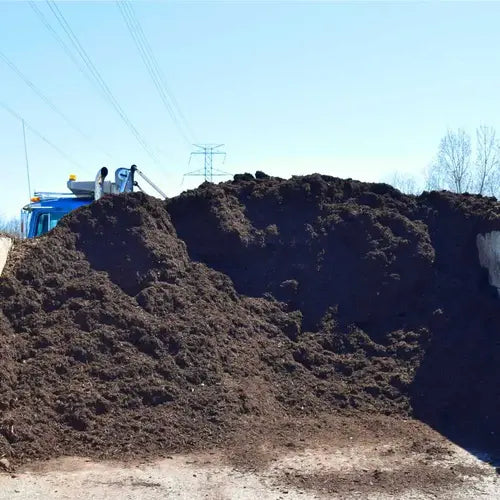
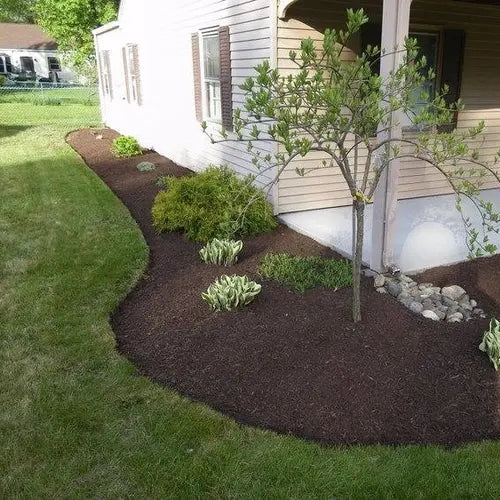
Double-shredded mulch dyed a rich, even brown that holds its color through the season.

Good quality, great price, fast delivery. All online - no submitting forms and waiting for days for quotes.
Getting mulch should be this easy from everyone. Only Mulch Mound is ACTUALLY this simple.

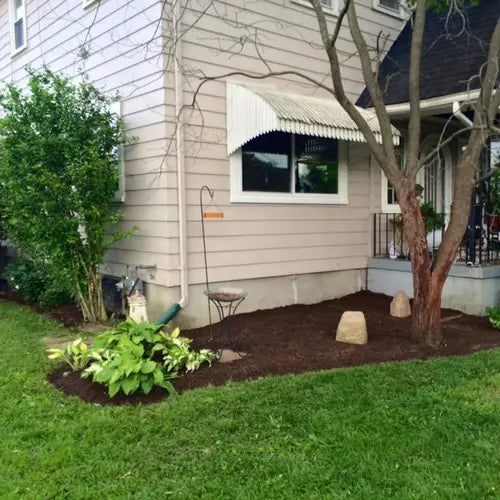
Three inches is the standard depth for Cottonwood beds, which works out to about one cubic yard per 100 square feet. Go a half inch deeper on west facing beds that take full afternoon sun.
Use our free mulch calculator

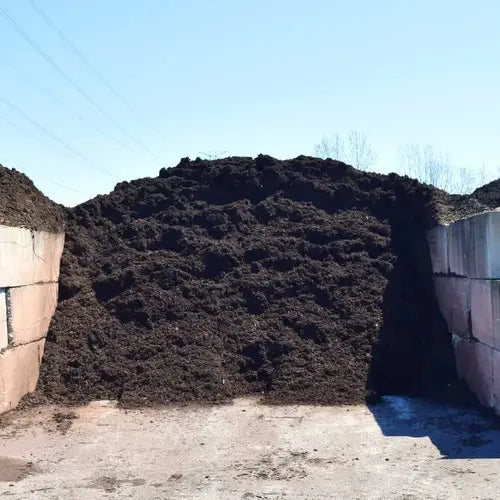
A yard is approximately 27 cubic feet. As a general guideline, one yard of material can cover an area of about 100-160 square feet at a 2-3 inch depth.

Cottonwood Mulch Delivery

Cottonwood Mulch Delivery

4.7
137 reviews
Regular price $64.00 per Yard
Regular price Sale price $64.00
Sale Sold out
Shipping calculated at checkout.
Color
Style
Hand-picked local yards
4,000+ regional deliveries
Dedicated support
Why order through Mulch Mound

The best local , without the guesswork.

We hand-pick and partner with the best yards in your region, keep only the ones our buyers rate well, and back each load with our guarantee.

Mulch Mound Guarantee

If your isn't the quantity or quality you ordered, we'll make it right.

About this mulch

Double-shredded mulch dyed a rich, even brown that holds its color through the season.

Good quality, great price, fast delivery. All online - no submitting forms and waiting for days for quotes.
Getting mulch should be this easy from everyone. Only Mulch Mound is ACTUALLY this simple.

Three inches is the standard depth for Cottonwood beds, which works out to about one cubic yard per 100 square feet. Go a half inch deeper on west facing beds that take full afternoon sun.
Use our free mulch calculator

A yard is approximately 27 cubic feet. As a general guideline, one yard of material can cover an area of about 100-160 square feet at a 2-3 inch depth.

View full details

How It Works

Getting started is easy — just follow these simple steps

1

Choose your Mulch

Make sure you adjust the quantity to your home's needs. You can use our calculator to estimate how much you'll need.

2

Select your delivery date

Select a delivery date you'd like for the product to be dropped off at your home

3

Sit back and wait

Sit back, wait, and let us work our magic to make sure the highest quality product is delivered to your driveway.

What Cottonwood Customers Are Saying

4.7
out of 5 based on 137 reviews
Google Reviews

Calculate mulch for your Cottonwood project

For Cottonwood's type of soil, we recommend 2-3 inches for best weed suppression and moisture retention

Try Our Calculator
📍

Measure each bed separately in feet, length times width, then add the areas together rather than guessing at the whole yard. One cubic yard covers roughly 100 square feet at three inches deep. Round up slightly, since irregular Cottonwood lots with tree wells and slopes always eat a bit more than the flat math suggests.

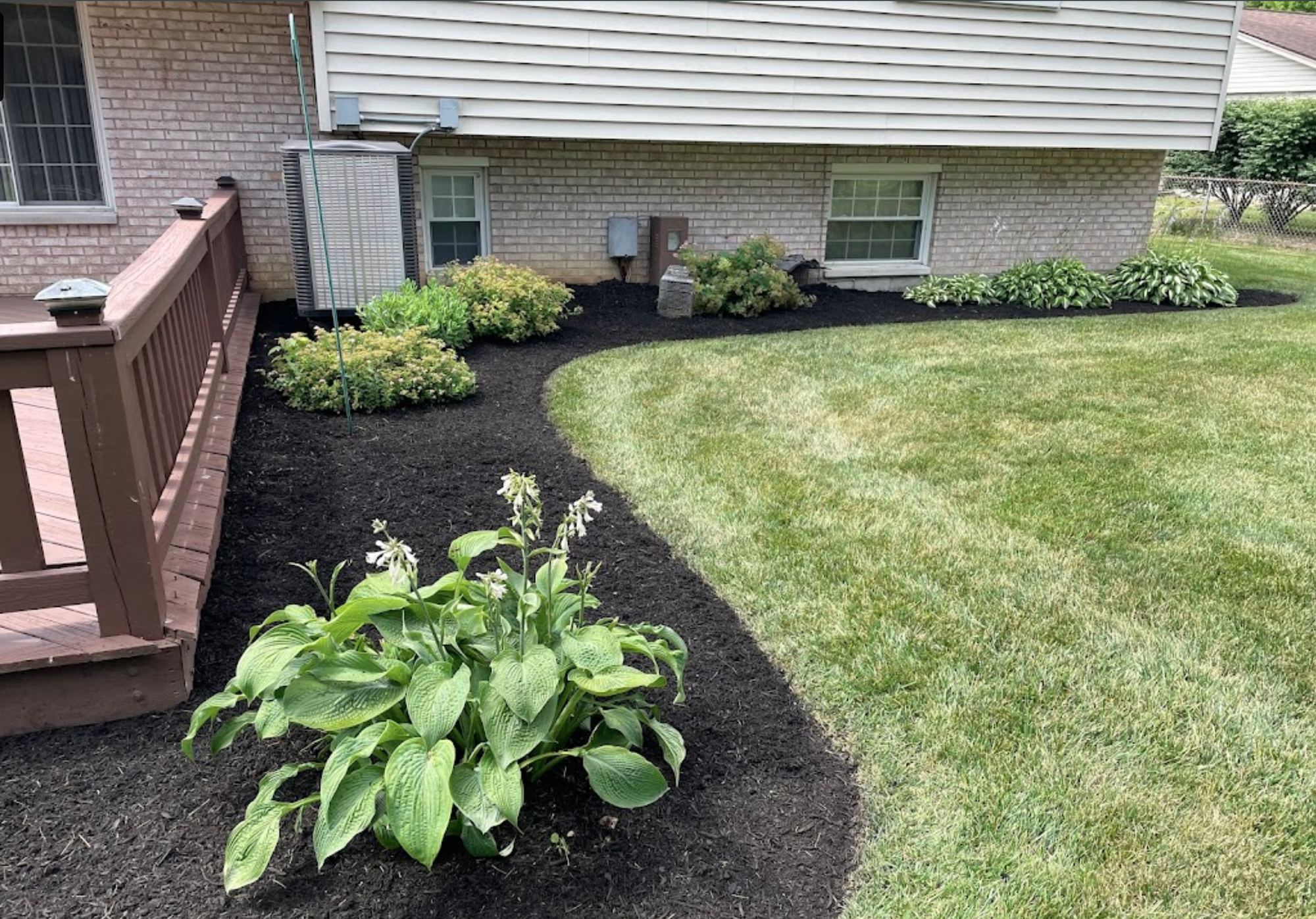
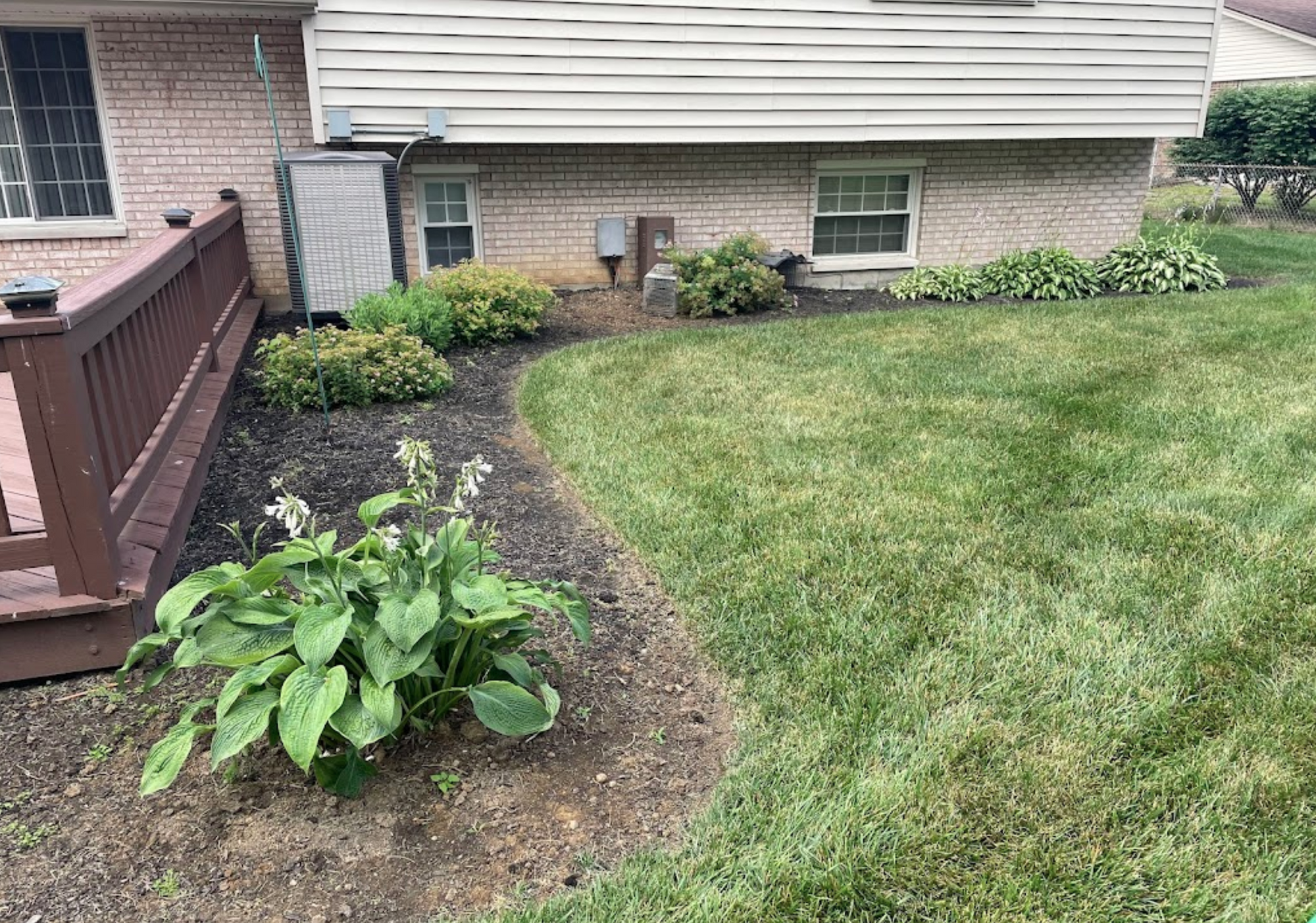
Mulch vs. No Mulch: The Difference

Cottonwood gets roughly eight months with almost no rainfall, which slows microbial breakdown to a crawl compared to coastal or mountain areas. That means mulch here mostly loses color to UV rather than decomposing away, and the pile you spread in March will still be structurally intact the following spring. The winter rain months are when the bottom layer actually breaks down and feeds the soil.

Before image
After image
Slider handle
Before
After

Complete Your Outdoor Mulch Project

Pair your mulch with a few yards of compost or garden blend worked into the clay loam first, so roots have somewhere loose to grow. Landscape edging and drip line also help keep the mulch where you put it through winter runoff.

Mulch Mound Pro Tip

Water your beds thoroughly the day before mulch arrives. Cottonwood clay loam takes a long time to absorb water once it has dried and hardened, and mulch spread over bone dry soil traps that dryness in place for months. Soak deeply, let it drain overnight, then spread. You will start the dry season with a full moisture reservoir under the mulch instead of an empty one.

Mulch Mound Pro Tip

Pull mulch back into a small doughnut shape around trunks and stems rather than piling it against the bark. Cottonwood's mild wet winters keep buried bark damp for weeks at a stretch, which invites collar rot on young fruit trees and ornamentals. Leave two to three inches of bare ground right at the base and let the mulch ring start outside that.

Mulch Mound Pro Tip

Run your drip lines on top of the soil and under the mulch, not over it. In Cottonwood's summer heat, emitters left on top of the mulch lose a good share of output to evaporation before the water reaches roots. Tucking the line underneath puts every drop into the clay loam and keeps the tubing shaded so it lasts several more seasons before cracking.

Frequently Asked Questions

Click a question to see the answer

Answer

How deep should mulch be to survive a Cottonwood summer?

Three to four inches is the working number here. Two inches dries out and blows around by August when afternoon highs sit above 100 degrees, and anything past four inches starts holding too much water against clay loam during the winter rain months. Three inches is the sweet spot for most Cottonwood beds.

Answer

When is the best time of year to mulch in Cottonwood?

Late February through mid April is ideal, after the last frost around March 20 and while the soil is still holding winter moisture. Mulching then locks in that moisture before the dry season starts. A lighter top up in October before the November rains is also worth doing.

Answer

Will mulch attract termites near my house foundation?

Keep mulch six inches back from the foundation and siding and you will be fine. Subterranean termites are present in Shasta County, and they are drawn to constant moisture against wood, not to the mulch itself. Coarse bark holds less moisture than fine shredded product if you are working close to the structure.

Answer

How often do I need to replace mulch here?

Plan on a top up every twelve to eighteen months. Cottonwood's dry summers slow decomposition considerably compared to wetter parts of California, but UV exposure fades color and the bottom layer still breaks down into the clay loam. Most homeowners add an inch or so each spring rather than starting over.

Answer

Does mulch help with the cracking I get in my clay soil?

Yes, and it is one of the biggest reasons to use it here. Those deep summer cracks form when clay loam loses moisture from the surface and shrinks. A three inch mulch layer slows that evaporation dramatically, so the soil holds a more even moisture level and cracks far less.

Answer

Is mulch a fire risk given how dry it gets out here?

Fine, dry mulch can carry flame, which matters in Cottonwood where summer fuel moisture drops low. Keep a five foot noncombustible zone of gravel or bare soil right against the house, and use larger bark chunks rather than shredded product in that outer area. Keeping mulch damp under drip irrigation also lowers the risk considerably.

Answer

Can I put mulch over the weeds that come up after the first rains?

Pull or cut them first. Cottonwood's winter weed flush after the November storms includes filaree and annual grasses with roots that push right through mulch. Clear the bed, then lay three inches down, and you will suppress most of the seed bank that would otherwise sprout in December and January.

The Unique Landscape of Cottonwood

Cottonwood sits in the southern Redding basin where summer stretches long and hot, and beds without mulch bake dry by early July. With only about 24 inches of rain a year, nearly all of it falling between November and March, mulch is the single best tool for holding onto winter moisture through a rainless June, July, and August. The local clay loam also crusts and cracks when exposed to direct sun, which breaks feeder roots near the surface. A steady mulch layer buffers that soil temperature swing and keeps the top few inches workable. In Zone 9a, where plants rarely go fully dormant, that root protection matters nearly year round. Mulch also slows the winter weed flush that follows the first real storms in November and December.