



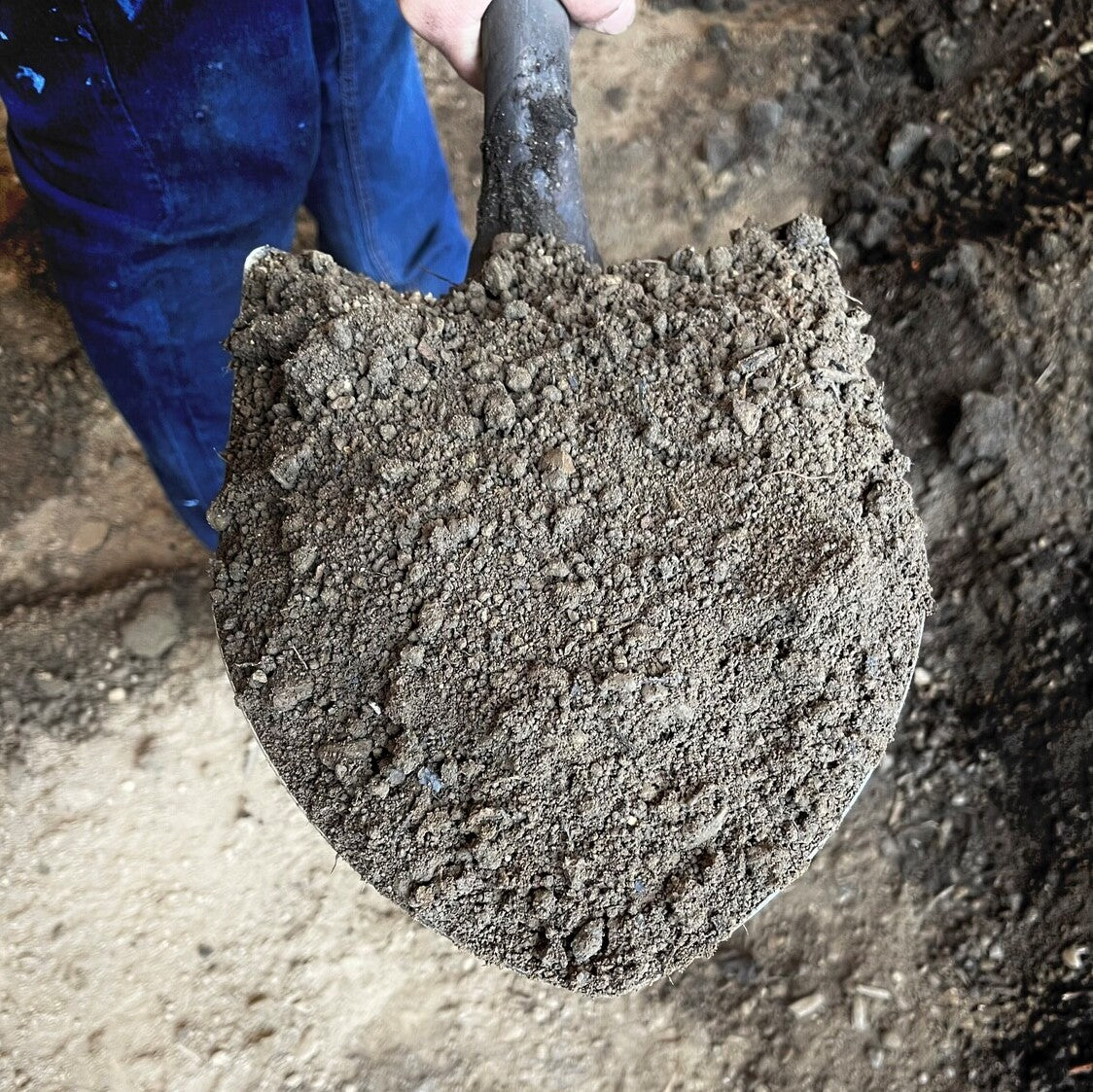


Good quality top soil and was delivered exactly where I wanted it. Nice Job!
About this soil
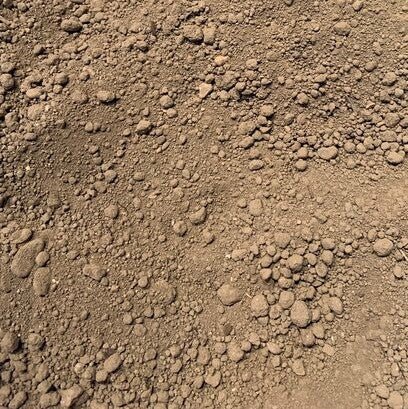
Screened topsoil with a fine, even texture. Ideal for new lawns, sod prep, and raised garden beds.
Good quality top soil and was delivered exactly where I wanted it. Nice Job!
Tell us what you're looking for
Thanks! We received your request.
Something went wrong. Please try again.
How Much Material Do I Need?
How Much Material Do I Need?
Raised beds usually need eight to twelve inches of soil, while topdressing an existing lawn takes only a half inch per pass. New planting areas over Cottonwood clay do best with four to six inches worked into the top of the native ground.
Use our free soil calculator
What is a Yard?
What is a Yard?
FAQs
FAQs
Cottonwood Soil Delivery
Cottonwood Soil Delivery
Regular price
$64.00
per
Yard
Regular price
Sale price
$64.00
Unit price
per
Shipping calculated at checkout.
Minimum of 3 Yard
Couldn't load pickup availability
Not currently available
We can't take orders for this right now. Tell us what you need and we'll get back to you.
Hand-picked local yards
4,000+ regional deliveries
Dedicated support
Why order through Mulch Mound
The best local , without the guesswork.
We hand-pick and partner with the best yards in your region, keep only the ones our buyers rate well, and back each load with our guarantee.
Mulch Mound Guarantee
If your isn't the quantity or quality you ordered, we'll make it right.
About this soil
Screened topsoil with a fine, even texture. Ideal for new lawns, sod prep, and raised garden beds.
Good quality top soil and was delivered exactly where I wanted it. Nice Job!
How Much Material Do I Need?
How Much Material Do I Need?
Raised beds usually need eight to twelve inches of soil, while topdressing an existing lawn takes only a half inch per pass. New planting areas over Cottonwood clay do best with four to six inches worked into the top of the native ground.
Use our free soil calculator
What is a Yard?
What is a Yard?
FAQs
FAQs
Tell us what you're looking for
Thanks! We received your request.
Something went wrong. Please try again.
How It Works
Getting started is easy — just follow these simple steps
1
Choose your soil
Make sure you adjust the quantity to your home's needs. You can use our calculator to estimate how much you'll need.
2
Select your delivery date
Select a delivery date you'd like for the product to be dropped off at your home
3
Sit back and wait
Sit back, wait, and let us work our magic to make sure the highest quality product is delivered to your driveway.

Online ordering was really simple and I liked the transparent pricing.

Easy to order, great service, and great product. We enjoy the final look of a very neglected beds we inherited!
Need Help Calculating How Much Soil You Need?
Use our NEW Trace from Satellite tool to get an estimate for your project based on an aerial view of your property
Try Our CalculatorMeasure the length and width of the area in feet, then decide your depth in inches before doing any math. One cubic yard covers about 100 square feet at three inches or roughly 27 square feet at twelve inches. For raised beds, calculate each box separately and add ten percent for settling.
Complete Your Outdoor Soil Project
Add compost to work into the clay loam below your new soil so the two layers knit together instead of forming a barrier. Finish with three inches of mulch on top to hold moisture once the dry season starts.
Service area
Areas we deliver soil in Cottonwood, California
Mulch Mound Pro Tip
Do not just dump new soil on top of untouched clay loam. Cottonwood's native ground is dense enough that a clean boundary between layers acts like a shelf, and water pools right at that line instead of soaking down. Break up the top three or four inches of native soil with a fork or tiller first, then blend a little of your new material into it before filling the rest.
Mulch Mound Pro Tip
Time your big soil projects for the shoulder seasons. March and October give you workable ground and temperatures that do not punish you for hauling wheelbarrows all day. Cottonwood summers regularly push past 100 degrees, which makes moving soil miserable and dries fresh material out before you can plant into it. Winter is out because saturated clay loam turns to mud underfoot.
Mulch Mound Pro Tip
Build a slight crown into any new soil area rather than leaving it dead flat. Cottonwood gets most of its 24 inches of rain in short concentrated bursts between November and March, and flat ground over clay loam holds that water at the surface. A gentle rise of an inch or two across a bed lets excess run off the edges while still keeping the root zone evenly moist.
The Unique Landscape of Cottonwood
Most Cottonwood yards sit on clay loam that is rich in minerals but tight, slow draining, and unforgiving once it dries out in summer. Native soil alone rarely gives vegetable roots or new lawn the loose structure they need to spread. Bringing in a screened topsoil or garden blend gives you a workable rooting layer above that clay, which is often the difference between a garden that produces through August and one that stalls in June. With a Zone 9a growing season that runs from roughly March 20 to November 15, there is a long window to take advantage of, but only if roots can move. Amended soil also improves how the ground absorbs Cottonwood's concentrated winter rainfall instead of shedding it. Raised beds and berms built from imported soil sidestep the drainage problem entirely.